As those of us in the Northern Hemisphere progress through the darkest days of the year, we may perhaps find ourselves more affected by the power of poetry. Words resonate when we’re not so distracted by bright light and busy lives outside. And there’s long been a tradition for writers, scholars and mystics to seek inspiration in the middle of the night. The medieval mystical Kabbalistic texts compiled in the book known as the Zohar emphasise that at midnight, God enters the Garden of Eden, and at this point the trees sing, and the angels can be heard. Those seeking ‘a whisper from the school of knowledge’ should arise from their beds at midnight, to pray and study. (We have to assume that they went to bed a lot earlier than we tend to do nowadays!)
An ancient Irish poem is set in just this context, that of a monk writing and studying in the depths of night. It comes from the 9th century, and although the monk was Irish, he was at that time located in a monastery named Reichnau, in what is present-day Austria. At this period, the Irish, especially the monks and scholars, were great travellers, and also often had to move abroad to escape Viking raids in theire homeland.
As the fame of Irish scholarship grew, Irish teachers and thinkers were also invited to join centres of learning at schools established in royal and aristocratic courts and large monasteries, so that by the ninth century, the German monk and scholar, Walafrid Strabo remarked: ‘The Irish nation, with whom the custom of travelling into foreign parts has now become almost second nature’ Book of Kells ‘Future Learn’ course, Trinity College, Dublin
This monk’s notebook shows that he was working on a variety of classical and theological texts, but the poem itself is about his relationship with his cat, Pangur Ban. Both have particular tasks to perform at night; both find their ‘bliss’ in these, whether writing or catching mice. ‘Ban’ means ‘white, and ‘Pangur’ means ‘fuller’, in the sense of part of the process of making and cleaning cloth. So the best guess is that he had a cat with soft white fur. And indeed, a good number of the medieval illustrations of cats show ones which are white in colour.
There were also ginger cats, preferred by the Vikings, often taken on board ship; their descendants are still found around the Mediterranean, and DNA proves their Scandinavian origin. Spotted cats, tabbies, grey and black ones were also prevalent.
Pangur Ban is a touching, intimate poem that astonished me when I came across it a few years ago, and this small miracle still tugs at my heart strings. I’m guessing the anonymous monk would be astonished too, to see how much his verses are valued over a thousand years later. W. H. Auden and Seamus Heaney have both produced striking translations from the Irish, and Samuel Barber has set it to music (see link below). But I prefer this simple, poignant version by Robin Flower.
The scholar and his cat, Pangur Bán

 I and Pangur Ban my cat,
 'Tis a like task we are at:
 Hunting mice is his delight,
 Hunting words I sit all night.

Better far than praise of men
 'Tis to sit with book and pen;
 Pangur bears me no ill-will,
 He too plies his simple skill.

'Tis a merry task to see
 At our tasks how glad are we,
 When at home we sit and find
 Entertainment to our mind.

Oftentimes a mouse will stray
 In the hero Pangur's way;
 Oftentimes my keen thought set
 Takes a meaning in its net.

 'Gainst the wall he sets his eye
 Full and fierce and sharp and sly;
 'Gainst the wall of knowledge I
 All my little wisdom try.

 When a mouse darts from its den,
 O how glad is Pangur then!
 O what gladness do I prove
 When I solve the doubts I love!

So in peace our task we ply,
 Pangur Ban, my cat, and I;
 In our arts we find our bliss,
 I have mine and he has his.

Practice every day has made
 Pangur perfect in his trade;
 I get wisdom day and night
 Turning darkness into light.
You can hear the first verse spoken in the ancient Irish in this recording.
And the Samuel Barber song, titled ‘The Monk and his Cat’, is performed beautifully here by Barbara Bonney.
Cats in ancient Ireland I first met Pangur Ban and became hooked on Old Irish Cats in a ‘Future Learn’ course on the Book of Kells, which is kept at Trinity College, Dublin. (You can read the relevant section and it’s free to join the rolling course.) . Here I learned that cats were valued in early medieval Ireland, not just as treasured companions, but as useful members of the household. They were accorded legal status: ‘Domestic cats were a high-status possession, owned principally by the elite. Such was their value, that there was an entire set of laws, the Catslechtae (‘cat-sections’) outlining the fines attached to the stealing, injuring or killing a person’s cat. Penalties differed according to the talents of the cat in question. For example, a cat was worth three cows if able to purr and keep its owner’s house, grain store and kiln free of mice, but only half that if was just good at purring.’
Cats are frequently depicted pursuing rats and mice in medieval illustrations, probably partly because it allows for a lively portrayal, but also indicating their chief function in society
This is a description of some of the categories of cat enshrined in old Irish law: Ameone is ‘a mighty cat that mews’. Aicrúipnei is also a ‘mighty cat’. but ‘by virtue of its paw’. Ie, a good swiper of rodents. It is ‘a cat of barn and mill and drying-kiln, which is guarding all three’. Breonei is a female cat who purrs and protects – or may utter ‘an inarticulate cry’, and her value is greater if her purring is loud. Meone is ‘a pantry cat’, catching mice and rats which might steal the food. Her value seems high at two cows, if she’s good at her job. Otherwise, one cow. Abaircne is said to be ‘a cat for women’, ‘a strong one brought from the ship of Bresal Brecc in which are white-breasted black cats.’ Folum ‘is a cat who herds, who is kept with the cows in the enclosure.’ Last but not least, we have Rincne, ‘a children’s cat’, thus described because ‘it torments the small children, or the children torment it.’
Cats aim to please with a choice kill, even when their owner is distracted – in this case by music. But some cats may even be musicians themselves!
Medieval Cats Cats were also appreciated in mainland Britain, and it’s known that a number of monks and ‘anchoresses’ (a type of female hermit) were sometimes permitted to have a cat as a companion. There were also stern warnings that they should not get too attached to the animal! (I am sure that this was ignored, even if an appearance of indifference was kept up.) Although there were some very cruel customs in earlier society involving cats, which I won’t go into here, it’s clear that in general, cats were not only useful members of the household in catching rats and mice, but provided companionship and solace to their human keepers.
A cat plays with her mistress’s spindle; monks and nuns were sometimes allowed to keep cats for company and, most probably, for play.
Just occasionally, cats were paid a salary! In Exeter Cathedral today, one of the most popular features for visitors to spy is the medieval cat hole, as you can see below. This is in the door leading to the works of the famous astronomical clock; its ropes would have been greased, and the grease would have attracted vermin. Hence it was important that the Cathedral Cat should be able to hunt them down inside the clock chamber. Cathedral records show that from 1305 – 1467 the cat and its keeper received payment of around a penny a week, chiefly to provide good food for the cat.
Returning to the poem, and my theme of darkness in current posts, it’s definitely one for our midwinter nights. And it reveals that the writer and the hunter are not so far apart: In our arts we find our bliss, I have mine and he has his. So, Pangur Ban – and in my case Zaq and Cassie – we each have our tasks to perform, and I will try to accept the next live mouse that you deposit at my feet. As you can see, my cats take a lively interest in my work.
December 28th – A note to everyone:There’s been a marvellous response to this post – thank you all so much for reading this! Comments have been coming in, and are welcome, but please bear in mind that I have to read and ‘approve’ these first, if you are new to this site, so it can take a few hours.
Now winter nights enlarge
 The number of their hours;
 And clouds their storms discharge
 Upon the airy towers.
 Let now the chimneys blaze
 And cups o’erflow with wine,
 Let well-turned words amaze
 With harmony divine.
 Now yellow waxen lights
 Shall wait on honey love
 While youthful revels, masques, and courtly sights
 Sleep’s leaden spells remove.

This time doth well dispense
 With lovers’ long discourse;
 Much speech hath some defense,
 Though beauty no remorse.
 All do not all things well;
 Some measures comely tread,
 Some knotted riddles tell,
 Some poems smoothly read.
 The summer hath his joys,
 And winter his delights;
 Though love and all his pleasures are but toys,
 They shorten tedious nights.
This lovely poem by Thomas Campion, which I’ve frequently sung to the lute with my friend Steve Graham, paints a richly-coloured picture of how people, perhaps in a large household or stately home in the early seventeenth century, would occupy themselves during the dark hours at the turn of the year. And although the celebrations indicated here might be a little more elaborate than in the average household, merry-making, playing games, acting and drinking wine were an honoured part of the general Twelve Days tradition. We’re about to enter these days, which are generally said to start on Christmas Day itself, and perhaps we might extend our own revels right the way through to Twelfth Night itself. More of that later!
A Twelfth Night Cake
One key element of these Twelve Days, is that even though they start after the Winter Solstice, which is the shortest day of the year, the mornings will continue to get darker until about January 6th. So the finish of the Twelve Days heralds a general return of the light at both ends of the day, rather than just in the evenings which follow the Solstice. This seems to be a little-known fact in today’s society, when our habits are governed by artificial lighting. You can find a readable astronomical explanation of this here.
In many traditional cultures, these twelve days have been considered as time set apart, because of this phenomenon. The ancient gods of the Indian Rigveda were said to rest for twelve days, and the Romans placed the days outside the calendar itself. In Germany, all spinning was prohibited at that time, so as not to offend Frau Perchta, the winter goddess. And in England, as in various other European countries, social order was overturned with the reign of the Lord of Misrule, and games where finding a bean or a silver sixpence in your slice of pudding could elevate you to being King or Queen for a day. It was a time of mystery too; the Irish said that ‘on the twelve days of Christmas the gates of heaven are open.’ But they also added an ominous twist: On Twelfth Night, ‘the souls of the dead are thicker than the sand on the sea shore.’
Fortune-telling during the Twelve Days – Indeed, the Twelve Days are a magical time, when the veil between our world and the invisible realm of spirits is said to be very thin. The season has many associated traditions of fortune-telling, mostly to do with predicting events or even the weather for the year ahead. Farming communities were, not unnaturally, obsessed with trying to forecast weather in the days before modern meteorology. Weather lore and keen observation obviously counted for much, but by magical means, they hoped to glimpse further ahead. One divination practice assigns the weather on each of the Twelve Days of Christmas to a corresponding month of the year, so rain on Day One stands for a wet January, frost on Day Two for an icy February, and so on. I dare say you would have to make some adjustments though: if it snowed on Day Seven (July), for instance …
Fortune-telling with candles floating in a bowl, Russian-style
For personal fortune-telling, divination rituals could be performed using whatever you had to hand in the home and for the celebrations: candles, nuts and even the family Bible, could help to determine what will happen in the year ahead. If the flame guttered, or the nut cracked on the fire, for instance, this might have a particular meaning and could be interpreted as signs of things to come. One popular custom was to open the family Bible, blindfold, then place your finger seemingly at random on a verse; this is said to give you relevant guidance for the next twelve months More macabre practices involved predicting who would die in the year to come, perhaps by sitting in the churchyard at midnight to see the spirits of the not-yet-dead appear there. Even if we have forgotten most of these Christmas rituals today, trysts with fortune such as pulling crackers and playing board games are still echoes of these customs.
If you are eager to get into the mood of the Twelve Days early, then you can join in with a pre-emptive Russian custom. That’s if you are still an unmarried girl: Dec 13th – The Day of St Andrew the First-Called. Although it was still a long way till Christmas, girls were already trying to read their fortunes. Some knew how to foretell it from tracks in the snow. To do this, they had to get up early in the morning and look for the tracks leading from their porch. Who was it that left them, a man or a bird?…They should not be in any hurry, otherwise they might remove the tracks of someone they were eagerly waiting for.A Russian Folk Calendar– Polina Rozhnova
The Calendar Change
I’ve mentioned that the commonest way to count the Twelve Days of Christmas is to start on Christmas Day itself as number one. But other variations are possible. We have a complex history when it comes to counting dates. In 1752, British folk calendar customs were thrown into disarray for years to come, when the calendar was changed. Those who went to sleep on Wed 2nd September 1752 were forced to accept the next morning that they had progressed overnight to Thurs 14th September. There was an uproar – and it’s said that mobs stormed the streets, shouting, ‘Give us back our eleven days!’ No one is quite sure if this is true, but the general public did not take the loss quietly.
The calendar had finally been changed because it had become significantly out of alignment with the astronomical calendar. Christmas had drifted from its original position, closely following the winter solstice, to a date which is now the equivalent of January 6th. The reason for this is that a year, (a complete orbit of the earth around the sun) is not exactly 365 days long. It is in fact 365 days, 5 hours, 48 minutes and 45 seconds. So the calendar needed re-setting, and a new method had to be implemented for interspersing extra days, which we now know as the leap year system.
A Winter Solstice at Stonehenge
However, even after the calendar was changed, some people clung on to their habit of celebrating Christmas on what is now January 6th. In fact, those especially keen on merry-making could celebrate right through from new-style Christmas Eve on December 25th, to Old Twelfth Night on January 17th – 18th. This is not unknown in Russia today, where the Orthodox Church uses the old calendar, and secular society the modern one. There are reputed to be some seriously partying Russians who begin merry-making on December 24th and only let up around Jan 18th.
Masquerading is part of the fun as Russians celebrate the New Year season in the village of Kohlui. This picture was taken on my visit there, and the one below shows a camp fire we enjoyed with local friends, also as part of their midwinter tradition. (I’m the one on the left.)
And which date is which?
There is still scope for confusion, though. A calendar sounds a nice simple affair, designed to make life easier for all of us. But scrape the surface, and you will find a chasm of uncertainty beneath. Is today’s Twelfth Night the evening before January 6th, i.e. the night of Jan 5th, or is it on Jan 6th itself? A calendar expert speaks: ‘In earlier times, ‘Twelfth Night’ meant 5 January, i.e. the Eve of the Twelfth Day, in the same way as Christmas Eve precedes Christmas Day. But nowadays most people regard ‘Twelfth Night’ as meaning the evening of Twelfth Day (6 January).’ (The English Year – Steve Roud).
A goose was once the most popular bird to eat over the Christmas period; here’s my husband’s offering from a few years ago
Then you seemingly have the complication of New Year, interrupting the Twelve Days, and declaring a new beginning before we’ve even finished celebrating these twelve. In previous centuries, New Year’s Eve and Jan 1st weren’t given such prominence, but included in the general range of customs and festivities celebrated over the Twelve Days. New Year on January 1st was a bureaucratic Roman invention, and wasn’t considered very important until Queen Victoria’s reign. In my view, that’s where things have gone wrong! I prefer the natural progression of the twelve days and the return of the light to mark out the time, rather than an artificially chosen date for a forced celebration. Perhaps it has something to do with the fact that I don’t like staying up late? Perhaps, too, in an industrial world more pressure is now applied to get back to work after January 1st; in rural societies, this was a rare opportunity for people to celebrate and rest for twelve days because they couldn’t usefully work on the land at that time.
The Marshfield Mummers, aka ‘The Old Time Paper Boys’ usually perform every Boxing Day in the village of Marshfield just north of Bath. Sadly, it’s cancelled for 2021 because of the coronavirus – ‘for the first time since 1944’. I enjoyed this performance some years back, and these are some of the photos I took at the time.
Themes of killing and rebirth are often woven comically into Mumming plays
‘A partridge in a pear tree’ A post about the Twelve Days wouldn’t be complete without a mention of the famous song, with unusual gifts given on each successive day. Just as a reminder, the standard version (there are indeed variants) goes: A partridge in a pear tree – Two turtle doves – Three French hens – Four calling birds – Five gold rings – Six geese a-laying – Seven swans a-swimming – Eight ladies milking – Nine ladies dancing – Ten lords a-leaping – Eleven pipers piping – Twelve drummers drumming.
Much effort has been made to delve into the symbolic meanings of these gifts. There are pagan versions, Christian versions, conspiracy theory versions, folkloric versions – you may take your pick. I have my own take on the ‘nine ladies dancing’, as I’ve written a whole book about the significance of ‘nine ladies’, as emblems and archetypes of women’s lives. And the concept of ‘the company of nine women’ goes back to prehistoric times. (The Circle of Nine). Take a look at this blog on January 17th, when I’m devoting a whole post to this theme!
Others have turned the words of the song into comedy, as did John Julius Norwich. The correspondence between a young lady and her over-zealous lover, who delivers these gifts, may not be so amusing once you’ve heard it performed at several Christmas concerts in a row! However, I’ve warmed to this unusual version from Ireland, although is there an element of cross-dressing here too?
If it’s novelty you’re after with the Twelve Days song, you can also find Covid versions, a Boris Johnson version and other subversive attempts to spice up an old favourite. (I’ll let you discover those yourselves on YouTube).
Twelfth Night, marking the final day, used to be a major celebration in the British Isles with parties and games. The Twelfth Night cake was the centrepiece of the occasion. This was baked with little charms or tokens in it, such as a bean, a clove or a coin, for guests to discover in their slices. As mentioned earlier, sometimes they were required to act out the role their charm signified for the rest of the evening, according to a pre-determined list ranked from Knave to King and Queen. It was finale to Christmas of merry-making, which included pageants and plays for those in the higher ranks of society. Shakespeare’s play ‘Twelfth Night’ is thought to have been written for that purpose, and it contains the kind of uproarious comedy, topsy-turvy accidents of chance, and switches of identity which were in keeping with Twelfth Night games.
An illustration by Robert Seymour of a Twelfth Night house party, in centuries gone by
The Cake!
I’d like to spread the net wider than just the UK, so let’s have a look at a Spanish custom of making a special Twelfth Night ‘King’ bread. Within the complexities of the Twelve Days is, of course, the Christian Epiphany on Jan 6th, celebrating the arrival of the Three Kings bearing gifts at the stable where Jesus was born.
This description comes from The Spruce Eats . I discovered that the recipe given on this website is almost identical to the one in my book Bread: A complete guide by Christine Ingram and Jennie Shapter, which I’ve had as a staple cookery book for years. I’ve streamlined the two versions here, which luckily agree almost entirely on quantities and method.
Twelfth Night Bread, from The Spruce Eats Roscon de Reyes is a traditional dessert, served the night before or the morning of Reyes or Epiphany on Jan. 6. Dia de Reyes or simply Reyes is the day when children in Spain receive gifts from the Reyes Magos–Wise Men or Magi—the three kings who brought baby Jesus gifts. Instead of gifts from Santa Claus, the children receive them from the Reyes Magos. It is traditional to put several surprises inside the roscon. A porcelain figure of a baby wrapped in foil and a dry bean are hidden in the dough. Whoever finds the baby will have good luck and be the king of the party, but if you find the bean, you pay for the cake. In the last half of the 20th century, filling the roscon with whipped cream or a thick custard became popular. Today about a third of the roscones sold in Spain are filled. If you want to fill yours, use a bread knife to slice the bread in half horizontally and carefully remove the top. Next, squeeze in the whipped cream or filling you’ve chosen and carefully replace the top. Keep refrigerated until serving if filled with cream or custard.
Ingredients 450gm/1lb/4 cups unbleached flour ½ teaspoon salt 25gm/ 1 oz active dry yeast I don’t think this is correct – 25gm would be for fresh yeast. The proportion of fresh to dried is 3:1, so I used 8 gm granular yeast, which rose perfectly well, but probably a 7gm packet of instant yeast would be fine 140 ml/ scant 2/3 cup mixed lukewarm milk & water 75gm/3oz/ 6 tbsp butter 75gm/3oz/ 6 tbsp caster sugar Finely grated rind of 1 lemon (alternative quantity 2tsp) Finely grated rind of 1 orange (alternative quantity 2tsp) 2 large eggs 1 tbsp brandy 1 tbsp water (orange water also recommended – or I used 1tbsp fresh orange juice) 1 egg white (lightly beaten) for glazing 2 cups candied and glace fruit (eg assorted figs, oranges, lemons, mangos or cherries, chopped or left in large pieces. You’ll need the soft sugared kind as in glace cherries or mixed candied peel) As it bakes on the outside of the loaf, choose the softest kind. It might also be possible to mix in some chopped candied peel into the dough, the kind sold for cake-making. Flaked almonds for sprinkling on top
How to Make It
Sift flour and salt together in a large mixing bowl. Make a hole in the centre of the flour.
In a small mixing bowl, stir and dissolve the dry yeast in the lukewarm milk mixed with the lukewarm water. NB if using instant packet yeast, you won’t need to do this
Once dissolved, pour the dissolved yeast into the centre of the flour. Stir in just enough flour from around the sides of the bowl to make a thick batter.
With your hand, grab about a teaspoon of the flour from the side of the bowl and sprinkle it over the top of the batter.
Cover the bowl with a kitchen towel and leave in a warm place, away from any draft. Allow batter to turn spongy, about 15 minutes.
In a medium-size mixing bowl, beat together the butter and sugar. The mixture should be smooth and creamy. Set aside.
Add grated orange and lemon rinds, eggs, brandy and water to the flour mixture. Mix well with a wooden spoon to make a sticky dough.
Beat or hand mix the flour mixture until it is elastic and smooth. Gradually beat in the reserved butter-sugar mixture and mix until the dough is smooth. Form the dough into a ball, then cover the bowl oiled cling-film or damp tea towel.
Leave in a warm place and allow to rise until doubled in size. This will take approximately 1 1/2 hours.
While you are waiting for the dough to rise, grease a large baking sheet and set aside.
Once the dough has doubled, remove the plastic wrap and knock down the dough. Lightly flour a clean counter or cutting board and place dough on it.
Knead for 2 to 3 minutes. You can incorporate any Twelfth Night charms, figures, beans etc at this point. (Consider the impact on people’s teeth, though!)
Using a rolling pin, roll dough into a long rectangle, about 66cm/ 26” long and 26 cm/5”wide.
Roll up the dough from the long side, as if making a Swiss roll, into a long sausage shape.
Carefully place the dough seam down onto the prepared baking sheet and connect the ends together, forming a ring. (You can also hide a bean or a small foil-wrapped, ceramic figurine at this stage, too). Cover again. Leave in a warm place until doublde in size. This will take about 1 to 1 ½ hours
Meanwhile, heat oven to 350 F/ 180 C. Brush the top of the dough ring with lightly beaten egg white, and Decorate the ring with the candied fruit pieces. Push them into the dough slightly so that they do not fall off. Sprinkle with almond flakes.
Place in oven and bake for about 30 -35 minutes or until golden. Allow to cool on a rack before serving.
The same recipe in my own cookery book. The photo gives a better idea of how luxurious the candied fruit might look, and also adds flaked almonds
A Culinary Update!
After my initial post, I felt that I duty bound to have a go at making this Twelfth Night cake. So, a couple of days later, here’s how it went:
This morning, shortly after 6am I got cracking, like a good baker. It is a kind of enriched dough, rather like a brioche, and needs up to 3 hours proving in two stages. I nearly gave up at the first hurdle, when I realised that the 25gm of yeast must refer to fresh yeast, which I didn’t have, and the method described might not suit the small packets of instant yeast which most of us use these days. However, I did have a tin of granular yeast (bought during the lockdown when nothing else was available) and I decided to try that. And I’m happy to say that it worked! I’d already stocked up with some candied fruit, the best I could find locally. But because it’s baked on the outside of the loaf rather than in the dough, it gets very hard, and in future I’d only use the softest types, like glace cherries.
At 10am I wondered if I could finish it in time before a Zoom call with friends at 11. But I wasn’t going to stint on the decorating – I placed 12 cherries for the 12 months of the year, and added various artistic touches with glace citron peel. (Yes I know, I’m not a potential Bake-Off winner.) It was out of the over before 11, and when it had cooled a little, I brought it upstairs to show my friends triumphantly. Robert and I tried it at lunch – it’s quite like brioche as I mentioned, or an old-fashioned sweet bun, with a delicate flavour of orange and lemon rind (grated into the dough) and a touch of brandy. I ate my slice with a little quince jelly. Then a couple of hours later, I wrapped several chunks in silver foil and took them to friends in the town, so that they could share in what I hope is Twelfth Night good luck for the year ahead. Here’s the cake, from its dough ring stage to the finished ‘crown’. I have also added a few notes to the recipe that I posted earlier.
Midwinter Darkness And so to close this account, I’ll just slip in a reminder that there are different forms of celebrating this highly significant time of year, not just with dazzling lights and feasts, but also about relishing the darkness of the days and the long nights. These allow us to rest, to ponder, to warm ourselves with memories. Put another log on the fire, dim the lights, and sink into the dark womb of the year!
As we travel through the darkest weeks of the year in the Northern Hemisphere, my next few posts aim to celebrate the different aspects of darkness and of night. I begin with another trio of Tarot cards, where two of the three images are associated with nighttime. Then I’ll follow with ‘The Twelve Days of Christmas’, traditionally both a resting and a feasting time during the longest nights. After that comes the story of an Irish monk writing a poem at night while watching his cat hunt for mice. Finally, we’ll emerge via the The Feast of Fools, a look both at this custom and at the Fool card in the Tarot. Darkness has its own rewards, as I hope to show. It can be a time to reach deep within the soul. It can also be a fruitful time for creative activity, for dreaming up new ideas and writing more freely. At the end of this very strange year, 2020, my wish is for us all to find both rest and inspiration during these weeks.
Today’s cards are: The Hermit, The Emperor, and The Moon
Before starting this series of Tarot posts, I shuffled the cards, then drew them in trios, sight unseen. I enjoy the freshness of seeing them in new, unplanned combinations. Considering them in trios stimulates insights, as each brings something forth from the others. A triad of cards is in itself can describe a situation or a relationship, and as such can form the basis for a very simple Tarot reading, as I explained in Tarot Triumphs.
Images above by Robert Lee-Wade as line drawings for Tarot Triumphs
The Hermit At this time of winter, and in a year of pandemic when many of us may be in some form of lockdown, the Hermit shows us a way to go with his lantern. He takes us on an inward journey, shedding a light which aids us even when the darkness of midwinter surrounds us for many hours of the day. A Hermit was traditionally set apart from society, and certainly gave up any claim on wealth or status. But in fact he was not entirely solitary, as he was often considered to be a sage, someone to go to for good advice. He could be trusted because he didn’t have any worldly interests. (There were female hermits and anchoresses too, though as the card is male and space is short here, I’ll use the masculine pronoun.) His hermitage may have been remote, but those in search of counsel would often beat a path to its entrance. Or sometimes it was deliberately set up at a spot where travellers could readily consult him on their journeys, for instance at a crossroads, or by a ford.
The Hermit from the Madenie TarotHermit in a painting by Jan Breughel, c. 1600
The Hermit’s lantern represents an inner truth, and in a Tarot reading the card might suggest a wise teacher or counsellor who guides you through dark places. It can also represent the seeker in our own soul, that spark of truth which we all carry within us. The light of the lantern can be hard to discern sometimes, and we may have to go deep into our inner world, retreating from the distractions of daylight, to find it again. Thus for many of us – myself included – the time around the Winter Solstice can be a rewarding opportunity to do this. Although the glitter and dazzle of the Christmas may prevail, there’s still the possibility to drop into quiet solitude, perhaps during the darkness of the long nights. Here, we can ponder, dream, rest, and reconcile the conflicting forces of life. We can shine our Hermit’s lantern into chambers and passageways which we haven’t explored for a while, and they may reveal more in that flickering light than they would under the glare of the sun. All in all, the Hermit can signify wise counsel, point to a personal retreat, or recommend a return to a simple truth.
From the so-called ‘Swiss’ Tarot, a later 19th c. pack which does not entirely follow the traditional set of images, but here remains faithful to that for the Hermit
The Emperor At first glance, the Hermit and the Emperor seem a long way apart in their meaning. The Emperor represents great power in the world, and the Hermit has renounced the world. Yet they both signify authority, and they both support each other. The Hermit has inner authority, but in order for him to dwell peacefully at the crossroads, for instance, and give advice to travellers, those roads have to be kept safe, and this ideally comes through a well-regulated state. That’s the job of the Emperor, and his realm is that of justice, law and order, and a fairness in dealing with his subjects. A saying of Jesus in the Bible is relevant here: ‘Render unto Caesar the things that are Caesar’s, and unto God the things that are God’s’. We live in a world, which needs order and structure at a mundane level. If that order is kept, then there is the freedom to seek higher things.
The Emperor, from the ‘Charles VI’ Tarot, now thought to be of Italian origin
In the Tarot, of course, all the cards can represent both inner and external forces. A reading in which the Emperor is prominent might be a call to get your life in order, and take charge of it. At a period of rest in midwinter, or at least a time when the normal daily round is suspended for a while, it could be a good moment to check out your routines, and perhaps the infrastructure of your life. Maybe something could be dismantled and re-constructed? Or, in an external sense, the Emperor could be a significant authority figure, perhaps a father figure, who may be either supporting or, on the other hand, confronting you. Does that need attention, perhaps? I’ll say a little more about his place in the trio further on.
A more traditional image of the Emperor, from the Marseilles packThe Moon in its typical depiction of two dogs baying at the Moon, with two towers framing the background, and a crayfish (possibly derived from a scorpion) in the water below. (Madenie pack)
The Moon is for many of us one of the most fascinating cards of the Tarot Triumphs. It offers dreams, and stirs the imagination, but it can also be the gateway to illusion, awkward moods, and disturbing psychic experiences. The Moon is of course honoured as a symbol, and portrayed mythically in cultures worldwide, as I’ve shown in my post about the Chinese goddess Kuan Yin and her Moon meditation. Its representation in the Tarot is unusual, however. Even though there are various possible links to emblems from Babylonian culture, Greek myth, and the mysteries of Mithraism and the Kabbalah, as I’ve explained in my book, it has a unique depiction and an enigmatic presence, which cannot be attributed to a single source. The water and the two towers always remind me of the Arsenale in Venice, and when I visit Venice, I always feel compelled to go there for this very reason. When it comes into view, for a few moments I feel as though I am in the Tarot Moon scene itself.
The Arsenale in Venice, reminiscent of the Tarot Moon image. (From ‘Photohound’)
The Moon is linked with our inner tides of emotion, reverie, dreams and nightmares. It pulls up images from the deep, and can bring confusion as well as a sense of joy at its subtle evocations. It erases the borders between us as individuals, or at least shows how illusory and shifting they are, thus leading us into the realm of psychic experiences. In some contexts, this is ideal: a shared visualisation in a trusted group, for instance, can be so much more powerful and resonant than one done alone. On the other hand, that delicate bond between individuals in a group can easily be damaged by a reckless or even malicious participant, causing pain to its members. Trust can be given, but also undermined here.
The Tarot of Bologna
The Trio – So all in all, the Emperor is needed both for the Hermit and the Moon, to provide a safe framework for their energies. We need order in our lives, and reliable structures. It would be dangerous to swim too long in the moonlit waters, or to rely solely on the light of a single lantern. But where would we be, without that force of imagination? Humans need, quite literally, to dream. And the Emperor may help us to distinguish between the light of the Hermit’s lantern, our own spark of inner truth, and the reveries of the Moon, which wax and wane. Keeping the dynamic of this trio is a tall order, but it can be done.
Topsham knows how to celebrate! Even though our feasts and festivals couldn’t be the same this year, due to the pandemic, the customs of dressing up the town and dressing up ourselves are firmly embedded in the calendar. We’ll do it again next year, if we can.
This post is based on the Topsham celebrations that I’ve witnessed over the last few years, with a few historical occasions thrown in for good measure. It’s not a comprehensive Topsham Calendar, and it will be more picture-dense and text-light than usual. But I’m including a link to a full account of the illicit Tar Barrel rolling event!
Let’s enjoy some celebrations here virtually, and despite all the restrictions, I’m sure that we’ll still have a festive spirit and display in the town. As I write this, in early November, the town is making itself ready for Christmas as cheerfully as possible. And as I come to make the final tweaks on December 5th, everything is up and twinkling! More photos further on.
Getting the street lights up, and a test switch-onFrom a previous Christmas in Topsham
Charter Day Since 2016, Topsham Charter Day has been held each August, to celebrate the day when King Edward I granted the charter which turned Topsham into a town, back in 1300. (Woe betide anyone who dares refer to it now as ‘a village’!)
On the first of our modern Charter Day celebrations, Charles Courtenay, the current Earl of Devon, arrived by boat from Powderham Castle to receive the charter from ‘the King’. According to the schedule for the festivities:
1.45pm: The king and his entourage and townsfolk will process along Fore Street, lined with “medieval” market stalls, to St Margaret’s Church green. Here, he will present a replica town charter to the present Earl of Devon, Charles Courtenay.
In case of any confusion, the Earl was real, while the king was ably acted by one of our townspeople. You can read the complete order of ceremony here:
The Earl of Devon waiting to receive the charter from ‘the King’, accompanied by junior knights and pirates who sailed with him from Powderham CastleJousting in the churchyardMustn’t be late for the Charter handover!
The Town Criers’ competition has staunchly remained a popular feature of Charter Day. They arrive from all over the country, to process down the main street in splendid array, then make a speech from the balcony at the Globe Inn, in the old coaching yard. It’s the speech that decides who will be crowned the best Crier in the land.
Charter Day Procession, with the Town Criers marching too
Christmas Well, Christmas in Topsham wouldn’t be the same without the Carols at the Bridge Inn, which always takes place just before lunchtime on Christmas Day, to the rousing accompaniment of our local celebrated folk group Show of Hands. I hope we can still manage it in some form in 2020.
Carols at the Bridge, the oldest public house in Topsham – squeeze room only! Steve Knightley, Phil Beer, Miranda Sykes and Chris Hoban are regular stars of the band.
Here’s Show of Hands performing inside at the Bridge Inn, as part of their ‘Tour of Topsham’ in 2011
Topsham shop windows are beautifully decorated, house doors likewise.
This was my personal favourite in Topsham, though alas the accountancy firm has left the premises, and it’s now just a fond memory. Skaters that skated, carousel horses that went up and down….Buying some Christmas cheer on a bicycle made for two
Nello’s Longest Table Once every two years, in June or July, over two thousand people gather for lunch together in Topsham. The line of tables stretches down Fore St, winds around to the Quayside, then snakes back again alongside the river to Ferry Road. Over 350 tables are laid out, so that families, friends and visitors can feast together, and create one ‘Longest Table’.
This lunch was set up in memory of Nello Ghezzo, a local restaurateur who dreamed of a feast which the whole town could take part in. Nello died in 1999 and in 2008 the first such meal took place, named in his honour. The event is also a fabulous fundraiser. In 2018 the organisers posted on Facebook: We are absolutely delighted to hand over the proceeds from this year’s Nello’s Longest Table and Topsham Food Festival: £2500 to Force Cancer Charity, £2500 to the Brain Tumour Charity (in memory of Geoff), and £1500 to Estuary League of Friends for the new and fabulous Nancy Potter House. We furthermore were able to fund the new Love Topsham web site as well as give a donation to Love Topsham for admin for new Topsham traders initiatives.
Louis Ravenscroft, the former Town Crier, announcing the start of Nello’s Longest Table, 2016
There’s always a rush to secure tables in favourite spots when the booking opens, and the food is generally more banquet than picnic, with delicious creations and exotic specialities.
A pavlova for our family table, produced by my daughter Jess
Dressing up may be either to a theme or on the whim of the individual groups. The second Longest Table in 2010 reported: Tables were decorated beautifully with colourful cloths, china, table decorations, flowers and even chandeliers. Others had based themselves on a theme – there was a Mexican table complete with sombreros and giant moustaches, a Sicilian men (and women) in black table, a Mad Hatter’s Tea Party, a gardening table, walkers’ table, and more.
An American themed year, which also featured some fierce looking American Indians
As the day goes on, groups mingle, children play games (racing each other around the churchyard is a favourite) and wine flows freely. We missed it happening this year, in 2020! Here’s hoping we can go ahead in 2021.
And what celebrations happened in days of old? The Museum archives tell a tale or two.
VE Day party, Topsham 1945Coronation street party, Monmouth Avenue 1953Topsham traders dress Victorian in 1984, occasion unknown – unless you can tell us?
(With thanks to Catriona Batty and the Topsham Museum for supplying these images.)
Other festivals pop up throughout the summer, like various Music Festivals, Beer and Bacon, ‘Secret Gardens’ (which I’ve written about here…). Plus ‘Jazz in the Garden’, a Dog Show, and a Flower and Produce Competition. I’m sure I’ve missed some out! Ah, yes, the Food Festival at the Quayside, which produced an excellent talk on salmon fishing from Ed Williams-Hawkes, and a demonstration of making the acclaimed ‘Smokie’ dish which used to be the top favourite at the Globe Inn. Here’s how a member of the Hodges family who ran the Globe explains it:
The Topsham Smokie Basically it’s smoked haddock poached in milk with bay leaves. Make some lovely white sauce – you can put some cheese in there & use some of the milk that has poached the fish. Mix up the fish, white sauce and stir in some mashed potato. Put in a pot, top with tasty grated cheddar cheese and bake xxx simples !!!
From Liz Hodges of Route Two Bikes – formerly landlady of the Globe
Demonstrated by a chef from the Globe Inn, who hasn’t forgotten how to make this scrumptious dish.
Guy Fawkes Night But what about November 5th? There may be a mega-display at the Rugby Club most years, but individual fireworks are a matter of past glory, according to long-term resident Roy Wheeler. Recording his memories back in 1988, he remembered how, decades earlier, the local lads would pitch a firework battle on Chapel Platt, just outside the Methodist Church.
One thing I remember vividly was fifth of November, firework time. A chap used to keep what is Meg’s Restaurant now was a man called Gilders – we used to call Putty Gilders – and he used to sell everything. And we used to buy our fireworks there and then it was a case of ‘Top Town’ versus ‘Bottom of the Town’. The bottom of the town boys used to come up to there and we used to come down to this side and we used to throw fireworks at each other. It was a battle-royal. That was always something to look forward to! Ha ha ha ha! But yes, this was always a very busy spot and it wasn’t so long ago that the City Council in their wisdom, or otherwise, planted a tree there. Thought it would enhance the beauty but it didn’t last very long. The Topsham people weren’t going to have that. They weren’t going to have their Platt desecrated. Hee hee! So, the tree was knocked over. (Account supplied by Topsham Museum)
Still earlier, in the 19th century, there was a rip-roaring tradition of celebrating Bonfire Night in Topsham and Exeter, with processions, battles and exotic guys. This account reveals that a recreation of the Armada provided plenty of entertainment for Topsham folk:
Western Times – Saturday 08 November 1890 Had the weather been favourable no doubt the carnival held on Thursday by Young Topsham” would have surpassed any previous attempt. But unfortunately rain fell heavily and a strong wind blew continually during the night. The procession did not start until close upon eight o’clock. The order was follows:—The local band, banner, Topsham guys, Young Exeter, the local fire brigade, Captain on horse, back, Committee, Topsham Cyclist Guys, tar barrel brigade, and a representation of the Armada fleet, under the command of Ally Sloper.” The latter was the most striking feature of the carnival. After the procession had broken up, the two model ships, representing the British and Spanish fleets, were formed for action the ” battlefield” in Fore-street, and after a warm encounter the Spanish vessel was ” bombarded “by Roman candles. A large number of excellent rockets were let off, and the celebration, which was witnessed by a large number of persons, including many from Exeter, continued up to a late hour.
Bonfire nights were an excuse for lynching unpopular members of society in earlier centuries in Exeter, as described in this article , and as Todd Gray also records in his book ‘Not One of Us‘
Indeed, it wasn’t all fun and happy outcomes:
Exeter and Plymouth Gazette – Saturday 13 November 1847 Accidents. —Since Friday last, upwards of 27 individuals, who have received serious injury from accidents, have been taken into the Devon and Exeter Hospital. Of these accidents 18 or 19 were occasioned by the unexpected explosion of rockets and other fireworks in the hands, or near the persons, of the sufferers; one of whom, a lad, was brought from Topsham, so injured the lower part of his person, that life is despaired of. Another young person had his skull fractured by a kick, or a blow from a bludgeon, as he was engaged with others in the fun of rolling tar-barrel.”
All photos of Ottery Tar Barrels here are supplied by kind permission of folkorist Doc Rowe, who has attended the occasion and numerous other folk customs for many years
Did someone say Tar Barrel? What’s that about? – surely the only Tar Barrel Rolling round here is in Ottery St Mary? But no – Topsham used to have its own tradition of Tar Barrels, until it was made illegal in the town, probably in the early 19th century. As a sport it can be thrilling, but the dangers are obvious, and especially so in narrow streets with old timber-framed cottages.
And in 1847, the Rev. Frederick Isop Cocke,, assistant curate of Topsham, was convicted of Unlawfully Rolling a Tar Barrel. The Rev. Cocke appealed – he had only been doing his duty, he said, and trying to keep the barrel away from the crowd. In January 1848 he was acquitted. ‘Decision of the Bench was received with loud cheering outside the court.’ Western Times – Saturday 08 January 1848 – you can read the whole story here:
But be warned, if you decide to persue this account, that the ‘he said’, ‘she said’, ‘No I didn’t’, ‘Yes you did,’ runs to over 3000 words . Nevertheless, it’s a mine of information about local people and the streets of Topsham at the time. The story proved immensely popular around the country, and appeared in briefer versions in various provincial newspapers. After all, a parson with a flaming tar barrel, who ends up in court, makes a good story!
Finally, I’ll end with a custom which has only recently been introduced, but which is based on a very old tradition which certainly took place in the area, if not in the town itself. This is the now annual Wassail. Wassails are usually held in January, an old farming custom intended to drive evil spirits out of the orchards and produce a healthy crop of apples. (Very important in cider making districts!)
Topsham’s Wassail is now going strong, with songs especially written by Adrian Wynn, and a merry band of folk club followers, children and townspeople. We gather at Matthews Hall, serenade the apple tree there……, then move onto Victoria Road and a noble old apple tree in a garden there, thought to be a survivor of a former cider orchard. Further stops occur at other venerable apple trees, including the Old Vicarage, and the procession eventually celebrates the final tree at the Allotments . To make the magic work, a robin must be placed in the branches, and a piece of bread dipped in cider then stuck in the tree itself. Possibly a few cups of cider and slices of apple cake may also be consumed en route. And perhaps I should mention that we’re usually accompanied by a farmer with his shotgun; traditional Wassails aren’t complete without a loud blasts fired through the branches, to send the devils packing! You can see him lurking with gun at the ready in the picture on the right.
Topsham Wassail In the orchard dark we muster, North wind whistles through the North wood Tree; Prosper Greasy, Soldier prosper, In our orchard and soils of old, Gather Topsham, sing and rattle, We’ll bring cider back to thee! Gather round and old Tom Putt Will flow and fill our wassail bowl.
Adrian Wynn
Hanging the robin in the tree and placing some bread soaked in cider in the branches is of course essential for a proper Wassail. Children are usually keen to help.
Christmas 2020 – So here we are, in the run-up to Christmas, with shop windows beautifully decorated, lights twinkling and everything as normal and cheerful as it can be in this extraordinary and difficult year. As a small town with a busy High Street (actually called Fore Street!) it has a particular sense of community and the feeling that everyone is doing their best to create the spirit of Christmas here. I’m thankful to be living in Topsham!
With thanks to Doc Rowe, for his stunning photographs of the Ottery Tar Barrels
Catriona Batty and the Topsham Museum, for photos of historic Topsham celebrations and the memories of Roy Wheeler
All other photographs by Cherry Gilchrist, with thanks to Love Topsham for help both in the town with masterminding various projects, such as the Christmas lights and other festivities, and for supporting this blog.
Gaile House, co. Tipperary today, where Mary Max was born
I first posted a version of this story on my author’s blog at in Dec 2019. Various other Phillips descendants got in touch as a result, so I’m delighted to have expanded the current family network! In autumn 2019, my husband and I had planned to visit Gaile House (the first time for me), staying in the house where Mary Max was born, and visiting the graveyard nearby where she is buried. We would have been joined too by one of my ‘new’ cousins who I’ve discovered through sharing her story. Sadly, the owners of Gaile House cancelled our booking due to a bereavement in their own family, so we’ve had to postpone our trip. At present, in late 2020, it’s impossible to say when we may be able to travel to Ireland again, but I hope that 2021 will bring better opportunities to use my new Irish passport, and that I can see for myself both where Mary Max lived, and where my own grandfather was born.My father who was a regular visitor there during his life, while his elderly cousin was still in residence, always hada dream of buying back Gaile and living there in his retirement, but as is so often the case, life got in the way. It was sold, and is now beautifully renovated and operating as a working stud and horse training centre, so it has certainly come into good hands.
Note to other Phillips descendants: if you are connected to this line, and would like to be put in touch with others researching the Phillips family, please contact me either via this website or my author’s site at http://www.cherrygilchrist.co.uk. (use the Contact Form)
Mary Max
This is the story of my 4 x Irish great grandmother, Mary Max, who was abducted and forced into marriage in1777, at the age of thirteen. She lived in the Max family home at Gaile House, County Tipperary, and was an heiress to a £40,000 estate, which was worth over £6,000,000 in today’s terms. Her father and brothers had all died in quick succession, so in 1777, as a young teenager, Mary was set to inherit the family fortune when she turned eighteen. Her only close relative was her mother and guardian, Joan Max.
At the time, abduction was rife in the heartlands of Ireland, and Mary was a tempting candidate. Bride-snatching had become almost acceptable as a way of securing a bride, and although it was a capital offence, the risk of conviction was low. The target was usually a girl who the prospective bridegroom thought would better his position, preferably with money or property, and of good social standing. He would then gather a band of supporters, often including friends and family members, and they would plot to seize her by force. Plans were audacious, with ambushes and even armed hold-ups. One episode on record involved locking the priest and the congregation in church while the raiding party singled out their chosen target from the worshippers!
Mary Max was abducted by Samuel Phillips of Kilkenny in August 1777. He was her first cousin-once-removed, who lived about forty miles away in the Phillips home of Foyle. The Phillips family had arrived in Ireland before 1600, possibly as Welsh immigrants, and as merchants they then rose through the ranks to produce a couple of Mayors of Kilkenny, marrying into moneyed or landed families such as the Despards along the way.
By the 18th century, the family had some land and money of their own, but not enough to satisfy them, it seems. And so a secret plan was made to grab the family fortune of the Maxes, their kinsmen, to add to their own. A raiding party was put together: Samuel Phillip, groom was then 21, and his supporters included his father Richard Phillips, who was a Magistrate and Justice of the Peace, his sister Frances, and, surprisingly, Dennis Meagher who was Mary’s uncle on her mother’s side.
Mary was snatched late one evening, as she was returning home from a ball. Samuel’s sister acted as the decoy, pretending to offer Mary a safe lift in her carriage back to her mother’s home. Instead, the coach sped away to Waterford, where the conspirators and prospective bridegroom were waiting. It sounds the stuff of a period drama movie, and it certainly caught the public attention at the time. Reports spread through the press like wildfire as the story unfolded.
The lands of Gaile, at the time when the estate still had hundreds of acres
One newspaper gossip column reported:
Letter from Dublin, dated Sept. 20: As I make no doubt but you will be curious to know in what manner Miss Max was carried off, I have collected such particulars as I could, and have sent them for your entertainment. Miss Max was at a ball, at which also was Mr. Philips, with whom she danced the evening. —The husband intended by her guardian was also one of the company; after the ball, Mr. Phillips’s sister walked with Miss Max towards the carriages, and prevailed her to accept of the use of theirs to set her down. All things having been previously concerted, Miss Max stepped into the post-chaise, and was drove directly to Waterford, where Philips, the young Lady, and assistants, embarked, and arrived safely in England, from whence they crossed over to France. Miss Max not being missed for above two hours, full time was given for eluding a search, which was afterwards made to no purpose. She is first cousin to her adventurous lover.
The current driveway to Gaile House, through what look like very old trees from the days of its estate
Newspapers around Britain went crazy for the story, and this particular ‘letter’ was republished in local papers from Kent to Newcastle.
From Waterford, the ‘wedding party’ went by boat to Wales, and then by road to Scotland. (All land transport was, of course, by horse and carriage in this era). A hue and cry was raised, and a magistrate’s militia was sent off in hot pursuit. At this point, the Phillips family’s first aim was to get Mary married off to Samuel, before the pursuers could intervene. Many such forced marriages were conducted in all sorts of shady ways, with little regard for the legitimacy of the priest. In Edinburgh, as we’re told by subsequent legal documents, Samuel procured a so-called clergyman, ‘a man of very indifferent character’. (In later years, he came to regret not finding a priest with better credentials, but only because he was worried that it might otherwise undermine his claim on Mary’s fortune!)
Mr and Mrs Phillips then hastened to travel south with their ‘wedding party’. But by then, there was a price on their heads: Mary’s mother offered a handsome reward for Mary’s safe return, and a bounty price to anyone who could hand over Samuel Phillips or his father to the law. Knowing little of the geography, Samuel’s troupe made a strenuous journey by side roads down to Brighton, at the time a small fishing village known as Brighthelmstone. En route, they stopped at Kingston, and asked if the sea was nearby! When they finally made it to Brighton, they then set sail for France. All but one of the party – Mary’s uncle- escaped across the Channel. He however was arrested and clapped in jail in Dublin. It was a close-run thing: according to one newspaper report the abduction party was chased right to the edge of the water.
‘Before the packet in which they sailed was lost out of sight, two of Sir John Fielding’s men arrived at Brighthelmstone, in pursuit of them, and offered any of the fishermen a large reward, that would give chase to the packet, and prevail on the Captain to steer back; but not one of them would attempt it.’ (Hampshire Chronicle, 15 Sep 1777)
Print of Brighthelmstone in 1785, around the same time that Mary and Samuel sailed from here to France
It was reported that they made a successful landing at Dieppe and then headed for Paris. It was time to draw breath, perhaps. Within the space of a month, a thirteen-year-old girl had gone from living quietly with her widowed mother in rural Ireland, to being forcibly married to a cousin, and chased across four countries. But even in France they were not entirely out of reach of British law. As the Freeman’s Journal reported on Sep 25th 1777: ‘Application has been made by the English Ambassador at Paris to have the Phillipses who ran away with Miss Max delivered up if they could be found in the French dominions, and liberty given to have them transmitted to this kingdom to be tried for the felony.’
But before the law could finally catch up with them, Mary’s mother Joan made them an offer. She was desperate to get her daughter back, having lost her husband and both sons in quick succession. According to later legal reports, they stayed in Paris for some time, until the new year of 1778, when Samuel finally decided to bring his ‘bride’ home. On Dec 31st, 1777, Joan Max had formally withdrawn her offer of rewards for capturing the kidnappers. She withdrew her threat of prosecution too, and allowed Samuel to bring his under-age bride back to Gaile House, the Max family home.
Gaile House in 1913, which became the home of the Phillips family after Samuel married heiress Mary Max in 1777
Samuel Phillips now became head of the household in a dwelling that was most definitely superior to his father’s home at Foyle, Kilkenny, and he lost no time in using Mary’s money to make it even grander. He still however had to stand trial at Kilkenny Assizes for a hanging offence of abducting a minor, but as Joan Max refused to offer any evidence, he walked free. Though Samuel didn’t win hands down. Mary’s money and property was put in trust for her heirs, so he never had complete control of it. He did however secure Gaile house, which then became the Phillips’ family home for over 150 years after this. My grandfather, Richard Phillips, was born there, before emigrating to England, where my father was born. (Thanks to having an Irish-born grandparent, though, I have recently been able to obtain Irish citizenship and an Irish passport!)
The photos below, from my father’s colleciton, show the glory days of Gaile in the late 19th and early twentieth century – the hunt meeting, garden parties and bicycle races!
The hunt meeting at Gaile, 1885Tea parties and what looks like a ‘doubles’ bicycle race on the lawnPets were popular, as we can see from this long lost Pet Cemetery in the grounds of the house.
Samuel Phillips and Mary Max, now Phillips, had three children: Richard, Joanna and Frances. (Richard and Samuel were names which were chosen in almost every Phillips generation). Then Mary died, aged only 26. Who knows what a toll the early marriage and childbirth had taken from her? She had her first child, Richard, when she was only sixteen years old.
The graveyard with view towards Gaile House, taken by my cousin Rebecca Ditchburn. Photo below from my late cousin Robin Phillips, who also appears in the photo below on his ancestor-hunting journey in 2004, before the house was restored
But despite family papers and newspaper reports, we still don’t have the whole story. Was it a forced abduction, that ripped a young girl away from her mother, her only protector, and laid claim to Mary’s fortune? Or could it be that Mary and Samuel were indeed in love? Or, again, perhaps she was a headstrong young teenager with a thirst for an exciting adventure. The idea of running away might have seemed very romantic. They were not strangers; the families lived only forty miles apart and already knew each other well. At that period in history, thirteen was considered nearly ripe for marriage. But even for those times, she was still very young: although most Irish abductees were under the age of 21, very few indeed were as young as that. And it seems that Sam and Mary started sexual activity straightaway. One newspaper reports: ‘It appeared that when they left Ireland they sailed for and landed in Wales, that they crossed all England and made the best of their route to Scotland, where it is supposed young Phillips and Miss Max were married, as it also appeared they slept together at Kingston, and at Brighthelmstone.’
As her direct descendant, I’d like to think that Mary and Samuel married for love. Or at least, that there was some romance, or sense of adventure on her side. Perhaps she was a catch in more ways than one – a couple of newspapers described Mary as ‘exceedingly beautiful’, though we have no surviving pictures of her to check this. One gossip column of the day suggested that the couple already had an ‘understanding’ and that when Mary’s relatives began to arrange a marriage for her to ‘a young Gentleman of a distinguished Family in Dublin’, Mary and Sam decided to secure their own marriage first. Nevertheless, would a thirteen-year old girl really understand what was in store for her?
More Phillips descendants visiting Gaile House, before it was renovated. Family lore has it that the Phillipses are tall and lean, that they love horses and are very untidy! My father always said that this fitted me very well.
My father was a keen genealogist, and he uncovered this story and pieced it together. I’ve added to it with the advantage of excellent internet tools now, and a rich trove of old newspaper reports available for searching online. And thus a tantalising, dramatic, but still mysterious story has unfolded, to which we will probably never have all the answers. One question is why Mary’s mother Joan dropped the prosecution, and accepted that her young daughter’s marriage? For that, there is a historical answer: studies from the period reveal that a girl was often regarded as ‘damaged goods’ once she had even been alone with a young man, let alone travelled abroad with him, and that she would henceforth be rejected as marriage material. Once a daughter had been abducted and married off, it was a fait accompli, and parents usually decided that a forced marriage was better than no marriage. And later reports do indicate that Mary and Sam did settle together quite happily, for the thirteen year period of their marriage.
Below are three of my direct-line grandfathers, all named Richard Phillips, and all of Gaile House.
The family lore which was passed down through the generations, doesn’t seem to include a strong sense of outrage or pity for Mary. My father, Ormonde Phillips, often talked to his ‘kinsman’ Jack Max, who still held some of the Max family papers about the legal side of the abduction, and he didn’t glean any indication from Jack that it was a blot on the family landscape. This isn’t conclusive, but does at least give a window of hope that Mary was not completely devastated by the event. The Max family, rather than the Phillipses, would surely be the ones to hold onto a grievance.
This Facebook video is a delightful sequence of a Connemara pony being put through its paces at Gaile today, which is now an equestrian centre for training and supplying sportshorses.
I’d like to honour my 4 x great grandmother by telling her story, and keeping its memory alive. Researching it has led me into a fascinating area of history, when the law in central Ireland was largely disregarded, and old clan ways still prevailed. I cannot help be somewhat uncomfortable, however, about the way my Phillips ancestors acquired their ‘forever’ home of Gaile House, Tipperary. Eventually, there was no one in the family suitable to take it on any more, and so it was sold. But from falling nearly derelict, it’s now under new ownership, and beautifully restored as an equestrian centre. The wheel of Fortune turns again.
Gaile House today
To the memories of Mary Max 17763-1789 and Samuel Phillips 1756-1816. I wish you could see how the family has grown today, and how splendid Gaile House looks once again!
Related Reading
The Pursuit of the Heiress: Aristocratic Marriage in Ireland 1740-1840 – A. P. W. Malcomson (Ulster Historical Foundation, 2006)
Forcibly without Her Consent: Abductions in Ireland, 1700-1850 – Thomas P. Power (Universe, no date). My father contributed his Mary Max research to this book, which also contains a very good Bibliography
You may also be interested in other family history postson Cherry’s Cache:
The three women in my immediate female line: my mother Kathleen Phillips (centre), grandmother Hannah Brown (right), and great grandmother Sarah Lee (left).
‘As I watched a tallow candle burn in a seashell, I tried to sense the ancient life of the cavern and its early inhabitants. And something strange happened; a connection opened between the caves and my own deep layers of memory. Their shadowy depths seemed to generate wisps of recall, floating streams of impressions that came from a realm beyond my conscious grasp. The Great Mother had stored the memories of her former children here and, even though I could not capture them distinctly, I received fleeting glimpses of the manifold life she had contained in her rocky womb, of the times when both beasts and humans lived within her shelter. The memories of the lives she nourished are still alive there.’
I was visiting Kents Cavern, an extraordinary set of caves entered through a clifftop, near Torquay in Devon. Passing through the unassuming door in the visitor centre, I stepped from the everyday world back into ancient times, entering the darkness of Stone Age, where humans and wild beasts lived in uneasy proximity. I was writing my book The Circle of Nine, about feminine archetypes, and what could have been more symbolic for my chapter on the Great Mother? The opening quote of this blog is taken from this. And, in a more general sense, the experience also linked into my long-term quest to explore my mother’s line of ancestors.
A rock formation in Kents Cavern, which looks rather like the head of a woman. And visiting the caves at a later date with my granddaughters Martha and Eva.
Discovering your female line For women, and very possibly for men too, reconnecting with the female line can be an empowering experience. We emerge from our mother’s body, as she emerged from her mother, and so on, back to our earliest female direct-line ancestor. We can find ways to sense this lineage with only a few facts at our disposal, but through the excellent family history research tools available now, we may be able to get acquainted in more detail with individual grandmothers back through the generations, whose existence we knew nothing of before.
My research into the female line was triggered by my mother’s death, in the year 2000. She was 87, and although I knew that she couldn’t last much longer, I hadn’t take the chances that those last few years offered. Suddenly, I had no living link to my mother’s line of ancestors, and I longed to know more. Following family history research up the mother’s line, sometimes called rather condescendingly ‘the distaff side’, is a quest with a particular challenge. Most modern societies are patrilineal, which means that it’s the father’s surname which is usually passed down through the family, and thus women often change their surname in every generation. Once the oral history link is broken, the female line can all too easily slip into the shadows.
My mother Kathleen as a little girl (centre) with her parents Hannah and Bernard, sister Maisie and brother Neville
Maria and the Army But nevertheless, approaching family history through historical records can reveal things that our mothers and other close relatives may never have known. My first great thrill, when I took up the research, came when I discovered that my 3 x gt grandmother, Maria Owens, had travelled with the army. It’s on record that she accompanied her soldier husband Edward to Sicily in the Napoleonic wars of the early 19th century, and gave birth to a daughter there in 1812. Possibly she was with him earlier, in 1809, at the battle of Corunna too. I was inspired to read up about ‘camp followers’, a disparaging term for the wives who were often desperate to stay with their army husbands, and might indeed become destitute if they didn’t. There was a cruel system on some campaigns, where the wives had to travel to the ports of embarkation to take part in a lottery, in order to become official followers. Although I don’t think my grandmother had to do this, just as an example in her case this would have meant travelling from mid-Wales to Plymouth, a huge distance on difficult roads. Those who failed to win a place had to make their way home, sometimes hundreds of miles, with no travel or living expenses awarded to them. Some women jumped into the sea, rather than face this.
But Maria made it one way or another – many women ‘followed’ unofficially, and often had a hard, if adventurous time, unless they were officers’ wives. Maria was married to a foot soldier, so no luxury would have come her way. Female camp followers struggled to find food to eat, and worked as unpaid cooks and laundresses. It must have tested her courage to the full.
Female camp followers of the period, travelling with children in tow.
The Travelling Urge – I visited the ruins of the little stone cottage in mid-Wales, to which they returned when soldiering days were done, and imagined her leaving this remote, rural environment for the army life in faraway foreign lands. Did this influence the family line ever after? Her grandson, David Owen, my mother’s grandfather, definitely had a roaming urge. His calling as a Baptist minister took him from Wales to Devon to the USA and back to the English Midlands. It’s said in the family that he sought a more open mindset than he could find in rural backwaters. One of his daughters, my Auntie Blanche, wrote to me that she had an adventurous turn of spirit which she attributed to growing up in America. And I’ll confess to a restlessness in my own moves around the country, and to a strong urge to visit many far-flung places abroad, such as the Silk Road, Siberia, and Easter Island. Perhaps if Maria had never decided to go with Edward, that spirit would not have been embedded in the family, on my mother’s side.
The remote hillside where Maria and Edward Owens lived after their return from the army, in Bwlch-y-Sarnau, in mid-Wales. This is the site where their cottage once stood.
Seeking a better life A very different 3 x great grandmother of mine, who is the earliest known grandmother in my direct female line (ie mother’s mother’s mother etc), is another Maria but in this case a Maria Adie, born into a different kind of life at the end of the 18th century. She came from a family, who were silk weavers and miners in the Midlands town of Bedworth. They were poor, as all such workers were, and lived in the humblest terraced cottages in the town. Her daughter Jane, my 2 x great grandmother, started work as a ribbon weaver when she was a child, though she was at least able to learn how to read and write. The Bedworth trade of weaving decorative silk ribbons for ladies’ gowns and bonnets sounded glamorous, but the weavers themselves and their families worked long hours for a pittance. The Adies, and the Lee and Brown families which succeeded them, must have struggled desperately to stay afloat when the bottom fell out of the silk trade around 1840. (This was due to ill-advised import duty changes by the government.) Their town became known as ‘Black Bedworth’, rife with famine and violence. Many families were offered charity places on boats travelling to the USA and Canada, and emigrated from the area.
The images show patterns for the ribbons that were woven from silk, and how they might be used on ladies’ attire
But Jane’s own daughter Sarah (my great-grandmother) found a means of escape with her miner husband Henry. He made a shrewd sideways step, and took a job on the railways. This was a passport to moving elsewhere, something very difficult to do for working people at the time. In their case, it took them to a more secure way of life in Northamptonshire. Here Henry became first a porter and then a signalman at Althorp station, the train halt for Althorp Park, later the home of Princess Diana. Not all the traumas of their previous life were left behind, however, as two of their children died of a diphtheria outbreak due to a polluted water supply.
Below you can see my gt grandmother Sarah Lee, standing with her daughter Sophie who kept the Post Office at Great Brington, near Althorp in Northamptonshire. And here am I, sitting in exactly the same place about 100 years later!
Following down the female line, from Althorp my own grandmother went into service in ‘the big house’ as a lady’s maid. She told her children tales of her time there which, sadly, have never come down to me. I know that she worked at either Althorp itself or Holden House, but the rest is a mystery. My mother, eventually, did what her grandmothers could never dream of, by training at Homerton College, Cambridge, to become a teacher. Here she met my father, as an undergraduate.
My parents on my father’s graduation day in Cambridge (early 1930s)
Connecting with the grandmothers So much for family history, and the pictures that it can paint of your grandmothers. But what about those grandmothers who you cannot trace this way? In my book The Circle of Nine, I’ve suggested some exercises, as other ways of re-connecting with the grandmothers of your line. An imaginative approach can be rewarding, as we discovered at a women’s camping weekend on the theme of ‘Generations’.
‘The outdoor site was on a gentle slope. We took a rope roughly sixty feet long and tied it securely to a tree trunk at the top of the slope, leaving the bottom end loose. The rope, representing the matrilineal line, was knotted at six points. The first knot, at the bottom of the slope, represented the maternal grandmother. Moving up the rope, the second represented the great-grandmother, and so on up to the knot representing the five-times great-grandmother closest to the tree. One by one, each woman was blindfolded and handed the free end of the rope. From there, she worked her way up the slope, hand over hand on the rope with a helper each side to support her. As each woman pulled her way up the rope, she paused at each knot and greeted the grandmother of that generation. By the close of the exercise, she had travelled roughly 200 years back in time, “meet¬ing” maternal ancestors, most of whom she had previously known nothing about. When we shared our impressions, however, most of us felt that we had had real communication with these unknown grandmothers.’
If you don’t have the facilities to try this exercise – and it does indeed take some setting up! – you could create a much simpler version. Simply substitute a length of cord that will stretch across the room, with enough to spare for knot-tying as above, and a loose end for holding. Secure one end of the cord to an anchor point such as a door handle. Ensure that you have a clear passage across the room, and with your eyes closed, hold the end of the cord and make your way from one knot or ‘grandmother’ to another, as just described. Keep the action gentle, without too much physical force. This could be done alone or with other women in turn.
And you can even do a completely internalised version: imagine yourself holding that knotted rope, and feeling your way along it to pay tribute to each grandmother. Find a way that works best for you, for instance by just invoking a tactile sense of the rope, rather than seeing it as an image. Or you can picture the rope as it was in our outdoor exercise, stretching up a grassy hill to an old, ancient tree beyond, to which it is safely tethered. Feel free to experiment and see which is the most evocative way for you to connect with the grandmothers.
Washing clothes in the 18th century: Remembering the everyday activities which both we and our great grandmothers carried out can also be a way to connect to their line – even if methods have changed!
There are simple everyday activities which can also connect a woman to her female ancestry. Just bring your grandmothers to mind as you do the same simple things that they would have done – picking blackberries, washing clothes, stirring a pot on the stove. Our lives have expanded greatly now in terms of professions and occupations, but there are core tasks that we still do, which haven’t changed so very much. Pick up ordinary objects, such as baskets, combs, saucepans, spoons, and spades – let your mind run back up that female line, and enjoy the moment of sharing activities passed down from mother to daughter.
Picking blackberries – something that never goes out of fashion! Painting by Myles Birket Foster
The grandmothers who surprise us Returning to family history research, you may stumble across female ancestors whose lives were just that bit different. As well as my globe-trotting grandmother Maria, I’ve also discovered a 4 x grandmother in Ireland who was abducted by her cousin at the age of 13. She was carried off by an ‘raiding party’ from Waterford to Wales, from Wales to Scotland where they got married, then from Scotland to Brighton and thence to Paris, with the magistrate’s men hot on their heels. I’ll be telling her story in my blog next week, so catch the next episode here!
So at last my mind could now run up and down the storylines, feeling both compassion and admiration for my grandmothers who struggled to provide a better future for their granddaughters-to-be. I relish knowing that some of my grandmothers had adventures, probably facing more challenges than I have ever had to, in our much-expanded way of life today. I’m thankful that they persisted, sometimes against the odds, and kept their line going.
My own family group – myself as a baby with my brother Richard and parents Kathleen and Ormonde, taken in about 1950
We were passing through the gates of Prague Castle when I heard the news. ‘Have you heard?’ said an American from our group. ‘Princess Diana’s been killed in a car accident!’
I was visiting the castle with a bunch of delegates from a conference on alchemy, where I was giving a lecture. Prague itself has a rich history of. alchemy, astrology and Rosicrucianism, so it was a magical venue. But now the city had acquired another layer of meaning for me, with the news of Diana’s death, on August 31st 1997.
‘Golden Lane’, the street of the alchemists in Prague
When I called my husband before the flight home a couple of days later, he said, ‘Oh, there’s a fax for you from the publishers. They want you to write a book on Princess Diana.’ I was taken aback. The poor woman hadn’t even been buried yet. However, the journey home gave me time to adjust my sensitivities, and I realised that if I didn’t take up the offer, someone else would.
What they were requesting was not a scholarly biography – which I’d be ill-qualified to write – but a short ‘reader’, a brief life story of Diana for students of English Language Teaching (ELT). I’d been writing these readers for Penguin for a few years now, encouraged by an author friend who’d been doing rather well out of them. Most of the titles that I tackled were adaptations of existing books, but Princess Diana was to be an ‘original’, my own creation.
I got into ELT writing to start with because this friend had put my name forward to the editor, who was short of a few writers for a series of adaptations which needed a quick turnaround. The editor, hearing that I was a ‘writer’ rather than a teacher of ELT, demurred. ‘Oh we don’t want real writers,’ he said. ‘They don’t follow the rules, and they only write what they want to write.’ Somehow, my friend persuaded him that I was not a ‘real writer’ in that sense. Hmm. But it’s true that the ELT work is specialised, and very strict in its discipline and syllabus, as I’ll explain.
From the film ‘Out of Africa’, with Meryl Streep and Robert Redford; the image was also used on the cover of my book
In and Out of Africa – My first title for adaptation was for Out of Africa by Karen Blixen, and I took it very seriously. The book itself is full length, but had to be boiled down to a short re-telling of 70 pages, with limited vocabulary and grammar. Every adaptation means reading the book several times, jotting down the plot line, and deciding how to reconstruct the narrative for a very much simplified version. Where there was a related film I watched that too, as in this case, since it could be a good guide to selecting strong plot lines.
Turning the Screw – As well as sticking to the linguistic guidelines for these projects, I felt that it was important try and replicate the author’s voice even to a small degree. Mostly that meant using the right tone, but still within severe constraints of language. Imagine having to do that for Sense and Sensibility by Jane Austen, or The Turn of the Screw, by Henry James! I tackled both of those, and whereas Jane and I got on fairly well, I think, The Turn of the Screw was the only book I adapted which really annoyed me. The storyline is ambiguous, and an ELT grammar and word syllabus doesn’t allow for ambiguity. Things either have to happen, or they don’t happen. Who did what to who in this tale? I had to try and decide:
‘Mrs Grose and I talked a lot about Quint’s ghost.
‘I have never seen anything,’ she said. But she knew my story was true. ‘Who was he looking for?’ she asked me.
‘He was looking for little Miles,’ I said, because I suddenly knew that it was true. Mrs Grose looked frightened. ‘The child?’ she asked.
‘His ghost wants to find the children.’
‘How do you know?’
‘I know, I know! And you know too, don’t you?’ She did not answer…
Yes, well, that’s about as good as it got in my homage to H. J. But I adored re-writing Jane Austen, sacrilege though that might seem to some, and had great fun with Saki short stories. For Presumed Innocent by Scott Turow, I had to study American court and jury set-ups in order to keep veracity – very complicated, and no online resources in the mid-90s, so I went off to the Britsol university library to dig out a relevant tome. The only book which truly saddened and depressed me as I worked on it, was The Diary of a Young Girl by Anne Frank. A casual first read of the diary itself is sobering but if you live with that book day and night for several weeks, including extra background reading, it begins to haunt you. But I hope I did it well.
The entrance to the secret annexe, where Anne Frank and her family hid during the war
Grading the Readers – The ELT readers ranged from Grade 1-Beginner to Grade 6-Advanced, from the simplest level of English to a more sophisticated grasp of the language. The choice of titles and allocation of a grade was decided in house. The majority I worked on were in the middle grades. The Diary of a Young Girl and Boys from Brazil were 4s, but Presumed Innocent was a 6, and The Turn of the Screw was – surprisingly and frustratingly -, only a 3. The simplest was Saki, as a Level 1. I quote from my text:
‘One day, Dora sold Jane a very exciting hen. Jane gave Dora a lot of money for the hen…But Jane’s best hen did not give her any eggs. Not one egg! Now Jane writes angry letters to Dora, and Dora writes angrily back to Jane.’
You get the idea. There was a list of authorised vocabulary for each grade, (1200 words for Diana, 300 for Saki). A few extra words were also allowed for each title, at the adaptor’s discretion, to cover the specific needs of the story. Sometimes I tripped myself up. With The Turn of the Screw, for instance, I was delighted to find the word ‘entrance’, in the sense of ‘enchant’, was included in the vocabulary list. What a good idea, I thought – it fits the storyline so well. I used it with gusto, although I did think it unusually advanced for a Grade 3. When my editor rang me up to go through the corrections, he asked, ‘Cherry, what is this word ‘entrance’ that you’ve used?’ ‘Well, it’s there, in the list.’ ‘The word is entrance, Cherry. As in a door.’ ‘Ah….’
The grammar list increased in complexity of permitted constructions up through the grades, which also implied a development of meaning too. This limits expression: for instance, if you can’t say something is like something else, then your power of description is limited. My love cannot be like a red, red rose. She either has to be a rose, or I must say that she’s ‘lovely’, or whatever other simple adjectives of praise are available to me. I would then have to tackle the whole story with that in mind. Or, if according to restricted verb forms, you can’t say ‘we might go’ or ‘you could see,’ let alone ‘could have seen’, then speculation is out of the window. This was one of the issues with The Turn of the Screw. However, I was very proud of being able to get round one whole section of metaphor and conditional tenses in a story about Krishna, re-told in The Waters of Life, in the ‘young reader’ level.
Kaliya’s snake wife wanted to save him. She swam to Krishna, and said, ‘Please don’t kill Kaliya! He’s a snake! All snakes make the waters bad!’
Krishna thought about this.
It was true. A cow is a cow, a snake is a snake. Snakes have to live in the world too.
’Well,’ said Krishna. ‘I won’t kill you, Kaliya. But go away from here. We must have clean, sweet water for our cows and fishes!’
Making subtle writing un-subtle requires a level of skill too…
But there was also a great sense of achievement in turning existing writing into simple English. Most of the time, I found the task very rewarding and indeed, well-paid. (Unlike the measly financial returns for the books I’ve poured my heart into!)
Writing Originals – So, back to Princess Diana. My work leading up to that point had satisfied my editor, by and large, and I’d already written a reasonably successful original called The Streets of London about a homeless young woman who was saved by her artistic talent. I’d now been chosen to write Diana’s story at Level 3, in about 36 pages which amounted to about 8000 words. I read the major biographies about her, studied news reports, and tried to get to know Diana better before I committed her life to paper. I owed her that much, at least.
Her life story was a minefield, of course, and opinions ranged wildly between those who thought her a beautiful heroine or wronged saint, and those who saw her as an unbalanced, manipulative woman. I tried not to judge, but to give the facts and a fair indication of differences of opinion. Again, this wasn’t easy with the restrictions of language, but in a way it was a relief, as I am not an expert in the field and didn’t want to pretend that I was.
I’d forgotten how I ended the book, so I had a look while writing this post:
Diana’s life is over, but her story is not. The way that she lived and died will change many things. Her life showed a new road for the Royal Family to take. She showed them a way to be nearer to the British people and to help with real problems in the modern world. When she died, we all remembered that life can be very short. Every one of us has to do our best with the time that we have.
‘It’s important to show love,’ said Diana. We need to remember this too.
And then the Royal Family Princess Diana was doing well, and so a request came in from the publishers to write a similar kind of title about the Royal Family, who were now having something of a resurgence in interest following Diana’s death. I applied myself to untangling the complicated royal genealogy and getting my Edwards and Georges sorted out. The result was an acceptable but dull book, which has long since fallen by the wayside, although it did bring in some requests from radio presenters and newspapers who were looking for ‘a monarchist’ to interview. I had to explain that although I have nothing against the Royal Family, I am not exactly a spokeswoman for them either.
Diana continued to sell. Judy Parfitt who plays Shula on the Archers radio series read the audiobook version, and the book itself took off in the Far East, as Diana became an icon for young girls in Japan and Malaysia in particular, in the years after her death. This was financially rewarding as well, since while writers were paid a one-off fee for adaptations, originals at that time were commissioned on a royalty basis. I have never become rich as a writer, but I have done better from Diana – God rest her soul – than from any other book I’ve written, either for ELT or in my own subject range. Even now, 22 years on, there’s still an occasional dribble of royalties coming my way.
An Unexpected Windfall – However, the greatest financial surprise came from my EFL adaptation of the film script for Four Weddings and a Funeral, which I had turned into a short narrative story. As the film was such a favourite with the public, I was nervous about my responsibility. I lived with the script for weeks, and the more I worked with it, the more impressed I became with the skill and conciseness of the original dialogue. Apparently Richard Curtis re-wrote it seventeen times! I now have huge respect for the script-writing profession.
My ELT version of Four Weddings and a Funeral was published in 1998, and some fifteen years or so after that, I got a statement from ALCS, the body that collects royalties from photo-copying and the like for authors who’ve registered with them. Usually I earn a hundred pounds or so each year, which is always very welcome, but nothing special. This time, they sent a statement informing me that I was due a substantial four figure payment for the copying rights on Four Weddings and a Funeral. No, I thought, better not get too excited here, since I didn’t write the original script. It must be a mistake. But when I dug into the ALCS rules, I discovered that an adaptor is entitled to 50% of these royalties! They had all been earned in Denmark, and I can only think that the head of education there ordered every secondary school in Denmark to make copies of the book.
The Millennium is coming! – Writing for the ELT list, I relished the rigour of being conscious of every word and every grammatical construction. The editor would double check for any breaches of the syllabus, which was reassuring. There were a few pitfalls, however, one of which I managed to spot before the editor got there. I was writing another original, entitled Millennium – The Year 2000. (Oh yes – that’s going to have a long shelf life – not,’ I thought when asked to tackle it.) It was to be magazine style in content, with facts, horoscopes, quizzes, and a short story or two. First of all, the editor and I had to learn to spell Millennium, which we both stumbled over. Then, when I’d submitted the text, he told me that the characters in the main picture story, set in London on New Year’s Eve, 1999, needed to be more international. ‘Ben’ for one of my main protagonists was too English. We settled on ‘Alex’, which is widely used across different cultures, and I decided to make the changes through the ‘Find and replace’ command. All well and good – except that at the final read-through, I discovered that the text now read, ‘And then Big Alex struck midnight…’
Big Ben – or should I say Big Alex? – at a New Year’s Eve celebrations (BBC image)
Moving on – I thoroughly enjoyed my run with ELT books. But, as is often the way with publishing, things changed eventually. My editor left (I’m told he didn’t need to work any more, after the success of his own ELT titles and textbooks), and then the imprint was sold to another publisher, with their own stable of writers who worked with a different approach. This was the beginning of the end. After about ten years, I’d written or or contributed to about 19 titles. More would have felt tedious, and put a brake on my own natural style of writing.
It was a great learning process, and for any writer prepared to take on the discipline and exercise tight control, it can be beneficial to work in this intensely observant way, scrutinising every word, phrase and sentence. I’m sure it’s improved my editing skills and my ability to make my own writing more concise. It also updated my grammar skills, too, although as grammar rules seem to change frequently, that was only a temporary triumph.
Thanks, Princess Di, I aimed to honour you – apologies Jane Austen – and I’ll shake my fist at you one more time, Henry James! But I’ve loved working with you all – even if you don’t know it.
You may also be interested in my other ‘Writer’s Life’ posts:
Over the last few years, I’ve been looking into the history of the Soho coffee bar – a fascinating phenomenon in its own right. This post is adapted from one that I’ve written for Soho Tree, and here I’ve combined stories from two circles of people who frequented Soho at that time – the aspiring musicians, including the renowned folk singer Peggy Seeger, who I interviewed earlier this year, and the ‘seekers’ who became members of a Cabbala group, studying the mystical Tree of Life.
Soho in the Fifties While most of Britain struggled through the dreary post-war years in the 1950s, Soho was a fermenting cauldron, a pageant of unusual characters, exotic food stores and exciting new art and music.
‘The fifties were a time of austerity, of punitive conventions, of a grey uniformity….Soho was the only area in London where the rules didn’t apply,’ (George Melly, critic and musician).
The cafes of the 1950s helped to define Soho itself. Tucked into the very heart of London, Soho had already been a melting pot of nationalities and cultures for a hundred years or more. But the arrival of the espresso bars there in the 1950s opened up a whole new phase of possibilities for meeting up, making music, and finding soulmates and allies.
Coffee itself had been in Soho for a long time – this company began in 1887 – but it was the Gaggia coffee machines, as above, which revolutionised how it was served up.
In keeping with various other Soho memoirs, I’m stretching the geographical boundaries a little. The café habitués of the time didn’t draw a hard line where Soho officially ended: people spilled across the Strand towards Charing Cross and up towards Covent Garden market when staking out their favourite haunts.
Music and Cabbala Folksinger Peggy Seeger recalls fondly: ‘It was my playground. You could meet people there, get to know them in the street.’ In the 1950s, Peggy was a young woman who had recently arrived from America, a member of a prominent musical family – her brother was Pete Seeger – and was now in both a relationship and a performing duo with the Scottish folk singer Ewan McColl.
Peggy Seeger and Ewan McColl, a song-writing and performing duo who were key figures in the British folk song revival, in the ’50s and ’60s
Peggy’s route through Soho took her mainly into the music clubs of the day, and the coffee bars which offered music. The Cabbala group, on the other hand, met primarily in cafes where you could focus on long discussions, while spinning out a cup of coffee. Although several members of this group were themselves musicians, and there was plenty of overlap between the two circles, you needed a somewhat quieter environment to tackle ‘the big questions’ of life. These were informal gatherings, the gateway to more intense, private group meetings for those who were interested in taking it further.
The 2 I’s was so-called because its original owners were brothers Freddy & Sammy Irani. Its tiny, 18″ stage was used by enthusiastic bands, and plenty of soon-to-be-famous musicians played there, including Cliff Richard and Joe Brown.
The Coffee revolution Coffee was a prime mover in the Soho scene. Its influence began in the early ‘50s, when an Italian dentist came to the UK to sell revolutionary Gaggia coffee machines:
‘The coffee bar and espresso culture of the fifties…began in Soho, partly because of the large Italian community, and partly because Gaggia had their first British premises in Dean Street. Achille Gaggia invented the espresso machine…in Milan in 1946. Pino Riservato, an Italian dental technician, set up Riservato and Partners to import the machines to England, and in 1953 got Gina Lollobrigida to open the Moka Bar at 29 Frith Street, England’s first coffee bar, to show off his wares….’
Mr Gaggia’s shining machines transformed many traditional ‘caffs’ and Italian ‘greasy spoons’, which cut the grease and stodge from their menus and acquired a set of toughened glass cups and saucers (which not only looked modern, but also made sure that drinks soon got cold, discouraging those who wanted to linger all night over a single cup).
(Up West: Voices from the Streets of Post-War London, Pip Granger)
This was probably the first taste of decent real coffee that anyone had enjoyed in the UK
Life in the Soho coffee bars – the first shot is ‘real’, the one below staged for the film ‘Beat Girl’. But in one sense, everyone visitng the cafes was ‘on stage’.
The Soho Crowd For many, entering the Soho scene was primarily a chance to break free of stuffy rules and live on the wild side. Some had run away from home to be there, or it was their first taste of freedom after National Service, or an escape from a tedious job in a dull post-war town. It offered both the opportunity to seek out those who shared your interests, and also the chance to mix more widely with a fascinating variety of people, of all artistic, philosophical and sexual persuasions.
‘Soho was a wonderful mix of artists, writers, sculptors, many of whom had studios nearby,’ Peggy told me. ‘It was also sleazy – the prostitutes would stand in doorways, the phone booths were full of cards, which were often rather ‘poetic’ in their descriptions of what they offered. I would often go in and take the cards down!’ (Peggy was, and still is, a passionate feminist.)
Even when you had found your crowd, or your tribe, there was scope for making new friendships through a common interest in music; live rock and roll, skiffle, folk and blues were a key feature of many Soho coffee bars. Often a performing space was kept free for this, even though a band might have to squeeze in tightly!
How the film ‘Beat Girl’ portrayed the Soho cafe of the era
The Coffee Bar Scene To set the scene for the Soho coffee bars, here is an extract from an internet memoir by ‘Goosey Anne’, (real name unknown):
I was living and working in London in the early 1950s and most of my leisure time was spent in the newly-opened coffee houses in and around Soho. These were the haunt of the bohemians – artists, writers, resting actors, musicians and characters closely followed by students, nurses and people like me who had a good day job but enjoyed their company in the evenings. It was a mainly harmless pursuit – we would meet at one given coffee bar and during the course of the evening make our way onto a couple of others. The new Gaggia coffee machines were installed in most of the places – huge, glistening chrome affairs that hissed steam into the air to mingle with the cigarette smoke, for nearly everyone smoked and the atmosphere was pretty fetid. Coffee cost 9d (old pence) and usually we would all make one cup each last all evening.
We would sit and talk and talk and talk – putting the world to rights. No drugs ever came my way and indeed had that happened I would have refused. I only knew two of the circle who took drugs – we actually felt sorry for them. Most evenings someone would bring a guitar along and another person bongo drums and a sing-song of mainly Folk Songs would begin. One particular coffee bar – The Gyre & Gimble had a resident guitarist – Dorian – who would play softly in the background and compose witty ditties about the customers which he would almost speak in his educated drawl as he played. In one place – Bunjies – one of our group composed a song which went something like this:
‘Sitting in Bunjies my heart began to throb – for one cappuccino would set me back a bob. And for a sandwich I’d have to sell my soul – for six weeks I’ve saved up to buy a sausage-roll‘.
The owner didn`t like that tune much and would threaten to throw us out. But it was mainly Folk Music with the odd Rugby song thrown in if the University students were about.’
It didn’t take long before the espresso bar began to find a place in popular culture
Why Coffee Bars? One of the great advantages which coffee bars had over pubs – apart from serving good coffee! – is that they could stay open later, as they weren’t subject to licensing laws. And anyone could go into a café, whereas there was a minimum age of 18 for drinking in pubs, and women often felt intimidated going into male-dominated pubs at the time. It also chimed in with the birth of the teenager, the time when this age group began to have opinions, fashions and music of its own. ‘The colourful informality of trattorias and the all-important coffee bars made Soho the Mecca of the newly discovered teenager.’ (Pip Granger)
The ‘50s coffee bars were not just a teenage haunt, however – members of the Cabbala Group were mostly in their mid to late twenties, for instance – and they appealed to a very wide cross-section of clientele, from shoppers and beatniks, to office workers and film crew. Cinematographer Walter Lassally, for instance, whose story you can read here, found his way into this circle because he had to be in Soho on film business – most of the film companies had offices there.
No doubt the vices of Soho were feared by parents of teenage children, and by those who never dared to set foot in such a disreputable area. But, as Goosey-Anne says, drugs were not often on the agenda, and those who preferred strong drink chose the pubs instead. In fact, according to the film ‘Beat Girl’, the message among the teens themselves was that ‘drinking is for squares!’ (Beat Girl starred Adam Faith, the soon-to-be pop star, and its cinematographer was Walter Lassally.) The clip below features the theme tune by John Barry and shows the opening sequence, with a very young Oliver Reed jiving in a plaid shirt.
‘Nothing was really policed in Soho though – it wasn’t at all dangerous. And the prostitutes were cheerful – I had a lot of respect for them,’ Peggy told me. Keith Barnes, a ‘Group’ member, recollects that two of the ‘ladies of the streets’ once bought him a meal when he had no money to eat.
Despite the lurid posters, ‘Beat Girl’ is a rather charming film about the young cafe-goers of the day and mild encounters with strippers and gangsters.
Opening a Coffee Bar Property was cheap to rent in Soho in the post-war period, so opening a coffee bar was a great little start-up business. In 1956, the humorous magazine Punch declared: ‘We have reached the stage where virtually the entire population of these islands goes in hourly danger of opening a coffee-bar.’
Tony Hancock, one of Britain’s best-loved comedians, took this further. In one of his sketches, he and his mate cast around for a scheme which will make them a bit of money:
Hancocks Halfhour – The Espresso Bar (1956) Tony: ‘When actors are not working, where do they hang around?…We are going to provide them with such a place! We are going to open an Espresso Coffee Bar!‘
Mate: ‘Oh no! We’re not the type’
Tony: ‘No, but we can soon remedy that. Buy a couple of duffle coats, a pair of corduroys, rope sandals, grow our hair long – we’ll be a sensation!’
Mate: ‘You don’t only get the layabouts in, you know. You get the youngsters, and the intellectual bohemians.’
Tony: ‘Intellectual bohemians – I’ve watched ‘em. They’re all broke. They don’t buy anything.’
Mate: ‘No, but the people who come in to look at them do!’
So the coffee bar crowd not only drew the beatniks and the intellectuals, but also generated its own kind of tourist trade. Hancock goes on to envisage how the Guards officers would bring their debutante girlfriends to gawp and giggle, on a racy night out on the town!
Choosing theImage Creating the right image for your coffee bar was of prime importance. A funky name went down well – perhaps something Italian or Spanish like Il Toro, or arty like The Picasso, or musical like Freight Train, or melodramatic like Heaven and Hell. (All these were successful Soho cafes.) Décor was important, but could be done cheaply. Popular finishes were murals (plenty of young hopeful artists to paint them for next to nothing), brick-patterned wallpaper– or just the real thing, bare bricks. Bamboo furniture and plastic tables were inexpensive, and imaginative recycled lighting helped to create atmosphere. Some cafes went further. As one blog comment put it: ‘At Le Macabre you could have your coffee on a coffin in a cobweb festooned house of horrors, wearing sunglasses at night whilst having earnest discussions about the difference between Jean Paul Sartre and Dizzy Gillespie.’
Affirming your identity Choosing your coffee bars went along with choosing your circle and affirming your identity. Keith Barnes, a core member of the early Cabbala Group, recalled that there were different circles in Soho. He was, as he put it, at the bottom in the beat circle, wearing his duffle coat and a sweater, and sporting a dirty beard. The musicians, he said, were a rung higher up the ladder as they were paid for what they did.
The Musicians of Soho Keith himself played in the musicians’ cafes, and a number of his friends in the Cabbala Group did likewise – group leader Alan Bain busked with his piano accordion, and another group member called Fritz Felstone was in demand for his banjo playing, for instance. Because Soho overlapped with the theatres and cinemas of the Leicester Square area, there were plenty of queues outside these for the musicians to serenade. And the Musician’s Union had its offices nearby, where jobbing musicians could pick up work, perhaps in nightclubs or for session recordings. Soho was the nucleus of the music industry at the time, giving birth to British skiffle and rock and roll, and so it’s perhaps no coincidence that one of the prime musicians’ cafes was called the Nucleus, generally known as ‘the Nuke’. ‘The 2 Gs’, in John Adam Street was another, and a favourite of the Group. Its full name was the Gyre and Gimble, but according to Keith, ‘only the tourists called it that’.
Goosey Anne recounts: ‘Of course this music played in the coffee houses was the beginning of the Skiffle and later Rock `n Roll era which I just missed. Apparently Tommy Steele used to come into the Gyre & Gimble and play his guitar rather tunelessly and people would ask him to stop! ‘
She is not the only one to refer to Tommy Steele’s first and rather awful efforts – one account witnesses somebody hitting Tommy to try and shut him up. But, like Tommy Steele (born Thomas Hicks – recently knighted as Sir Thomas Hicks!) a number of other musicians began their rise to fame from these early sessions in the clubs and cafes of the Soho area – Seeger and McColl, Diz Disley, Red Sullivan and Wiz Jones, for instance, along with members of the future Incredible String Band. A couple of years ago, when Rod Thorn (my co-author of Soho Tree) and I visited the Mexican basement café which once housed the 2 Gs, the waiter we encountered was astonished to learn that it had once been a famous café, where Tommy Steele had played!
Peggy Seeger’s musical relationship with Soho evolved too, and in the 1960s she and Ewan were principle members of The Ballad and Blues Club, near Soho Square. No doubt today’s Health and Safety would have clamped down: ‘It was an absolute fire trap,’ she told me. ‘The room was on the third floor with stairs so narrow that they had to have ‘going up’ times and ‘going down’ times. It was like climbing to the top of Notre Dame! And the room was only very small, and always crowded. The stage was next to the one tiny toilet.’
Peggy Seeger, still performing today with a fresh array of new songs
The name you were known by Nicknames were de rigeur, especially for musicians. Keith Barnes was known primarily as ‘Peanuts’, and Fritz was really called Brian. Alan Bain’s brother, Bob Bain, adds: ‘I recall Mum (desiring to speak with her “Bohemian” son) taking me to where he might be found which was probably Gyre and Gimble but when asking for Alan Bain there was seemingly a look of ‘Who?” followed by “Oh, you mean Max!“’
Did this habit have its roots in the jazz culture? A Wikipedia article takes it very seriously: ‘Nicknames are common among jazz musicians…Some of the most notable nicknames and stage names are listed here.’ There follows a list of well over one hundred names, including 16 musicians who chose to call themselves ‘Red’.
Jiving in Soho Square
Group Cafes The gatherings of the Cabbala Group took place chiefly near Charing Cross, in the ‘2 Gs’ (Gyre and Gimble) in John Adam Street, the Cross, and the Florence in nearby Villiers St, with Lyons Corner House on the Strand playing a part too. It was possible to eat cheaply in some of them as well – getting a filling bowl of stew or pasta was essential. Few members were earning much, if anything. As member Lionel Bowen writes: ‘I spent a lot of time in the ‘Gyre and Gimble’ coffee house on John Adam Street close to Trafalgar Square. We drank espresso, played bad guitar and sang (poorly) folk songs. The elder members of the Group hung out there, I think, on the lookout for likely recruits.’
A couple of members even lived on the premises – although rents were cheap at the time, it wasn’t always easy finding affordable accommodation, so keeping body and soul together took ingenuity. Group leader Alan Bain, who sold books, and member Norman Martin, a jeweller, rented an ‘office’ upstairs in the same building as the 2 Gs. However, they also used to sleep there; by day, the bedding was rolled away to hide the evidence of their overnight stays. But, Norman said, the landlord eventually twigged what was going on, and threw them out!
The building which once housed the Gyre & Gimble coffee bar,and the current restaurant in the basement space it occupied.
Micks All-Nighter Another popular café was ‘Micks’ on Fleet Street. Although this wasn’t so much of a meeting place for the group, it was a welcome resource for all-night cheap eats, and was often frequented by Keith Barnes and Glyn Davies, another of the group’s leaders, after they’d put in long hours on menial jobs, such as washing up in hotels, in order to pay the rent. They weren’t the only ones earning a pound or two where they could. ‘You would often see quite famous musicians bombing along there in Ford vans driving at 70mph delivering newspapers – they took on these jobs because they couldn’t earn enough from their music.’
A former police officer, interviewed for ‘Spitalfields Life’, remembers it well from slightly later, in 1972: ‘Micks Cafe in Fleet St never had an apostrophe on the sign or acute accent on the ‘e.’ It was a cramped greasy spoon that opened twenty-four hours a day, seven days a week. During the night and early morning it served print-workers, drunks returning from the West End and the occasional vagrant. Generally, we police did not use it. We might have been unwelcome because we would have stood out like a sore thumb. But I did observation in there in plain clothes sometimes. Micks Cafe was a place where virtually anything could be sourced, especially at night when nowhere else was open.’
Recollections of the café also pop up in Fleet Street memoirs: ‘Working through the night was thirsty work and John recalled how the ink-stained printers would rub shoulders with the ‘toffs’ on their way back from London nightlife, in a “Mick’s Café”, as part of the Fleet Street tradition.‘
Perhaps one of the few grainy images left of Mick’s Snack Bar, but most likely from a slightly later period. It looks as though an apostrophe has slipped in, in the meantime.
And for messenger boys, a special task awaited them at Micks: ‘First job at 8.00am was to go to Westminster Press and collect the day’s national papers, these were then checked for previous day’s publications, then came the most important job of the day, this was taking a large silver teapot down to Micks Cafe in Fleet Street and getting it filled with tea and also ordering toast for the Darkroom and Bench staff.‘ A Day In The Life Of A Fleet Street Photo Press Agency -1960’s
Micks, though not strictly speaking part of the Soho scene, had the same mix of working people, musicians, eccentrics and high society. It also has a very special claim to fame as the all-night café featured in ‘The Streets of London’, by Ralph McTell. (This YouTube version has a fine set of photos and street scenes accompanying the song.)
The Mix Other circles with esoteric interests met in the Soho coffee bars. As well as the Cabbala group I’ve come across mentions of a Mithraic order, Druids, and magical groups, and there was also a widespread interest in astrology. ‘Sun sign’ newspaper columns had appeared since the 1930s, and people were keen to know more about their horoscopes. Ernest Page, a homeless, eccentric and very accomplished astrologer, was usually to be found somewhere in Soho, where he read horoscopes for a modest sum, as well as generously instructing those who wanted to learn the art of astrology for themselves. He is recalled by various other Soho seekers of the era, as in this discussion forum:
‘I well remember Ernest, the elderly astrologer (well, I was early 20s) giving me a reading for the price of a coffee or two!‘
‘The astrologer was named Ernie Page an ex postman. Long grey hair, hunched shoulders and carrying a small suitcase with his astrology charts. He used to prefer Sam Widges’ Coffee bar to the 2Gs. He often kept company with a ladyboy prostitute called Angel.‘
Angel is featured in Pip Granger’s book Up West, as a transexual who braved the general intolerance of the times: ‘We were easygoing. We were an odd society of people, and when you say we were bohemians, in a way we were, and we were very broad-minded, so…Angel came down to my coffee bar a lot.’ (Interview with Soho dweller ‘Gary’.)
In the photo below, extracted from a short video on Soho Coffee Bars, Ernest discusses astrology with other key Cabbala group teachers Glyn Davies and Tony Potter. Their colleague Alan Bain acknowledges what an excellent teacher he was.
Ernest Page, centre, with Tony Potter on his left and Glyn Davies on his right. You can see the whole 8 mn film below, and the scene with the French cafe, Ironfoot Jack and then the astrologers is at around 5.10
By the mid-1960s, the Soho café culture was waning. I was keen to visit it as a teenager, however, on the rare occasions I was allowed to stay in London for a few days, as somehow its reputation had trickled through to Birmingham where I was at school. I remember seeking out ‘Les Cousins’, a famous café and music club. I was a keen folk singer and had brought my guitar, and sang a few songs to a very small cluster of people. Indeed, I wondered where the action was – but was quite glad there wasn’t more of an audience, as I forgot the words to one of my songs!
Soho in the 50s is a world I relish reading and hearing about – perhaps because it was the party that I just missed.
Early days, aged about 16 with guitar
References The London Coffee Bar of the 1950s – Teenage occupation of an amateur space?, Dr Matthew Partington, (conference paper 2009, available to read or download on line) Soho in the Fifties – Daniel Farson (Michael Joseph, 1987) Up West: Voices from the Streets of Post-War London– Pip Granger (Corgi, 2009) The Surrender of Silence – The Memoirs of Ironfoot Jack, ed. Colin Stanley (Strange Attractor Press, 2018) A complete and remastered version of ‘Beat Girl‘ (starring Adam Faith, filmed by Walter Lassally) can be found on Prime Video
Temperance, Justice, and the Chariot (Line drawings by Robert Lee-Wade for Tarot Triumphs)
With three Tarot cards in hand, it’s nearly always possible to see a dynamic between them. It’s possible to do a simple three-card reading, as I’ve suggested in Tarot Triumphs, because any combination of three Tarot symbols can be seen as a situation, formed by a triad of energies at work together. However, I did feel that this particular trio of cards, which turned up when I shuffled the pack, are especially close in their relationship: they are all to do with the balancing up of different forces, along with principles of fairness and even-handedness.
Temperance from the Nicolas Convers pack of 1761
TEMPERANCE no. 14 This winged figure offers a rainbow spectrum of possible meanings, rather like a prism of light shining in the spray of the waters, which she pours endlessly. The waters do indeed seem to flow eternally, in both directions; one of her messages is that our resources will stay fresh and renew themselves if we use them moderately, but generously. Creating the right kind of flow is everything.
This image goes back far in history: Temperance’s action of pouring is similar to that of certain Assyrian deities, who were shown in winged form, pouring divine water into a receptacle. Although the Tarot card of Temperance is not likely to have a direct link with this mythology, it could link indirectly through the Renaissance use of Egyptian hieroglyphs, which followed on from Assyrian culture. The winged figure suggests grace, and a benign, angelic presence from another realm, so that this symbol can represent being touched by something higher.
Temperance in an 18th c. Tarot from Bologna
In terms of cultural history, this card of Temperance represents one of the four cardinal virtues, and could of course be taken as a stern warning against too much self-indulgence. But earlier associated meanings include ‘temperament’, as the blending of four elements to make up a person’s type. Temperance in a Tarot reading may raise the question of balance and flow; are the energies flowing well, and are they being channelled correctly in a particular situation?
Temperance from the so-called Charles VI Tarot, probably not French, but Italian from Ferrara, in the 15th century
Winged Temperance was also called ‘The Angel of Time’ (the words ‘time’ and ‘temperance’ are connected through their Latin roots), whose swift beating wings may announce the fleeting passage of time in human life. So perhaps the card could also signify that it’s important to make good use of the time available to us.
Winged Temperance, or the Angel of Time, from a reproduction of the traditional Marseilles TarotThe Chariot, from the Tarot of Pierre Madenié, Dijon, 1709-1740
THE CHARIOT no. 7 Here we have drive, energy and movement. The crowned and armed youth rides in a triumphal car, a classical Roman emblem of victory. As a Tarot emblem it can signify achievement, and the overcoming of obstacles. ‘Onwards! Forwards!’ is the cry here.
There is also an allegory of duality, embodied in the harnessing of the two horses who have to move forwards together, two energies which must work in harmony. Otherwise, if they go in different directions, disaster follows, the chariot is overturned, and all is lost. In psychological terms, this represents control over our own emotional power. Feelings such as anger, desire and excitement make terrible masters but excellent servants. The driver must be the one to balance these energies out, and to train his horses to pull together and respond to his touch. But, as is often the case in Tarot, this card also poses a question. The driver does not seem to have reins. How, then, does he manage to steer and restrain his horses without this direct control ? Something to ponder, perhaps?
From an Italian 15th c. pack often inaccurately referred to as the French Charles VI Tarot
Plato portrayed the charioteer as an allegory of the human struggle, where we try to control a pair of horses who want to go in different directions; one is of finer breed, and represents our noble urges and impulse towards truth, while the other is a brute beast, fixated on selfish appetites. This classical reference might well have been understood by Renaissance owners of Tarot packs, though it was probably not the only source for the image.
Small Triumphal Car c. 1518, Albrecht Durer (Burgundian Wedding) Wikimedia Commons
Historically, too, the image has similarities to the triumphal chariots that were still used in processions or as allegorical emblems in early Renaissance times. One early Marseilles-style pack, known as the Vieville Tarot, and dating from 1650, shows sphinxes drawing the chariot. This is the only traditional pack that I have seen with sphinxes, but the idea was certainly carried forward into the 19th century Oswald Wirth pack, and incorporated into the influential Rider-Waite pack a couple of decades later. Digging a little deeper, I find that Renaissance mythic triumphal chariots were often portrayed being drawn by strange creatures, especially sphinxes, which were portrayed as part human, part lion, and symbolised the duality of Wisdom and Ignorance. This fits in well with the idea of self-mastery and the need to control opposing forces that the symbol of the Chariot implies.
The Vieville Chariot, drawn by Sphinx-like figures
JUSTICE no. 8 The figure of Justice is familiar to most of us. She is Iustitia, or ‘Lady Justice’, the Roman goddess, with upright sword and scales. In the most common image we have of Justice today, she is blindfolded, but in the Tarot card she is shown with her eyes open. This affirms that Tarot originated at least as early as medieval times, as the general image of Justice was not depicted blindfold until the fifteenth century.
Open-eyed Justice from the Italain Visconti-Sforza pack of the 15th century (modern reproduction as The Golden Tarot)
Justice, like Temperance, is one of the four Cardinal Virtues, a schema originating in Platonic thought and taken up by the Christian Church. Possibly Strength may double for Fortitude, and, as suggested in my earlier post, the High Priestess could serve as Prudence. However, Tarot is an extraordinary mix of images and concepts, and can’t be pinned down to a single allegorical or religious set of meanings. So although Justice is one of the more ‘straightforward’ images in the pack, it is worthy of further scrutiny, to penetrate its deeper meanings, and perceive implications that might not immediately be obvious.
Justice now shown blindfolded as one of the four Cardinal Virtues, from the manuscript of Le Roman de la Rose (Bibliotheque Nationale)Justice in the early 18th c. Madenié pack
Although the principle is universal, each culture devises its own system of justice. Both in a tribe or a large nation, a person is required to know its laws, and infringement brings a penalty, or a requirement for restitution. Thus the balance of the scales is set to rights. The ways and means are decided by those acting locally in service to justice, whether in the imposing Law Courts of capital cities, or by a group of tribal elders deciding how many cattle the miscreant should pay to compensate the man he has wronged. In families too, parents act as enforcers of ‘Justice’, handing out rewards and withdrawing privileges, often battling with the growing child’s own very particular sense of what is ‘fair’, and what is not. Justice is not perfect; many who begin legal proceedings for justice eventually come to wish they had never started. So the Tarot Triumph may warn us not to invoke the goddess of Justice unless we are willing to let her do her work, whatever the result may be.
‘As you sow, so shall you reap.’ Justice points to the pattern of cause and effect, and invites us to learn its laws.
In August, I featured posts about Russia, based on my travels and studies there. Here, we are back to Russia, but in a very different way. This story is from an unforgettable trip which I made to Siberia in 2004, travelling to the regions of Tuva and Khakassia. One of the most fascinating encounters that I had was with a traditional Siberian shaman, Herel. This is a shortened version of the article I originally wrote for ‘Quest: The Journal of the Theosophical Society in America’ (Winter 2017).
Evening ritual by Herel and his wife at our yurt camp near Kyzyl
The first beats of the shaman’s drum were resounding, starting slowly but quickly mounting in intensity. I was transported, in spirit at least, back to Siberia from my home in Devon. But then came the sudden roar of a helicopter overhead, completely obliterating the sound I was listening to on the recording. I clicked on the pause button, and peered out of the window. A large army helicopter was circling right above me, barely skimming the rooftops of the town. Its presence felt incongruous, and menacing. But was it? Had I perhaps inadvertently invoked a shamanic presence, as I played the recording of the ritual in my study? After all, it is said that shamans can fly.
This particular recording was of a ritual that took place in 2004, in the far-off province of Tuva, Siberia. It was a consultation I had there with Herel, a local shaman. In fact, this was the first time I had ever played back the recording. I couldn’t bring myself to do so earlier –it might have seemed artificial, and dilute the experience while the power of that occasion still burned bright in my mind. But now, twelve years later, the time was right, and I was ready to listen and reflect. When the helicopter finally departed, as quickly as it had come, I immersed myself again in the drum beats and chanting. I sensed that I was sliding into a different world, eerie and disorientating in one way, but a place where reflection and calmness were also possible. However, the visceral sound of helicopter remained imprinted on my senses, a reminder that this meeting with the shaman had been a powerful experience, and one that, perhaps, was not quite over yet.
The yurt camp where we stayed, which had its own ‘spirit of place’ shrine, as did most sites in the area, including mountains and rivers
My own spiritual path has led me deep into the heart of the Western hermetic tradition – in particular Tree of Life Kabbalah, alchemy, Tarot and astrology. At the time of my trip to Siberia, I was certainly interested in shamanism, but in a cautious, anthropologically-orientated way. I was wary of the contemporary enthusiasm for taking up shamanism. This provoked questions for me: is it possible to practice shamanism in a modern Western context? Does it require its own traditional culture, for authenticity and indeed safety? Many serious studies of shamanism emphasise what sacrifice is required from true shamans. Physical ordeals, renunciation of normal life and exhausting, risky encounters with the spirits, are part of the job description, in the efforts to help and heal others.
In a traditional context too, the shamanic path is not one that you can choose on a whim. Usually the shaman shows signs from childhood that this is his or her potential destiny. Having a parent or relative may pre-dispose one to be a shaman, but this is not guaranteed. Herel told me that although both he and his wife were shamans, only one out of their five children was possibly a shaman in the making. The signs were there at her birth, as the weather changed dramatically, from thunder and lightning to sunshine and then snow. The heavens were pointing a finger to her ability, which was now manifesting in later childhood through significant dreams, and encounters with spirits.
Pictured in Tuva at the purported Centre of Asia, looking very much the Englishwoman abroad!
I came to Siberia seeking answers to my questions about shamanism: can it be practised, or truly experienced by anyone not of that traditional culture? I had no doubts about its power, only whether it could survive in a modern world, without losing its identity as a genuine spiritual practice. By 2004, I had visited Russia nearly sixty times. I ran a Russian arts and crafts business; I had studied Russian traditional folk culture, learnt the language and mixed freely with people in cities and countryside. But I was keen to find an even older culture, to witness practices which go back thousands of years, and which may be the source from which much Russian folk tradition itself has evolved. Siberia has a living, truly ancient culture; the majority of its people are ethnically different from Russians, and its primary religions are shamanism, and Buddhism.
I travelled with writer friend Lyn Webster-Wilde, visiting the fabled lands of Tuva and Khakassia, along with the Sayani Mountains. Our trip was an organised journey of exploration with a small group of Russian travellers. We went in the warm summer months, when the forests were in full leaf and mountain pastures were studded with alpine flowers. We traversed landscapes that had remained largely untouched since the Bronze Age, including sweeping grasslands studded with standing stones and stone circles, like an airbrushed version of the Wiltshire plains. In Khakassia, we saw Bronze Age carvings and pictograms on rocks still relevant to the customs of local people today –of the magic elk, for instance, who they say leads souls to the underworld. Shrines set up to spirits of the land were abundant, and ancient ceremonies of purification and healing were still carried out at important ritual points in the landscape. This was the landscape of shamanism in southern Siberia, that as far its people are concerned, is still a spiritual, magical terrain.
A shrine on a sacred mountain, and a kind of temporary wigwam set up by shamans who visit this place regularly for gatherings. My companion, Lyn, investigates.
When we arrived in Kyzil, the capital of Tuva, we were put up at a nearby yurt camp, and then taken into the town itself. Here there is a monument that, allegedly, marks the Centre of Asia. It is also home to the shamans ‘clinic’. This is where approved and regulated shamans are allowed to practice. It might sound contrary to the spirit of shamanism, with its allegiance to nature, to fires and skies and a freedom of movement. However, Tuvan shamanism is in recovery after brutal suppression by the Soviet regime– many shamans throughout the whole of Siberia were murdered or dispossessed. In that era, some were even thrown out of aeroplanes with the cruel taunt: ‘You shamans say you can fly! Let’s see you do it, then.’ The tradition was severely depleted, but it was not lost, and is making a strong comeback. To a certain extent, though, it still has to work in co-operation with the authorities, hence the ‘clinic’ set-up. And these shamans certainly practice outdoors as well. They have special gatherings at sacred mountain sites, and as we shall see, our shaman Herel came to our yurt camp with his wife the following evening to perform a ceremony of blessing.
The entrance to the ‘clinic’ in Kyzyl. Note the figure of the eagle on the pile of stones. (Stones are often heaped up to form a cairn, with its own significance.)
The consultation From listening to the recording, from my notes written at the time, and from the vivid recollections that I still carry, I now offer an account of the session with Herel, the Tuvan shaman.
So now our group sits in Herel’s consulting room, which is filled with feathers, ribbons, ropes, bones, plaques, a reindeer head, a horn and bells. They hang from his walls, a chaotic clutter of ritual paraphernalia, rather in the way that strips of cloth or leather hang from the traditional shamanic costume itself. He shows us some of the tools of his trade, and how they work. His is a hard calling, he admits. His own speciality is purification and divination, whereas his wife specialises in healing women’s ailments.
Herel, explaining his practice
At the end of the talk, he asks if anyone would like to have a personal session with him. I alone say yes. I’ll pay the price he asks – higher for visitors than for locals, I’m sure, but he has to make a living, and I don’t begrudge it. Later, Ira our young guide tells me that from all the groups she has brought to this place, I am the only person who has ever opted for a private consultation. This surprises me, but she adds that Herel is the very best of the shamans she has encountered, and a man of compassion; some seem aggressive, and the quality, she implies, is variable.
Lyn and Ira stay. Ira needs to translate for me. I speak good Russian, but Herel’s accent is thick and guttural, as it is probably his second language. Lyn makes a recording, her earlier BBC training coming in handy.
Preparing for the session
Herel dons an eagle headdress and tells me to sit on a bear skin in the centre of the room. ‘Raise your hands,’ he says, as he passes burning juniper around my body. ‘While appealing to the spirits, I’ll ask them to take your worries and bad feelings out of you, and I’ll ask them to make your future road happy.’ He tells me to shut my eyes, and bids me not to be afraid. Let the tears come, he says. Tears often fall during an encounter with the spirits. And indeed they do. I am moved, and emotionally exposed during this session, though I am neither afraid nor unhappy. Herel dances around me, drumming and chanting, creating a kind of beehive of sound and movement around me. I feel that I am in a magical chamber, in a different dimension of space and reality.
The ritual is constantly changing. I have the impression that his chants and cries are a dialogue with the spirits, as they shift in tone and intensity. Phases of the session peak, and then fall away into silence. A new one is heralded by the blow of a conch shell, or jangling of bells. Suddenly, he thumps my shoulder with a bear paw – it’s a shock. Later, he pulls back my Tshirt and spits down the back my neck. Curiously, I don’t mind this a bit. He even uses a whip on me several times, but it is never painful. I write down later that this is ‘stimulating and pleasant’, rather like using a switch of birch leaves to beat your body in a Russian bath. At the end of each section, he blows away the psychic ‘debris’ and sends it out of the door. I am in a different time zone, and have no sense of how long the treatment lasts, although Lyn tells me later that it is about 15 minutes
He mentioned at the start of the session that I have an obstruction in my left shoulder. ‘You are worrying about something. I’ll take it out of you.’ Curiously, at this point I have had several years of problems with my right shoulder, and already recognise that is probably stress-related. I can see now that if one side of the body is numb with some emotional weight or obstruction, then it’s the other side that may take the strain and display the symptoms. After the session, Herel says that he has succeeded in asking the spirits to relieve me of this. Next year, he tells me, will be more normal, and that I will start to be happy again, after going through a little more personal suffering first.
We conclude with three measures of advice. He tells me that I may come again next year, if I wish. But if I don’t, I can connect to him at a distance; he is able to sense people he has treated, and can help if needs be. He gives me a ‘spirit bag’, a little bundle of cloth tied up with cord, and tells me that I should feed it three times a week with oil or melted butter. It is my talisman, to connect me to the power of the session, and I should take it with me if I am travelling or am away on business. He also advises me to contact the spirits of place where I live – the spirits of the hills, trees and streams. After this session, he says, I will be able to do this. That’s if I have such spirits in my homeland. (The aftermath, of how I endeavoured to put this into practice, is omitted here for reasons of length.)
The next day, Herel and his wife arrive at our yurt camp to conduct a ceremony to promote the well-being of everyone there. They come as the light begins to fade, preparing the space carefully, setting the fire and arranging little balls of dough to mark out the territory for the ritual. Once the fire is blazing, they don full costume and invite everyone to sit in a large circle. I am still bathed in my impressions from the day before, and the difference between the two occasions strikes me strongly. This one is open to all comers; it has resonance and power but not, to my mind, the concentrated force that I experienced in my session.
Herel’s wife, playing the traditional shamanic drum, wearing her cape of strips of cloth and what may be another eagle headdress
Herel and his wife are dealing with a big mix of people, from earnest Japanese tourists to young Australian surfers, since the camp is used by various travellers passing through the area. Some of them have never even heard of shamanism, and are nervous, or giggle loudly at this unfamiliar ritual. At one point, Herel passes around the backs of everyone in the circle, giving some of them a thump with his bear paw, though never as hard as he clouted me the day before. I wonder if they realise that they are actually being offered a precious nugget of healing, or blessing, or insight? I have a video of this ceremony though, and even viewing it ‘cold’, a long time later, it is compelling, and there is an unearthly quality to the chanting and singing of the shaman pair. I do not know exactly what the sounds mean, though it certainly sounds at times as though they are in conversation with spirits.
The ceremony under way
One study of shamanism mentions that Tuvan shamans simulate bird and animal calls to express particular emotions: that of a raven to curse an enemy, a cow to call up rain, a wolf or eagle to frighten people, a magpie to uncover a lie, a bull to demonstrate power, and a bear to convey rapture. (Shamanism: An Introduction, Margaret Stutley, Routledge, London 2003) The horse has special properties in many branches of Siberian shamanism; it is a creature that can fly the shaman to the spirit world. The bear, hare and eagle are also particularly important in Tuvan shamanism.
I suspect that the eagle is Herel’s own spirit guide, although – understandably – he refuses to tell us what kind of creature it is. During my individual session with him, I ‘saw’ an eagle. My notes say: ‘Just the head, neck and shoulders were visible. It was quite clear and communicating with me – intelligent.’
The eagle cloud appearing after the ceremony
When the ceremony ends, the mood is peaceful. The daylight has not quite gone and unexpectedly, the sky brightens and I look up to see a cloud in the shape of an eagle just overhead. Am I imagining it? No, it is there when I look on the video later. Curiously enough, this video will give me a lot of trouble; I discover that the original mini-tapes are jammed, and only after various professional companies refuse to try and repair them do I find one local man who is prepared to have a go. Luckily, he succeeds in transferring the whole recording to DVD. As I said at the beginning. strange things do happen when shamanic forces are in action.
On a lighter note, after the evening’s ceremony is over, I pick up some of the balls of dough used by the shamans, and take them back as souvenirs to the yurt that Lyn and I are sharing. I hang them in a cloth bag from the end of my bed, for want of anywhere better to put them. That night, I sleep peacefully. Lyn, however, is awake for hours, disturbed by the sound of a mouse that has detected the presence of tasty titbits and is trying all kinds of ways to reach the prize. Scuttlings, rustlings and chewings ruin her night’s sleep. The next morning, when we relate this light-hearedly, to one of our fellow Russian travellers, he takes it very seriously. ‘No, that was not a mouse!’ he pronounces solemnly. ‘That was a rival shaman come to steal the power of our shaman.’ A little far-fetched, perhaps? But there again, if I am claiming that an army helicopter might be a shaman in disguise, perhaps my ideas are no stranger than his.
Sunset at the Tuvan yurt camp
As is often the way, my initial questions about shamanism gave way to a different perspective on it. My trip to Siberia, rather than achieving solid answers, showed me that shamanism is a living tradition that cannot be completely pinned down. It is in essence a shape-shifter, and will ebb and flow, finding different forms in different cultures.
I have come to realise that such a development is more important than an anxiety about inappropriate use of shamanism in other cultures, or the blurring of boundaries and nomenclature in academic studies. As Tim Hodginkson, anthropologist and musician, and former student friend of mine at Cambridge, says in his excellent papers, (see link below and Related Reading, below) shamanism is itself improvisatory. It deals with the circumstances as they are; it responds to very particular configurations of place and time.
And each of us may discover something different within its practice. Meeting the shaman gave me not just insight into the tradition itself, but a very specific outcome: it invigorated three of my major passions: the power of music and sound, the power of nature, and the world of ancestry.
The shaman’s shelter at the sacred mountain
Related Reading Russian Magic: Living Folk Traditions in an Enchanted Landscape, Cherry Gilchrist, Quest 2009 and e-book edition Lume 2019 Siberian Shamanism: The Shanar Ritual of the Buryats – Virlana Tkacz with Sayan Zhambalov and Wanda Phipps Shamanic Voices: The Shaman as Seer, Poet and Healer, Joan Halifax E.P. Dutton, New York 1978 Shamanism: An Introduction, Margaret Stutley, Routledge, London 2003 Shamanism in Siberia, V. Dioszegi & M. Hoppal (editors), Akademiai Kiado, Budapest 1978 The Shaman: Voyages of the Soul, Piers Vitebsky, Duncan Baird, London 1995 Transcultural Collisions: Music and Shamanism in Siberia, Tim Hodgkinson. Paper given in 2007 at SOAS, London; available on Tim Hodgkinson’s website.

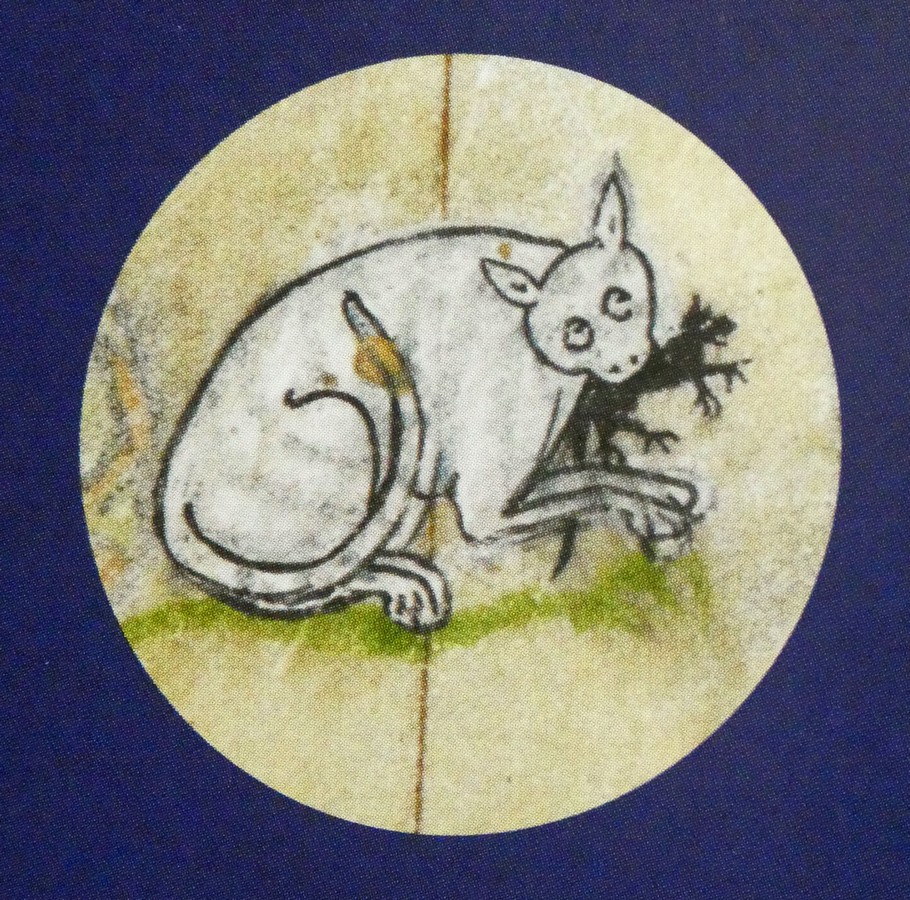
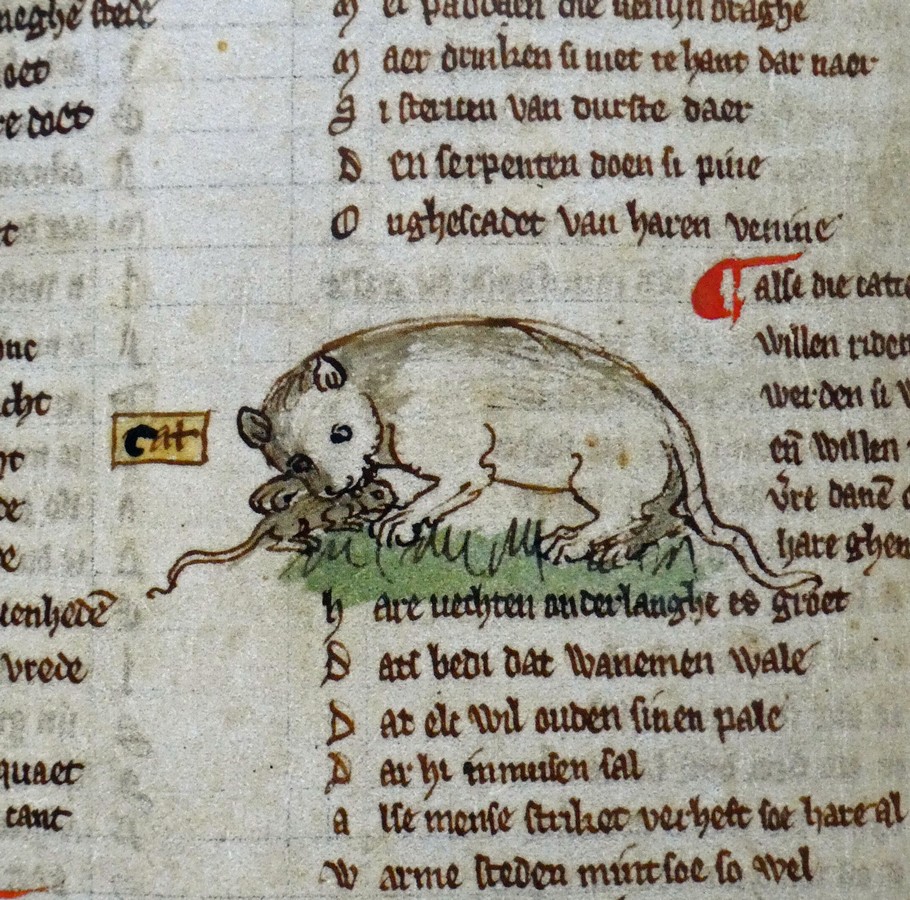
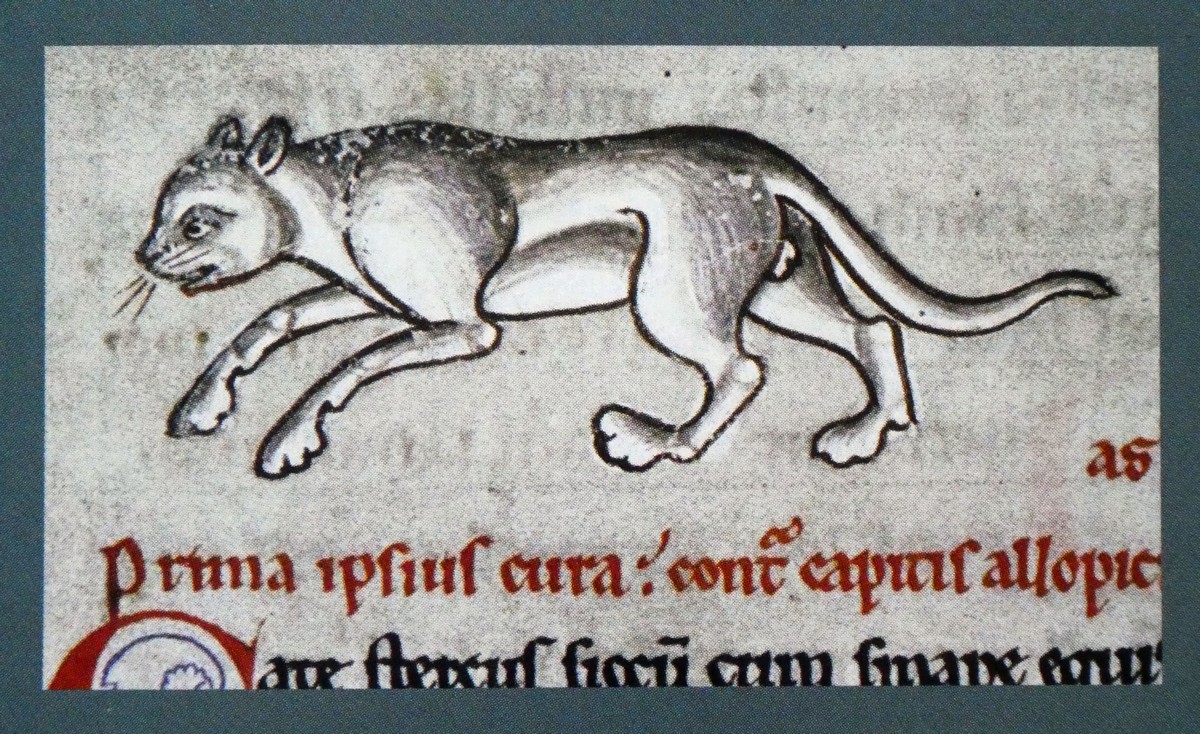

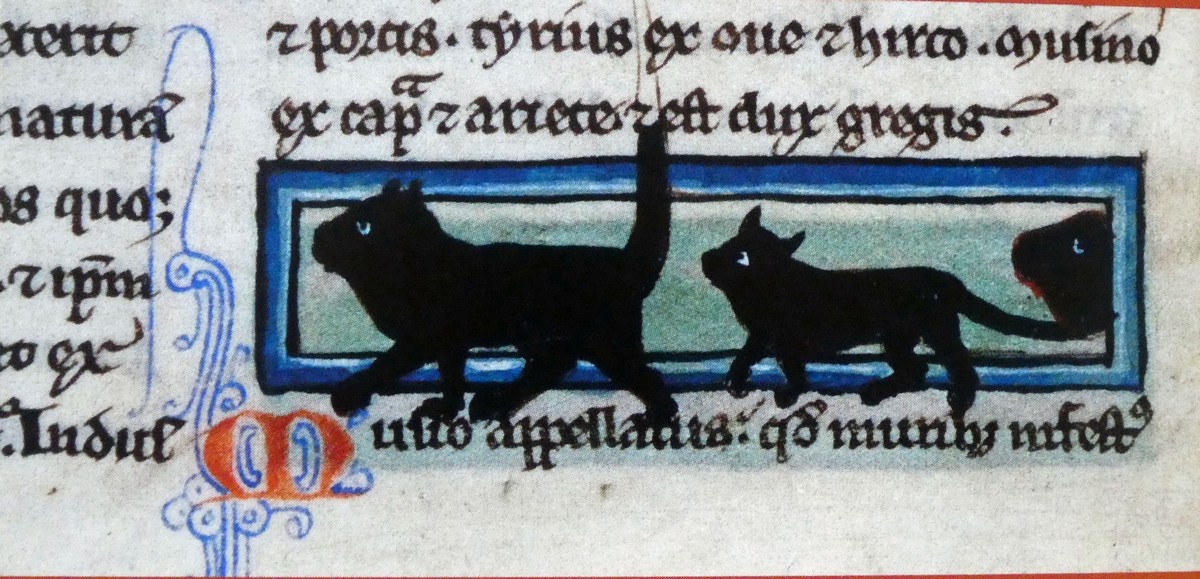
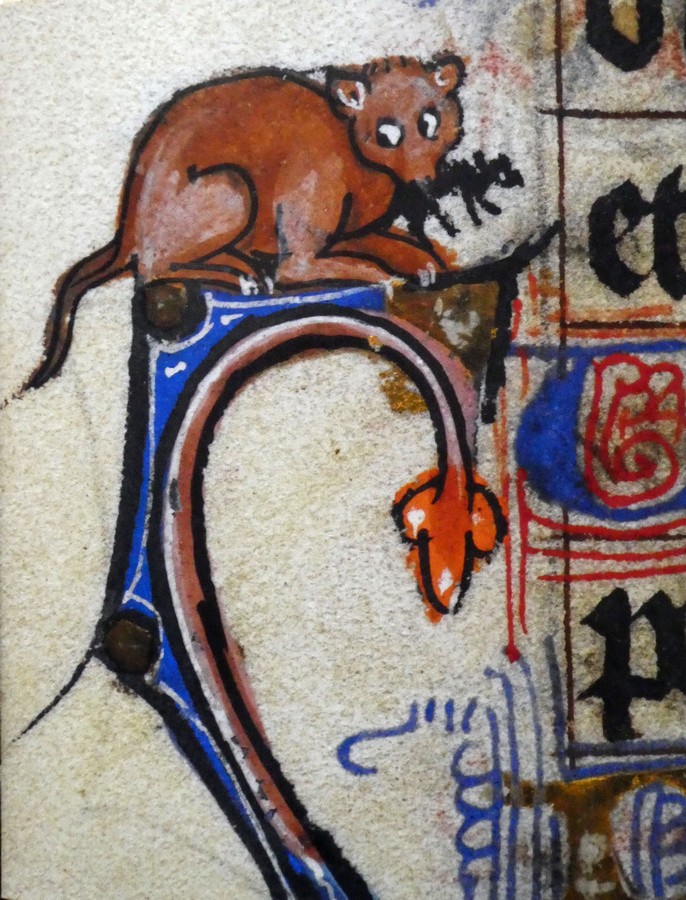
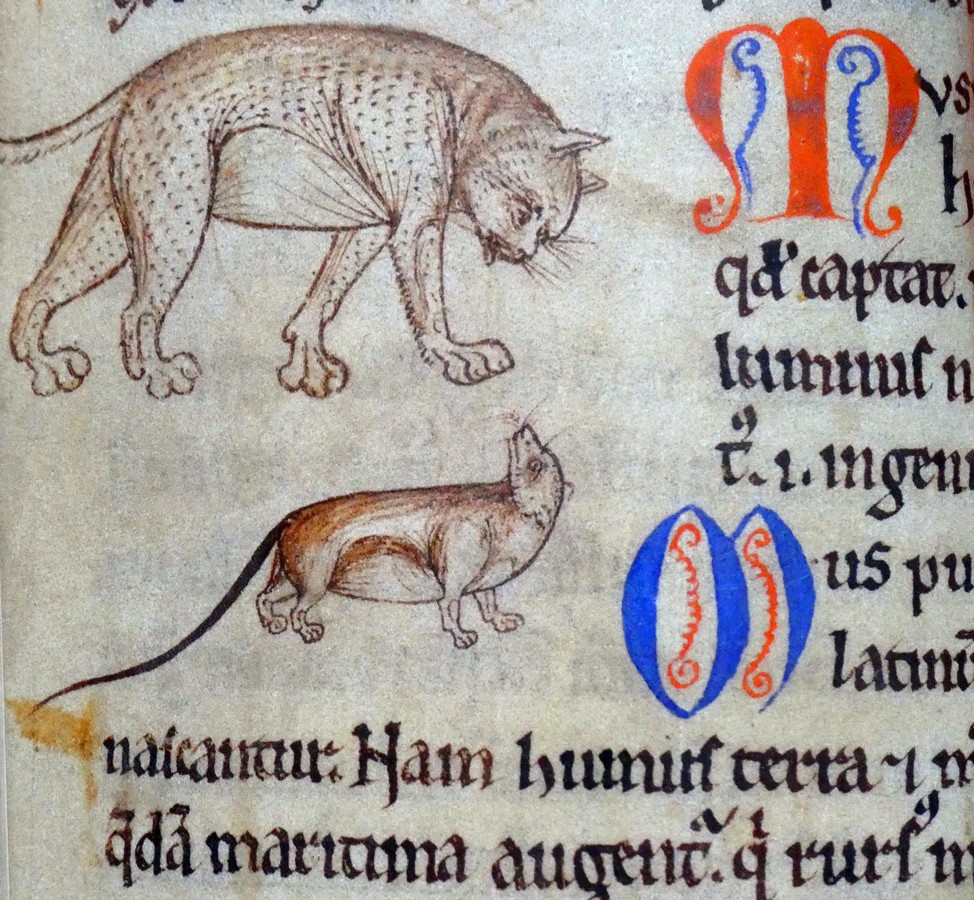


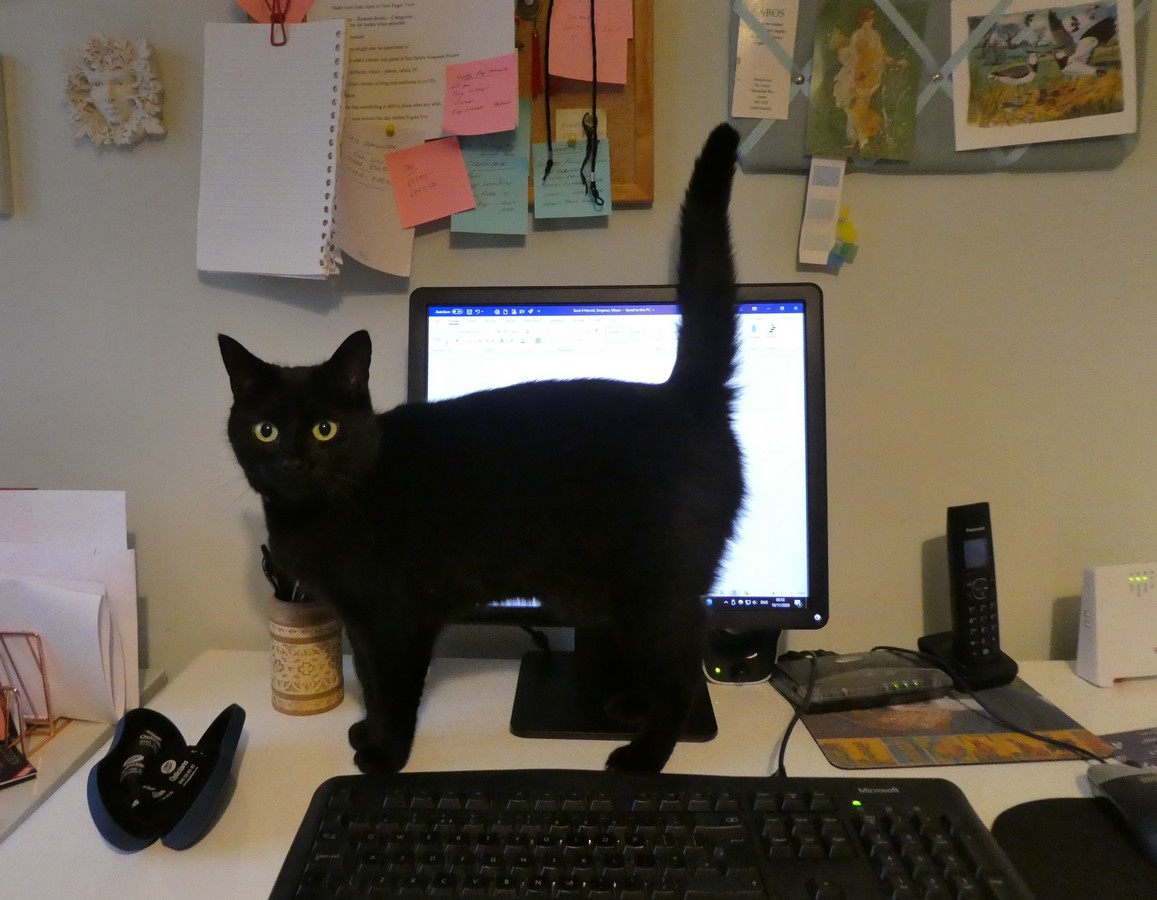
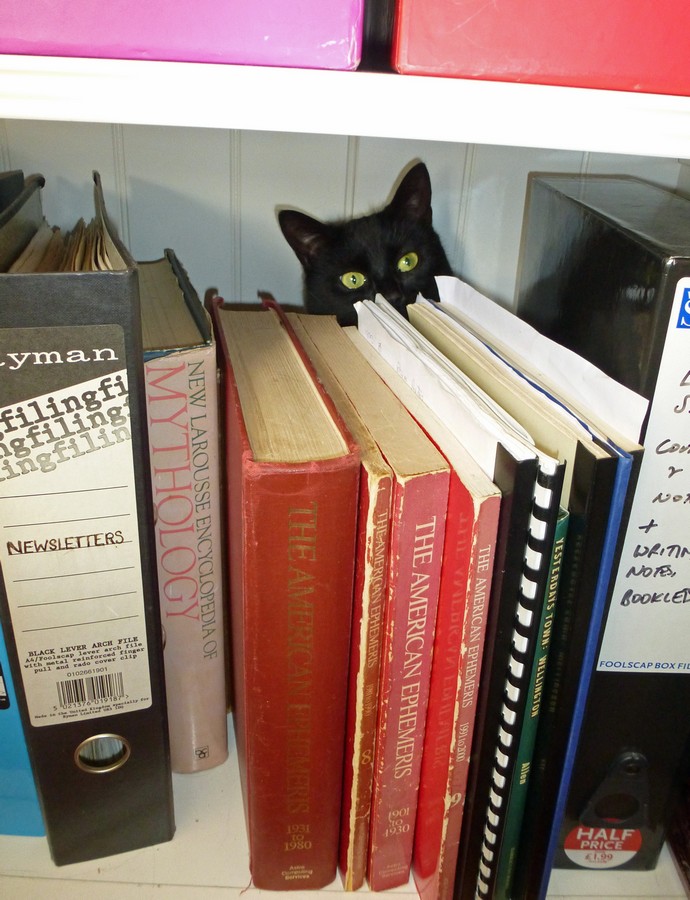
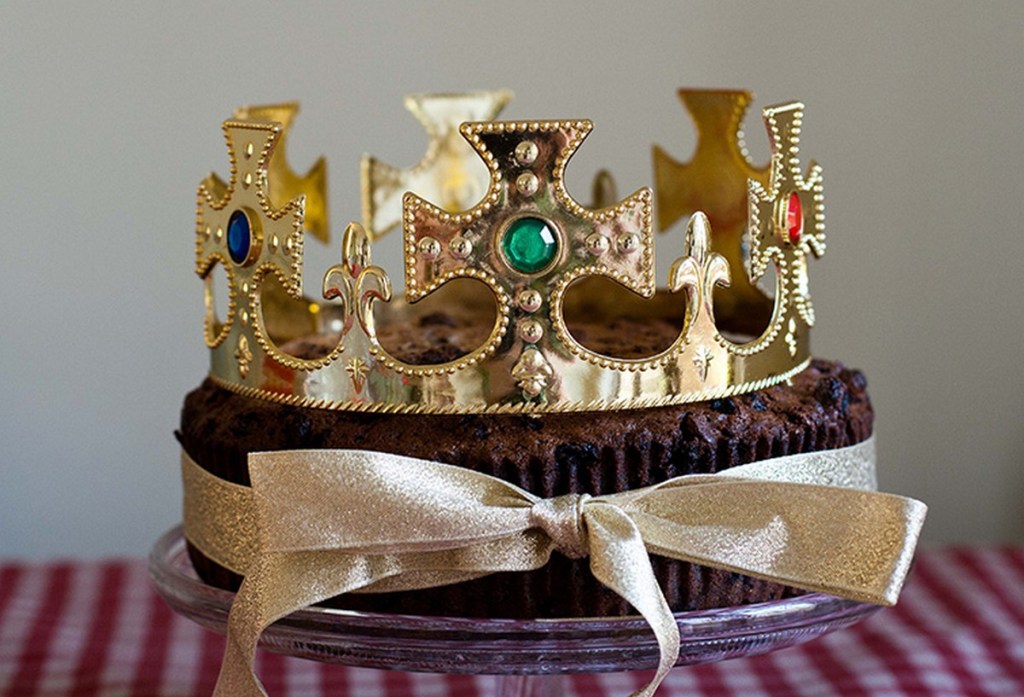

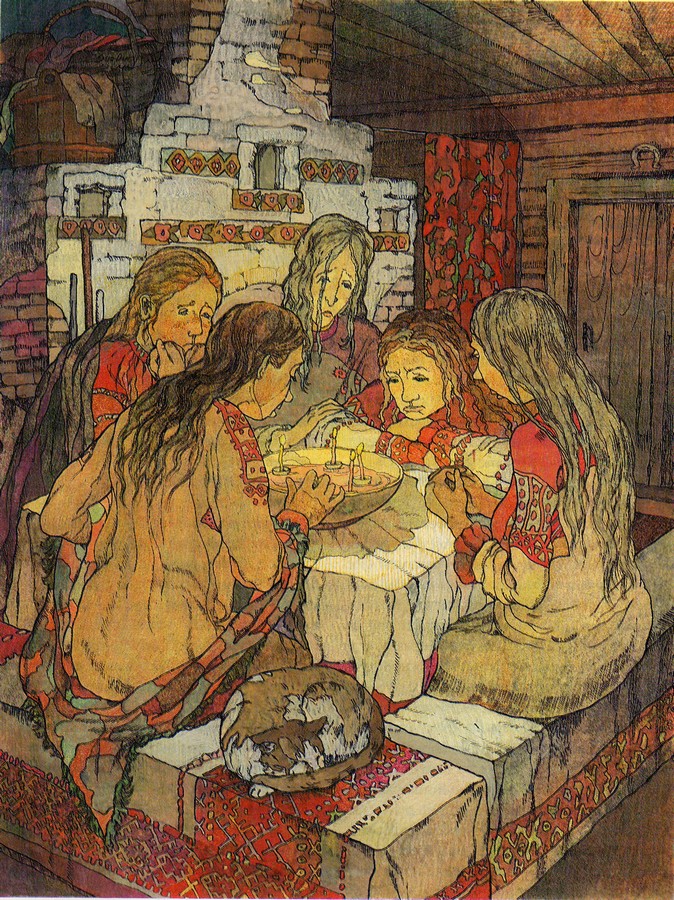


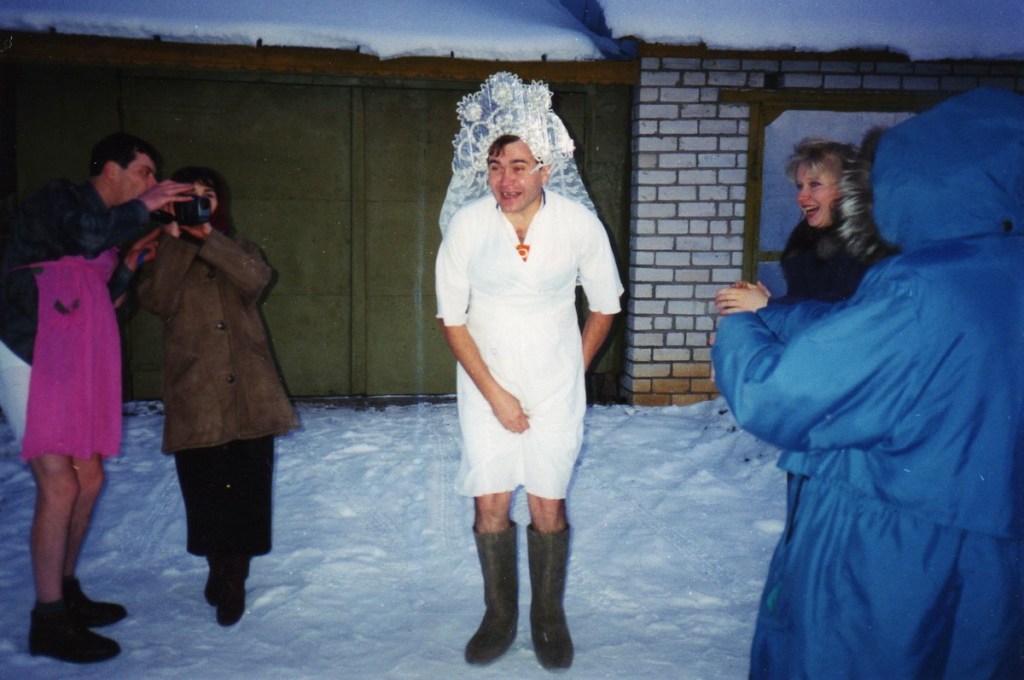
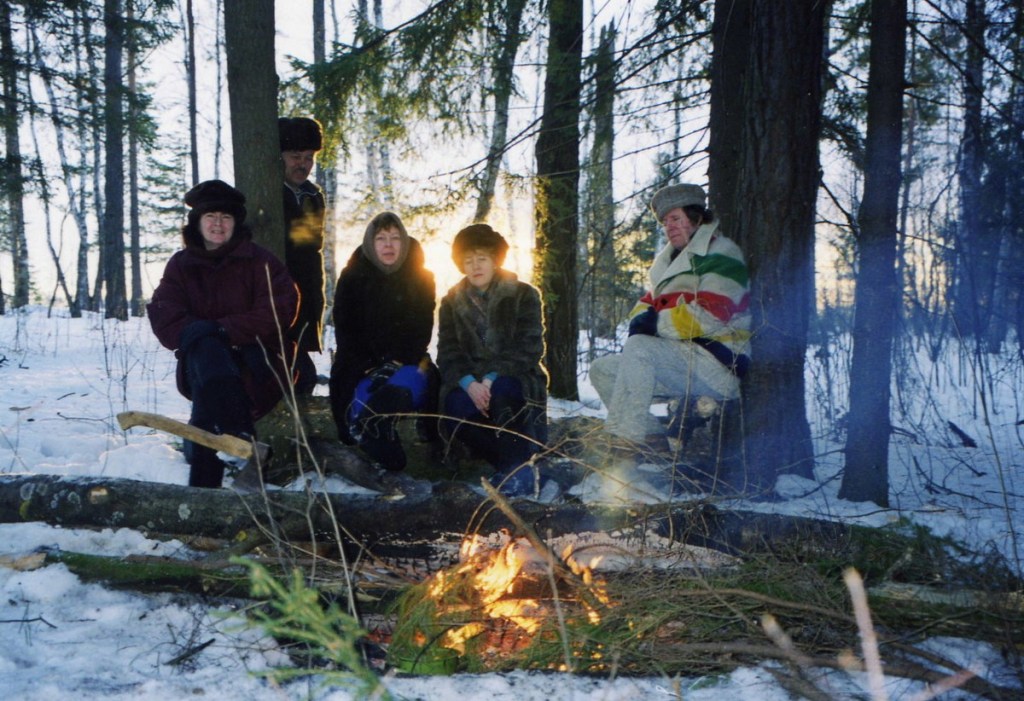


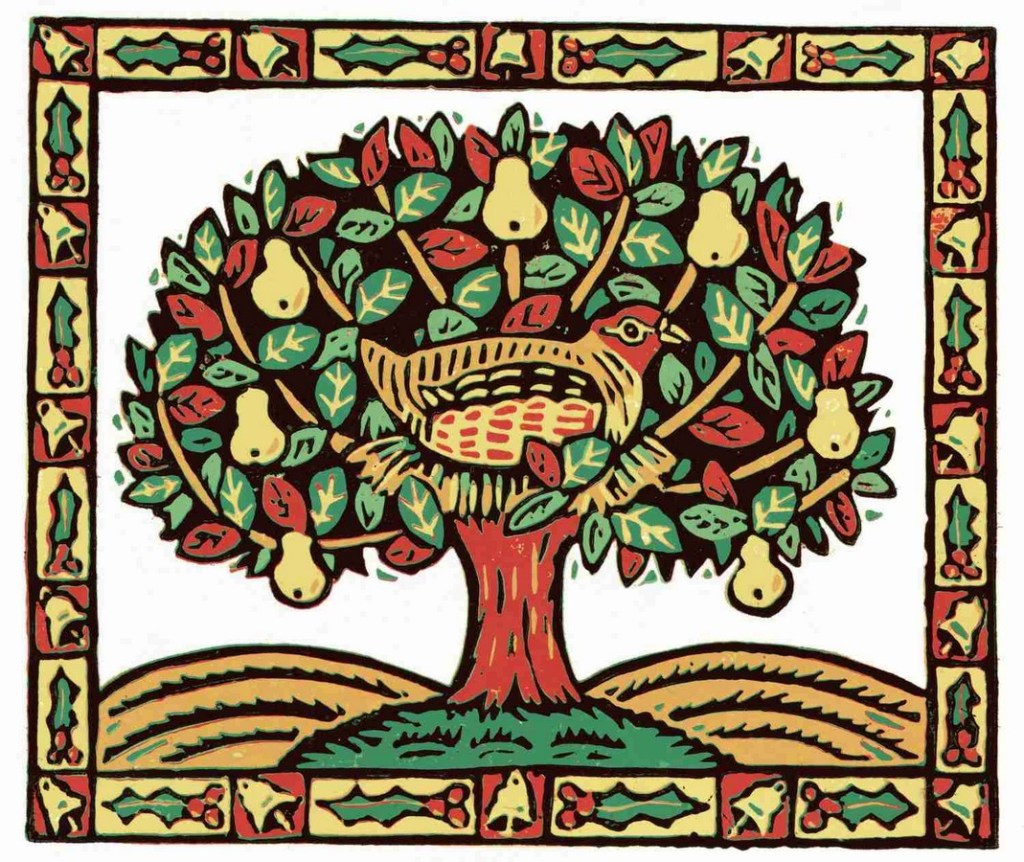
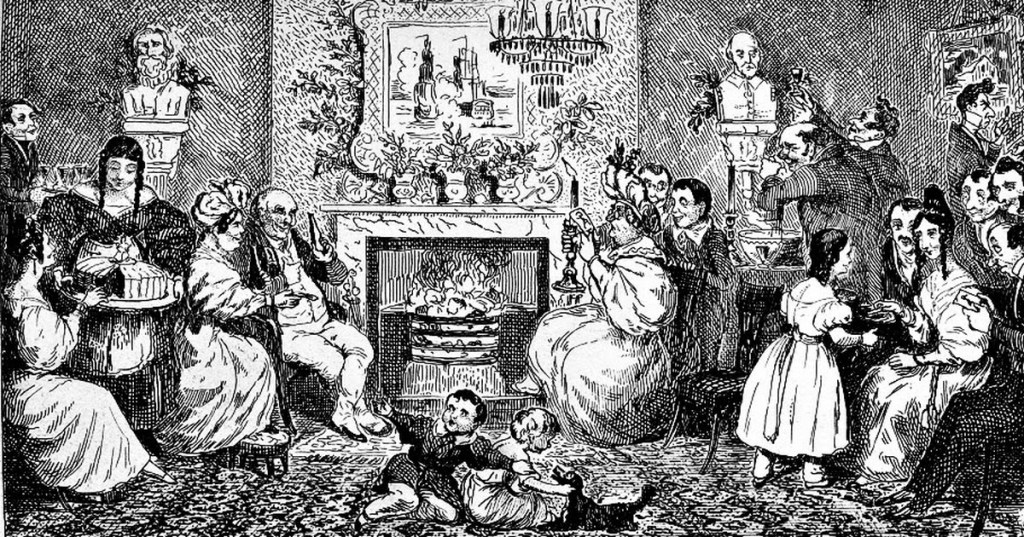

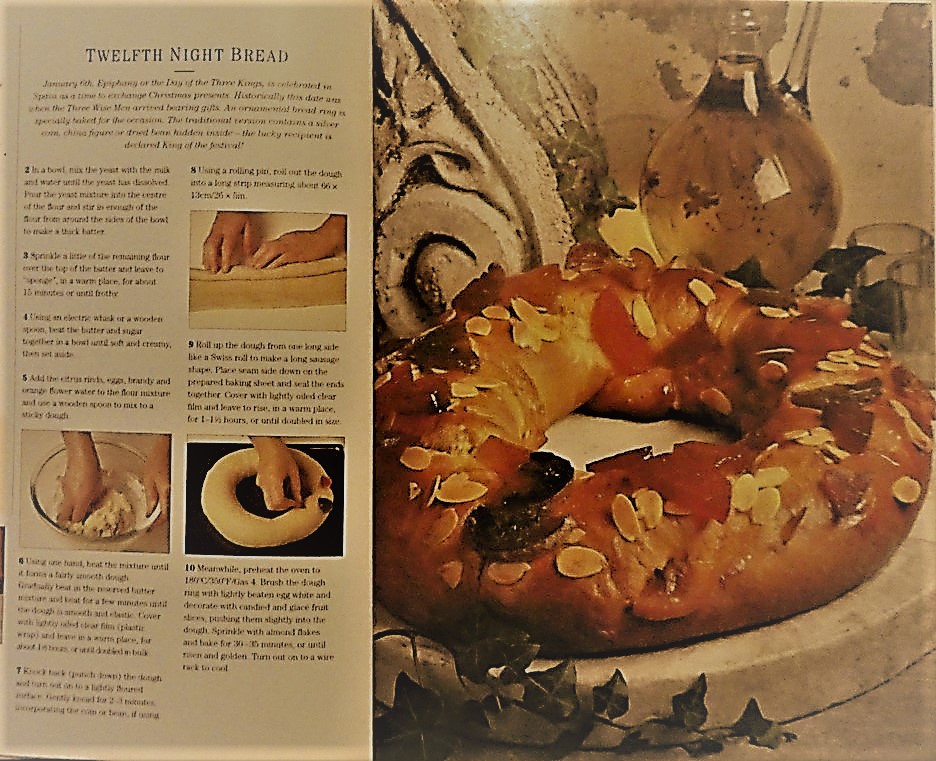


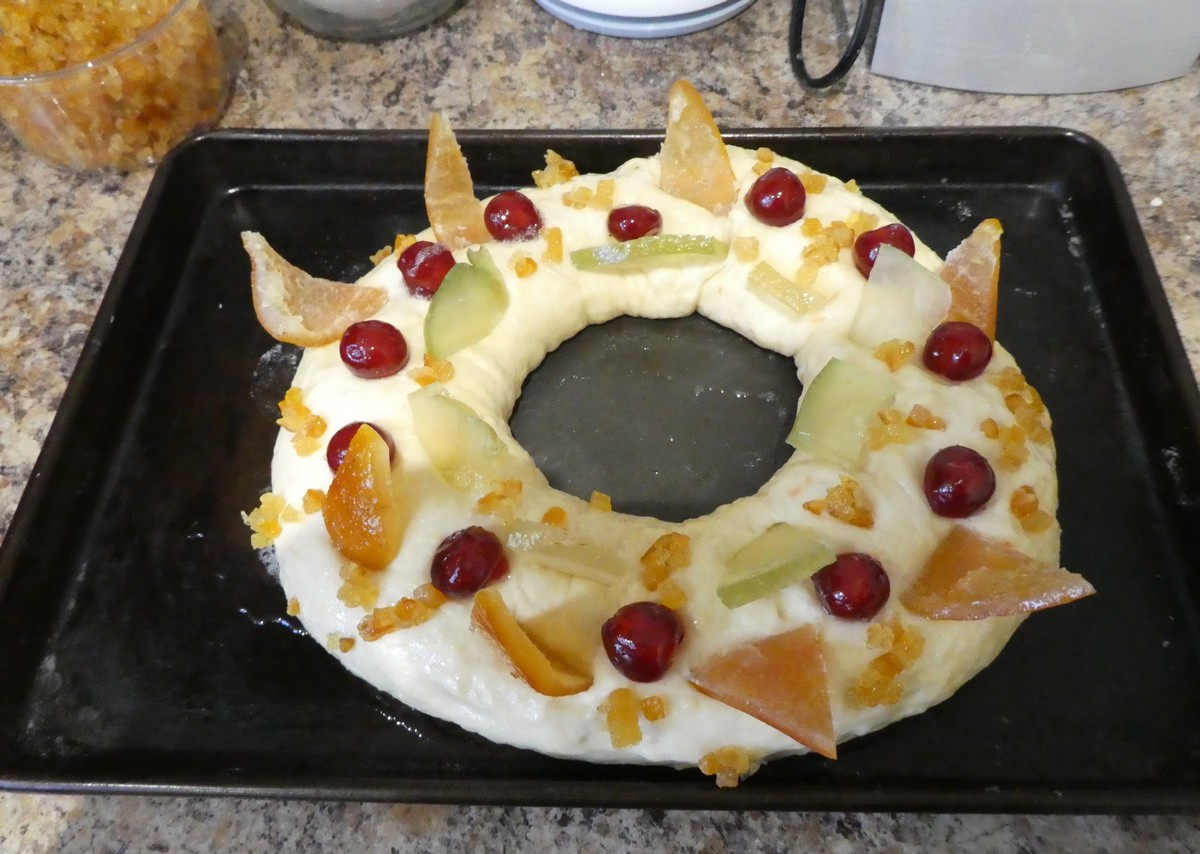
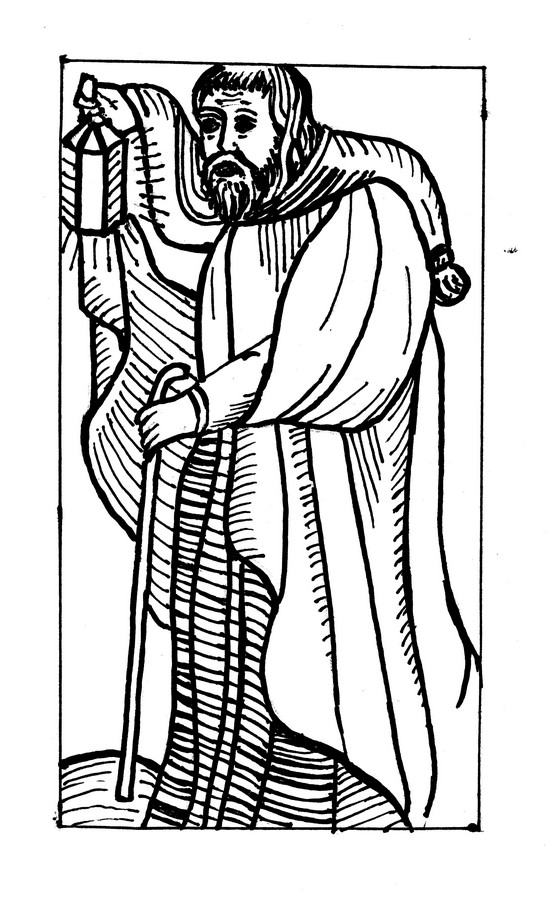
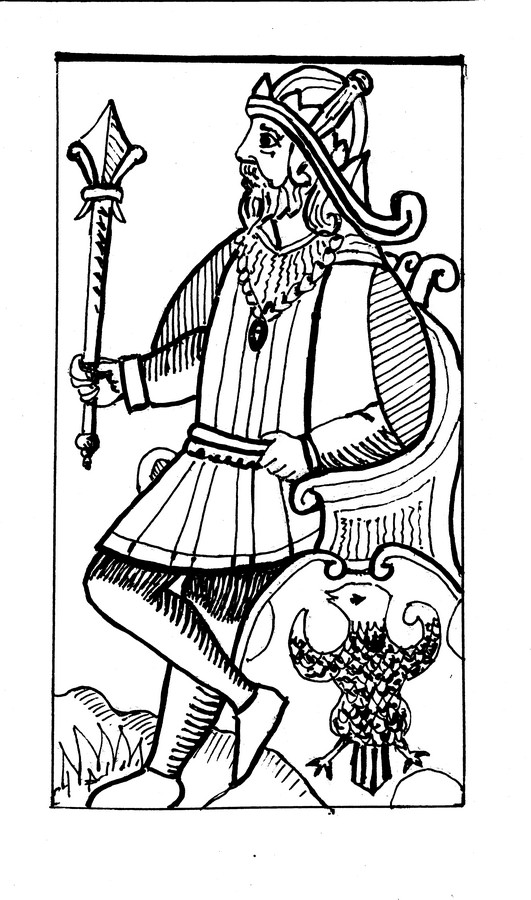


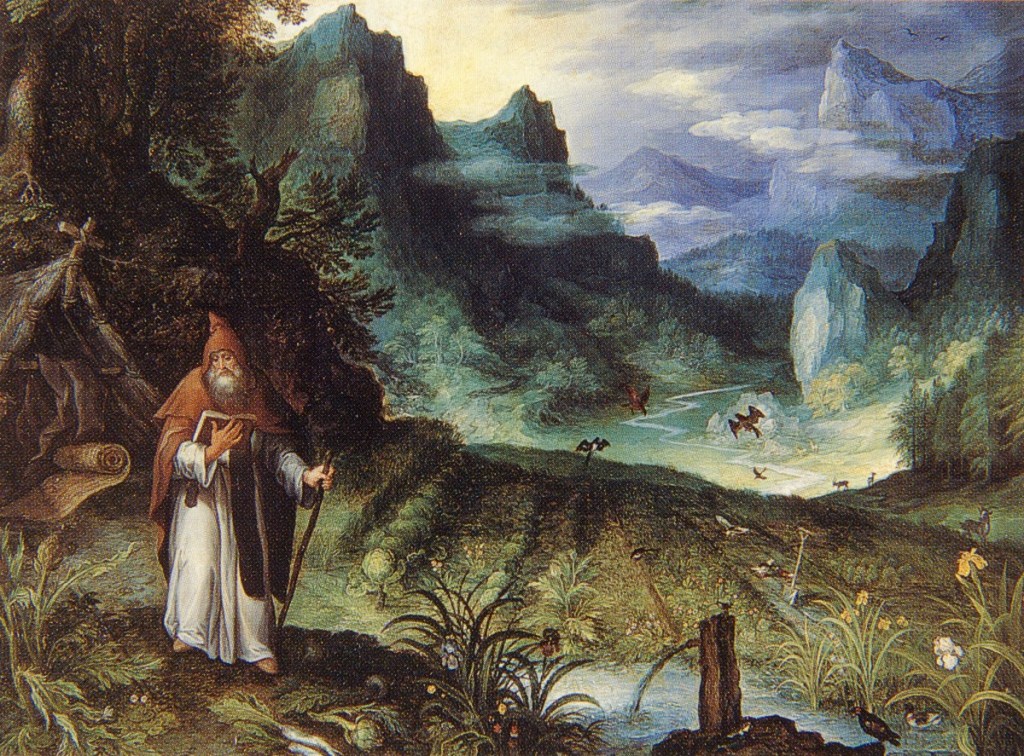


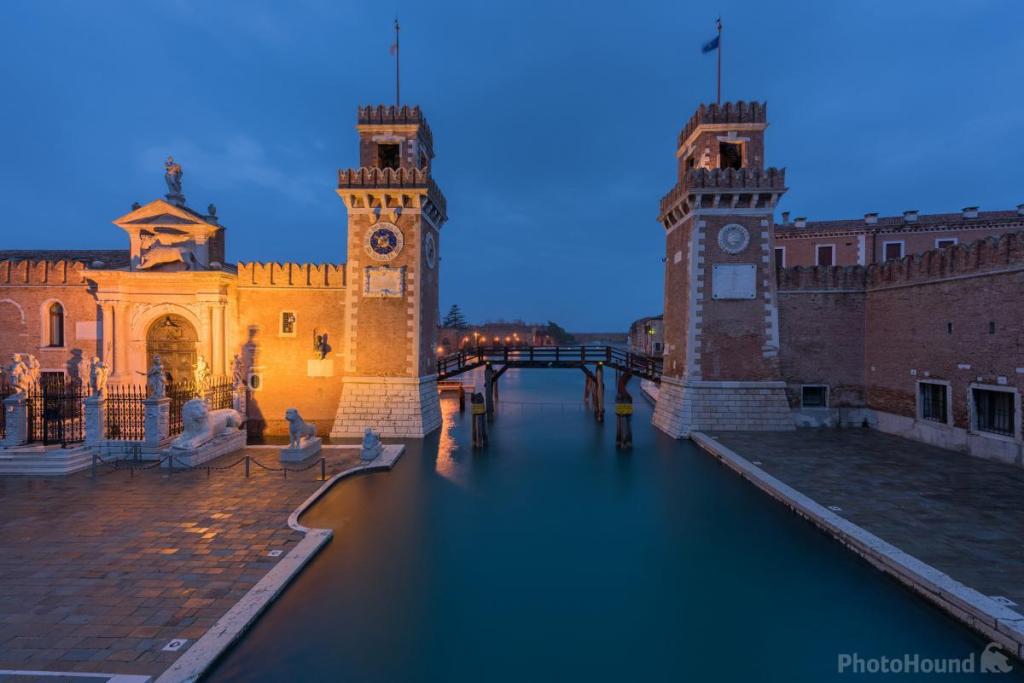


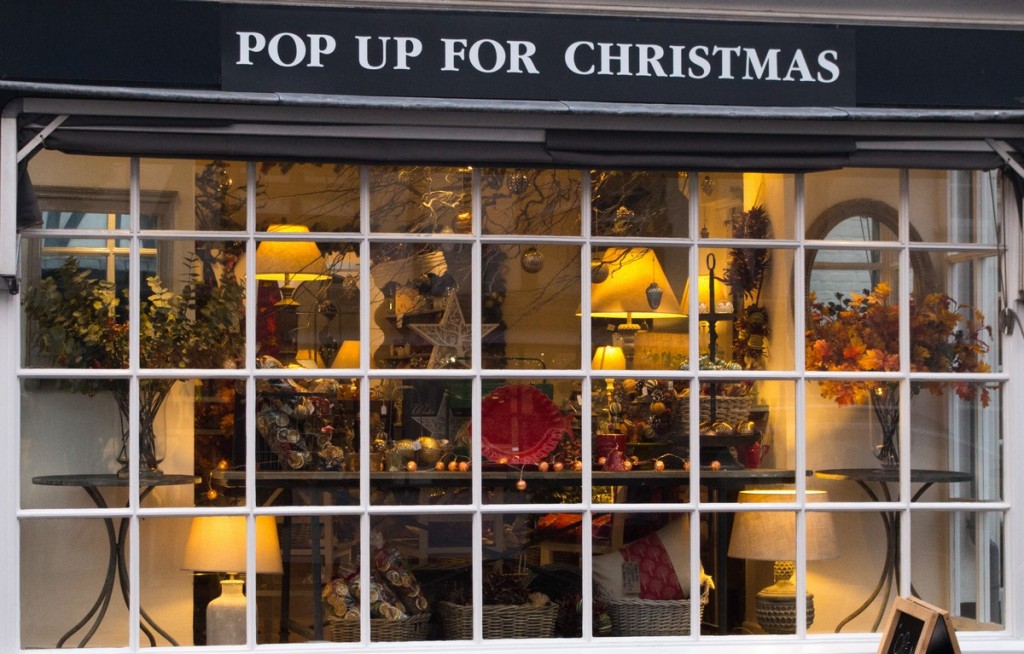
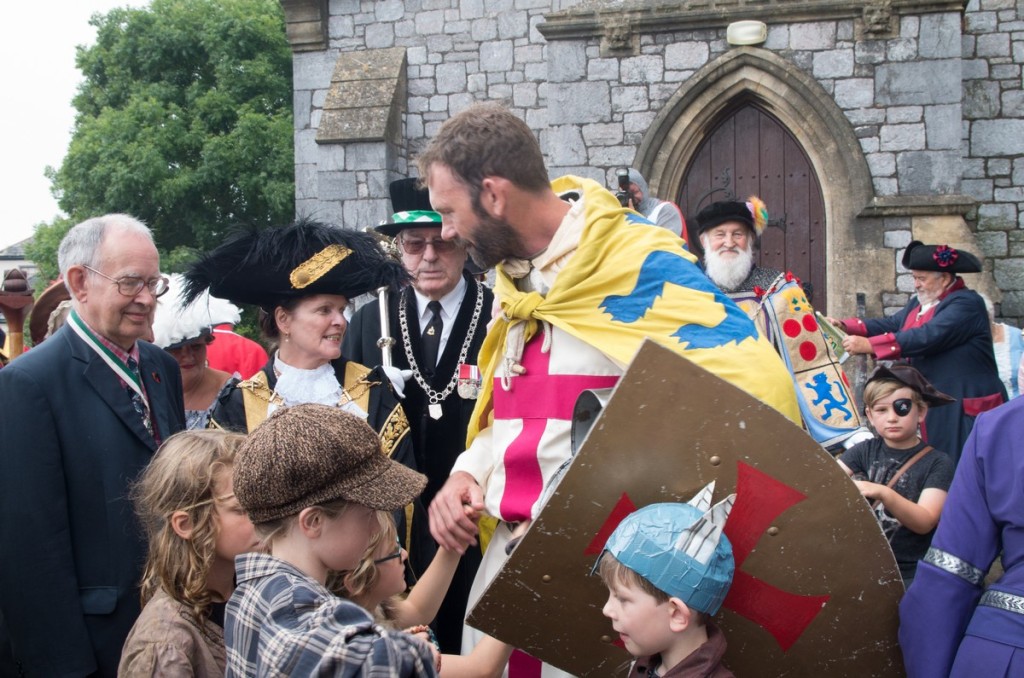

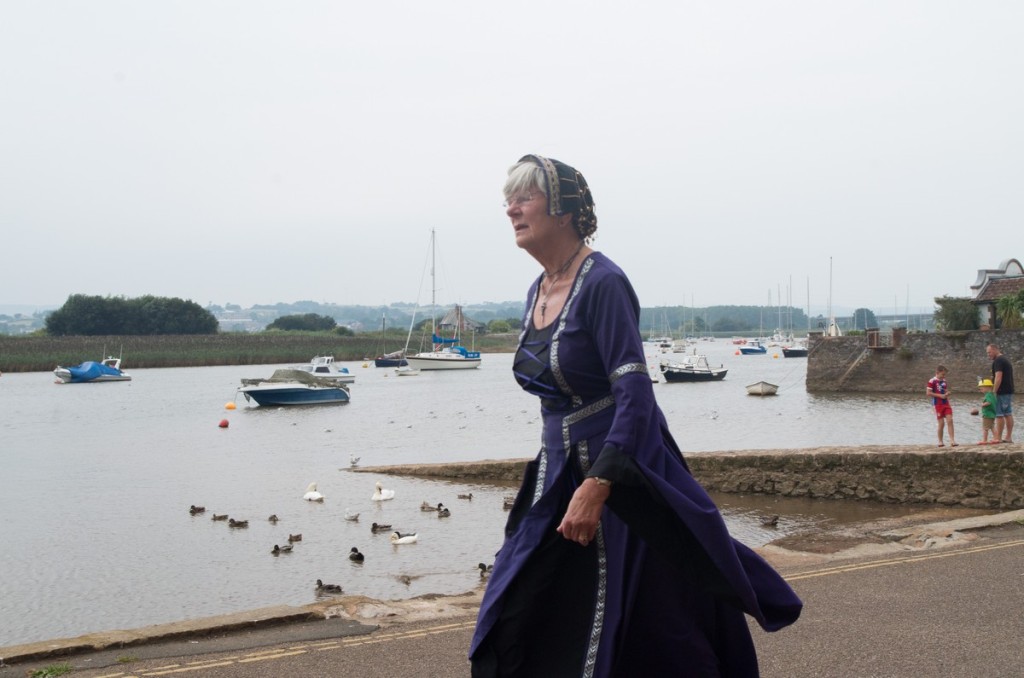


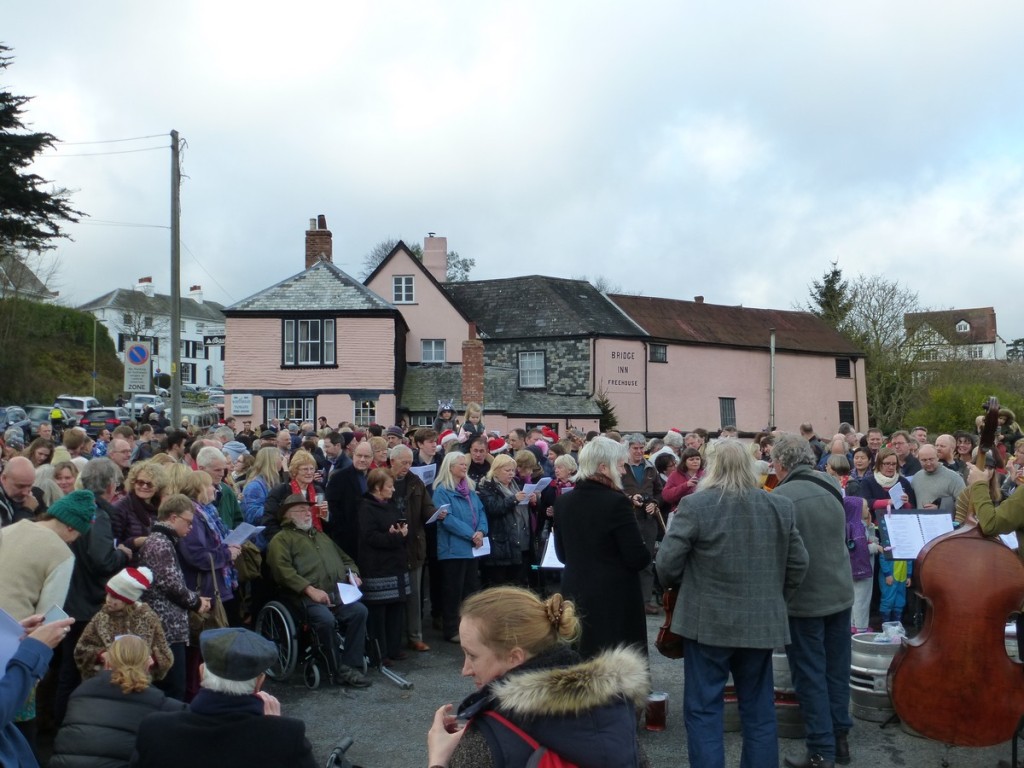

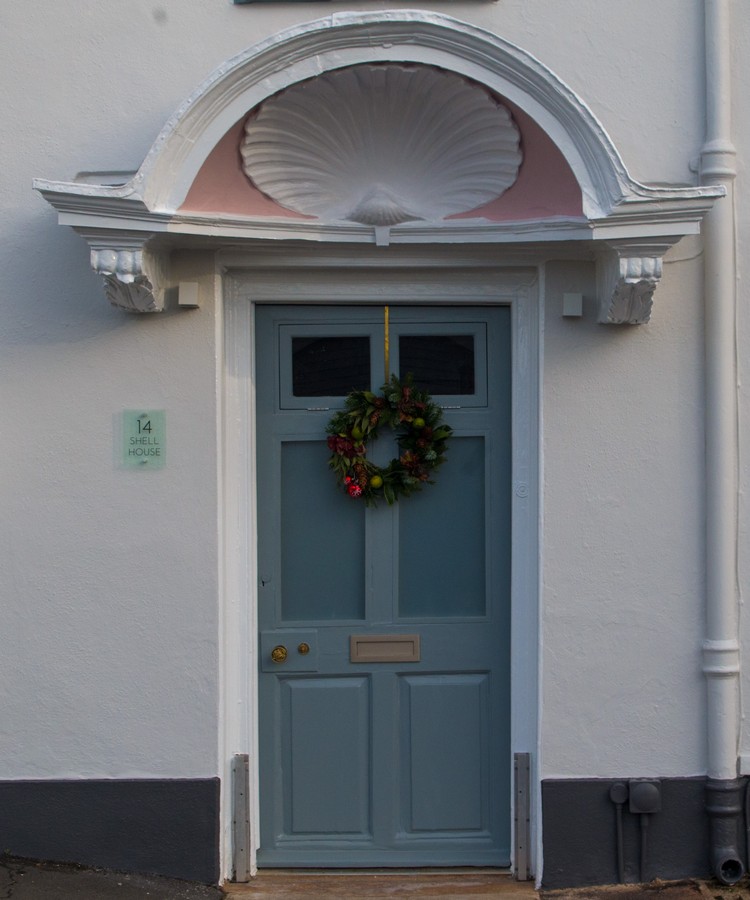


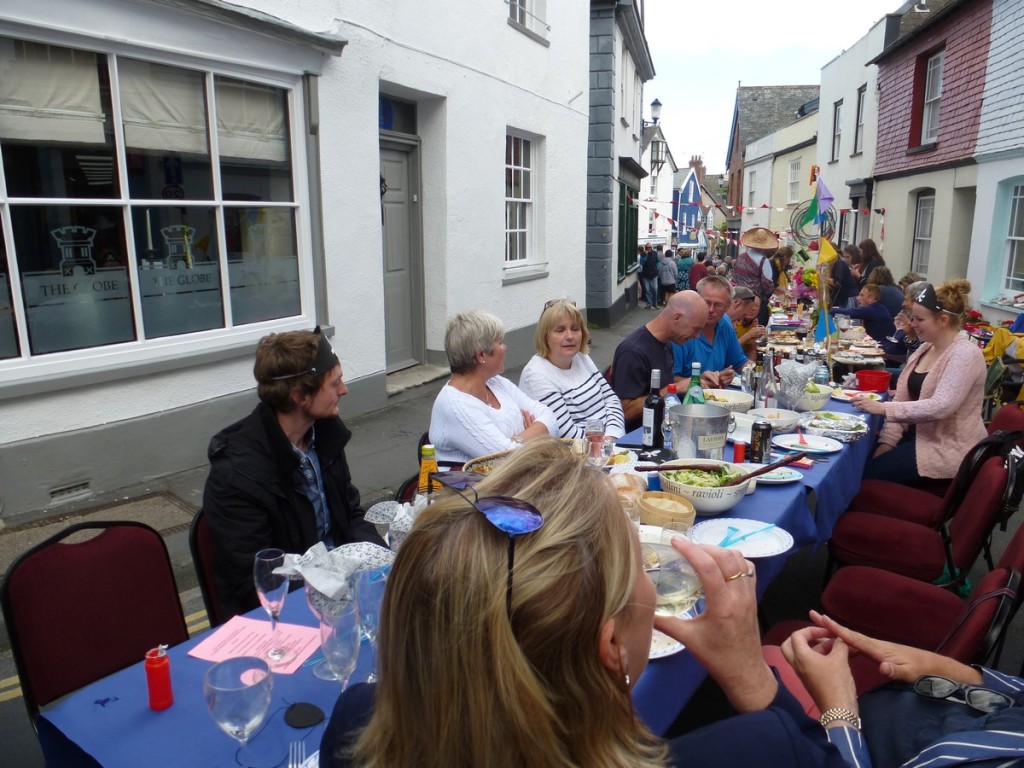


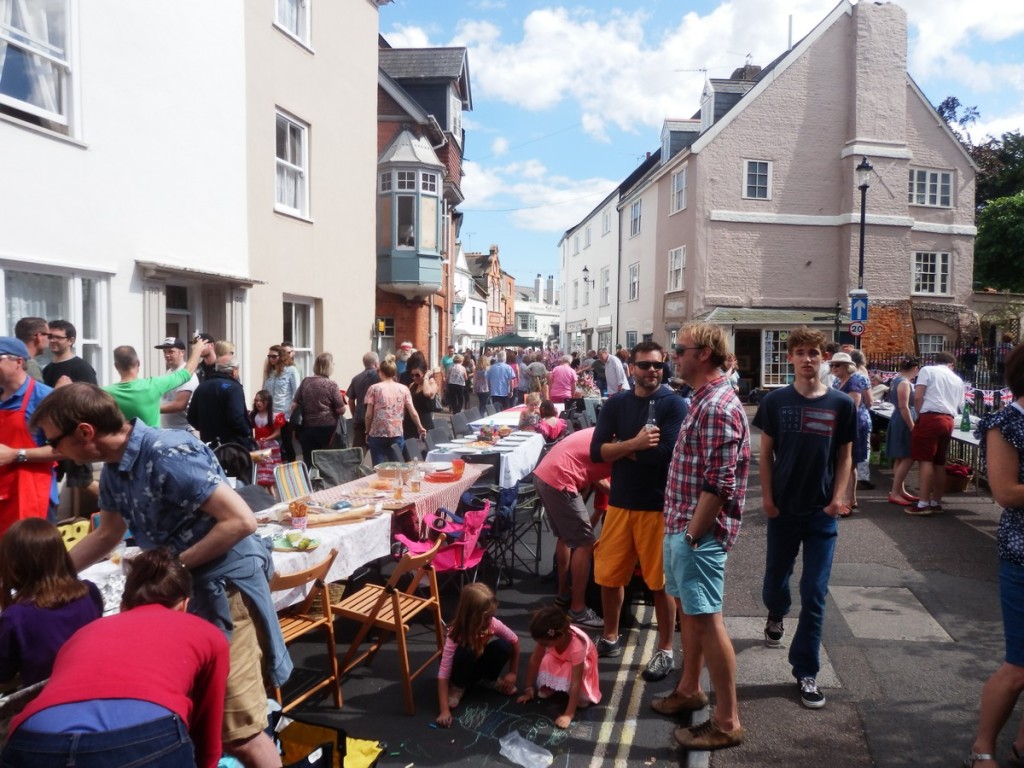


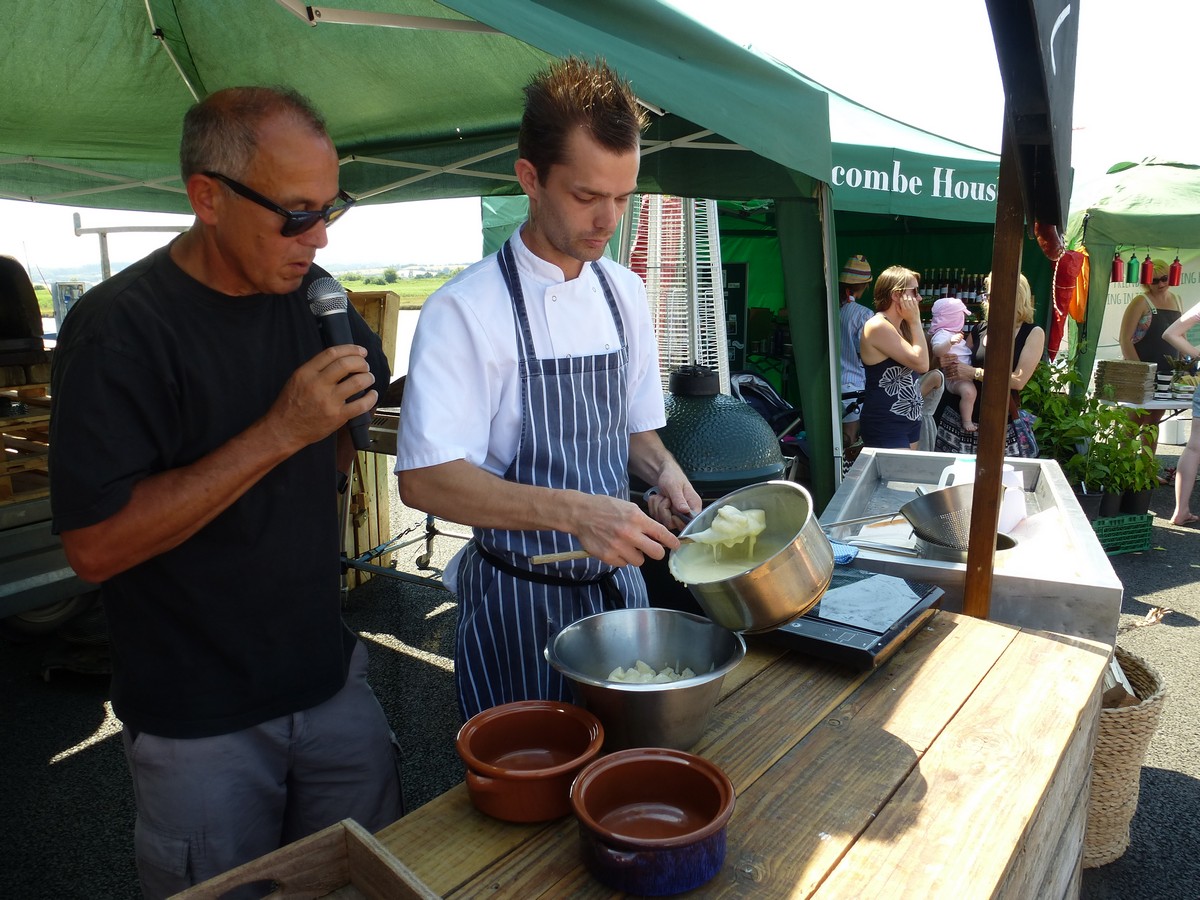
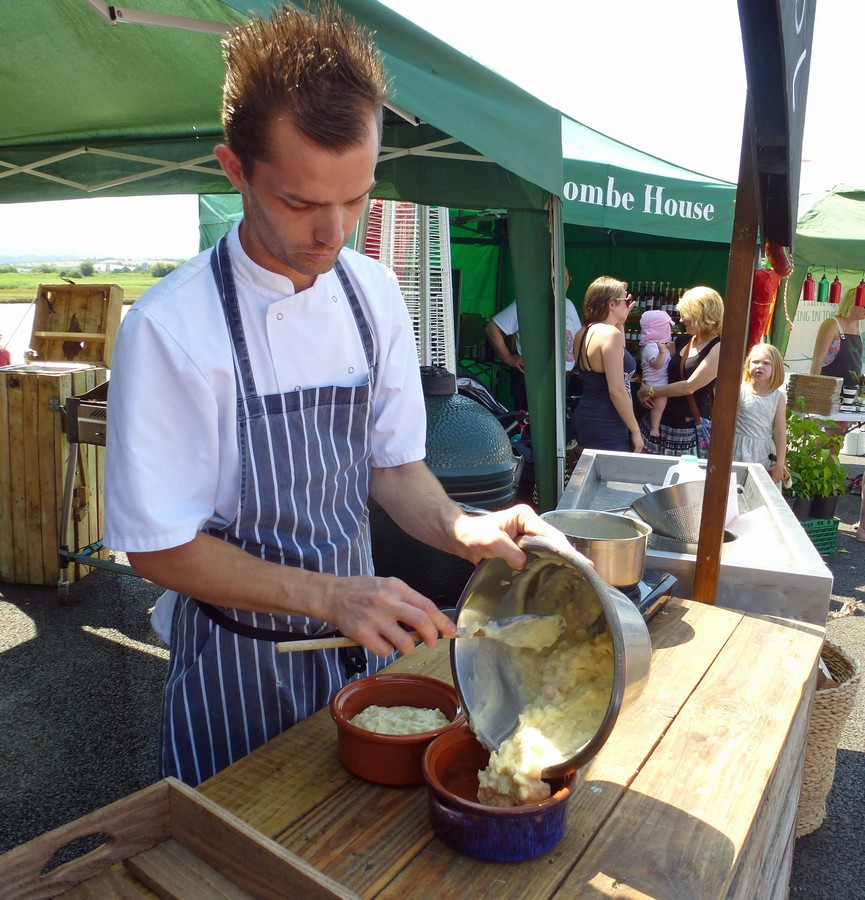


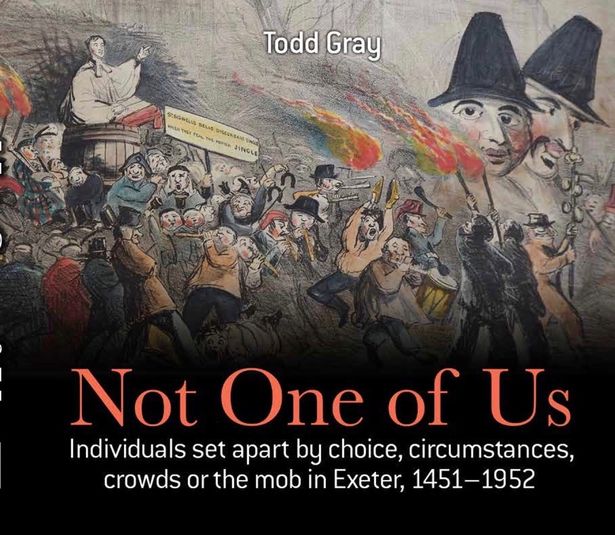

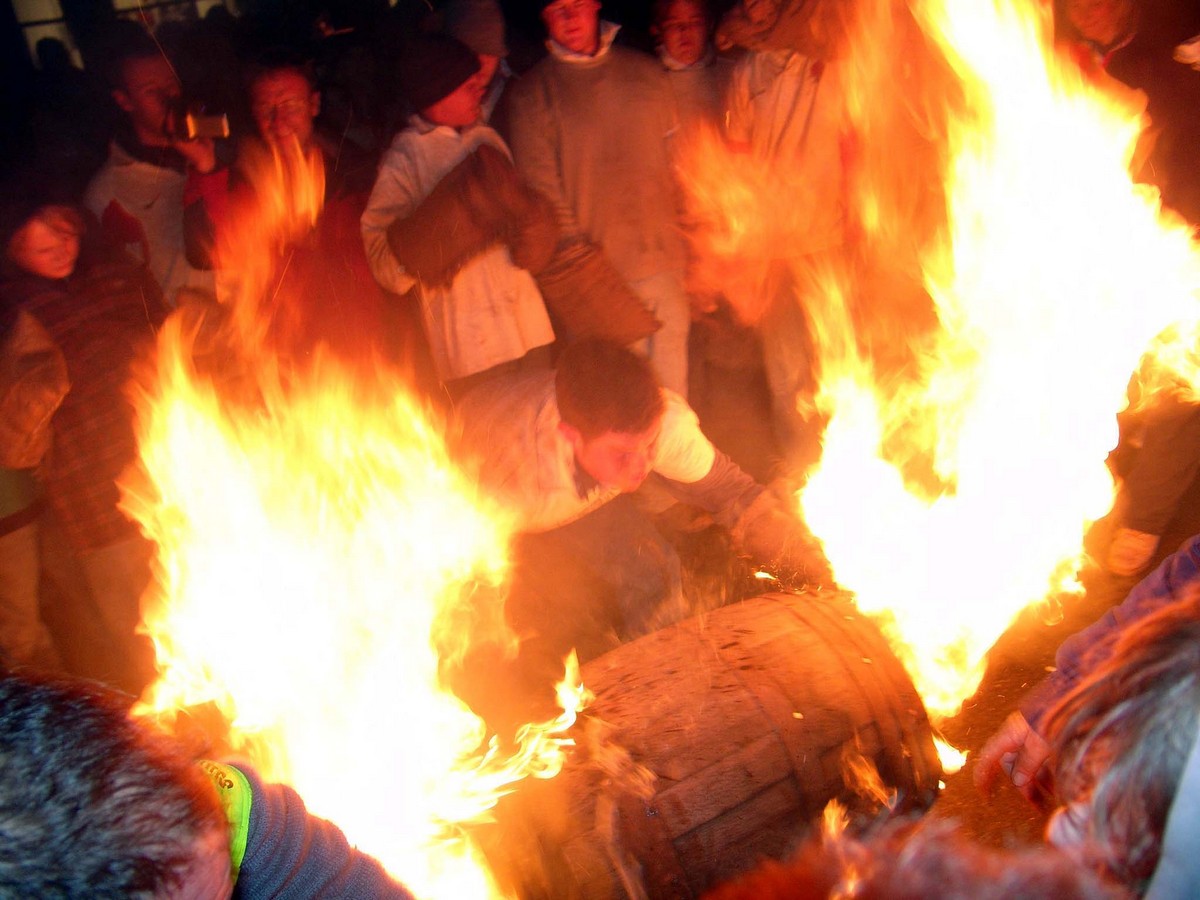


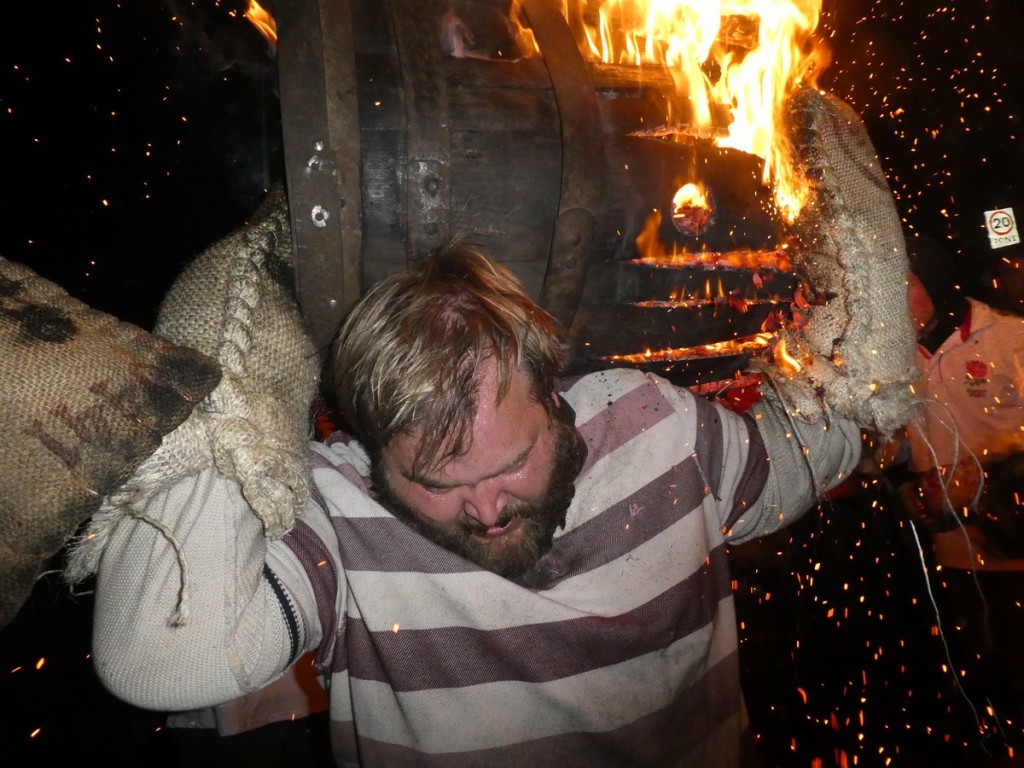
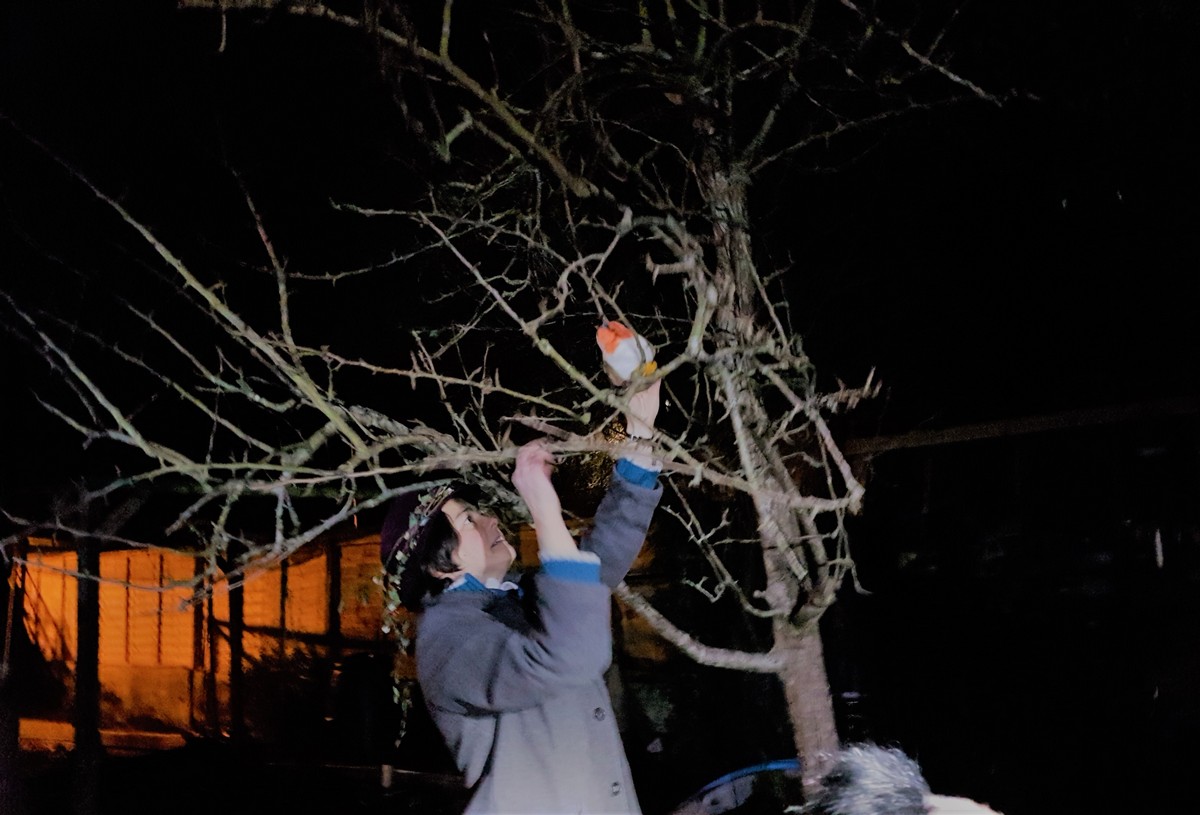

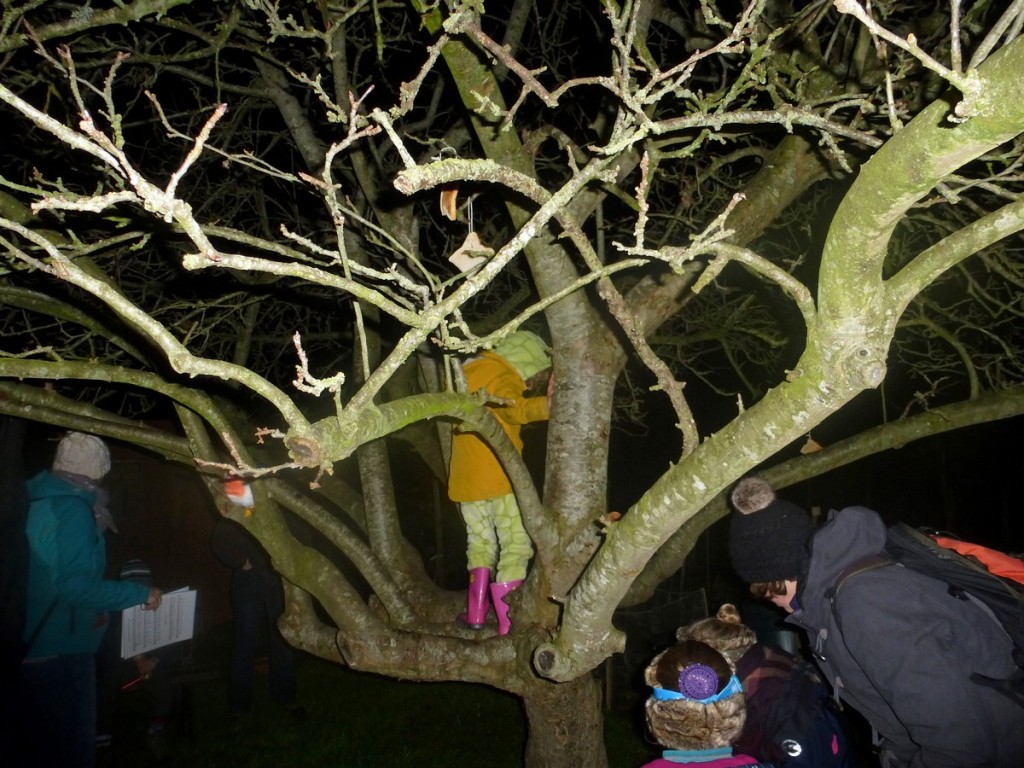


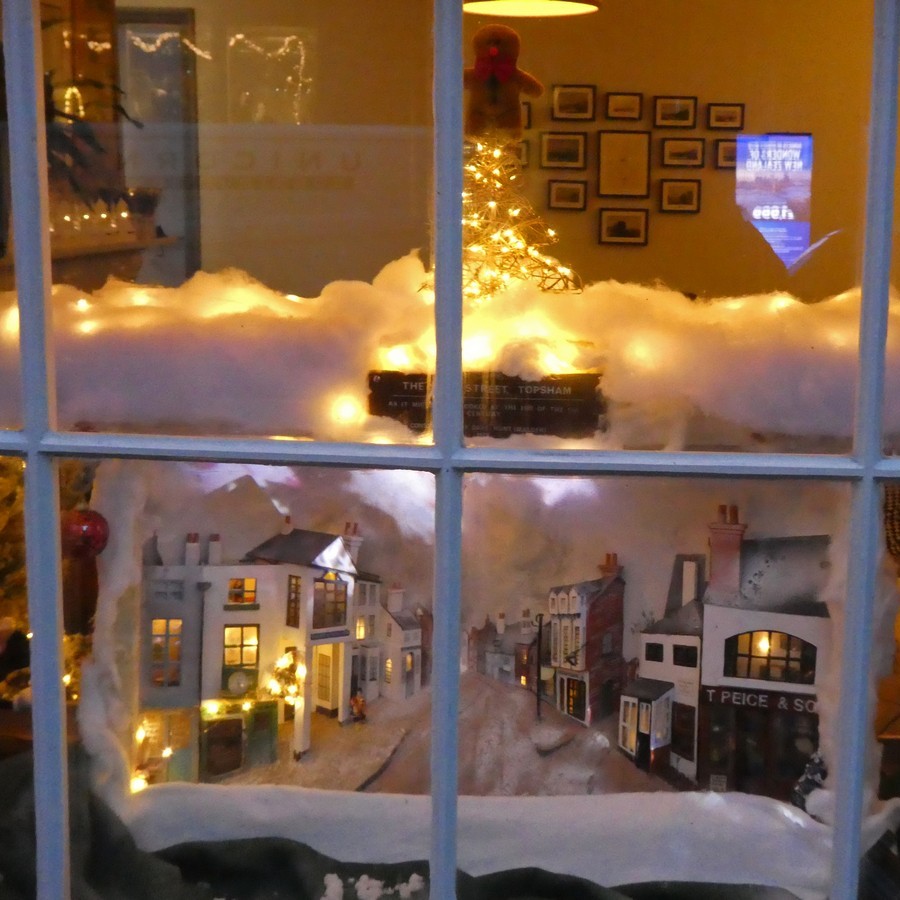


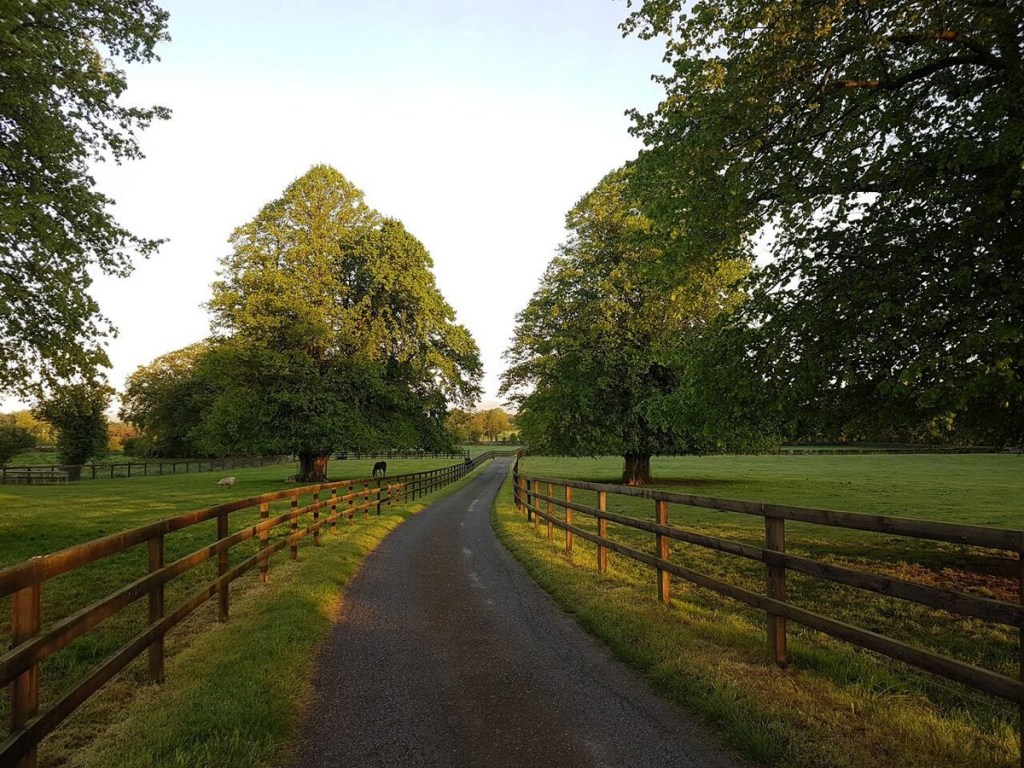
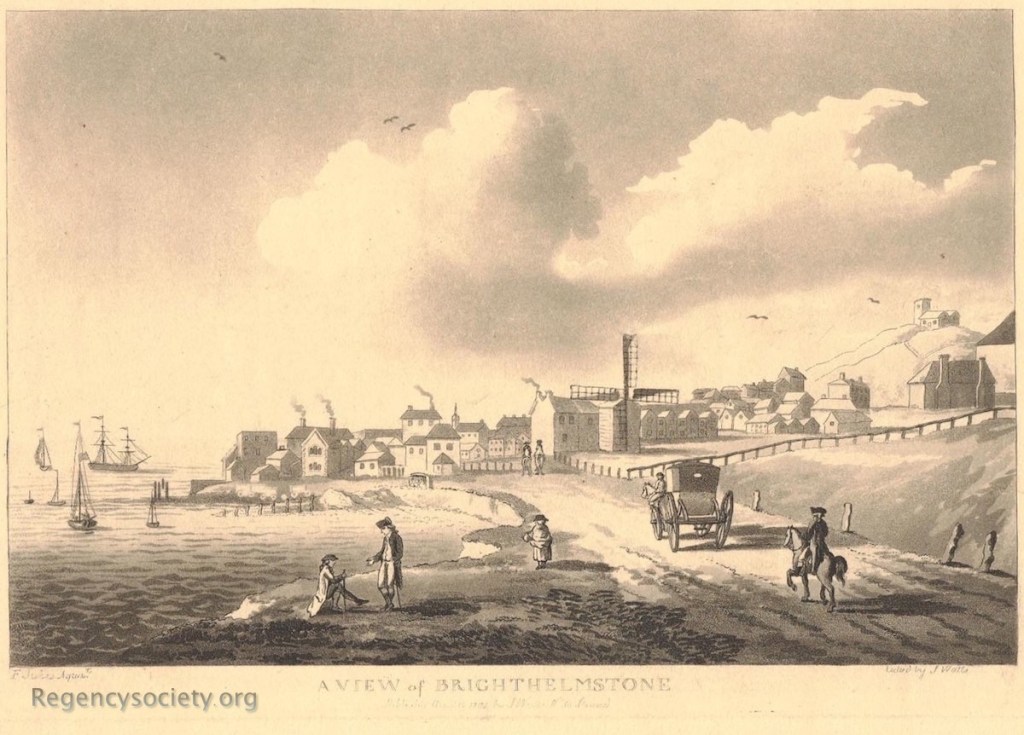
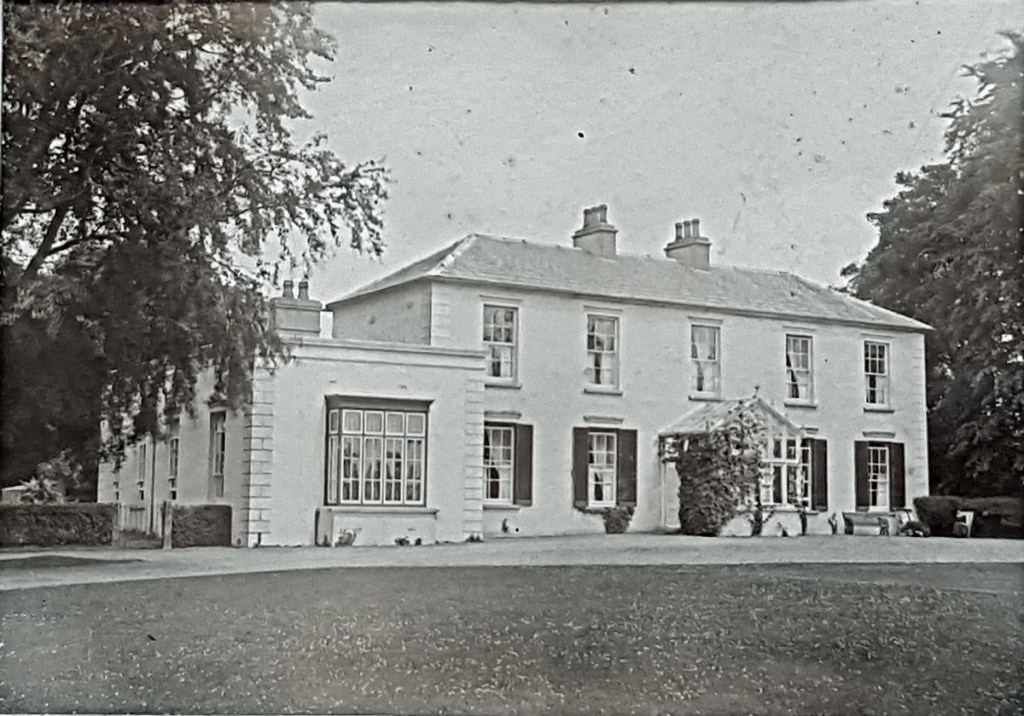


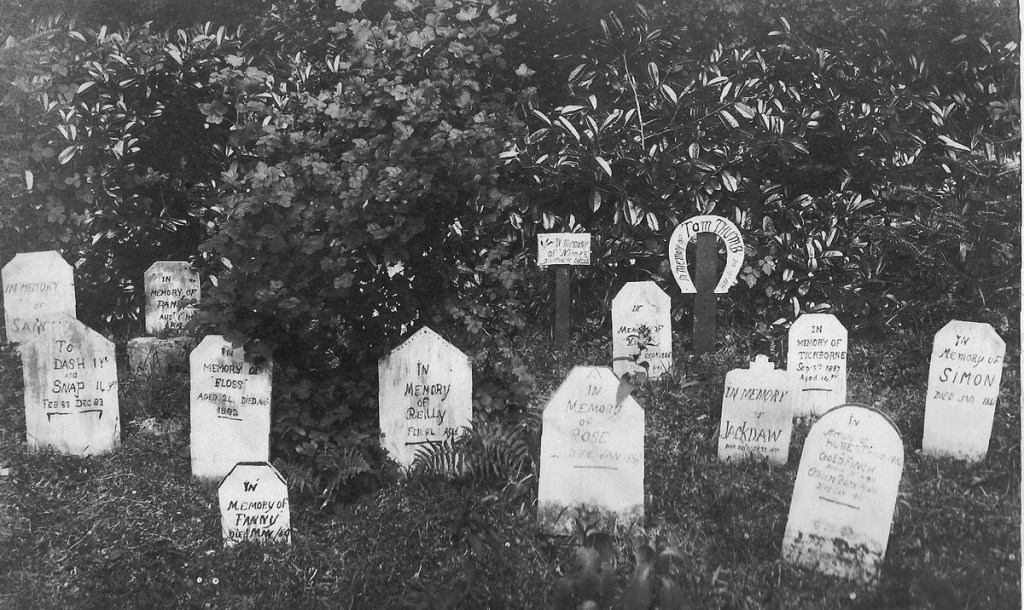


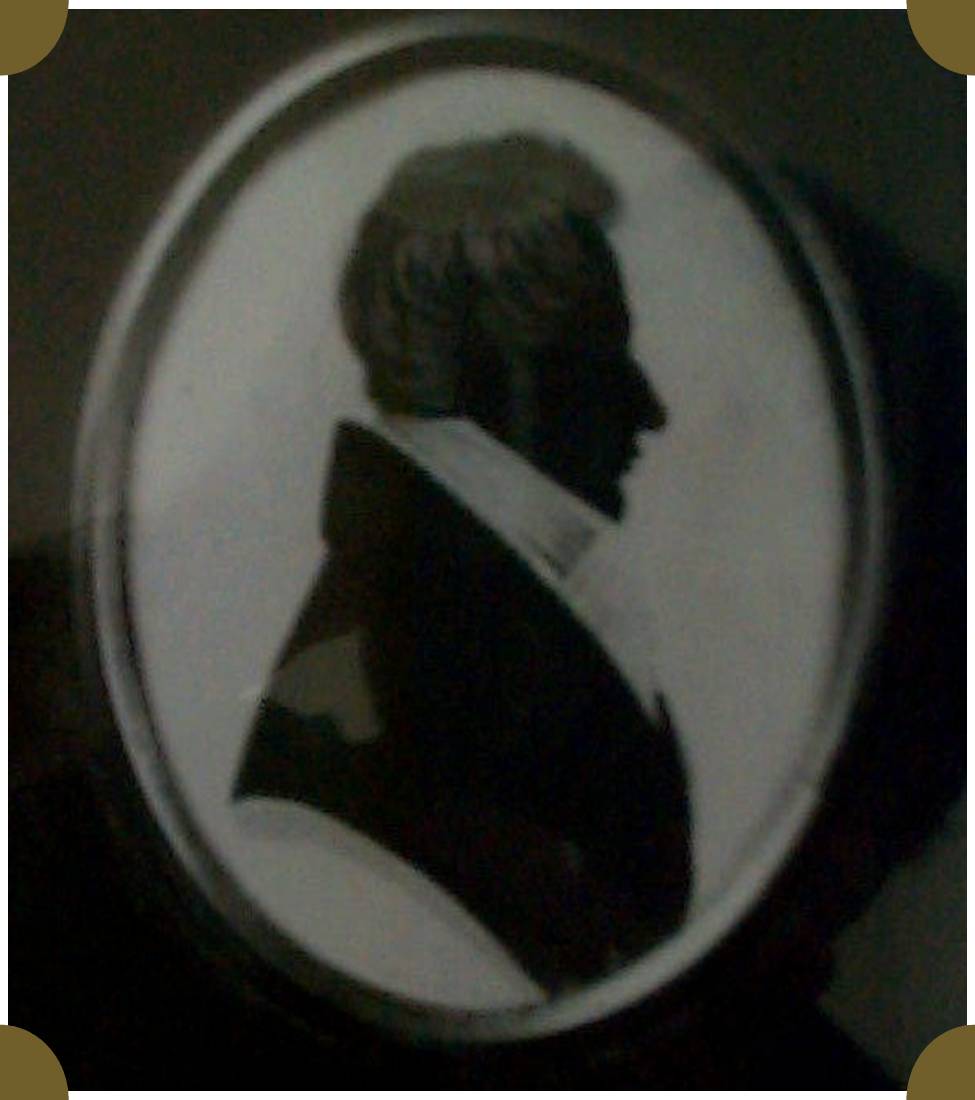

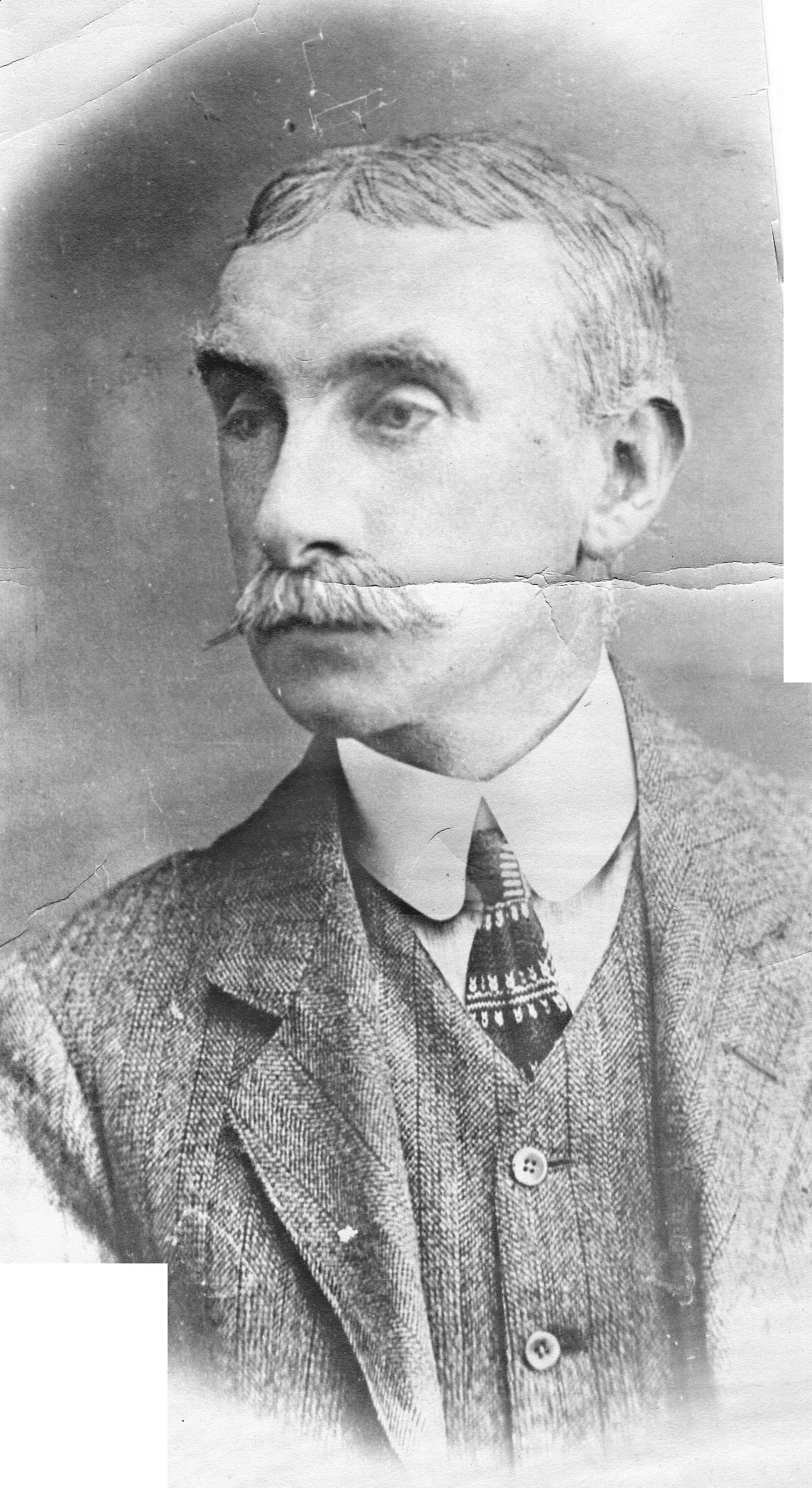


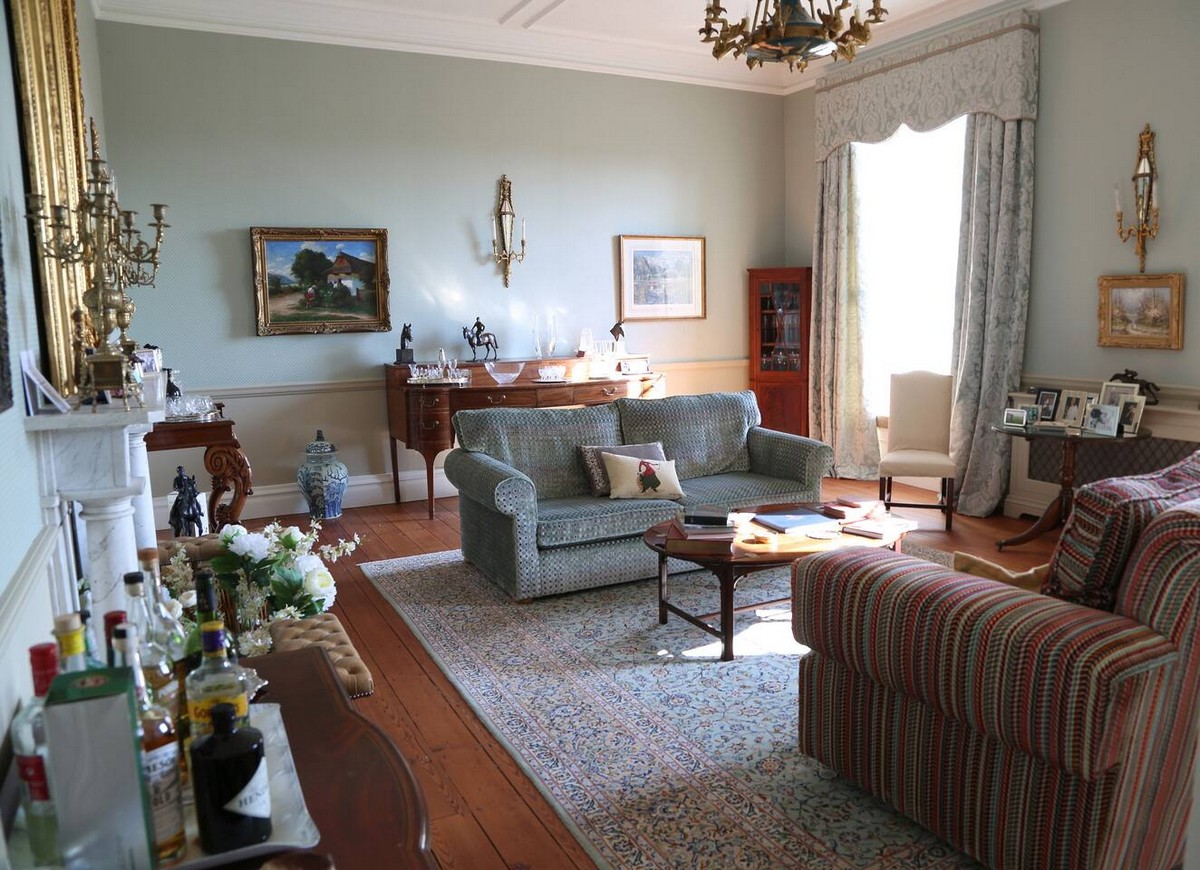





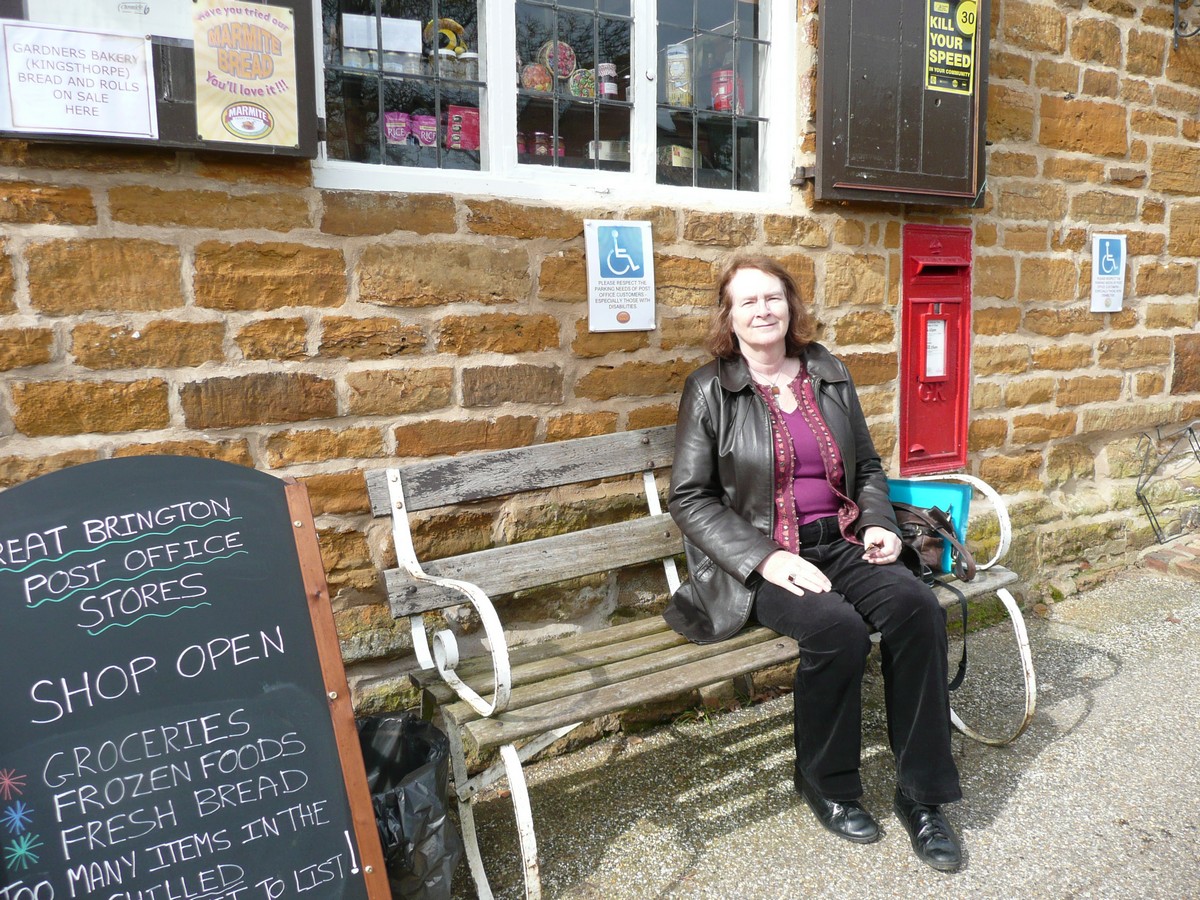














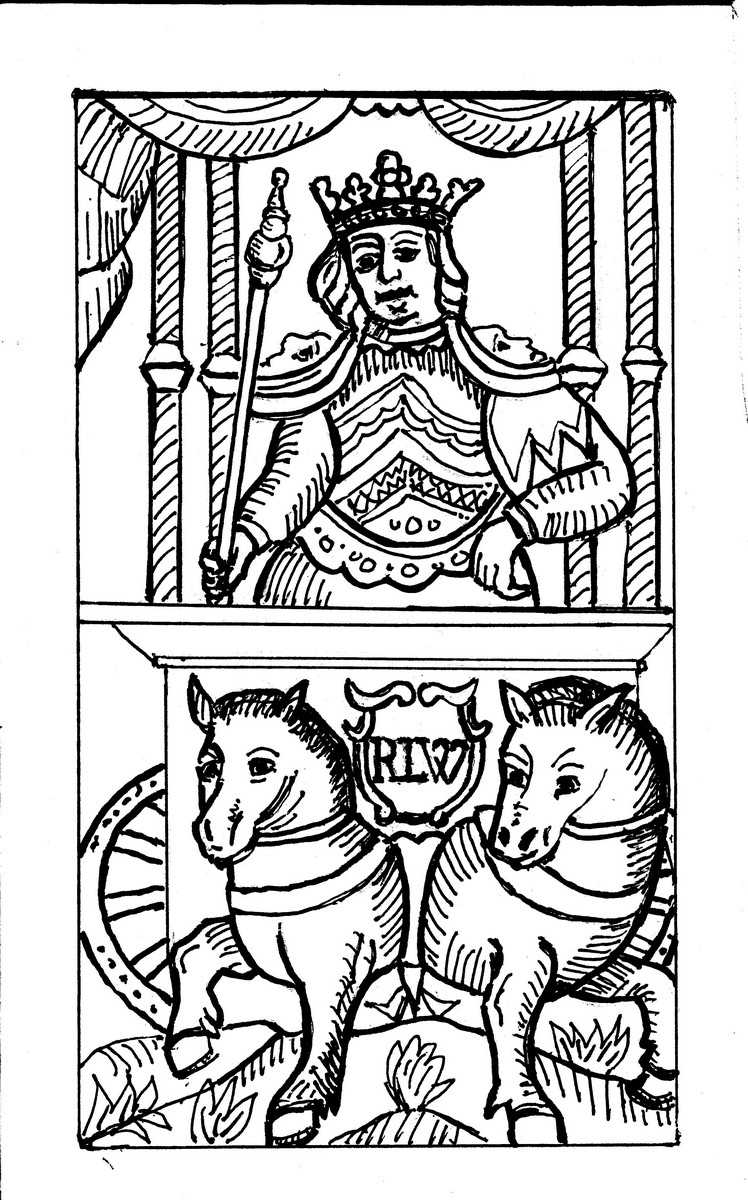
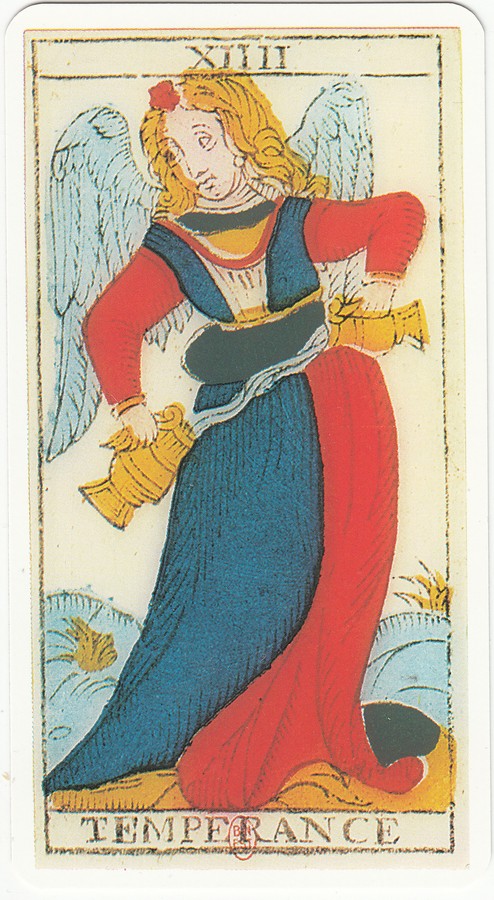

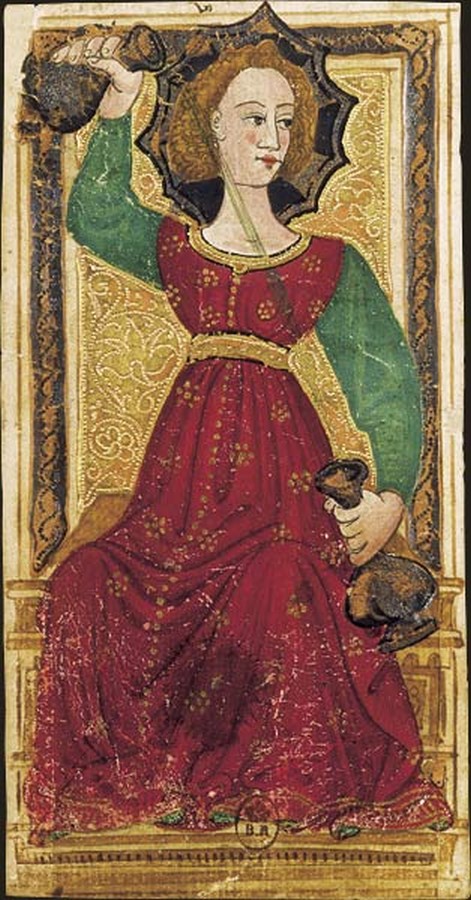
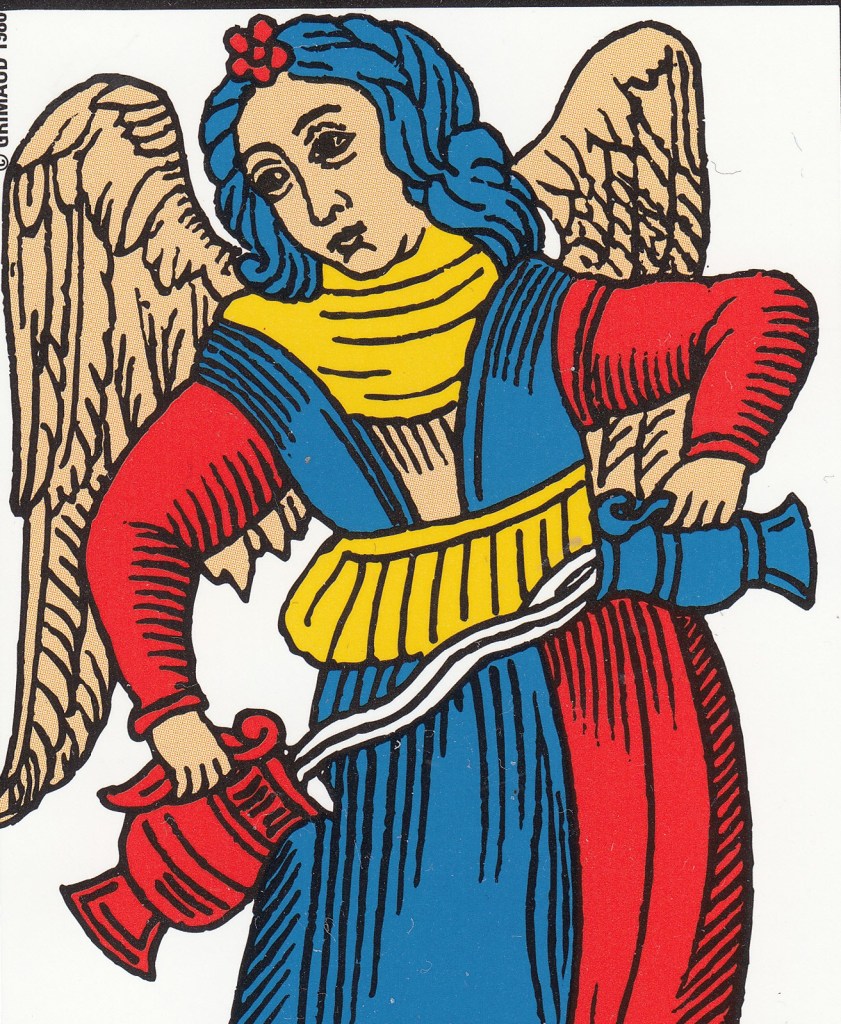
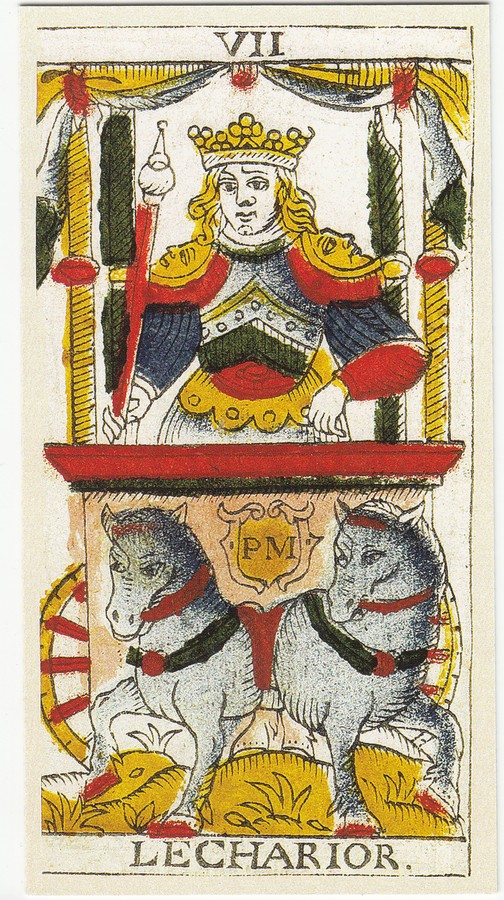
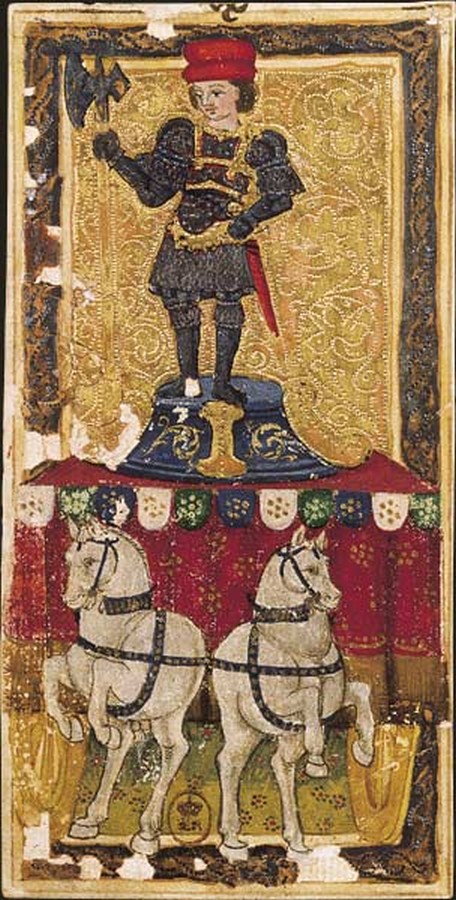





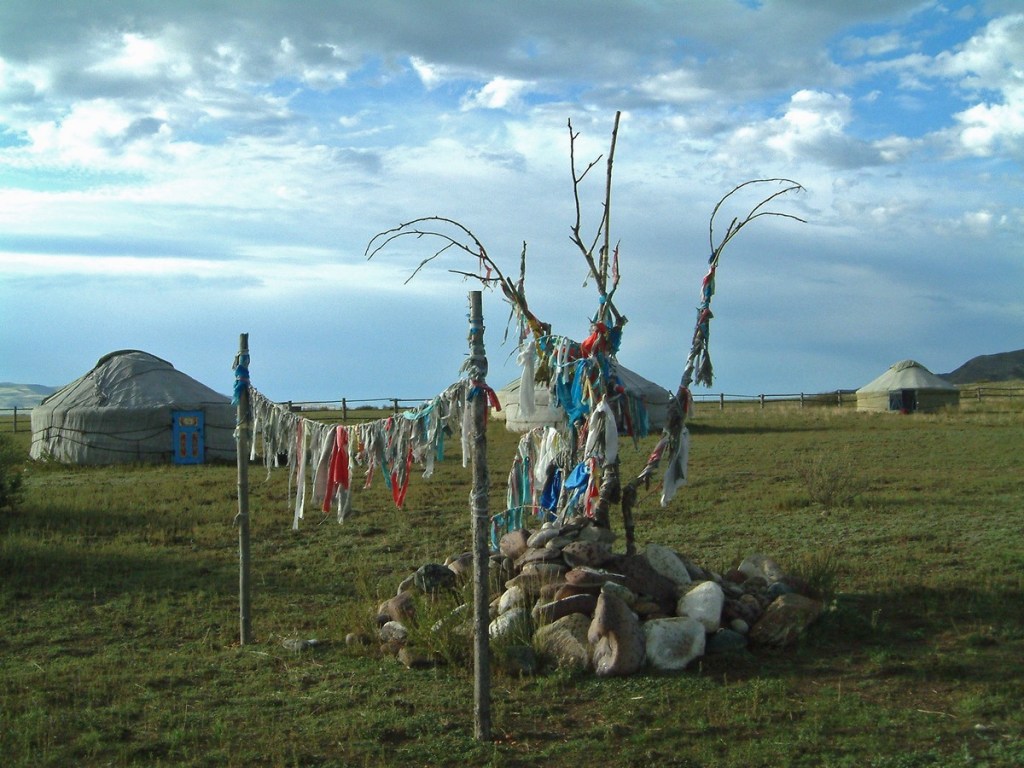

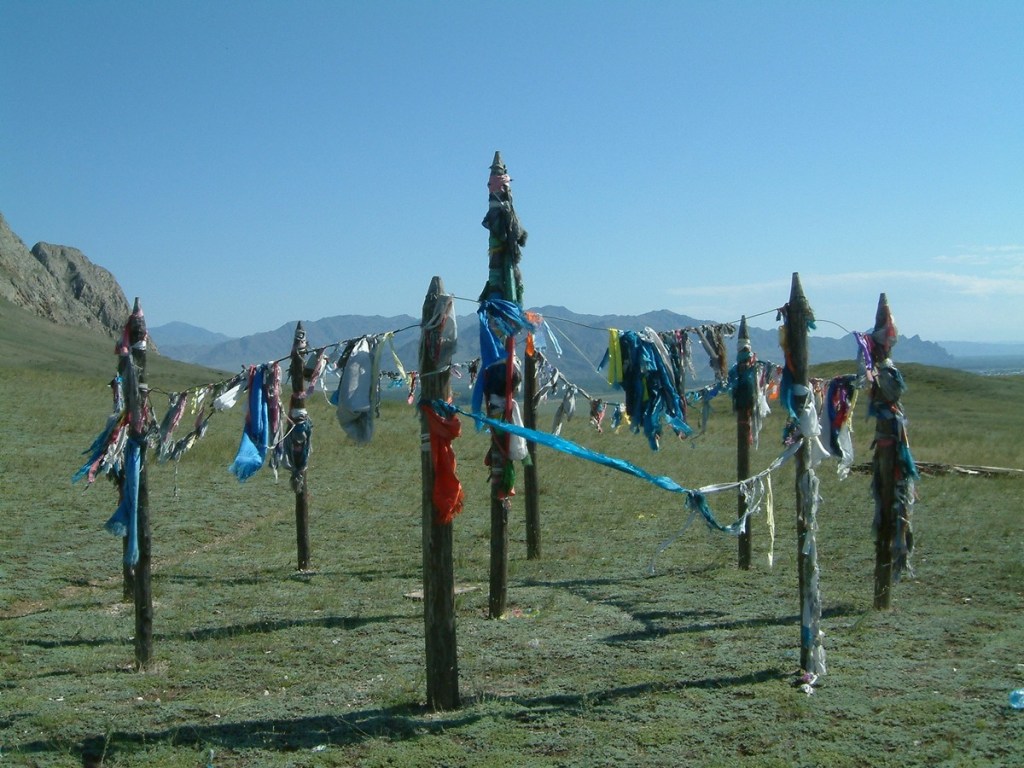

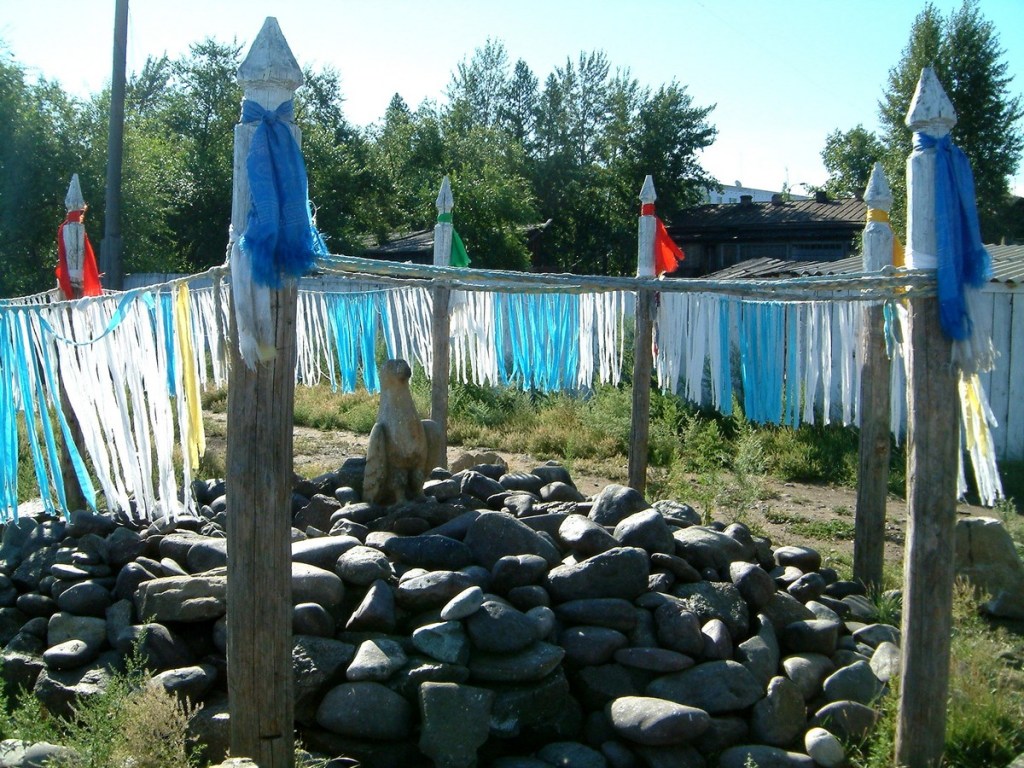

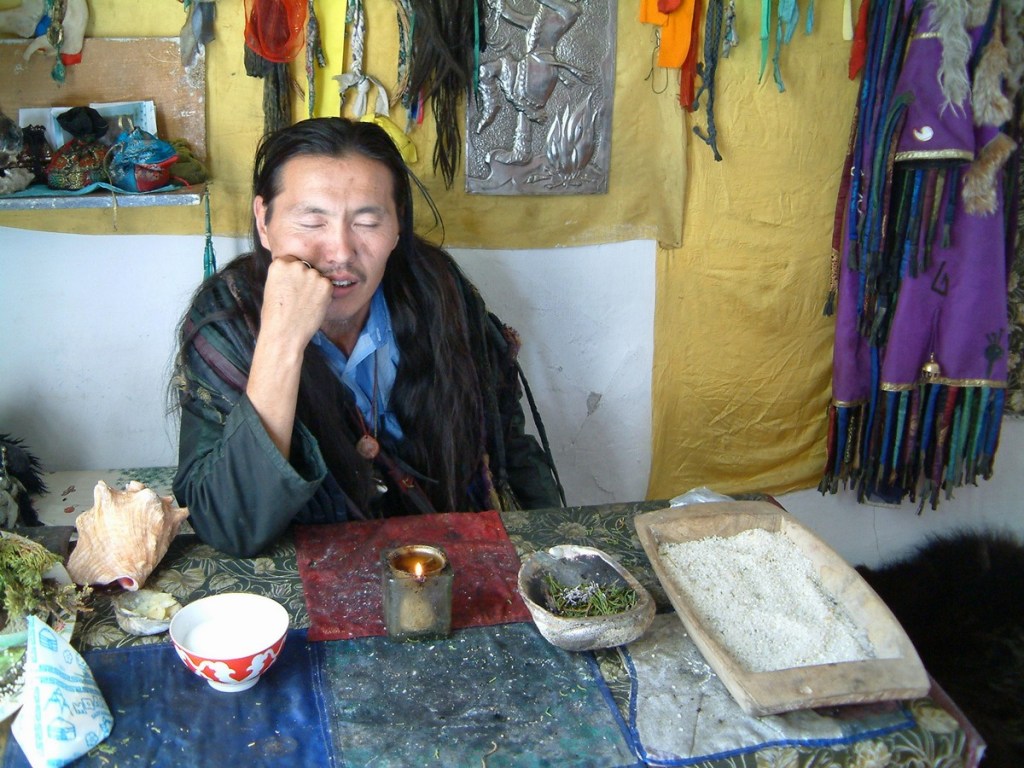
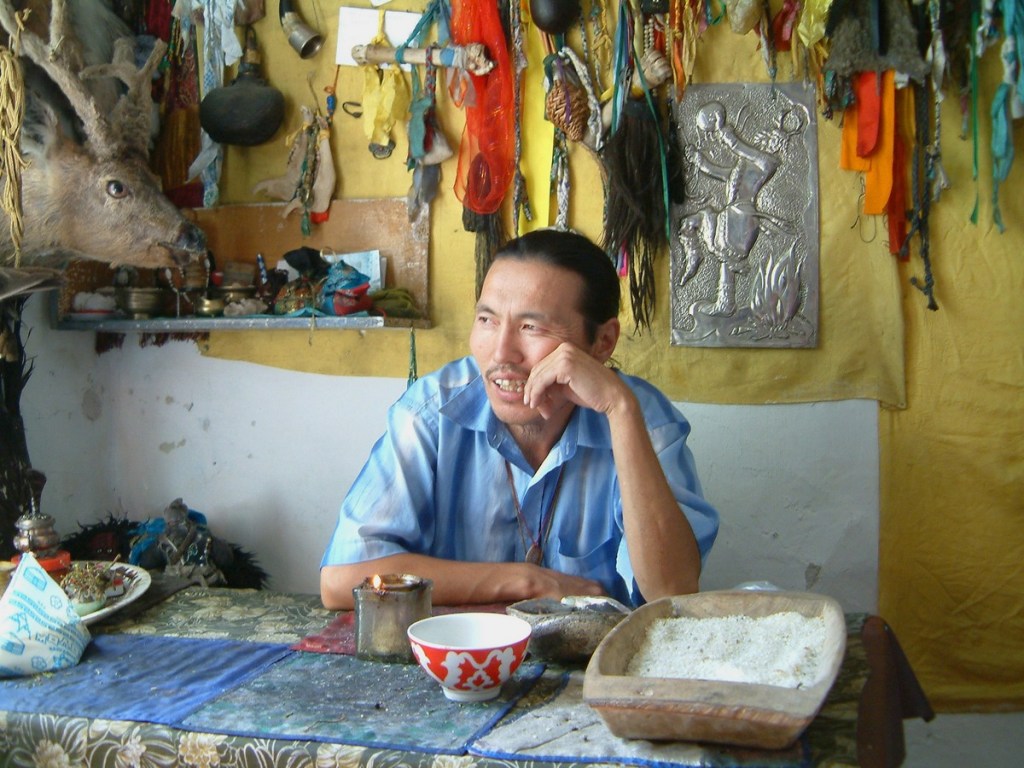





 Cherry's Cache