Gurdjieff’s Homeland – In the Hills of Eastern Turkey

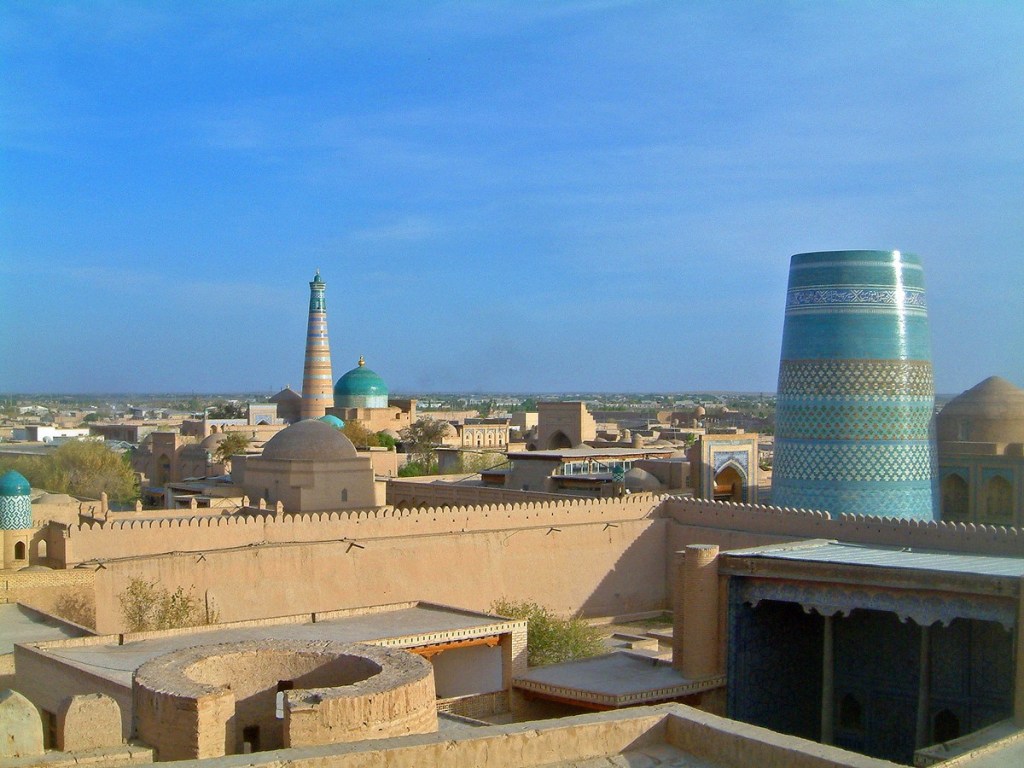
On the edge of the ruined city of Ani, where Gurdjieff spent several months

What kind of terrain did George Ivanovich Gurdjieff grow up in? What landscape shaped his boyhood? Recently, in August 2025, I had a rare opportunity to see for myself, on a study tour to Eastern Turkey. I’ve long been enthusiastic about Turkey, going there first as a student to teach English, then drawn back again and again to the magic of Istanbul, and the fascination of the Lycian coast, Cappadocia, and the Sufi traditions both of Konya and hidden in the heart of Istanbul. I even co-owned a house in Kas for a few years! But I’d never visited its Eastern edges – the names of Lake Van and Mount Ararat carried a magical aura, and the chance to see more of the ancient Silk Road, and Byzantine remains was too good to miss. It was a new opportunity, since only in recent years has the area been safe for visitors, following the reconciliation between the government and Kurdish forces. So, following the old adage, ‘If not now, then when?’ I signed up.
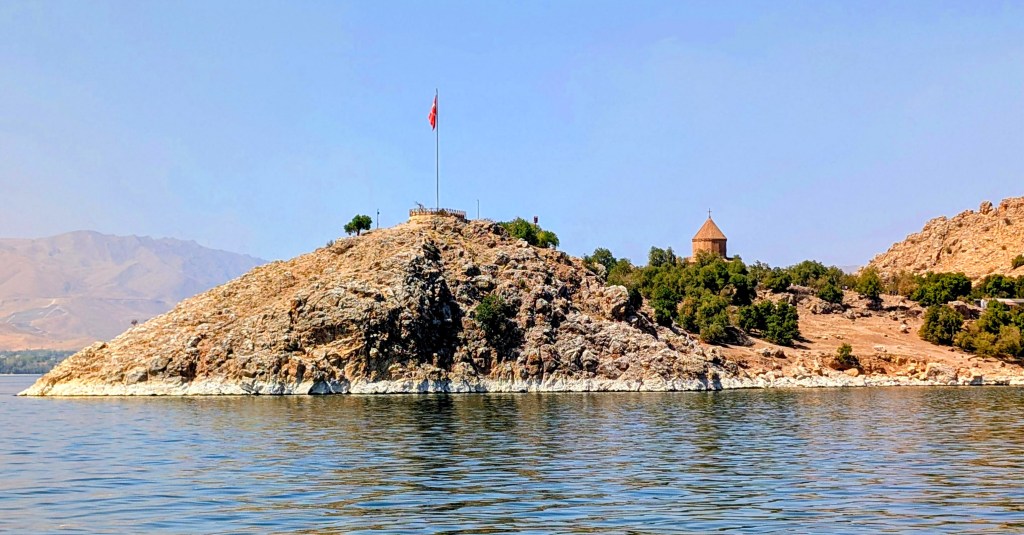
A 10th c. Byzantine church on the island of Adkamar, in Lake Van

But it was only after I’d made the booking that I realised that this was Gurdjieff territory too. I had read Meetings with Remarkable Men several times, but not remembered the place names, or connected it with the tour. We were going to visit Kars, where he spent much of his youth, the deserted city of Ani where he hid out for a while, and Van to where he travelled with his father for a traditional singing contest. The trip now had a whole added layer of significance. It was an extraordinary journey, into remote terrain and with spectacular archaeological sites, and very friendly people. It was hot, it required stamina, and the food wasn’t as good as Turkish food can be, but it was a wonderful experience.

Gathering together my thoughts, impressions and pictures after the tour, I decided to share these with others who might also be interested in the Gurdjieff connection. I can certainly say that it’s added a new dimension to my knowledge about his life and teachings.

As I want to move straight into describing the landscape, I’ve put a brief note about Gurdjieff and his work at the end of this post, for anyone unfamiliar with him, plus a note about my own connections.

KARS -Gurdjieff’s Family Home

The old fortress of Kars

The city of Kars was originally part of Armenia, but became a Russian province between 1878 and 1917. Although it’s now within Turkey, like most of the surrounding area, its culture used to be basically Armenian. It was where Gurdjieff and his family moved to from Alexandropol, some sixty miles away, after his father’s fortunes as a cattle owner failed. Gurdjieff’s chronology is never precise – it’s generally considered that he was born in 1866, though no means certain – but it seems that he spent much of his boyhood in Kars.

The Kars of today is of course very different from that time in the late 19th century, but the fast flowing River Kars still runs around the city, and the deserted citadel still crowns the view. It’s famous for its cheese, and there are many herds of cows grazing in the surrounding countryside, plus flocks of geese which are also a local speciality on the menu. Many of the substantial old Russian buildings are still standing and in use; sometimes the black stone (local basalt) gives them a gloomy feel. Others are painted in pastel colours of green and yellow, in the Russian style.
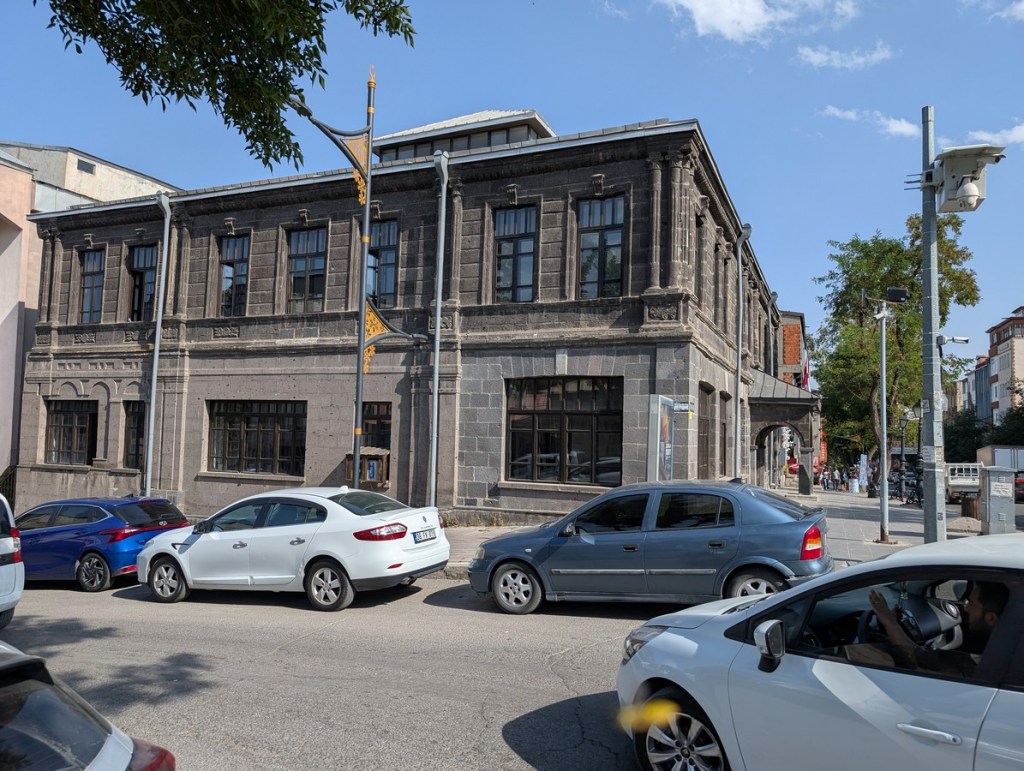
One of the original Russian buildings in Kars

And dotted in around the town are smaller dwellings, some very similar to Russian country homes.
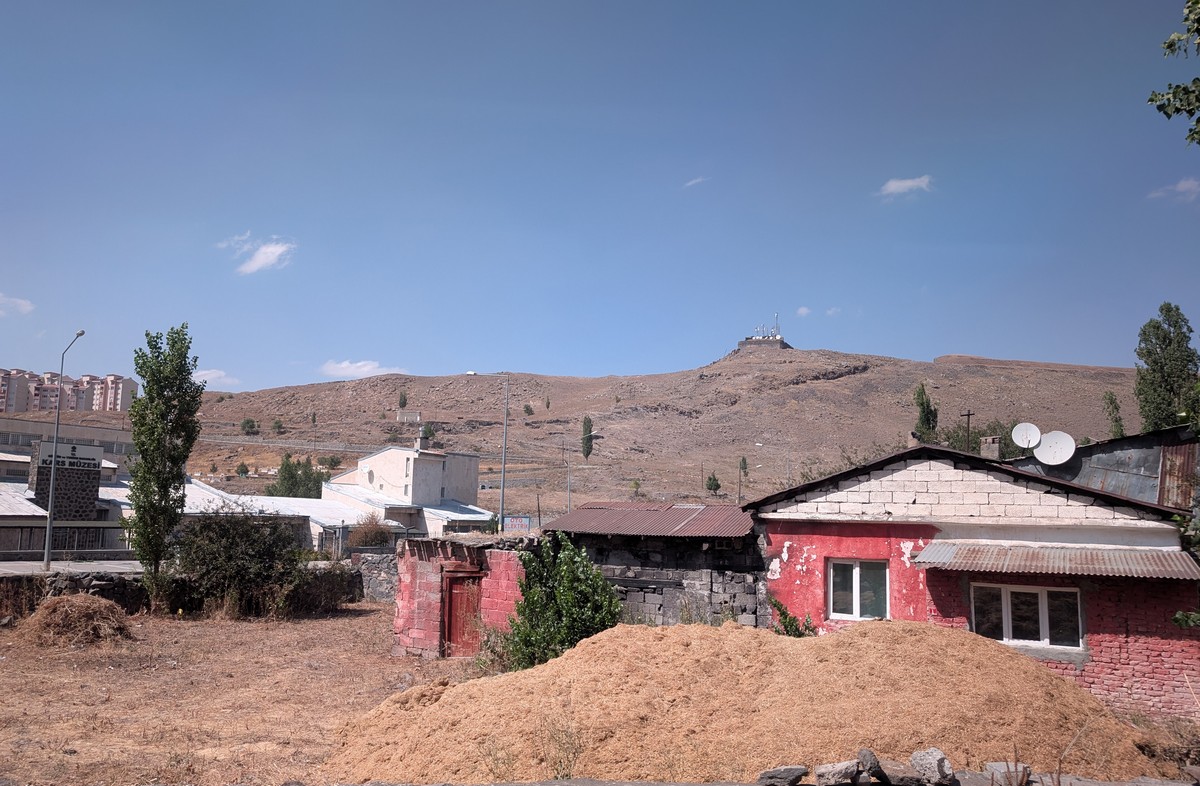
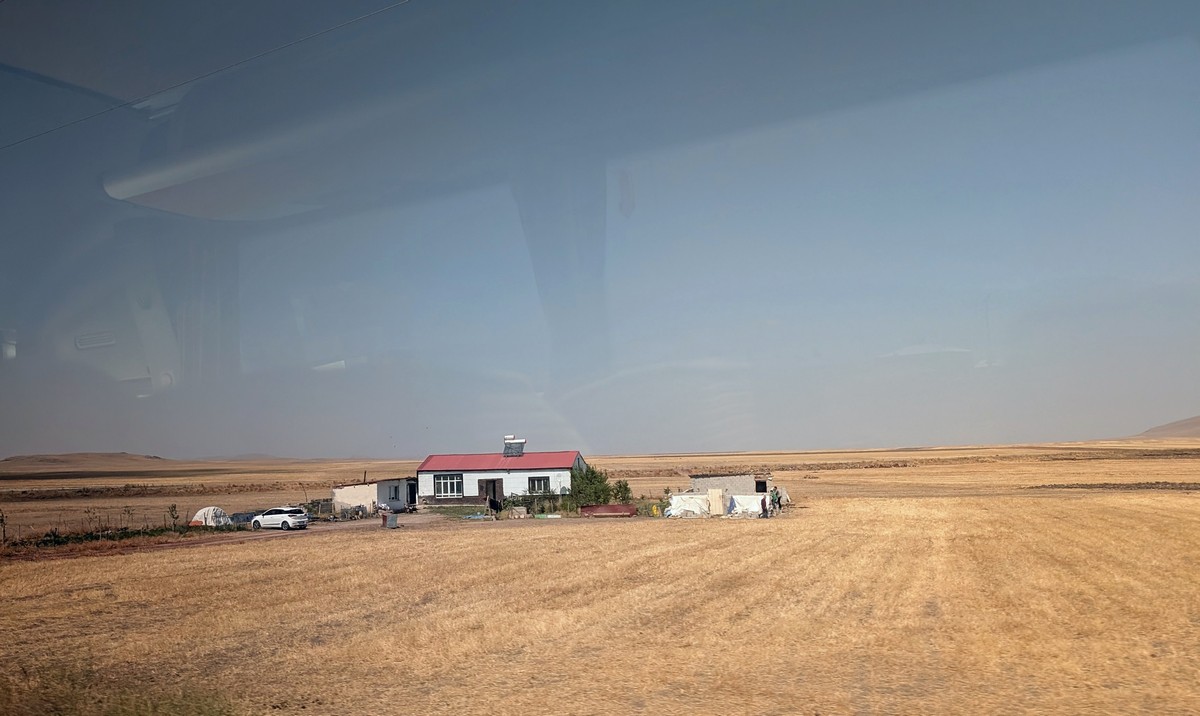
Kars seems to be in a much better state than it was! In 1877, when British Intelligence Officer Frederick Burnaby arrived in the city he said: ‘The streets of Kars were in a filthy state. The whole sewerage of the population had been thrown in front of the buildings.’ Gurdjieff himself described Kars as ‘quite remote’ and ‘extremely boring’, and even the guidebook to Eastern Turkey published in 2014 reported that ‘the mud never seems to disappear’. However, in 2025, after a long hot summer, our group found it a pleasant, quiet, friendly and mud-free town. The residents seemingly know how to enjoy summer, since they can often suffer five months of snow in winter. (Orhan Pamuk’s novel ‘Snow’ focuses on this feature.)
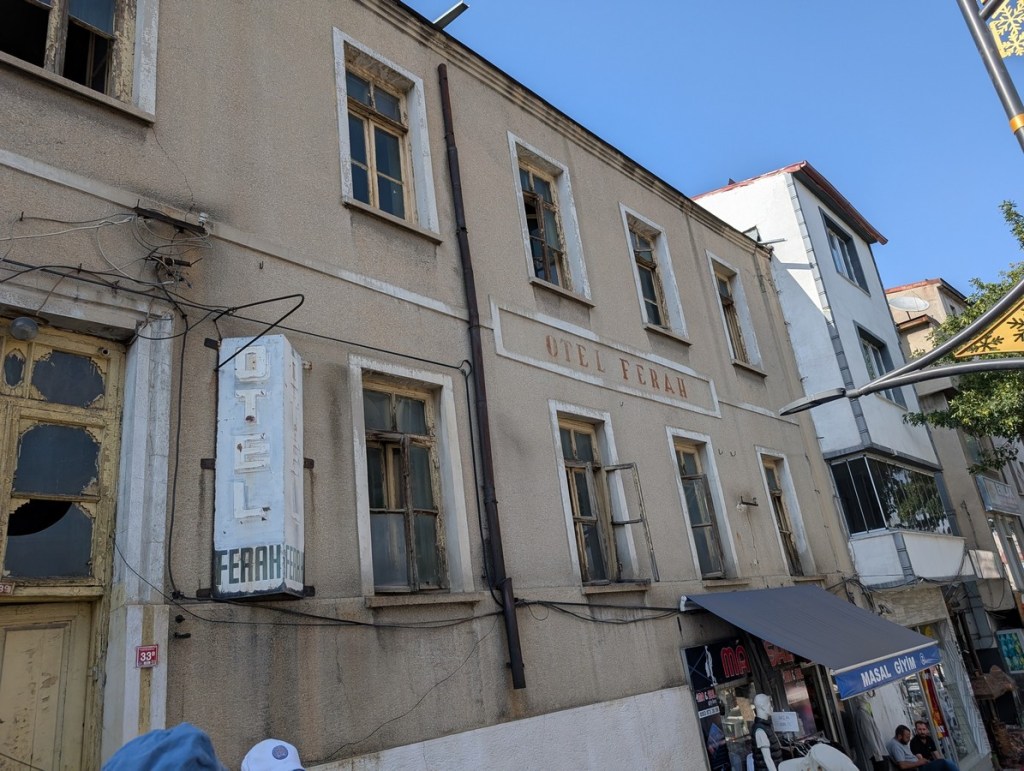
The hotel featured in Orhan Pamuk’s novel, ‘Snow’, now boarded up and semi-derelict. This too probably dates from the Russian era in Kars.

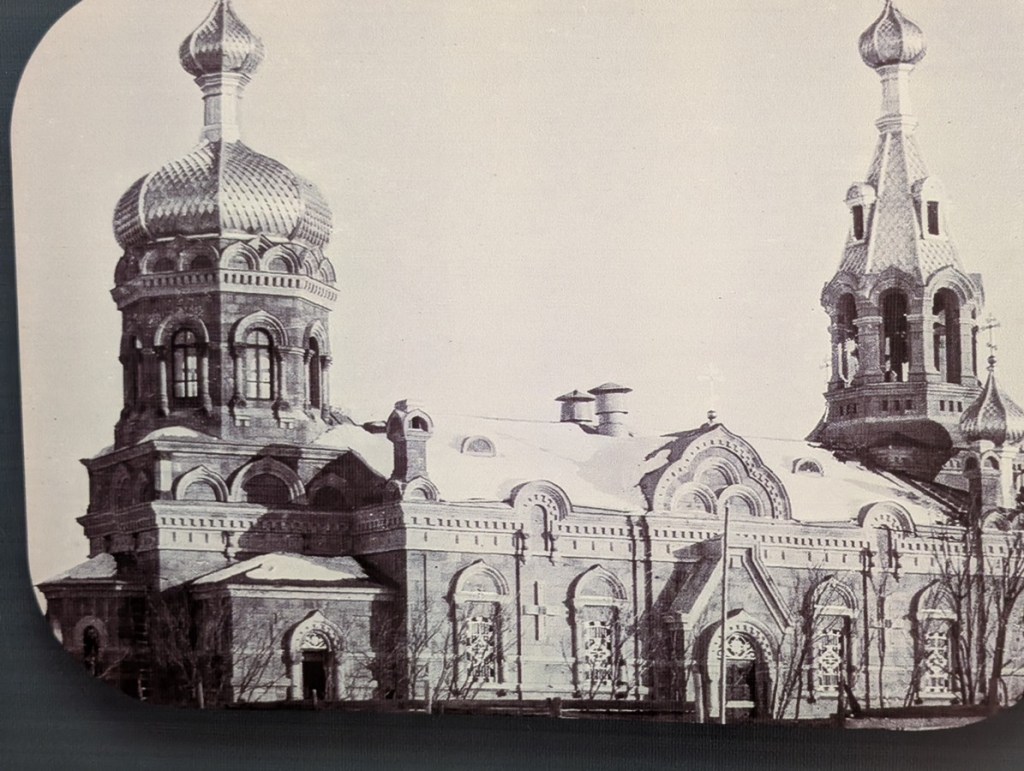
Somewhere here in the town, in a fairly humble dwelling after losing his fortune, Gurdjieff’s father worked as a carpenter, and in Kars itself the young George became a chorister at the Russian Military Cathedral. I asked our guide to take us there; he showed us what is now the Fethiye Mosque. The original Orthodox Cathedral was topped with onion domes and had a parade ground outside; later the domes were stripped off, and it was turned into a sports hall before being brought into use as a mosque. It was moving to step into this space and imagine – sitting on a rather garish blue carpet designed for Islamic prayers – that Gurdjieff had been here again and again for rehearsals and performances. As a choral singer myself of many years standing, I know how much time and commitment this takes.

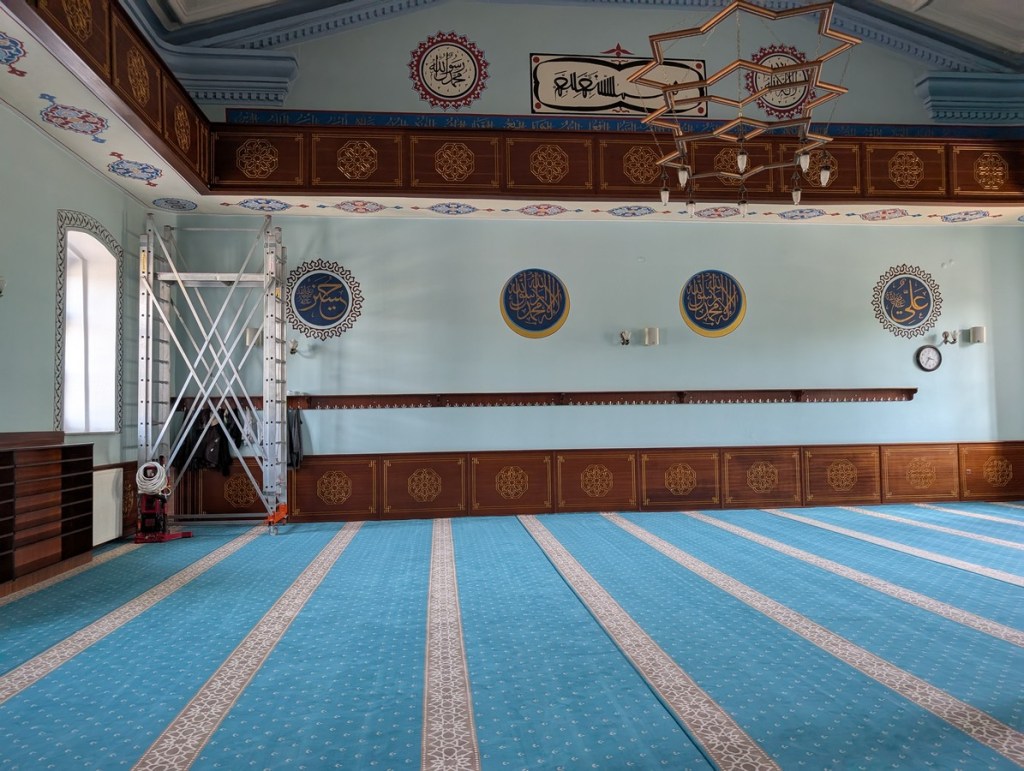
Kars Cathedral as it is today, and below that, the way it used to look
The Russian Military Cathedral at Kars, in its former glory. According to one source, the domes were taken down in the 1960s. (Photo displayed in Kars Museum)

In internet listings for the city, especially those relating to Gurdjieff, there seems to be some confusion between the Russian Cathedral and the Armenian one. This military Cathedral, with its domes and long rectangular shape, in front of an old parade ground, I am reasonably sure is where Gurdjieff sang, and where his tutor Dean Borsh presided. The other contender, the Armenian Twelve Apostles Church is an ancient building dating from the 10th century, sitting near the base of the citadel hill. It’s now a mosque, but with a warm welcome to all visitors. Here, I felt an ancient spiritual presence, something special that reminded me of the chant ‘Lord have mercy,’ which Gurdjieff employed in one of his dance movements and in a wider context. Did he perhaps come here as a boy, and sense this himself?

The Church of the Twelve Apostles, otherwise known as the Armenian Cathedral (now a mosque)

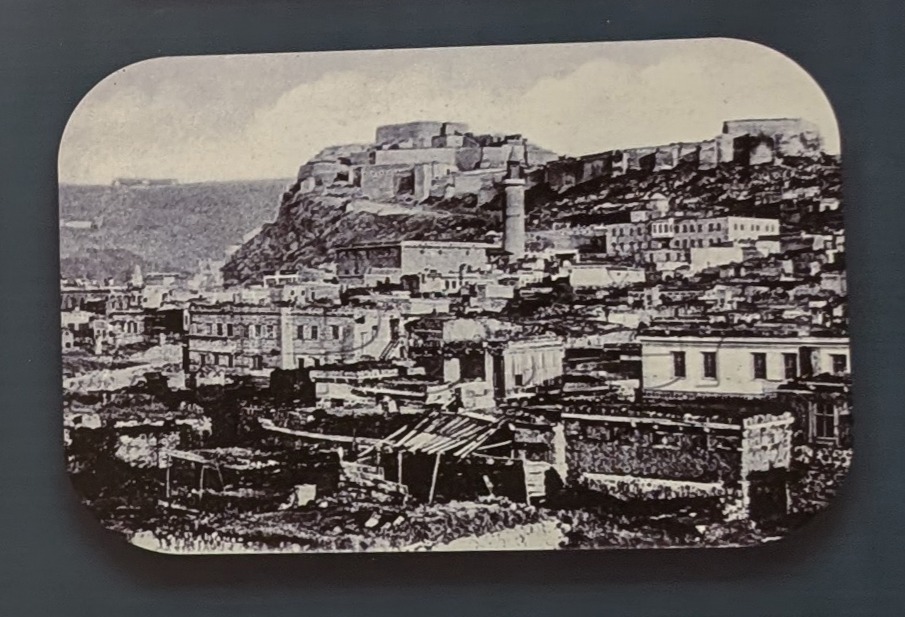
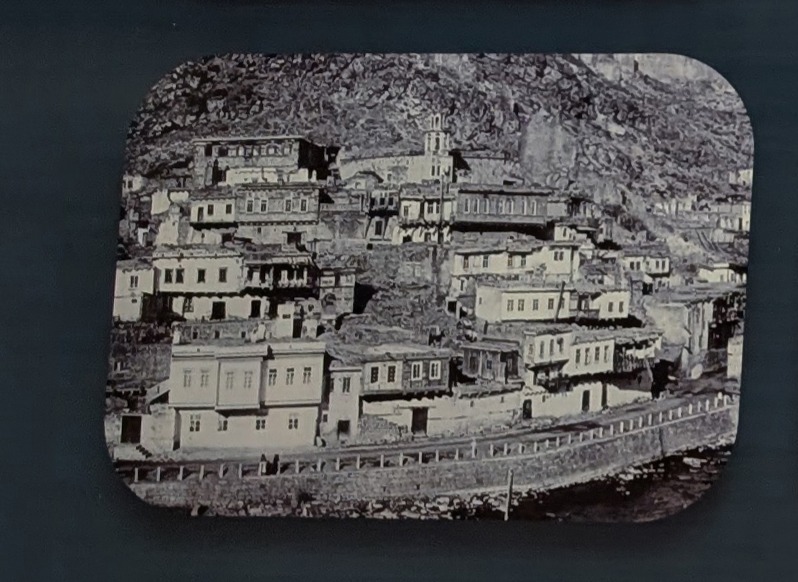
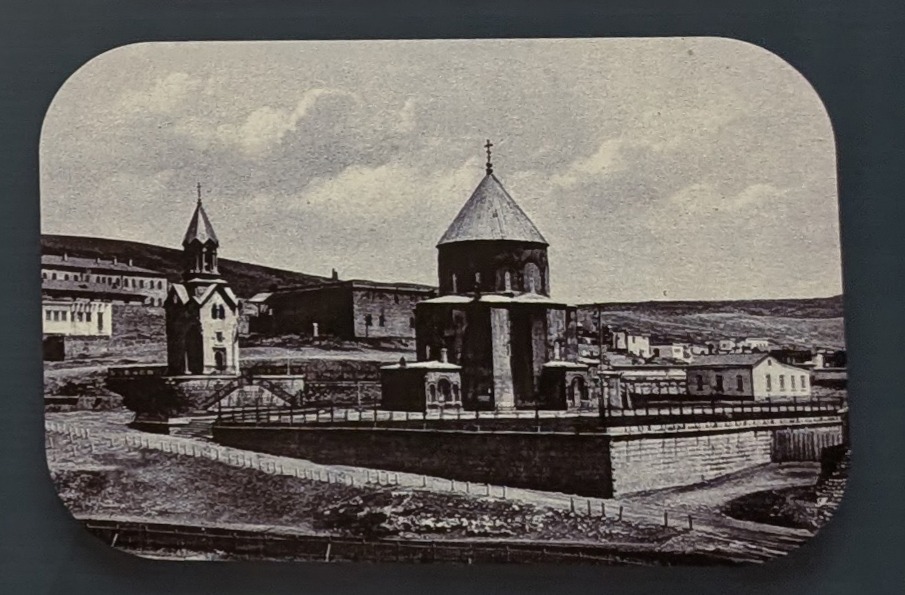
I’ll finish this section on Kars with some old photos from the Museum, showing how the city was in Gurdjieff’s time. Please excuse the quality of these pictures, which not only photos of photos, but I’ve also had to separate and enlarge them from a composite display – the quality is as good as I can get it!
The Ancient City of Ani
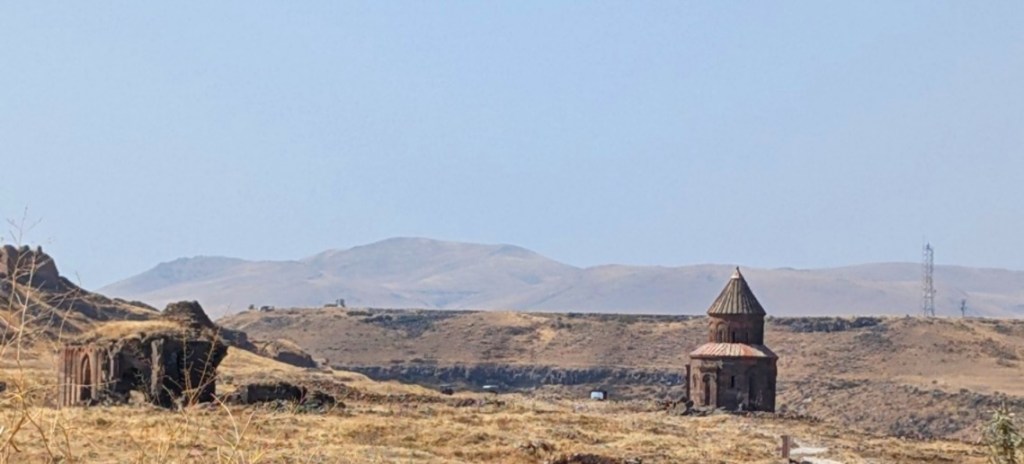
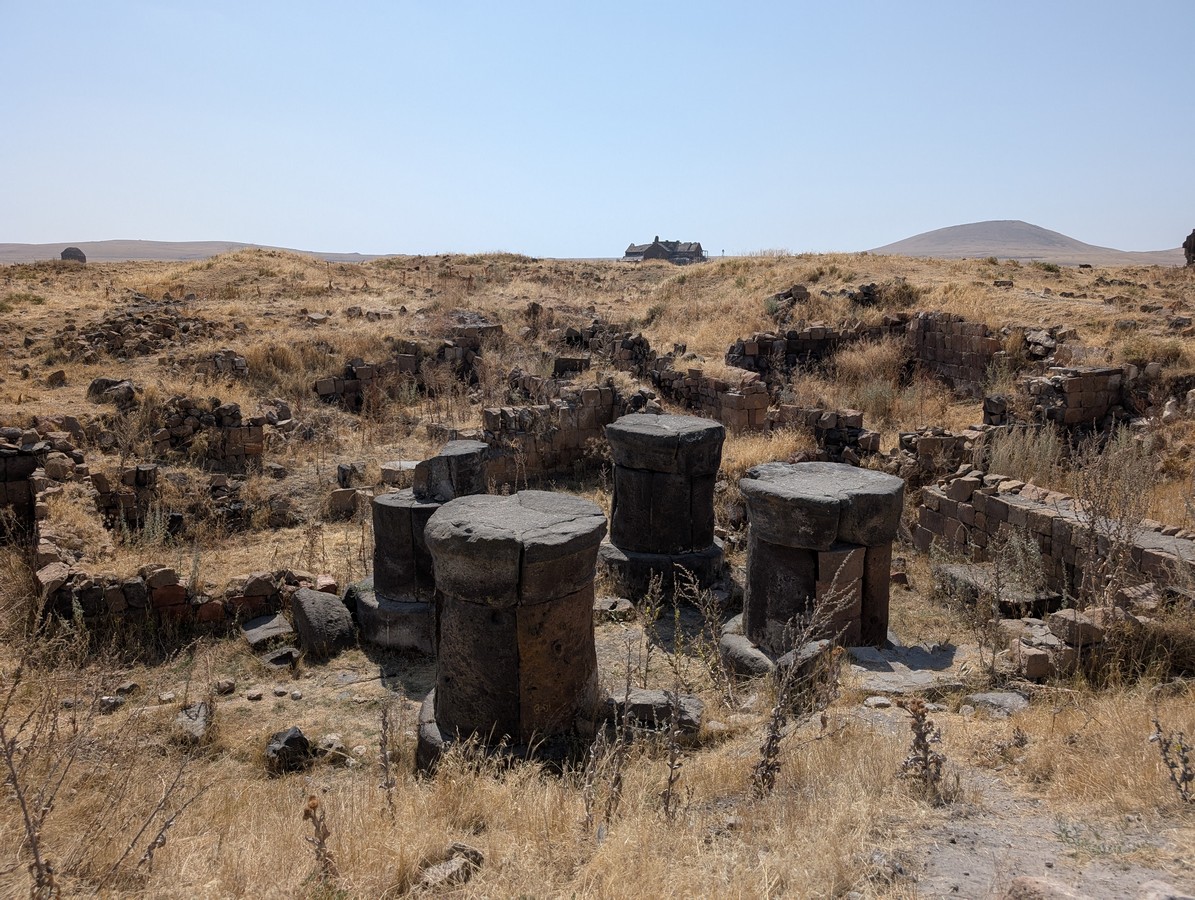
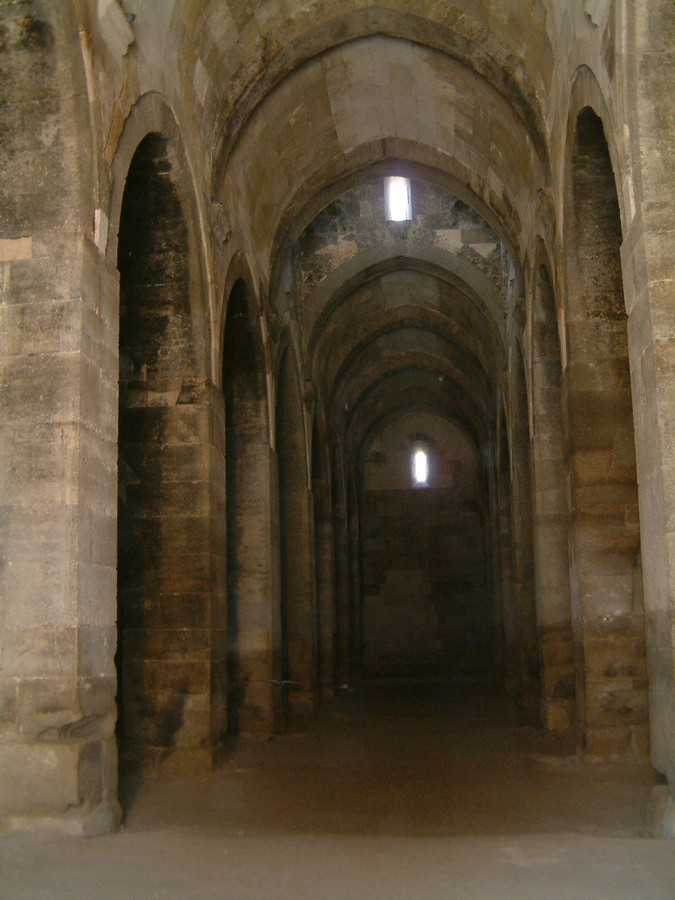
Ani is the most magical of places – a former Silk Road city of ancient Armenia, built around the 10c and deserted in the 14th century after raids and earthquakes decimated it. Today it is just on the Turkish side of the re-drawn national boundary. It’s now carefully conserved and treated as an open air museum. Three hours wasn’t enough to do justice to it.

Below: the city walls, ancient churches, and the remains of a Zoroastrian fire temple, with its four pillars.
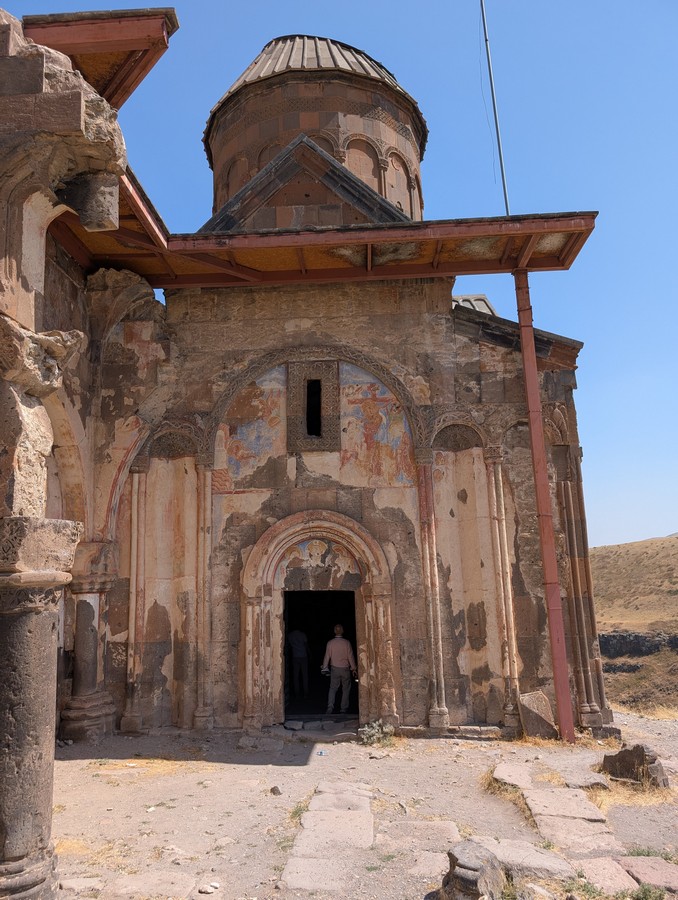
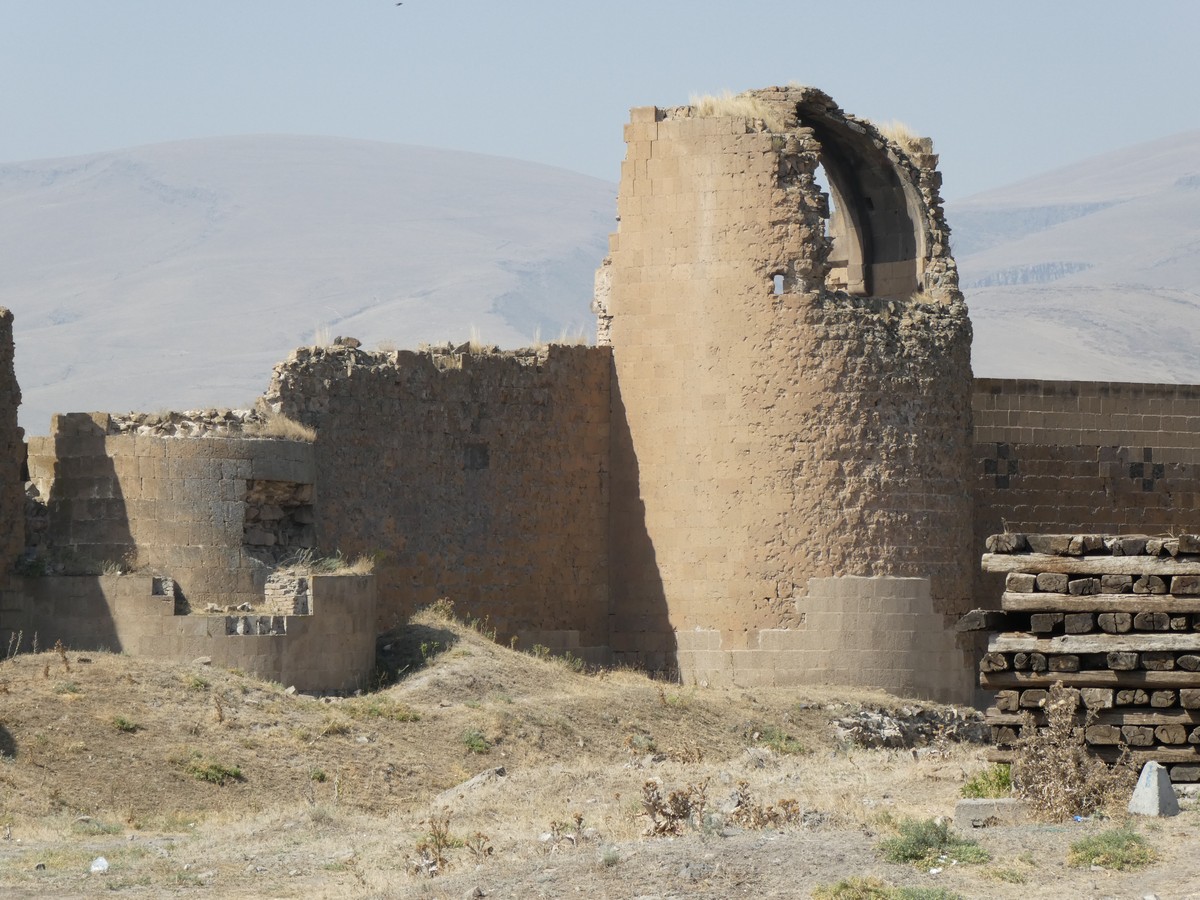
One or two of the churches, ruined or semi-restored, are used as mosques now in accordance with the policy of the Turkish government. The view through the window looks across the river valley straight into Armenia – my phone was convinced I was already in Armenia! It would have all been Russian occupation of Armenian territory in Gurdjieff’s day.

The caves of Ani

Here are the caves which link up with the underground passages which form the substructure of the city, and which played a pivotal part in Gurdjieff’s account of Ani. He and his friend Pogossian were searching for ‘a quiet place where we could give ourselves up entirely to study. Arriving in Alexandropol, we chose as such a place the isolated ruins of the ancient Armenian capital, Ani, which is thirty miles from Alexandropol, and having built a hut among the ruins we settled there, getting our food from the neighbouring villages and from shepherds. ’ (Meetings with Remarkable Men p.87 -Picador 1963)

They lived simply, reading and studying, and doing a little digging around ‘in the hope of finding something, as there are many underground passages in the ruins of Ani.’  They discovered a blocked up monastic cell, and a pile of parchments, some of which could still be read – if only they could understand the kind of ancient Armenian they were written in! They returned immediately to Alexandropol with the parchment so as to get to grips with the translation. When they finally succeeded, they discovered a source of lost knowledge, and a mention of the Sarmoung Brotherhood…’This school was said to have possessed great knowledge, containing the key to many secret mysteries.’ And there the tempting trail begins…the existence of the Sarmoung Brotherhood has been sought, disputed and revered ever since.

Whether or not this tale is faithful to the facts, Ani certainly makes metaphorical sense in Gurdjieff’s search for ancient universal wisdom. As the Unesco website declares: ‘Ani was a meeting place for Armenian, Georgian and diverse Islamic cultural traditions that were reflected in the architectural design, material and decorative details of the monuments.’ And ‘secret tunnels’ long out of use are indeed a verified feature of Ani. ‘The remoteness of the uninhabited city of Ani, with its impressively standing monumental buildings, over an invisible landscape of underground tunnels and caves surrounded by deep river valleys, provides a mostly unaltered window onto the past.’ https://whc.unesco.org/en/list/1518/ I recommend a browse of this website in which even such an official and rigorously factual description of Ani conveys the city’s unique magic and importance as a crossroads of culture. Did G. I. Gurdjieff and Pogossian really discover lost manuscripts? Well, they could have done…that at least is for sure!

We enter a mythic realm with this transition in the book, and whether it rests on literal truth or a kind of metaphorical reality, is up to the reader to decide. The Second Series, Gurdjieff declared, which was the book in question, is intended ‘To acquaint the reader with the material required for a new creation and to prove the soundness and good quality of it.’ We ourselves have to enter that creative dimension, and he gives us a good send-off for our own explorations.

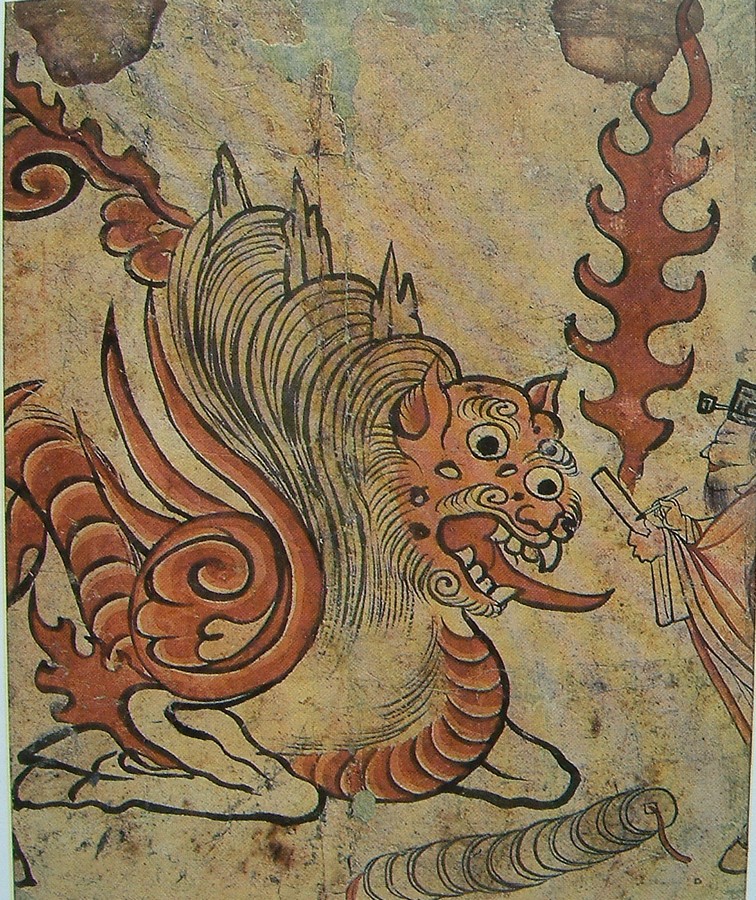
The area is full of mysteries, ancient carvings and strange mythical creatures…

A serpent-dragon-sphinx woman, which neither our Turkish guide nor our esteemed lecturer could identify…she graces the Museum of Kars

The Landscape

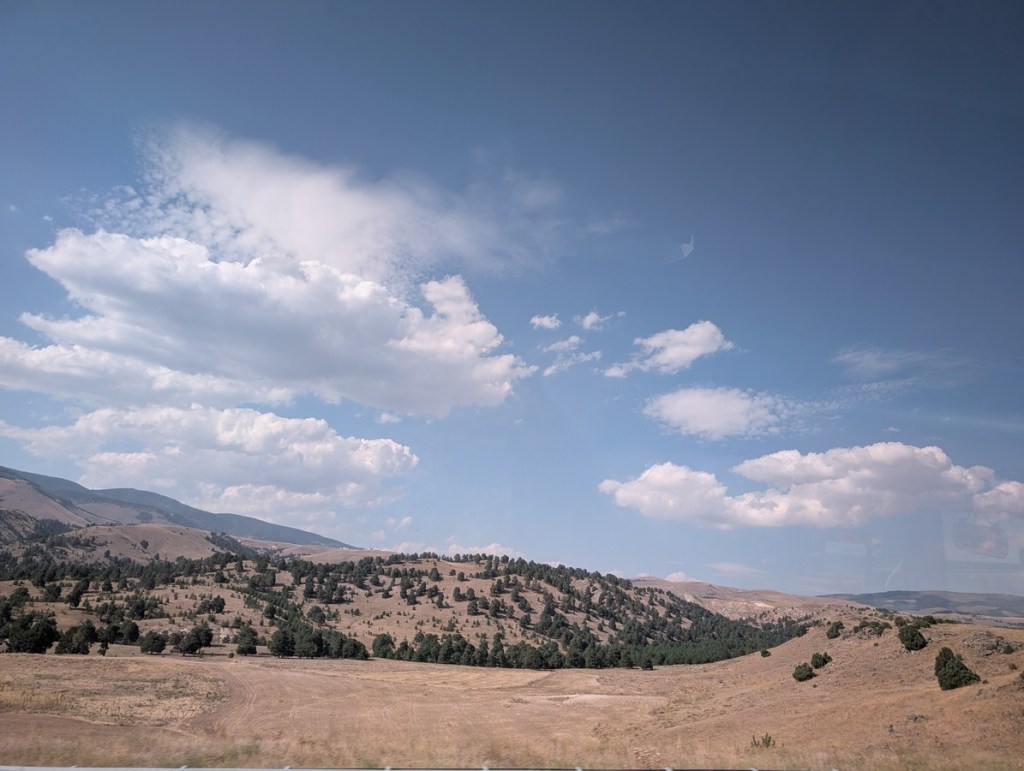
Turkey had endured an extra long and hot summer when I visited, so most of the landscapes I saw were golden brown, apart from swathes of green around water sources. There was a haunting beauty about the empty hills which roll on into to the distance, and awe at the craggy mountains which tower up here and there. Occasionally there were strange geological phenomena, such as the scatterings of obsidian on the road between Erzerum and Kars, and later petrified streams of black magma, rolling many miles away from their source at Mount Ararat. Mount Ararat itself is not too far away, and we glimpsed it like a hazy, snow-capped apparition a couple of days later, in the vicinity of Dogubeyazit.

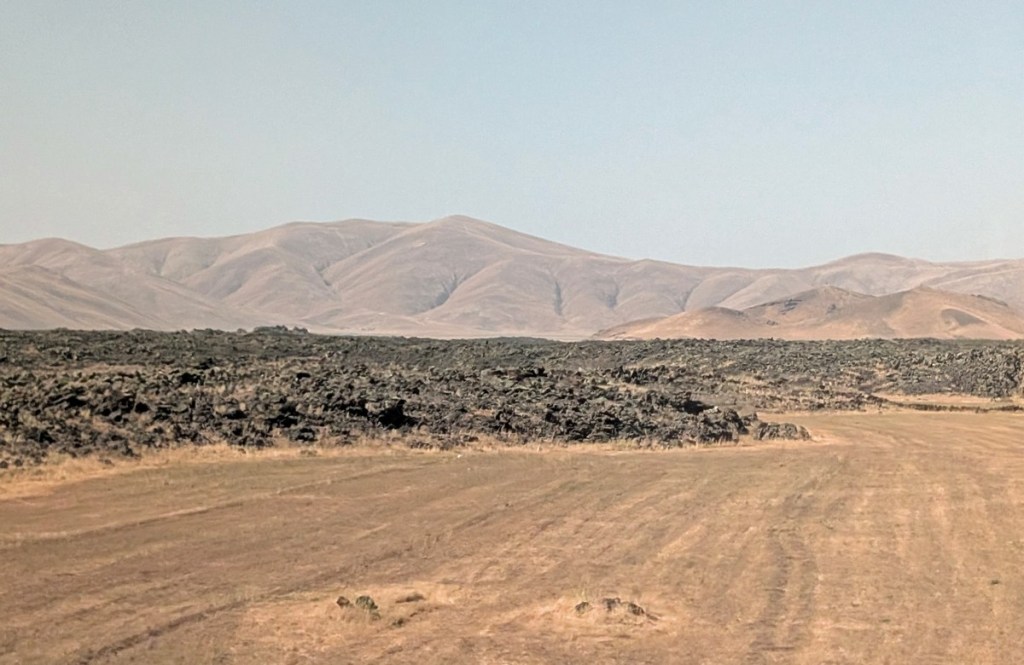
Can you spot Mount Ararat through the haze towards the top of the photo? Climbers take about five days to get to the summit and return back down again. It was snow capped and appeared almost like a mirage behind the lower mountains in the foreground.
The weird, corrugated fields of black magma en route to Tatvan, from some of the last outpourings of Mount Ararat in the 19th century. It’s believed to be extinct now. (‘Believed to be?’ I asked our guide nervously!)

Shepherds and flocks

In the foreground, near the roads, we saw open unfenced land which provides free range grazing for sheep, goats and cattle. Many of these flocks and herds were attended by a single shepherd or cowherd.

The shepherds played a quiet, but significant role in this terrain. And Gurdjieff noticed this, and probably conversed with them on his travels. He once said that a shepherd in the hills could learn far more about meditation in three days than the a modern seeker would in three years! (I’m paraphrasing, until such time as I rediscover the quote.) As we traversed the seemingly boundless landscape we saw such solitary shepherds or cowherds with their animals and they were, as far as I could see ruminating, sitting, or walking slowly – and not glued to a phone. So the conditions are still there for people to have this kind of solitude, which becomes an immersion in the spirit of the landscape, leading to a sense of presence beyond the chatter of everyday life.

The Ashokhs
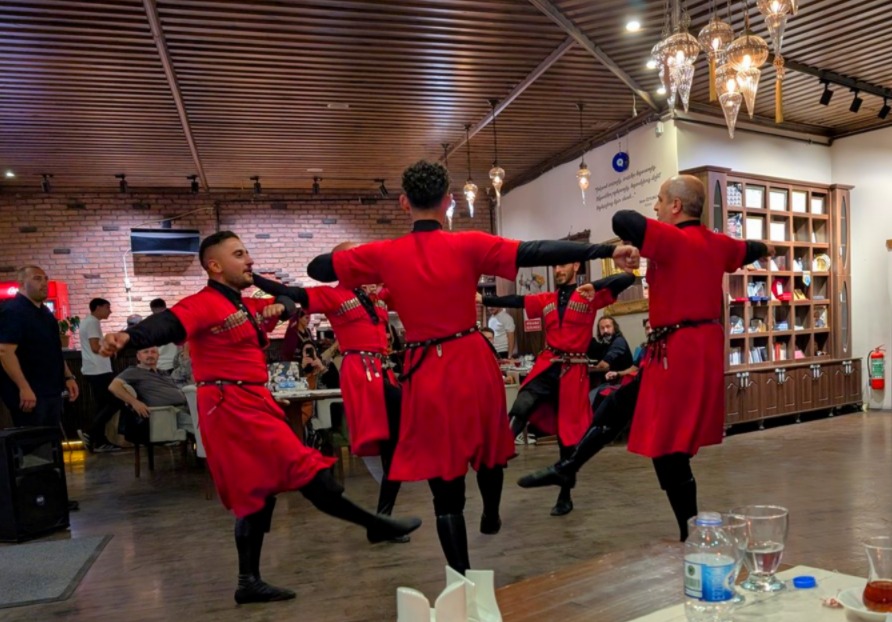
Vigorous dancing at a Kars performance. The agility and ingenuity of the dancers was incredible – Gurdjieff collected such dances and transformed them (both wild and stately) into his range of ‘Movements’, based on traditional, occupational and sacred dancing.
Traditional musicians performing in Kars; they were followed by today’s equivalent of Ashokhs as described below

I had trouble identifying whether the ashokhs – such as Gurdjieff’s father, the bards who were singers and reciters of epic tales – were still known in Eastern Turkey. Our Turkish guide didn’t recognise the word. Eventually I found it listed as ‘Ashugh’ (Armenian) or ‘Ashik’ (Persian). Most of Gurdjieff’s territory from his boyhood was Armenian, even when occupied by Russians.

And I did find traces of the tradition. One evening, in Kars, we booked a special restaurant dinner and performance, with what turned out to be amazing leaping dances, and ‘a contest’ between two singers, playing traditional instruments (ud or saz). Was this a remnant of the old ashokh contests, which Gurdjieff and his father attended? It could well be. I asked the guide, who explained that yes, they were – in my words – slagging each other off, and vying to out-sing each other, with good humoured insults and bravado. The songs seemed to be love songs without any hint of the epics which Gurdjieff described, but this was probably only one example of today’s performances. I’ve since learnt that there’s a cultural centre in Kars, where ‘Ashik’ performances happen every day, to keep the tradition alive.

This rather raucous snatch of video which I took features two modern day ‘ashokhs’ in a singing contest

Gurdjieff tells us that he and his father travelled to Van for an ashokh contest, so I was curious to see the city, which is where we spent the last three nights of our tour. Van itself is still a very lively place, where people of different cultures meet. In Gurdjieff’s time it was an Armenian province, although Armenians themselves were in the minority. Today the majority of the population are Kurdish, who are outgoing and friendly to visitors. There were very few of us on the streets who’d come from Europe; the majority of today’s visitors pour over the border from Iran, eager for night life and (comparative) freedom!

Below: Varied views of Van, including my hot but triumphant climb to the top of the fortress!

The vast lake is known as the ‘Sea of Van’ as you cannot see the other side of it on the horizon. It’s ‘silky’ to some swimmers, ‘oily’ to others , and only one kind of fish can live in its alkaline waters, a kind of mullet which we sampled for lunch one day. (Rather like bland sardines.) There were however a few flamingos around the lake, and I saw a small group of bee eater birds, with their exotically iridescent plumage. I was also super keen to meet a Van Swimming Cat, a white, long-haired breed, who often have different coloured eyes (eg one blue, one green) and a penchant for water. We did see a few in a cat shelter, where they are trying to save and conserve the breed. Gurdjieff, fond of animals, might very well have encountered one of these. I was wondering why they are white, until I remembered the five months of snow in the region! Good camouflage.
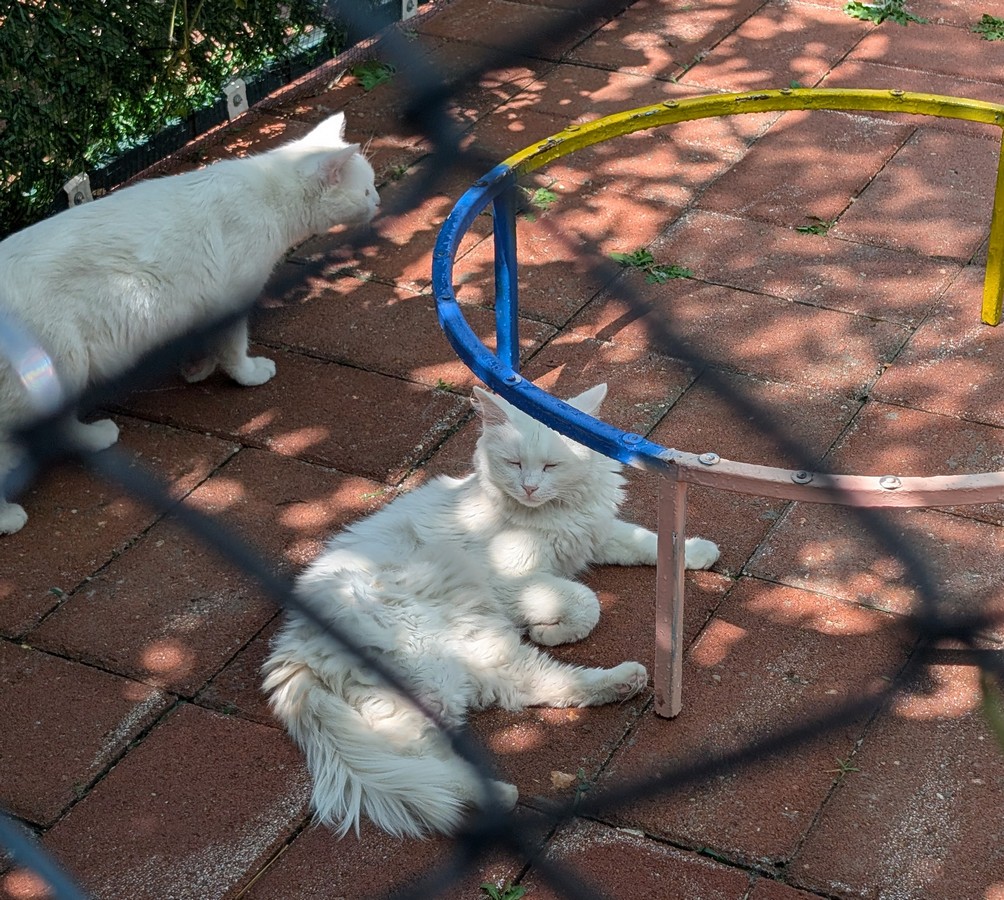
Van ‘Swimming’ Cats – on land they would be well disguised in the winter snow!

The Urartians

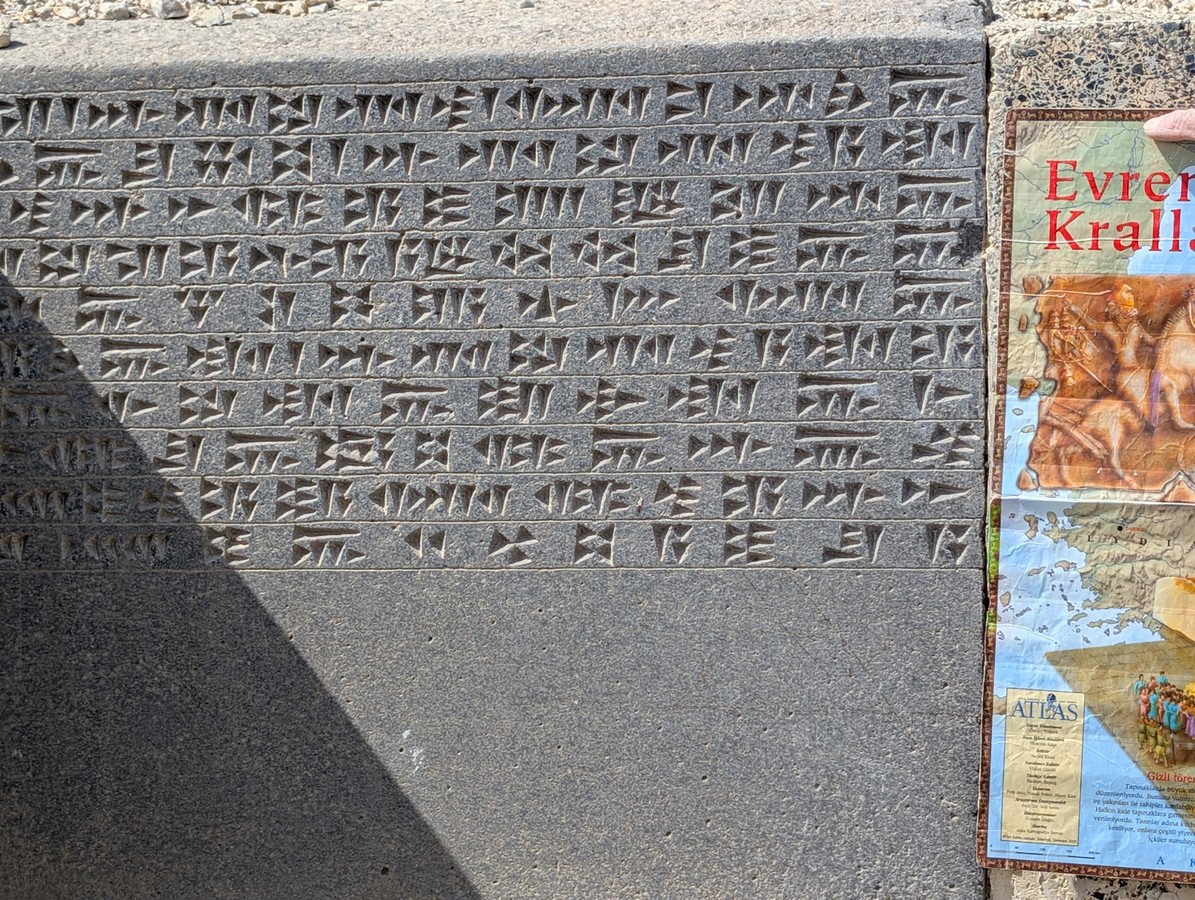
Van in ancient times was called Tushpa, and was the capital of the Urartian kingdom, which existed between about 900-600 BC. This fascinating culture was richly endowed with a multitude of deities, of whom the chief was Haldi, the sun god; they possessed a cuneiform language, found engraved into stone, and were both neighbours and enemies of the Assyrians. Their citadels were often built on mountaintops and we visited one such, at Cavustepe. It was wonderful experience standing on top of the mountain ridge, surveying the valleys below and the hills and mountains beyond. A sense of being proud, and free. Here, an 85 year old guide showed us around; he had worked at the site with the archaeologists for 70 years, and deciphered the cuneiform script, on which he is now the world’s leading authority. Mehmet Kushman is coming to the end of his active life, and we were privileged to walk through the high reaches of Cavustepe with his knowledge and guidance. I asked him in a quieter moment, if he ever felt the presence of the Urartians around him there. He paused for a moment, then with dignified emotion and a half laugh, declared, ‘I am Urartian!’ I believe him.
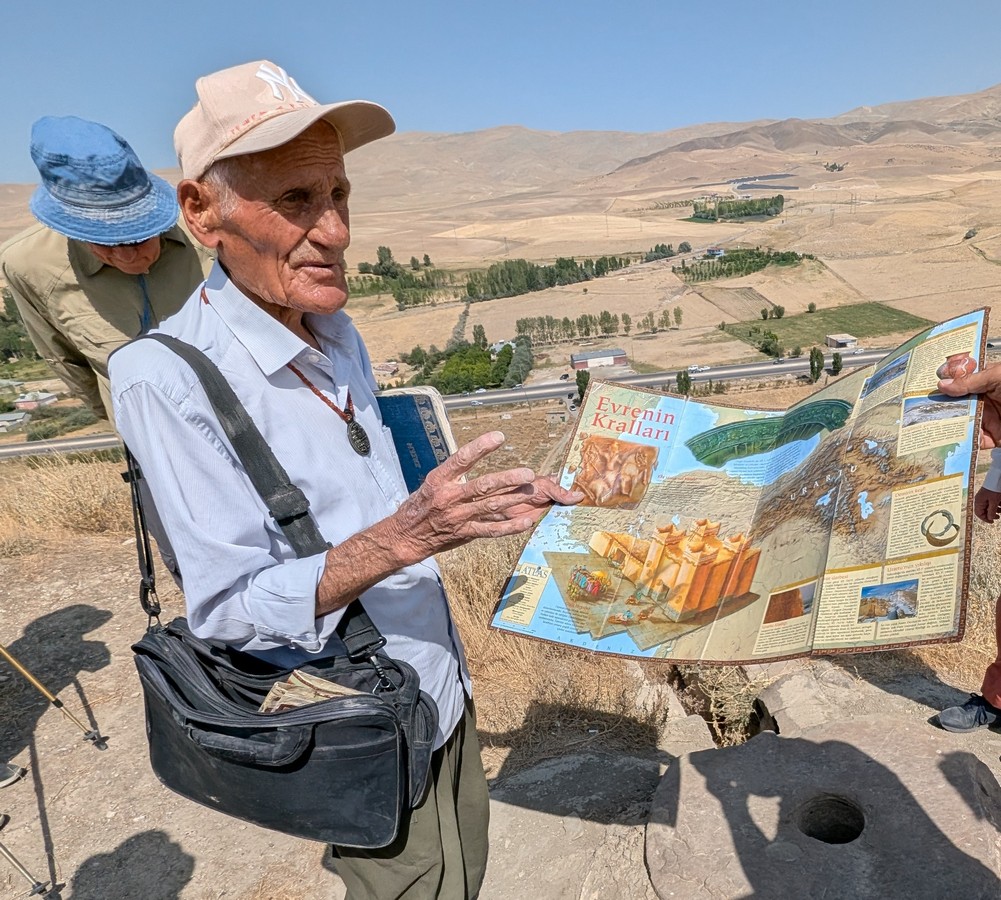
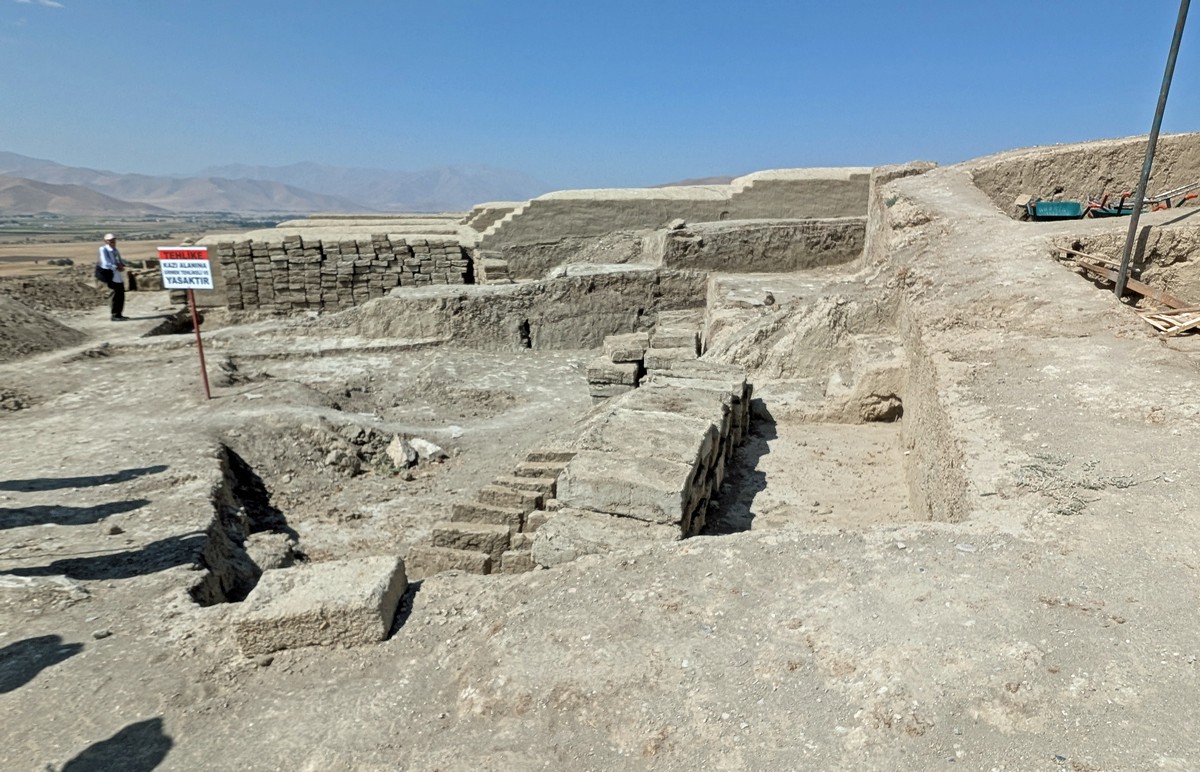
Would Gurdjieff have visited some of these mountain fortresses? Most probably he would have climbed up the one at Van, as we did – a real trek in the heat! Did he know about their culture? Perhaps not, but it’s certainly in keeping with the sense he engenders for us of ancient peoples, hidden sources of knowledge, and lost kingdoms.
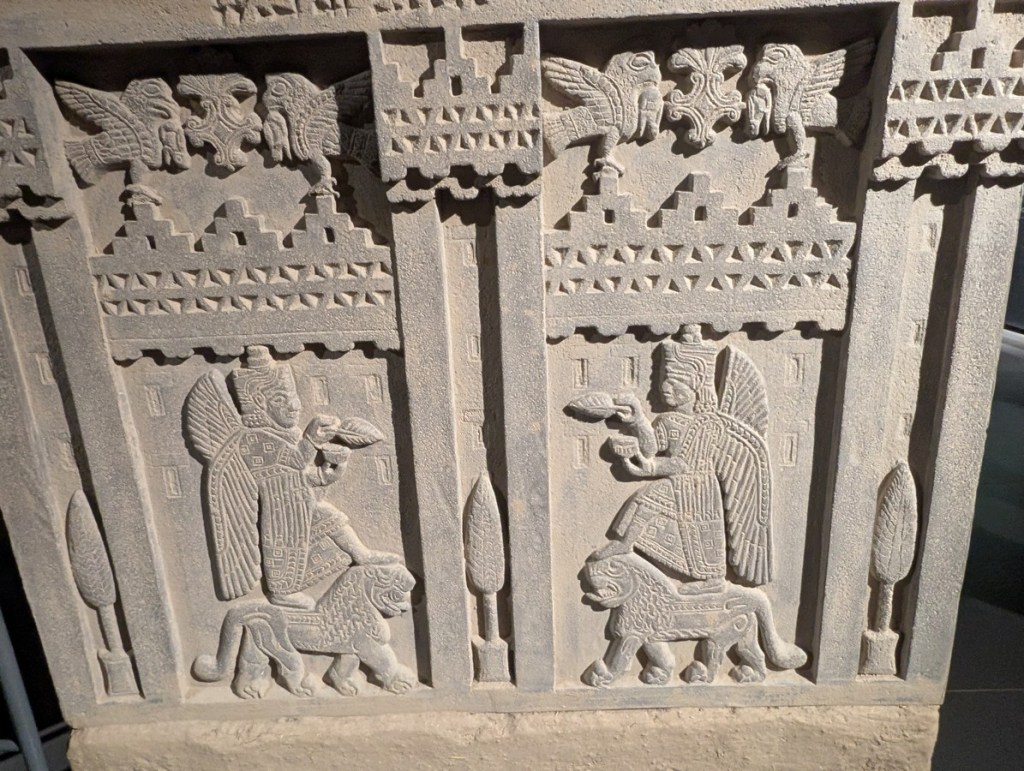
An Urartian carving in the Museum of Van

My trip has left me with a yearning to keep something of the spirit of this place in my soul. And perhaps to follow it up with a trip to Georgia and Armenia. Seeing places which have inspired writers and teachers of wisdom can be both moving, and profoundly instructive in a non-verbal way. I have a better sense now of where this particular line began.
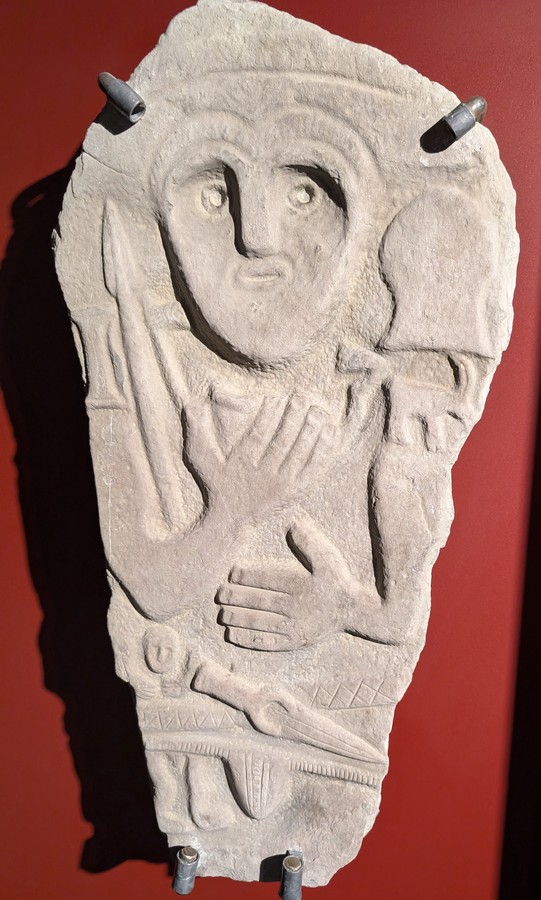
A mysterious stele, one of a number in the Museum of Van, thought to be created by nomadic peoples of Mongol origin

Who was Gurdjieff?

For anyone who hasn’t encountered Gurdjieff, here’s a brief resume: George Ivanovich Gurdjieff was a Greek-Armenian philosopher, traveller and teacher, who lived from around 1866-1949. He came from a Christian Orthodox family, but sought out teachers and sages who could instruct him in ancient wisdom, which he then absorbed, researched and formulated in his own way. Perhaps it’s fair to say that the core of his message is to ‘wake up’ from the sheep-like state we live in much of the time, in order to realise our full being, and allow the self to ‘remember’ its true nature. Although not mainstream, his teaching has had a great impact on 20th century systems for personal spiritual growth. He brought the ‘enneagram’ into public view, now extensively used in psychotherapeutic contacts. His methods are usually taught as ‘The Gurdjieff Work’.

My own connection: While my own path has been chiefly in the tradition of Western Tree of Life Kabbalah, I have also been a member of groups studying Gurdjieff’s writing and his dance ‘movements’. I’ve also read and re-read his books over the last fifty years, plus practically all the memoirs written about him. I am not a fully-fledged Gurdjieffian, but I admire and respect his teachings.

‘Meetings with Remarkable Men’

The places featured here are those mentioned in Meetings with Remarkable Men. Here, in the ‘Second Series’ which follows Beelzebub’s Tales, Gurdjieff describes his early life and some anecdotes from his boyhood, followed by a search for truth and ancient teachings as a grown man, in remote areas of Central Asia and beyond. Was this memoir a genuine account of his life and wanderings? My own view is that many of these ‘later ‘meetings’ from his adult years are most likely to be fictionalised, semi-mythic accounts of what may have been real events. They convey their own truth, but not in literal form, But I know of no reason to doubt that most of his descriptions of his childhood and adolescence are genuine memoir. His visit to Ani – again in my own opinion – is one most probably based on his personal knowledge of the ruined city, which was within easy reach of his two home cities, Kars and Alexandrapol. What he found there is a matter for speculation!

My cousin, Ned Despard – Hero or traitor?

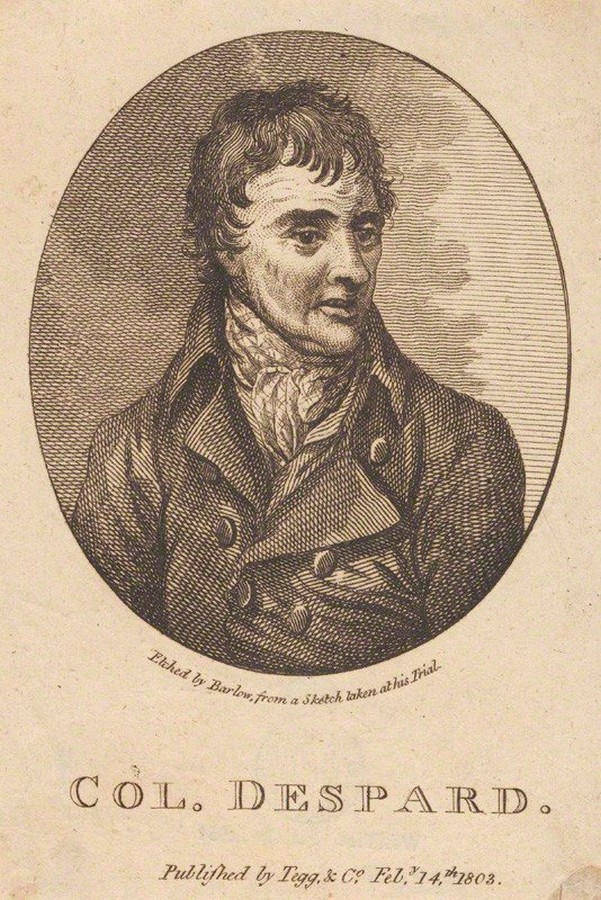
Discovering Colonel Edward Marcus Despard (1751-18030)

What are the chances of discovering an ancestor via a popular TV drama? Unlikely, I would have said, until it happened to me. Although I’m a keen family historian, with years of diligent research behind me, it was only through watching ‘Poldark’ that I found one of the most interesting, radical and unusual ancestors ever to grace my family tree. I had better say straight away that this ancestor was also hanged for treason. However, many believed that he was falsely accused, and new scrutiny has led to historians reclaiming him as a champion of human rights, rather than a traitor to his country. Colonel Edward Marcus Despard, I am proud to meet you as a cousin!

Enter Ross Poldark

Ross Poldark, played by Aiden Turner, on another romantic mission as he storms across the Cornish cliffs

‘Poldark’, for those who don’t know, is a televised series of historical and romantic Cornish novels by Winston Graham, featuring scenes of handsome Ross Poldark galloping across the clifftops, and getting into various scrapes, often with the beautiful red-haired Demelza by his side. I probably wouldn’t have watched it so diligently, except that it already featured something else from real life that I was interested in. Scenes set in the ancestral home of the Poldarks, allegedly in Cornwall, was actually filmed at Chavenage House. This charming manor house near Tetbury in Wiltshire was where Robert and I had our wedding reception in 2009. It was also in use as a location just before and after our reception – guests wandering outside for a breath of fresh air bumped into actors Tom Conti and Susan Hampshire as they shot the final scenes for a film loosely based on a story by Rosamund Pilcher, for German TV. So I was thus glued to Poldark Series 5 on the screen one evening, with the aim of reliving our happy day, when I noticed that among the prominent characters was an Irishman named Despard. In the storyline, he becomes a battle comrade of Ross Poldark, and joins him, if I remember rightly, in an improbable escape from prison in France.

Below are some shots of our wedding at Chavenage House, Tetbury, the fictional seat of the Poldark family

I pricked up my ears: ‘Well, I have a line of Irish ancestors called Despard.’ My many-times great grandfather, the Huguenot Philip d’Espard also fled France, but in entirely different circumstances, during the first wave of religious persecutions against the Huguenots in the mid-16th century. He became a high-ranking engineer, appointed to Her Majesty Queen Elizabeth 1st’s service in Ireland, acquiring money, land and status there. The family name shifted from d’Espard to Despard; his great-granddaugher, Alice Despard, married Richard Phillips (my maiden name) in 1697, and becoming my 7 x gt grandmother, did she but know it. I’d already heard about her from my father’s research, and was proud of having a few drops of French blood in my veins. But then Poldark was fiction, so it was a coincidence, surely? However, Despard is unusual as an Irish name, so maybe it was worth checking out.

And so I discovered that ‘Ned’ – Colonel Edward Marcus Despard – was indeed my second cousin, several generations ago. Although Poldark’s Ned Despard is almost nothing like the original in terms of character and background, the real and fictional storylines converge in the sad endings of Ned’s public execution. This was a public drama in itself, with many pleas for clemency from some of the highest figures in the land, who knew and understood Ned’s worth.

Representing Ned

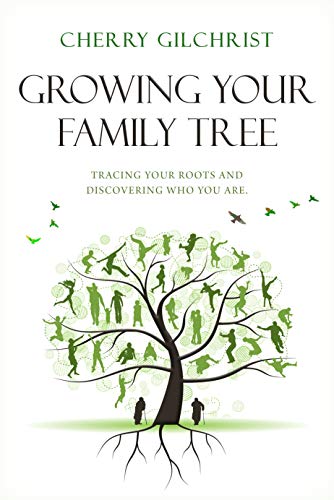
I wanted to learn all that I could about this cousin and his life. And then to write about him – but this hasn’t been so easy. This blog has been brewing for a few years now. I made several attempts to get it going, but each time it stalled, until now, when I hope I have lift-off. Not because I lost interest, but because the more I looked into the subject, the more it seemed to grow hugely. How could I do justice myself to his story, in a brief and somewhat personal way? Actually, I don’t think I can. The historical aspects of his military campaigns, governorships, and finally his alleged association with revolutionary radicals, is indeed too complex and detailed to represent adequately here. I can only refer you to Mike Jay’s excellent study of Ned Despard, (see the cover at the start of the post) and to the various potted biographies that you’ll find on line – eg on Wikipedia . My role here is more to draw your attention to his story, and celebrate my discovery of him as a relative.

I will begin with the end.

At the Gallows

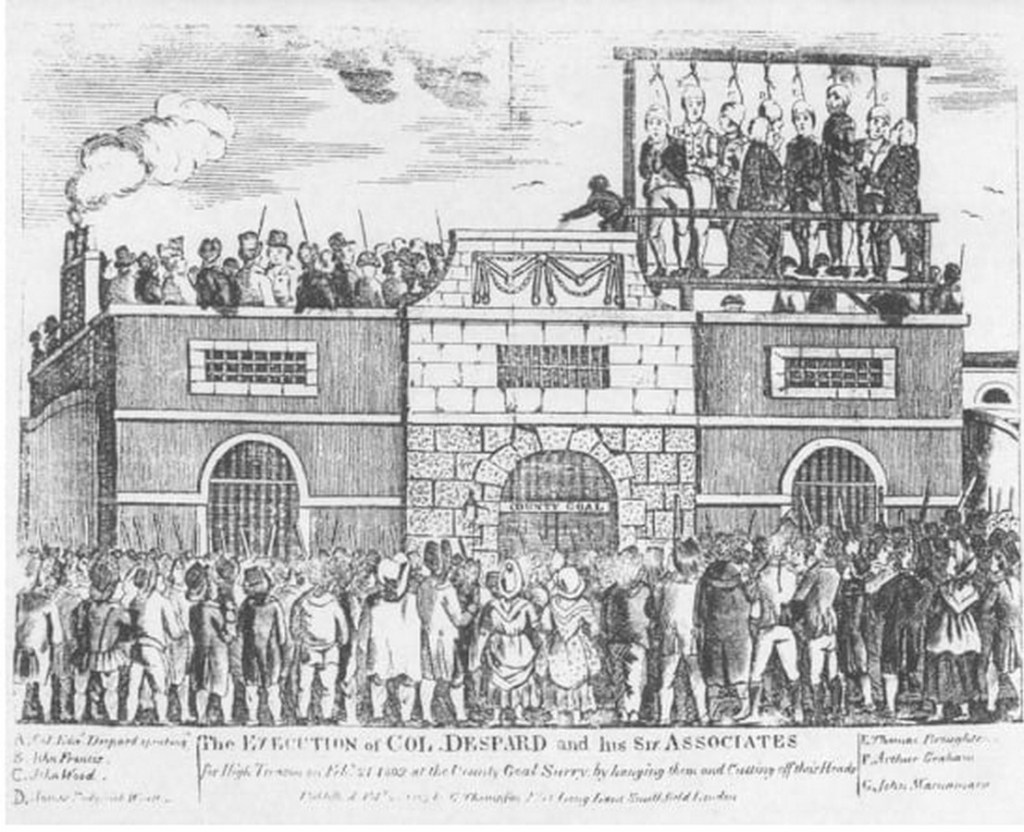
On Monday February 21st, 1803, Colonel Edward Marcus Despard was executed. A huge crowd of some twenty thousand people had gathered to watch him and his six fellow prisoners go to their deaths, on a public scaffold erected near Surrey County Jail, on what is now the south bank of the Thames. They were condemned as conspirators against King and country.

The event made its way into newspapers up and down the land, describing the public executions in minute detail, in the nature of a spectacle. But yet without this eagerness of early newspapers to report every element of a crime, court case or hanging, we wouldn’t have such a vivid picture sketched of these events. When it was Ned’s turn for the gallows, he asked permission to make a final speech to the crowd. This granted, he spoke passionately on the subject of justice and equality. (I’m including his words further on in this account.) Some of the newspapers sat in judgement – The Times called Ned’s speech ‘treason’ – and yet by today’s standards, it lays out the bedrock of a fair society. As Mike Jay points out, it is in fact in keeping with the modern United Nations declaration of human rights. (Jay, p.7)

After the speech, Ned stood on the scaffold platform with dignity, and addressed one of his fellow prisoners: ‘Tis very cold – I think we shall have some rain.’

But that ‘we’ no longer included him, for these were his last few words, and within a few minutes he was dead. He had already politely refused the counsel of priests, saying that he had quite made up his mind about God. and that his own religion already resided in his breast. He was then executed, by hanging and decapitation, on a charge of treason.

The evidence against him was flimsy at best, and false at worst. He received some small mercy in that the original sentence of being ‘hanged, drawn and quartered’ – the last man in British legal history ever to receive this full sentence – was repealed at short notice to remove the barbaric ‘drawing and quartering’. Even though he had loyal friends in high places, such as his old comrade-in-arms Horatio Nelson, they couldn’t commute his sentence further.

What had he done?

Colonel Edward Marcus Despard was condemned as a dangerous revolutionary, the charge against him being that he was planning to kill the King and overthrow the government. But there was no real evidence for this, certainly in terms of regicide or plotting a revolution. This was a man who’d been loyal to the British Crown through thick and thin. But since returning to London, he’d kept company with a few radicals, and was certainly interested in ideals of equality and reform. And in those days of paranoia about possible Revolution, that proved enough to hang him

An impression of the French Revolution by Delacroix. The British Government did not want such terror replicated in their domain

He was singled out for infamy at a time when Britain was gripped by paranoia about a possible revolution. The government feared that the Revolution in France in 1789-99 might be replicated on British soil. Suspicion was rife, informers were everywhere. The earlier youthful idealism over revolution, such as was embraced by the Romantic poets Shelley, Byron, Coleridge and Wordsworth, was no longer acceptable. (see Romanticism and the French Revolution)

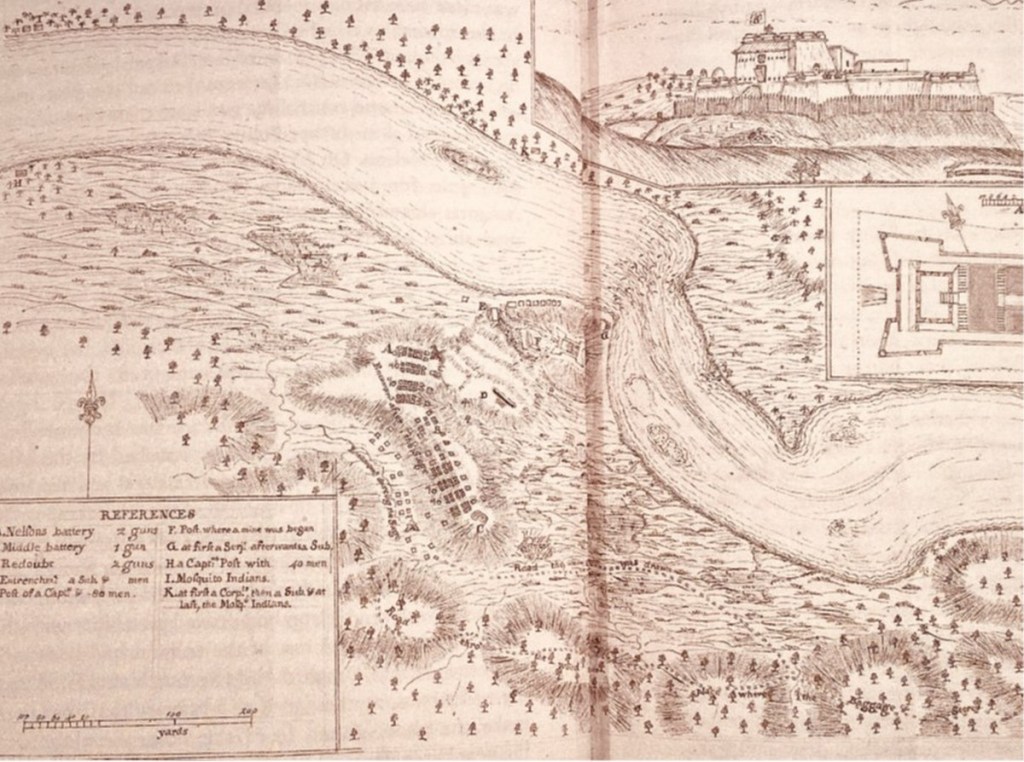
Yet Despard had served the British Government faithfully, at first as an army engineer and expedition leader, fighting bravely as a comrade alongside Nelson in campaigns in the Caribbean and Central America, where they managed to recapture Fort Immaculada from the Spanish. Both men suffered disease and hardship in the process – it was certainly no easy ride out there for officers either. Ned’s talent as a draftsman had been quickly recognised, and he was empowered to plan the routes for the military campaign. The image below, now in the British Library, is thought to be one of his original drawings, of the ill-fated Fort Immaculada. The British troops seized it back from the Spanish, but triumph was short-lived, as they suffered in the humid, disease-ridden climate, exacerbated by the damp walls of the fortress in which they were incarcerated once they had conquered it. (Jay p. 55)

A map of Fort Immaculada, now in southern Nicaragua, near the border with Costa Rica, probably drawn by Edward Marcus Despard
Below, the remains of the fort today

After serving in military campaigns, Ned Despard proved himself as a responsible and conscientious governor in the British-ruled Honduras. That was no easy ride either, dealing with the conflicting interests of the volatile mixed population there. He stuck it out bravely, and only came back to England when he was completely out of funds, trying to reclaim the expenses owed to him, which he had subsidised out of his own pocket, including providing hurricane relief to the population.

The young Horatio Nelson, a close friend and comrade-in-arms of Edward Despard

After the headline news of his execution, Ned Despard almost disappeared from the public eye, until recent times – and even now his name and fate are little known, although some historians today do now consider that his death was one of the most important events of the age. ‘The day of Colonel Edward Marcus Despard’s execution is one of the most dramatic, and strangely forgotten, in British history.’ (Mike Jay) Perhaps this was because he was an anomaly, a one-off, who didn’t fit conveniently into the category of either public enemy or conventional British hero. And as we’ve seen in Britain recently with the Post Office scandal, where hundreds of sub postmasters were wrongly convicted of theft, injustice can go strangely unnoticed until the right exposure of it catches the public interest. In the case of the Post Office, the dramatized version on television suddenly woke the country up to what had been a huge miscarriage of justice. It’s too late now for Captain Ned to get justice, but at least we can get to know his story better.

Catherine, the wife

One of the other remarkable things about Ned Despard was that he married a black woman from Jamaica. This was a rare and bold thing to do at the time, especially when he returned to England with her. Although race was not openly discriminated against in Britain at the time, genuine mixed marriages as opposed to concubinage were certainly not the norm at the turn of the 19th century.  Ned’s marriage was fuel for his critics to throw on the fire. One of the reports against him sneered that when Ned was seized from home in London to be taken to court, he had been ‘found in bed with a black woman’ – no mention of her being his lawful wife.

Even some of the Despard family and their descendants spoke of her being a housekeeper, rather than acknowledging her true position. Jane Despard, a niece of Colonel Ned’s, wrote loftily in her memoirs in 1828: ‘Whether the unfortunate man was ever married to his black housekeeper or not according to his own notions I do not know, but Uncle Andrew, the only one of the brothers who kept up much intercourse with him…seems to think he was not. She was one of the train of black servants he brought over with him.’ She mentions that after the execution, although Catherine was granted a pension, ‘of course none of his relations would acknowledge her’ and she went to Ireland, ‘and there she died’. Actually, what happened to Catherine later on is uncertain, but it is clear that without her husband to vouch for her, the ‘black housekeeper’ was relegated to a position way outside of the family circle. She did apparently have some genuine friends and allies among her husband’s supporters, so there’s hope that she was able to live privately in reasonable peace and comfort.

Catherine was in fact an educated woman; her mother had been a ‘free woman’, so neither she nor her daughter was a slave. Catherine was capable of mixing in upper circles of society and showing the social manners required. She petitioned for her husband tirelessly during the years he was kept in a debtor’s prison pending the final trial. One of her letters survives in the National Archives, a plea that he should be kept in better conditions. This is my transcript of her writing, as far as I can decipher it:

Dear,
I take the liberty of requiring to know of you if there any order from His Grace the Duke of Portland, for the usual allowance of state prisoners to be given to Colonel Despard, who is confined in the House of Correction, in Cold Bath Fields, five weeks next Sunday, without the common necessaries of life. When he was first taken to that prison, he had one of the upper apartments given him, which he found very airy, but since his commitment he has been removed to the ground floor, with not so much as a chair to sit on or a table to take his vitals of[f]; where he finds the mornings and the evenings very cold, and not so much as a fire to warm himself; and where he is deprived of books, pen, ink, and not even allowed to see me but for a few minutes, and that among felons and people of the worst of crimes. In consequence of I wrote to His Grace the Duke of Portland this day is a week (?) to request His Grace will be pleased to direct (some) change to be made in respect to his treatment, but as I did not mention my address, I presume is the (cause) of my not receiving an answer. I entreat Sir that you will be so obliging as to let me know whether anything is dun [done] or will soon be dun [done] to alleviate his distress (?) for in short he is treated more like a vagabond than a gentleman or a (?) prisoner.

I am Sir your most obedient (?)
Catherine Despard
Friday Morning
Upper Berkeley Street

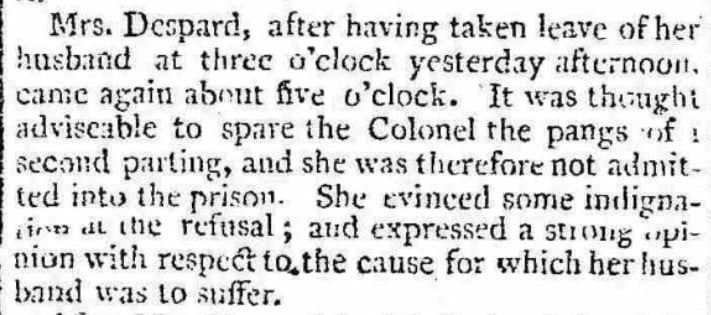
Right up until the bitter end, she fought to stay with him, as the newspapers reported when she asked for one last chance to see him in prison:

The fictional version of Ned and Catherine Despard, as they appeared in Poldark

Ned and the Huguenot line

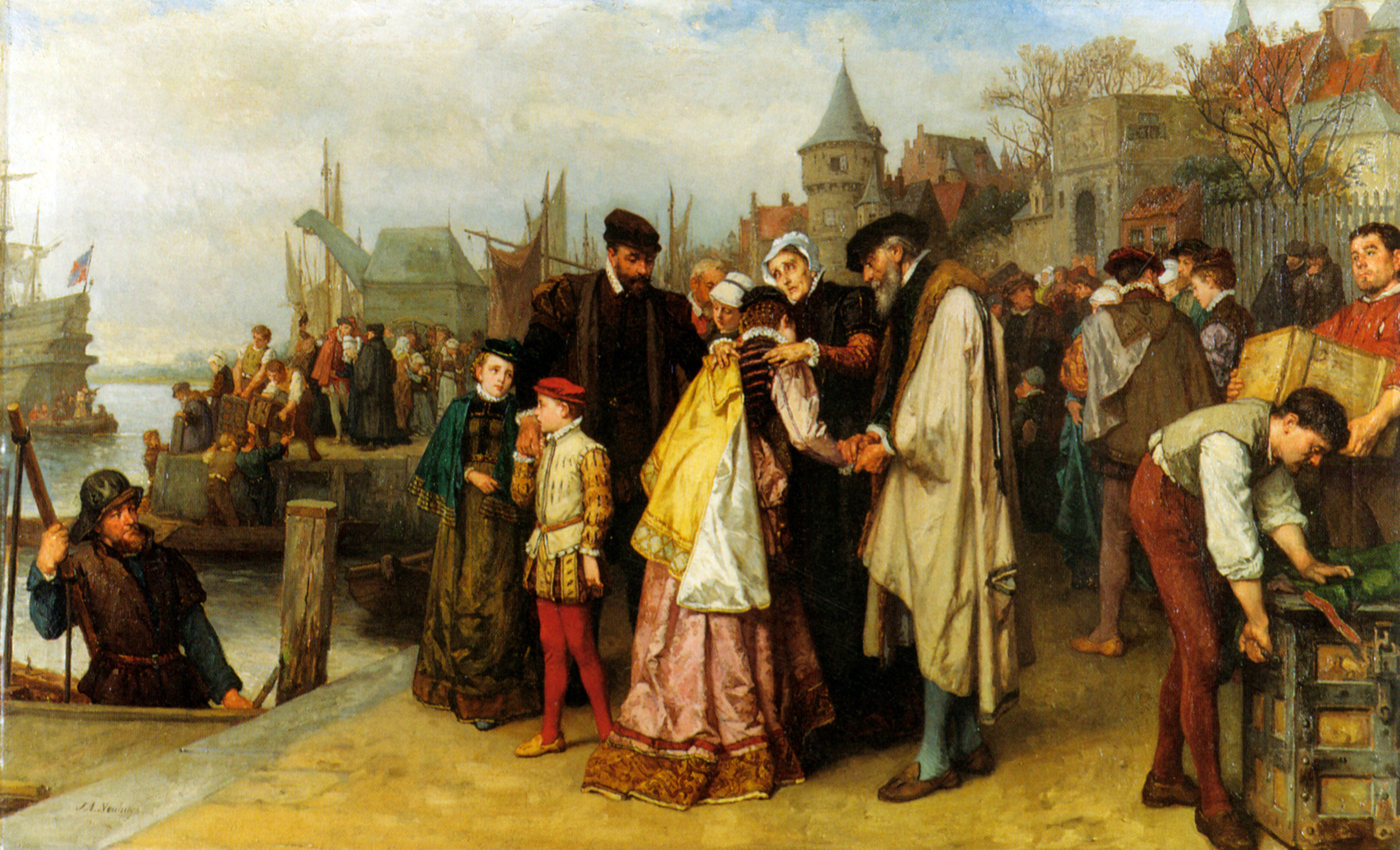
The first member of Ned Despard’s line arrived in Ireland from France during the reign of Queen Elizabeth I, fleeing the persecution of Huguenots after the St Bartholomew’s Day Massacre. (See Refugee Ancestors: A Huguenot Famiily in Devon). Philippe d’Espard, as he was named, must have moved in esteemed circles in France, since he was swiftly appointed as ‘Engineer, Royal commissioner for Queen Elizabeth I for confiscated church lands’. (The question of Irish-English relations is of course a vexed one, which I won’t go into here.) This aptitude for engineering, seems to have passed down through the family, as his grandson William Despard (1635-1717) became Col. of Engineers for King William III. Edward Marcus Despard, our subject here, born in 1751, was Philippe’s 3x great grandson, and he too was singled out for his skill as an engineer and draughtsman when he joined the army. The family generations also made money from mining iron ore

In the various studies of Ned Despard that I’ve read, it’s assumed that by the time he was born, the Despard family had merged seamlessly with Anglo-Irish gentry. In one sense, that’s almost certainly true, bearing in mind how my 7x grandmother Alice Despard, (Ned’s great aunt), was assimilated into the Phillips families of Kilkenny and Tipperary. Alice Despard became betrothed to Richard Phillips in 1697, and the contract (discovered by my father during his research) was drawn up ‘between Richard Phillips of ffoyle [Foyle] in the County of Kilkenny Gent of the one part and William Despard of Cranagh in the Queens County Gent’ . Alice’s father William was to pay Richard £230, and Richard would settle his estate upon their children.

However, even if Alice became a proxy ‘Phillips’, I suspect that it may have been different for those who carried on the Despard name. Overall, little attention has been paid by biographers so far to Ned Despard’s Huguenot roots. But those origins were not so far in the past, just six generations back. I was told tales about my 3x maternal grandfather by my own grandfather, who recounted how Edward Owen was a foot soldier in Wellington’s army, fighting Napoleon. (He got the details significantly wrong, but there was enough info for me to trace Edward’s career in the 84th Regiment of Foot, as it turns out!) And in regard to the Huguenots, surely the further persecution of them in France after the Revocation of the Edict of Nantes in 1685, just 65 years before Ned was born, would have still reverberated through the Huguenot communities already in exile? An account of Huguenot refugees in Ireland can be found here, though note that this particular Despard line almost certainly fled to England first, before Philippe d’Espard took up residence in Ireland.

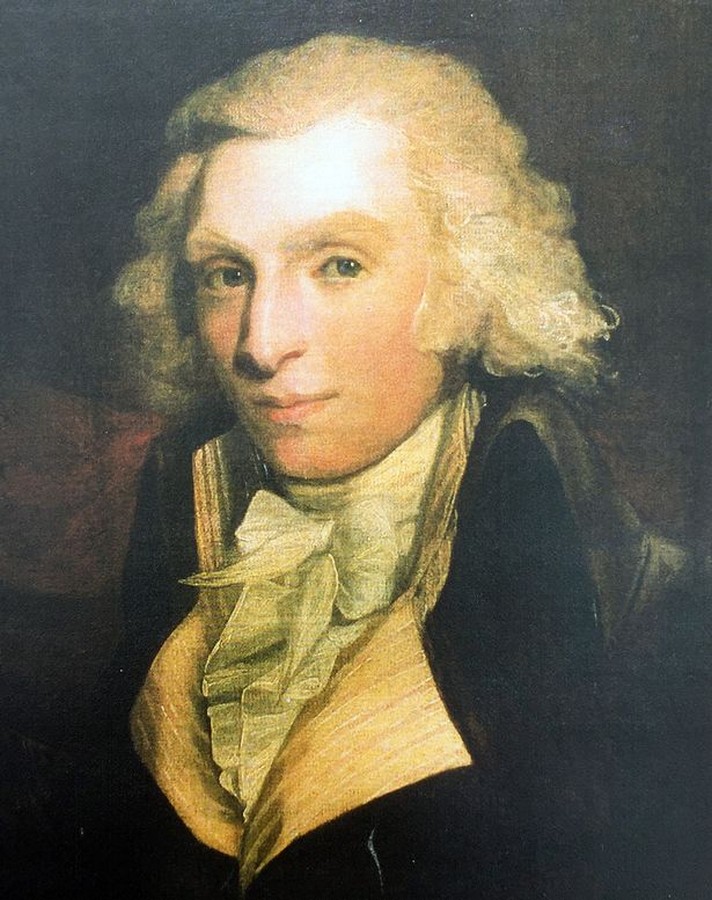
Left to right: Edward Marcus Despard, (a portrait possibly painted by George Romney), centre: my great uncle Samuel Phillips b. 1849: right, my father Charles Ormonde Phillips b. 1913 on his graduation from Cambridge. Do you see a likeness? I certainly do!

Ned stands up for justice

I think that it’s likely a readiness to fight injustice was already running through Ned’s veins. His family had stood up for religious freedom, and were among the Huguenots who were exiled, executed or massacred for their beliefs. Their values of tolerance and inclusiveness might still have been deeply felt by the Despard family in Ireland, by some family members at least. And until his ‘disgrace’, Ned Despard was appreciated by his family, even if claiming the credit for his good characteristics: ‘In his manners he was like the rest of his family, a perfect gentleman,’ his niece Jane Despard claimed. Others too remarked on his mild manner and desire for fairness. Jane nevertheless tuts over his pride and ‘lack of religious principles’; in his youth, ‘this unhappy man, Edward Marcus, used to detest alike his grandmother, bible and coffee, and to avoid both when he could.’

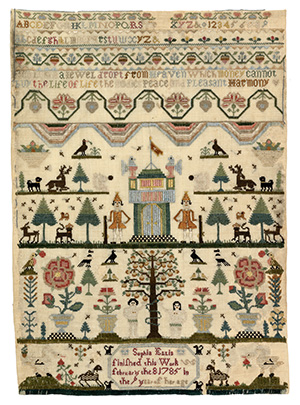
Jane relies on family hearsay, as she herself never met this uncle, and it sounds as though he was practically airbrushed from family history after his execution: ‘His fate is known to you so I need not enlarge on it. People talk of him now according to their political bias, but we may leave him to his heavenly Judge.’ Despite Jane’s shortcomings as a biographer, and her distance from her uncle in time and proximity, it is nevertheless wonderful to have some first hand family recollections about him. (In an earlier post, ‘A Tale of Two Samplers’, I wrote about how I set out to trace the little girls who stitched two 19c samplers which I have in my possession. I mentioned how, after slogging through official records, it was a joy to come across a personal recollection of one of these girls as a middle-aged woman, married to a miller, and giving local children free rides in her horse and cart.)

A desire for justice and equality

Life in the Honduras on a mahogany plantation

During his time as First Commissioner and Governor in what are now the Honduras, Ned Despard focused on fairness for all the peoples of his colony, irrespective of their status or colour. He had some very awkward folk around to deal with – the Baymen guarding their plantations, the Shoremen with semi-legal trade. There were Maroons, who were runaway slaves, plus Irish convicts and people of assorted ethnicities, including the indigenous peoples of the area, all with their different desires and objectives. Colonel Despard’s insistence that there should be equality between people of different colour and race did not go down well with everyone in the colonies. Ironically, when challenged about this, he said that as British law did not disciminate between races, neither would he in its territories. So were these Huguenot values coming to the fore, carried through the generations, despite his family’s well-established position in the gentry of Ireland? And did these values later inform Ned’s gallows speech when he said that he had ‘been a friend to truth, to liberty, and to … the poor, and the oppressed.’? I leave you with a newspaper report of his final address:

Morning Post Feb 22
Colonel Despard was brought up the last [of the prisoners], dressed in boots, a dark brown great coat, his hair unpowdered. As each appeared on the platform a buzz prevailed throughout the mob, and particularly when the soldiers’ red jackets were seen. Early in the morning Colonel Despard desired to speak with the Sheriff and Sir Richard Ford, to whom he communicated his wish to address the spectators. — They told him they had not the least objection to his carrying that wish into effect.

The Colonel ascended the scaffold with great firmness. His countenance underwent not the slightest change, while the awful ceremony of fastening the rope round his neck, and placing the cap on his head, was performing. He looked at the multitude assembled with perfect calmness. The Clergyman who ascended the scaffold after the prisoners were tied up, spoke to him a few words as he passed. — The Colonel bowed, and thanked him.

The ceremony of fastening the prisoners being finished, the Colonel advanced to the edge of the scaffold, as nearly as the rope by which he was tied up would allow, and made the following speech to the multitude:

” Fellow Citizens, I come here as you see, after having served my country, faithfully, honourably, and usefully served it, for thirty years and up wards, to suffer death upon a scaffold for a crime of which I protest l am not guilty. I solemnly declare that I am no more guilty of it than any of you who may be now hearing me. But, though His Majesty’s Ministers know as well as I do, that I am not guilty, yet they avail themselves of a legal pretext to destroy a man, because he has been a friend to truth, to liberty, and to justice.” (There was a considerable huzza from part of the populace the nearest to him, but who, from the height of the building from the ground, could not, we are sure, distinctly hear what was said.) The Colonel proceeded: — ” Because I have been a friend to the poor, and the oppressed. But, Citizens, I hope and trust, notwithstanding, my fate, and the fate of those, who no doubt will soon follow me, that the principle of freedom, of humanity, and of justice, will finally triumph over falsehood, tyranny, and delusion, and every principle hostile to the interests of the human race. And now having said this, I have little more to add.” (The Colonel’s voice seemed to falter a little here. He paused a moment as if he had meant to say something more, but had forgotten it. He then concluded in the following manner — ” I have little more to add, except to wish you all health, happiness, and freedom, which I have endeavoured, as far as was in my power, to procure for you and for mankind in general.”

For those who wish to read all the details of the execution as published in the press of the day, I’m adding in a PDF version of my transcript of one version (all versions that I’ve come across are in fact very similar). Be warned, it makes for grim reading.

A footnote on the family history:

After my Poldark discovery, I was now keen to claim ‘Ned’ Despard as my ancestor. I set about clarifying the family tree, and reading whatever I could find about his extraordinary life. My father’s line mainly comprises the Phillips family of Tipperary and Kilkenny, but with the entry of Alice Despard, my 7x great grandmother, the link between the two families was forged. It seems that the branches of both families lived fairly close to each other, and that the interaction probably continued. Alice, for instance, went to live with another Phillips relative after her husband died.

My father had put his heart and soul into researching his Phillips genealogy, but stopped short of investigating the Despard line beyond Alice Despard herself. So what he hadn’t followed through became a line of discovery for me! Family historians of an earlier generation, like my father, were often keener to follow through the patrilineal family name (Phillips in this case) rather than branch off into what was sometimes called the ‘distaff’, ie female, lines. This is partly because of our current and predominant patrilineal naming system, where the father‘s name is passed down rather than the mother’s. I think too, that in pre-internet days it made the research much more do-able, following the family name itself through the records.

Could my connection to the Despards be trusted though? DNA can easily reveal nowadays that we are not who we think we are, and there were many coverups of genuine parentage in years gone by. But John Despard, who runs the Despard Genealogy group on Facebook, analysed my DNA test with my consent and confirmed that my family line does indeed join the Despard line in its expected branch in Ireland.

Ned’s fate and future

Ned Despard was first a national hero, then a national traitor in his day – even though thousands still championed him, he was found guilty of plotting to kill the King and plunge the country into anarchy. And although largely forgotten since then, he has turned up again in the unlikeliest of places, in a Cornish romantic adventure series on television. I’m glad that he is portrayed there as a man of honour – perhaps he has another round of fame coming.

And finally –

For those who might want to compare the on-screen Ned Despard with the historical man, here are the differences between the fictional Despard and the real-life one

Behind the scenes

  • Ned doesn’t appear in the novels by Winston Graham.
  • Edward Despard was a real historical figure.[4]
    • Events in Despard’s life were not portrayed by the BBC production of Poldark in a chronological way:
      • He was recalled to England by the Crown in 1790, not 1800. He was investigated for two years, and later imprisoned in 1792 to 1794. He was imprisoned again twice: in 1798, and then again in 1802 to 1803. In the TV show, he was just imprisoned in 1800 and 1801.
      • He was imprisoned for the third time and executed because he was named by the government in a conspiracy to kill King George III in 1802.
      • He was executed on 22 February 1803. In the TV show, he was executed in 1801 instead.
      • He and Catherine had their child before 1790. In the TV show, she doesn’t have a child until 1801.

Of further interest

The Unfortunate Colonel Despard – Mike Jay (Bantam Books 2004, 2019)

Memoirs of Edward Marcus Despard – James Bannantine

The Despards in Ireland 1752-1838 – Jane Despard

Red Round Globe Hot Burning – Peter Linebaugh

The British Newspaper Archive – for accounts of the trial and execution

Stop Press! A new novel about the extraordinary and brave life of Catherine Despard, wife of Ned Despard, has just been published by Willie Orr. ‘Not one of Us: the Unwanted Mrs Despard‘ is available in printed and electronic version via Amazon, Barnes & Noble, etc.

Facebook Despards – https://www.facebook.com/groups/despard -for further contact between different Despard lines of descent.

Refugee Ancestors: A Huguenot Family in Devon – a previous blog in Cherry’s Cache, charting the escape of another Huguenot family in my ancestry, the Mauzy family, who fled from La Rochelle to Barnstaple

Acknowledgements

With grateful thanks to Mike Jay, for his email correspondence, and the references and information which he supplied

And to John Despard, of the Despard Genealogy Facebook page

An Interval for Cherry’s Cache

Some years ago…by a camp fire in Russia

Cherry’s Cache has been running since March 2020. In that time, I’ve written 107 posts – 108 including this one! That’s a total of around 233,000 words, or the equivalent of at least two novels. Maybe three.

I said at the beginning that this would be an ‘All and Everything’ blog and indeed it is. I’ve shared a variety of my favourite topics, mysteries, marvels and life stories with you on subjects ranging from alchemy to Black Country humour. And it’s also given me the incentive to research further into these and other topics, and to follow up new leads.

So I’m now going to put the Cache on pause for the moment. This gives me the chance for a breather, and to draw together new material – I’ll see how it goes in the next few months.

But in the meantime, please do continue to browse the 108 posts, and I’ll be delighted to receive any further responses from you. It’s warmed my heart to hear of posts which have perhaps inspired you or reminded you fondly of former times. Messages sent via the Contacts page are forwarded on to me and I’ll respond when possible.

Woman and Horse by Elling Reitan – from a limited print edition which I purchased in Norway. I particularly admired the alchemical elements of his art.

Here are examples some of the existing posts, to tempt you to explore further. And don’t forget, you can search for any title, topic or keyword using the search bar on the Home Page of the website.

Remarkable women

Anna Zinkeisen and the Zodiac Calendar
Noel Leadbeater and the Secret Army
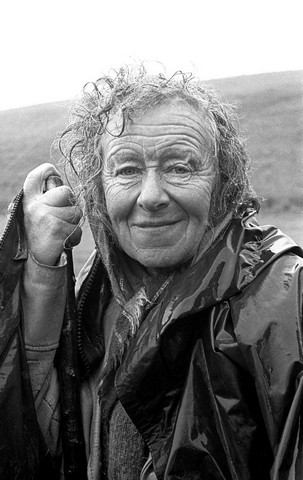
Hope Bourne, A Wild Woman of Exmoor
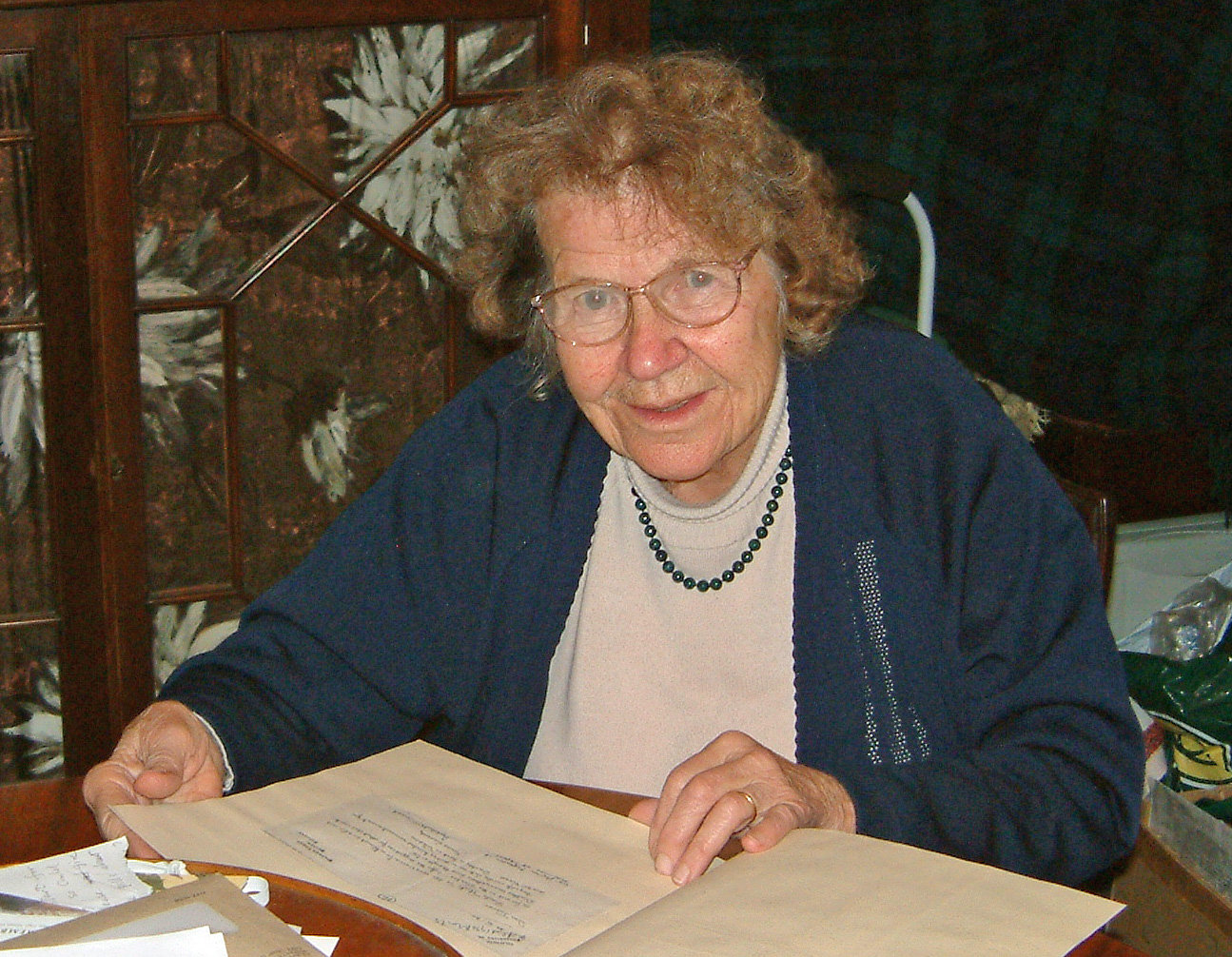
Venetia Phair: the Woman who Named Pluto
A Pixie in Bude – Pamela Colman Smith, Tarot artist

Below, l-r: Anna Zinkeisen, Noel Leadbeater, Hope Bourne & Venetia Phair

Hidden Treasures
Angels in the Roof
A Tale of Two Samplers
Stories from the Christening Mugs 1
Stories from the Christening Mugs 2
The Legendary Art of the Russian Lacquer Miniature

Contemplative themes
The Moon Meditation of Kuan Yin
When the Egg Cracks Open
Encounters in the Bazaar
On the Ancestral Path
Eating Apples and the Distillation of Memories

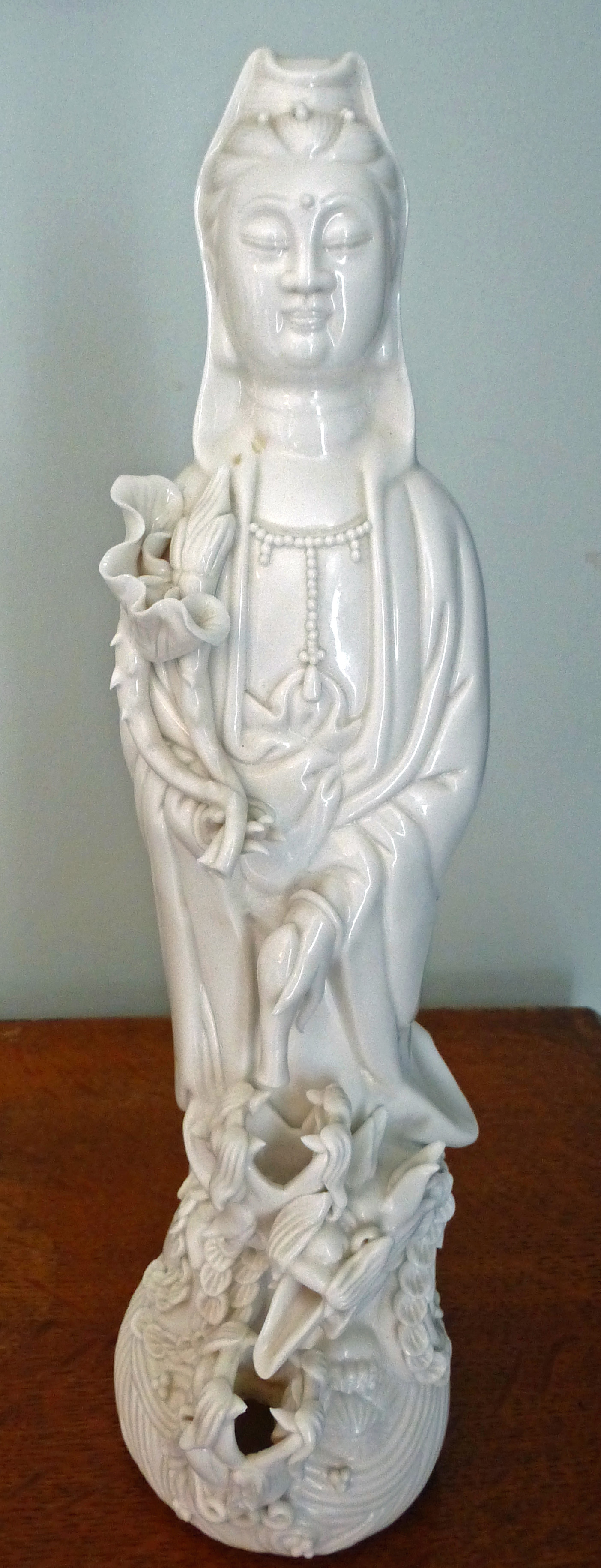
Kuan Yin, goddess of mercy, aligned with the Moon and the Madonna

Mischief and Folly
Alchemy and the Trickster
The Fool and his Feast
Crazy Times in Cambridge
The Cosmic Zero: Getting Something from Nothing

Customs and Celebrations
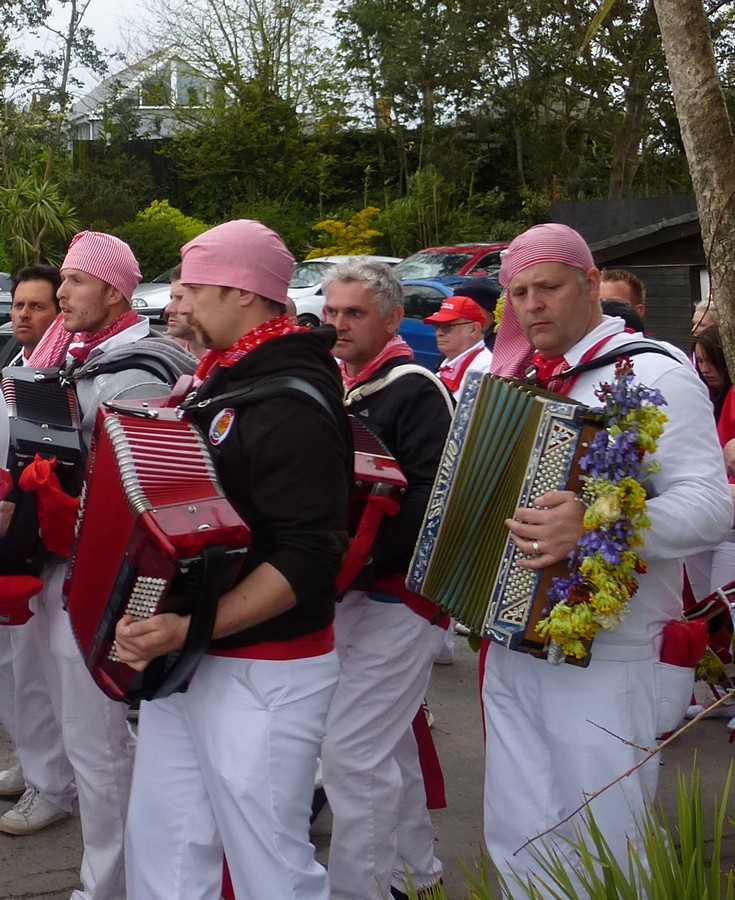
Mayday in Padstow
At the Horse Fair, in Stow-on-the-Wold
The Coming Coronation 1 & 2
The Twelve Days of Christmas

Stories from the Family Tree
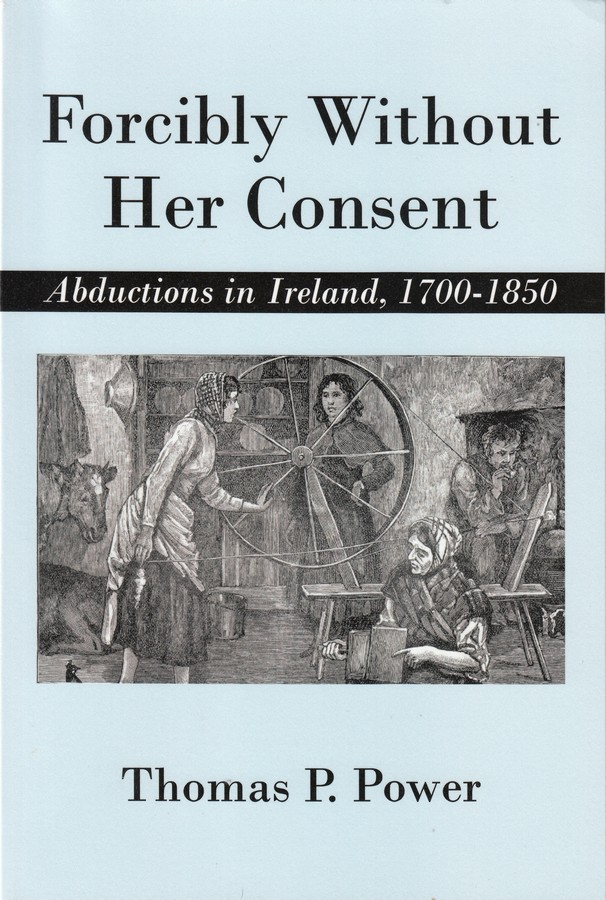
The Abduction of Mary Max
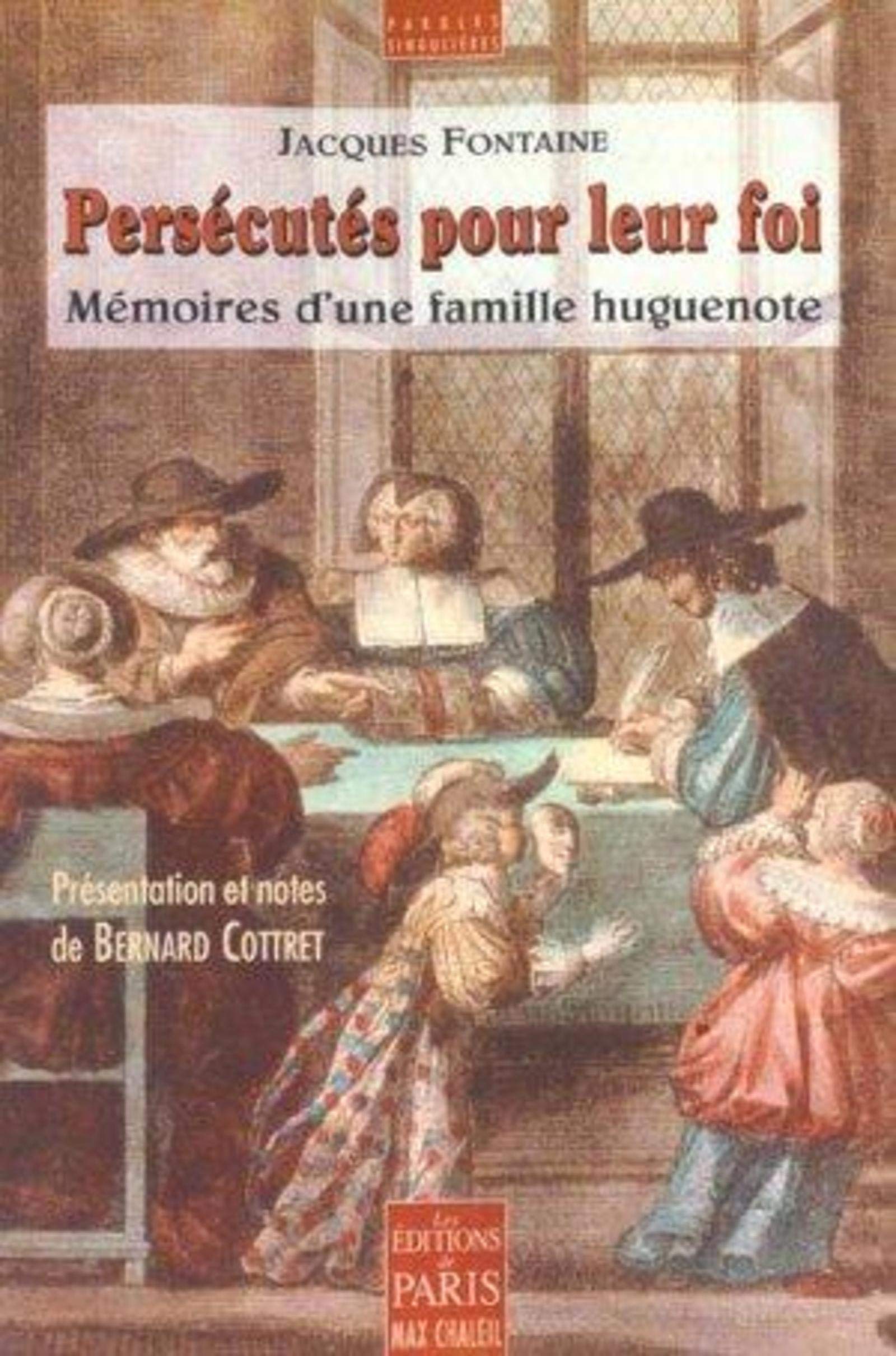
Refugee Ancestors: A Huguenot Family in Devon
A Coventry Quest: Finding a Grandfather
Seduction, Sin and Sidmouth: An Ancestor’s Scandal

A Writer’s Life
Writing for Jackie magazine
Keeping it simple with Princess Diana
The Perils of Publishing
A Poem in the Royal Albert Hall

Themed Series

Topsham
Tarot
The Silk Road

Just enter the key word (s) in the dedicated search bar to see the different posts in each of these series.

And the favourites?

Finally, what have the all-time favourite posts been? Which have attracted the most views? I love to look at the stats!
Without a doubt, the front runner is
Pangur Ban and the Old Irish Cats
Followed by Enoch and Eli, the Heroes of Black Country Wit
Then The Moon Meditation of Kuan Yin
And The Red Corner and the Symbolism of the Russian Home.

And which is the most neglected?
The Unusual Exhibition – one of the earliest posts about an exhibition where paintings and horses mingled. Do take a look! Bump up the views and enjoy some splendid art by my husband Robert Lee-Wade

That’s it for now! I look forward to seeing you all again later on. You can also find me at my author’s website, http://www.cherrygilchrist.co.uk.

Another print by Norwegian artist Elling Reitan, in my collection. Reitan’s work appealed to me because it carries a hint of alchemy and the elements.

Some of the books I’ve written which have been key to these posts:

Shamans, Lunatics and a White Glove – A Summer Bulletin

This is the first time during the summer period that I’ve posted on Cherry’s Cache. I’ve been very busy with other activities, and preparations for a house move to come. So it’s time I put up a Bulletin Blog, with updates and with snippets of stories which might interest you. Plus some hints of what might be coming along later!

100 today!

Celebrate…my 100th post on Cherry’s Cache! This is it. Little did I think when I started this blog, back in April 2020, that I’d reach this milestone. (216,826 words later…Oh, not quite halfway to War and Peace then.) Thank you, readers! I really appreciate your support. 100 and rising.

The Shamans

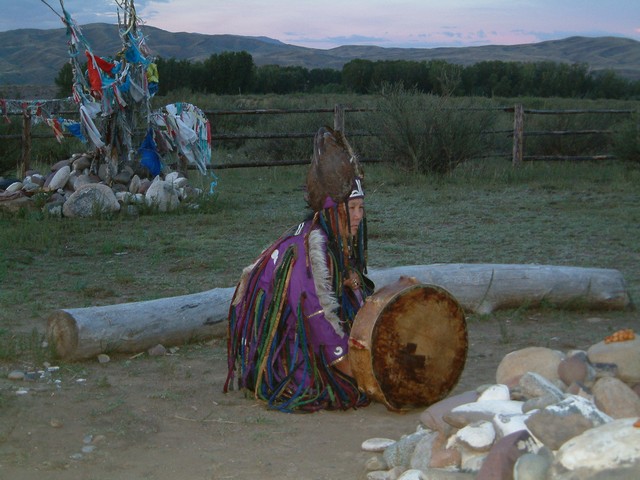
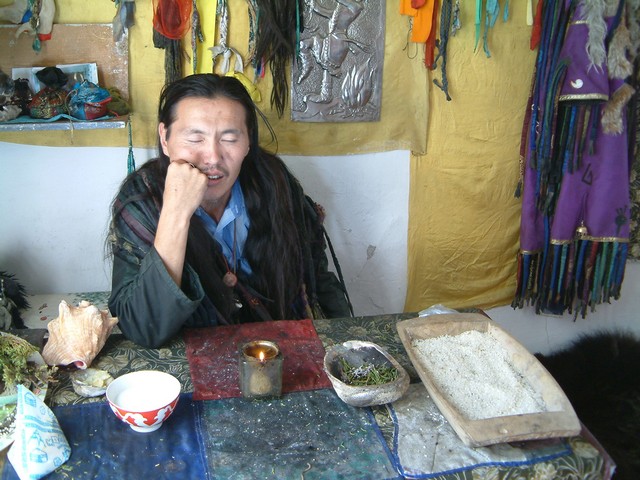
I will be giving a talk on ‘Siberian Shamanism in Person’ on Sun July 16th – ie very soon! This will be in audio internet format, and all are welcome to join. It’s hosted from the USA by R.J. Stewart and Anastacia Nutt, in their ‘Salon of the Western Mysteries’ series. Registration costs, timings (BST 6pm) and all other details can be found here . I’ll be speaking about my journey to Southern Siberia, where I met a practising shaman and discovered much about the local traditions – the relationship to nature, the power of the spirits of the land, and other fascinating elements of native culture and cosmology. You can find some aspects of this in an earlier blog which I posted about the encounter at . The talk itself will go further than this, and there will be opportunities for questions. The app used is ‘Go To Meeting’, which is easily accessed via a link sent to participants. I’ll say no more until the day!
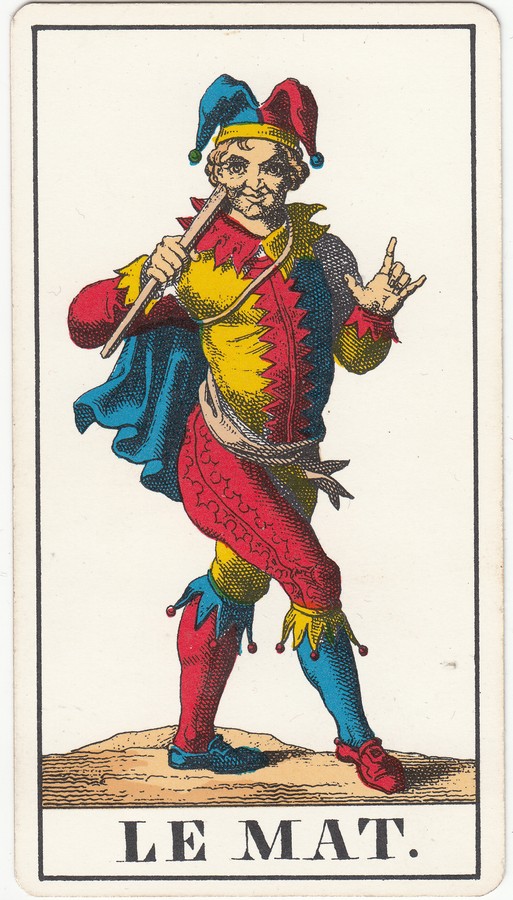
The Lunatics

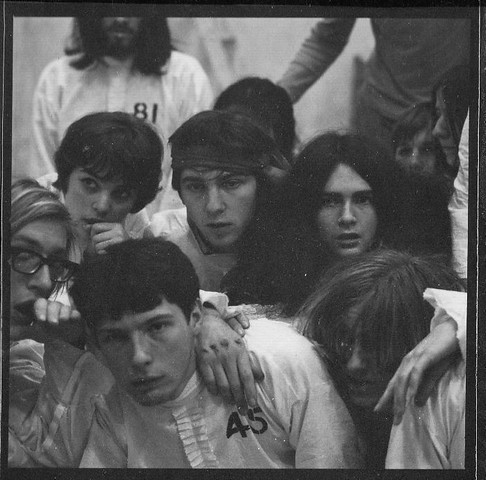
Then – here’s an update on Marat Sade, as it was acted in Cambridge by a bunch of students (including me) in 1969, with the innovative, somewhat controversial theatre director Bruce Birchall. See my previous blog about the occasion. . Many of those in the original cast have contacted me with their memories of the production – an iconic event in our days at university there. Finally, Briony Garety – formerly Janet Young – sent me the golden document that I was missing: the duplicated, typed cast list of Who was Who. Do you recognise yourself in the list?

I like the high-handed instruction that the Programme ‘should be read before or after the event, and should not be brought on the night, please.’ I wonder if there was full compliance? I daresay the director felt it should be more of a ‘happening’ than a conventional stage production. Wielding a programme would perhaps diminish the immediacy of the experience, which was meant to be immersive, as we lunatics leered at the audience. (I don’t think we actually molested them, though.)

It was a momentous event and Bruce was a hard act to follow.

I’m the one with the long dark hair, top right…

And then – The White Glove

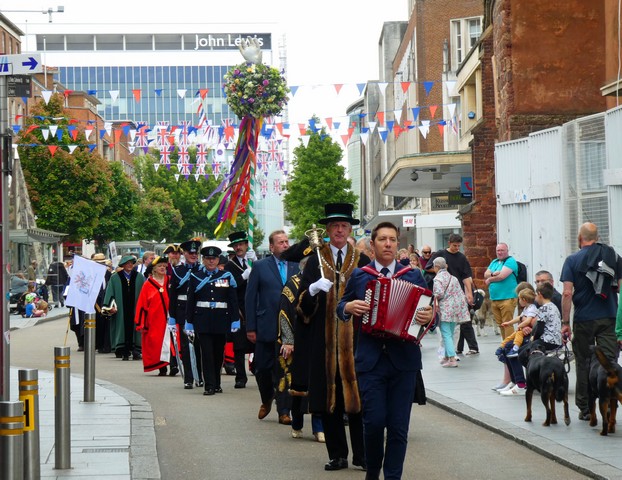
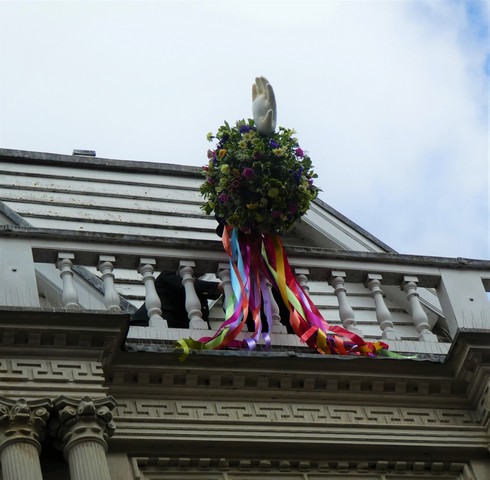
This week, I paraded with a contingent of the Exeter City Red Coat Guides in a procession which dates back 900 years – for the opening of the Lammas Fair. Last year, I visited with a fellow guide, and we decided to ask if we could join in. Our bright red jackets are born to march, after all! This year, the council invited us to do so.

Here’s the story of the Lammas Fair, taken from the Council’s own website.

And yes, I know that strictly speaking Lammas should be the 1st August (quartering the year with Halloween, Candlemas and May Day in the old Celtic and British traditions) but, well, Exeter decided to do it differently. Today’s parade marks the opening of the annual Craft Fair on Cathedral Green.

(The photos of the procession are mine, some from previous years; thanks to Red Coat Guide Susie Newton for the picture of us in action.)

From Exeter City Council:

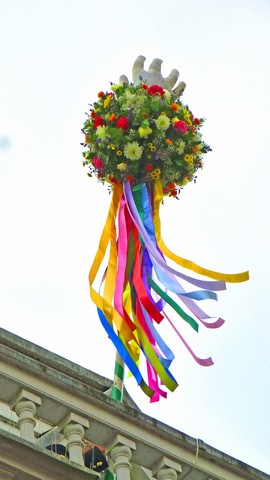
The wonderfully quirky tradition of parading a big white glove through city centre streets was today maintained in Exeter. Lammas Fair was celebrated in Exeter and at the end of the occasion, the big white glove was hoisted high above Exeter’s historic Guildhall, where it will remain for the next three days. Today’s Lammas Fair saw colourful pageantry in the heart of Exeter. The event got underway at 11am, with the Lord Mayor’s procession of the Lammas Glove, including civic dignitaries and Morris dancers departing from the Civic Centre.

The procession travelled down the High Street to the Guildhall, where the proclamation was read out and the glove hoisted above the balcony… The annual ceremony of the Proclamation of Lammas Fair dates back to before the Norman Conquest, more than 900 years ago. The word Lammas derives from the Anglo-Saxon Hlafmaesse or Loaf Mass. Lammas Day, the festival of St Peter ad Vincula, was when the first fruits of the harvest were offered to the Church in the form of a loaf…The Lammas Fair White Glove was displayed during the Fair and was a sign of Royal protection of the peace. The large leather, stuffed glove was attached to a long pole and was decorated with ribbons and a garland of flowers. Prior to the hoisting of the Glove, a Proclamation was made to declare the Fair open. The Proclamation was issued at the time of Edward III in 1330. A Court known as the “Pie Powder Court” was appointed for every fair to deal with any complaint or other matter arising within the Fair….

And so the Lord Mayor solemnly warned us not to commit any crimes as we moved on to enjoy the Craft Fair displays…

Creative Writing Courses

Another line of work I’m involved with is tutoring Creative Writing Courses for Oxford University Continuing Education. I began teaching for the department back in 2009, took several years’ break in the middle, then returned last year. Might you be interested in taking part? Take a look here. I can’t guarantee that you’ll be able to choose me as a tutor (or choose not to have me!) but I can say that the courses are very well run, have a student intake of all ages from locations across the world, and give you a chance to develop your writing skills in a friendly environment. They also involve lively discussion, which you can take part in more or less in your own time, rather than having to be on line at a specific moment. My own tutoring revolves around ‘Getting Started in Creative Writing’, ‘Writing Fiction’ and ‘Writing Lives’, but there are plenty more to choose from.

The House Move

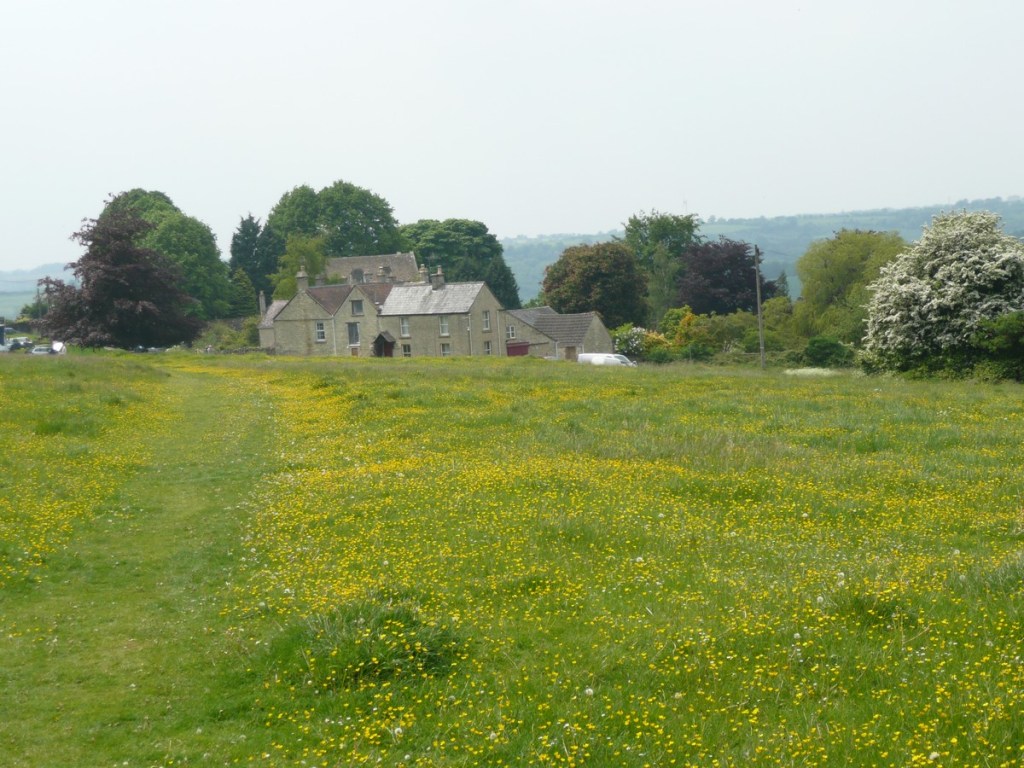
Our plans have now crystallised, and if all goes well, we’ll be moving back to Gloucestershire in the early autumn. We’re heading to Minchinhampton, the area we lived in previously. Just over a year ago, I was drawn back to the beautiful hills and commons in the area, and since then we’ve been re-connecting with old friends and deciding that this is the place we’d like to return to. Here’s what I wrote at the time: ‘Sweet Chance on Minchinhampton Common‘.

The Future of Cherry’s Cache

…is still evolving! I have more subjects waiting in the wings, which will be developed as and when time permits. I promised more ‘Wild Women’ – there’s a radical revolutionary ancestor who’s story I want to tell – and a dip into the relationship between alchemy and music. Bear with me. My posts will emerge once we’re settled in our new home, if not before. In the meantime, I love to receive your comments and emails. It’s great to know that there are readers out there!

All posts remain available to access and read. I check the stats and am delighted when there’s a flare-up of interest, say, in Black Country humour, or the art of Anna Zinkeisen . The posts are there as resources for future readers. Pangur Ban and the Old Irish Cats remains the perennial favourite.

That’s it for now! See you again before too long. And you’ll find a selection of my books on the internet. Here’s a few of them, below.

The Coming Coronation: Part One


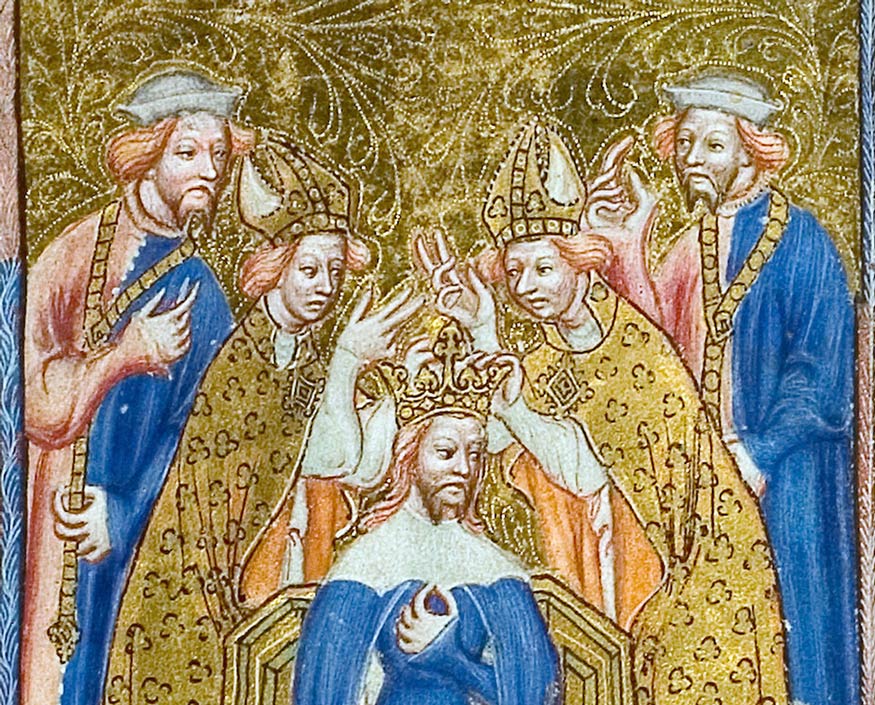
On May 6th, 2023, Charles III will be crowned King of Great Britain. To mark the coming event, I’m posting some extracts from an unusual book, passages which go deep into the symbolism of the event, and its ancient origins.

This is the first of the two posts whose main content is taken from Wielding Power by Charles Tetworth. Today’s post introduces the book and its author, and takes us through the tradition of monarchy and the coronation as far as the regalia used and costume donned. The second post, to be published in two weeks’ time, will then describe the rituals of anointing and crowning which fully establish the reign – in this case – of King Charles III.

A note on the text: I have cut out a short section from the chapter, and added comments of my own, but not altered any of the original text. The book itself, subtitled ‘The Essence of Ritual Practice’ can still be purchased, for example via Amazon.

A note on the content: I am assuming that the coming ceremony will be conducted in the way described here, but it’s possible that certain changes to procedure will be implemented. Please take the details here as guidelines to the ritual rather than necessarily exact in every detail.

Wielding Power was written by a late friend of mine, and published under a pseudonym. ‘Charles Tetworth’ was an expert in matters of ritual, and for many years was a mentor and a source of knowledge to me. The book itself focuses primarily on an individual approach to ritual, in a magical sense, and then in the last chapter opens out to explore the meaning of our state rituals. Perhaps one of the book’s main achievements is to show that there is really no division between the practice of ritual in a so-called esoteric context and in those embodying the history and aspirations of our nation. Charles Tetworth shows us how the ‘spirit of the nation’ dwells in the ancient customs of the land. In the case of the coronation, these rituals are based on common law and the people’s choice of a monarch.

The book was published in 2002, well before the death of Queen Elizabeth II. So it’s one of those delightful cosmic jokes that the author’s choice of ‘Charles’ as part of his pseudonym is also that of the King who will be crowned sovereign in 2023. At the time, twenty years ago, no future coronation was in sight. There were also uneasy rumbles about succession, and Mr Tetworth himself thought privately – as he told me himself – that Prince Charles would never come to the throne.

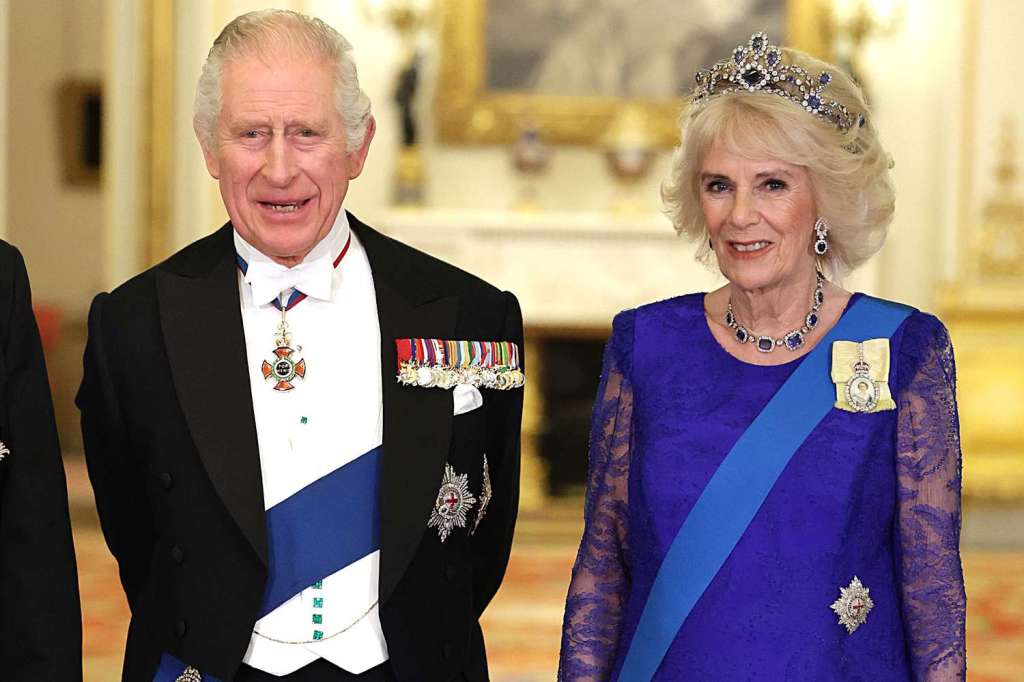
King Charles III and Camilla the future Queen

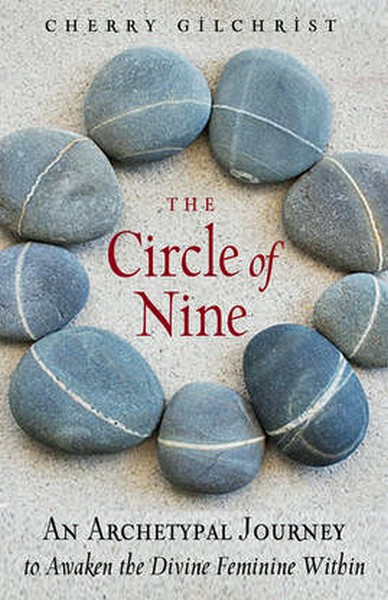
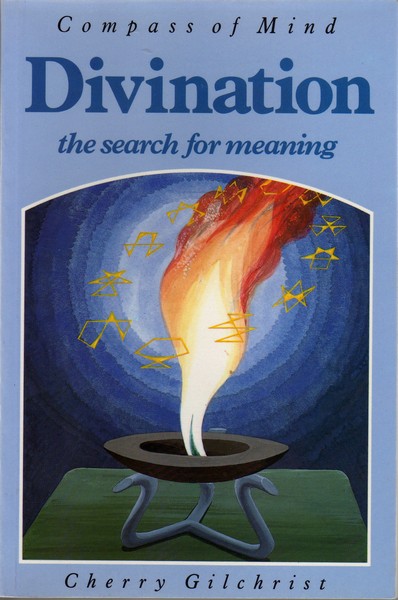
The publication of the book is a story in itself, and one in which I was involved. The text was first drafted back in the late 1980s. At that time, I was Commissioning Editor for a series of books called ‘The Compass of Mind’, to be published by Batsford as explorations of mind/body/spirit themes. Once the project was agreed, I set about finding suitable authors and topics. Out of this first batch of commissions, we gained ‘Dream-work’ by Lyn Webster-Wilde, ‘Astrology’ by Eve Jackson, ‘Genesis or Nemesis’ by Rev. Martin Palmer, and ‘Meditation’ by Lucy Oliver, ‘Divination‘, which I wrote, plus the first version of my book ‘The Circle of Nine’, about feminine archetypes. After these were launched, we then commissioned a book on ‘Performance’ by early music director Anthony Rooley, ‘Mind, Brain and Human Potential’ by psychologist Brian (Les) Lancaster, plus titles on the inner symbolism of music and – here it comes! – on the underlying meaning of ritual.

However, when the text on ritual came through, it was unacceptable for the series. Although the author was a well-established authority in the history of esoteric movements, in this case he unexpectedly veered away from the agreed synopsis to advocate his own specific religious beliefs. There was now a gap in the publishing schedule, which was well advanced – what should we do? And so I asked ‘Charles Tetworth’ if he could do an emergency job for us, writing a new text in time for the publication schedule. He agreed, and stayed up most nights that summer, scribbling a new version for us, based on his own deep insights after some forty years of esoteric study and practice. We were back on course.

But then disaster struck – Batsford, a long-established publisher, suddenly went out of business in its set-up of the time, taking our list with it. It was one of my worst jobs ever, telling the authors that their commissioned works could no longer be published, even if they had finished their manuscripts. I’m happy to say though that ‘Performance’ and ‘Mind, Brain and Human Potential’ subsequently found other publishers; the rest were simply cast adrift.

Below: some of the books which did make it into print from the ‘Compass of Mind’ series

Tetworth was sanguine and took it in his stride. We assumed that this was the end of the title – it was not an easy one to place with another publisher. However, some ten or fifteen years later, through another contact, he received an offer from Lindisfarne Books in the USA. ‘Another bite of the cherry,’ as Mr Tetworth put it cheerfully. Adapting and editing followed, and in 2002 it was finally published. Another close acquaintance, the well-known Kabbalist Warren Kenton aka Z’ev Ben Shimon Halevi, wrote a foreword:
‘…This work is full of riches clearly drawn from long and intimate experience with and practice of the subject.’

I was asked for a quote for the back cover, and wrote:
‘Tetworth is one of the few practitioners who have gone behind the scenes to ask what ritual is all about. He reveals the mystery of ritual, and proves it to be something basic to human society, a means by which we preserve mystery and promote magical interaction.’

Now, with permission of his family, as Mr Tetworth is no longer alive, and with assistance from his private editor, (a personal contact, rather than the in-house editor), I feel it’s an appropriate time to post the last chapter of his book, which is on the British Coronation. In order to keep it more accessible, especially since I’ve included some asides, I’m splitting my post into two; the second part will follow in two weeks.

Please note: All the details of the coronation, its customs and trappings, are accurate as far as I know, and many can be checked via the excellent Royal Trust Collection website. However, I can take no responsibility for any errors that may occur in the original text.

CHAPTER TEN – AN OLD NATION

From ‘Wielding Power’, by Charles Tetworth

Britain has a history of not having been invaded for a thousand years. So it has had the chance to grow in an organic fashion. Even the Normans in the eleventh century really only took over the upper echelons of society; the lower strata remained comparatively untouched. The Normans soon learnt that the force of custom and tradition and regard for common law was so strong that if they contravened it, they would have no one left to rule over. One could say that Britain gained the upper hand and conquered the conquerors. Even the Romans seem to have been content to control only central matters of government rather than interfering at every level. Common law was recognised by nearly everyone and there were still large tracts of common land. According to the Domesday Book, Britain at this time was mainly wooded and it was very easy for the disaffected to disappear into the forests. This is the origin of the Robin Hood stories.

Such common law could not exist except by general agreement. Mechanisms existed already for dealing with problems, so Britain never went the way of France, with its monarchic despotism based on immutable law and the mystique of the Holy Blood. Since the Anglo-Saxon kingdoms came to power in about 850 AD, methods had been evolved for handing over the authority to someone acceptable by most of the ruled. Rulership was originally elective, or at least required the acceptance of the tribal leaders; there was less chance, therefore, of familial dynasties becoming entrenched. Kingship was established as the most practical form of rulership and became accepted in common law by the compliance of the populace. Even the Norman William the Conqueror had some claim to the crown (though he was a bit impatient to wear it), and in due course he was anointed and crowned King of England.

At that time there was cooperation between Church and state. The Church had the authority to anoint the king since that was a religious matter, and this anointing is still seen as the central act of coronation. Pagan customs were also assimilated into the process of the coronation, and some of the mystique monarchy still possesses is based on ancient rituals that lie too far back in British history to be traceable.

Coronation means “crowning”. To be crowned is one thing; to be accepted by the people is something else again. So one of the most important aspects of the coronation ritual is the procession through the crowds of ordinary people by the monarch both before and after the ceremony. The procession before the coronation is to confirm that the right person is being crowned. In fact, this was crucial in days when the king was elected and succession was not by right of primogeniture. The election ceremony (a formal acclamation or election by the bishops and nobles) usually took place the day before the actual coronation in Westminster Hall. The monarch would then process from there to Westminster Abbey for the rites. This held real meaning: it was the opportunity for the people to discover who had been chosen and to approve the choice. The new heir is formally acclaimed immediately on the death of the king or queen at St James’ Palace. The coronation ritual itself starts with the formal recognition of the new monarch. But the procession is still the means whereby the people offer their implicit recognition. The procession after the crowning is for the people to see for themselves that the right person has been duly appointed.

The monarch exercises power and authority in both the spiritual and temporal realms. If the people have given their consent to the new monarch before the ceremony, and within the ceremony their worldly and spiritual leaders have also given their consent and have handed over the symbols of authority to the new monarch, then they know who their ruler is and they tacitly accept his or her authority. In earlier times, the anointing of the monarch meant that the person of the monarch had been transformed into something sacred. Perhaps this belief had sprung up from an earlier past when the king was looked upon as magician, priest and god. In Christian times the act of king-making was a sacramental rite and it is interesting to note that it has to this day never been fundamentally altered. Whatever the fashionable climate may be, it is still a fact that England is a Christian state with a religious foundation and the ruler has to be inaugurated with Christian rites.

State ritual is the framework within which power is exercised. From the ritual of the dissolution of parliament to the election of a new government, from the state opening of parliament to the Lord Mayor’s Show, from budget day to the prime minister’s question time in the House of Commons, all is governed by ritual. The ritual of the Coronation is worth studying in some detail as it embodies many of the formal and informal relationships that have evolved among the peoples of Britain….

The Coronation of Charles’s mother, Queen Elizabeth II, in 1953
Toy coronation coach – very popular, in various versions, in the 1950s! I wonder what happened to mine? And also what souvenirs will be produced on the occasion of King Charles’s coronation.

THE ROBES AND REGALIA

The coronation robes are worn only on this occasion in the lifetime of a monarch. Both the robes and the regalia reflect the spiritual and temporal authority and power that the monarch is vested with. The robes that represent spiritual authority are very similar to a bishop’s garments, which suggests that their origin lies in the time when anointing was believed to confer priestly status on the monarch.

The Colobium Sindonis is a long white sleeveless linen robe (rather like the alb worn by a bishop when he is celebrating Mass); it is open at the side, edged all round with lace, and gathered in at the waist by a linen girdle. The Dalmatic is made of cloth-of-gold lined with rose-coloured silk; it has short wide sleeves and is decorated with palm leaves, pink roses, green shamrocks and purple thistles. The Stole is again made of cloth- of-gold lined with rose-coloured silk. At either end of its five-foot length is the red cross of St George on a silver background. In the Church it is worn as an emblem of authority and bishops wear it round the neck hanging down in front, uncrossed, whereas priests wear it crossed while celebrating Mass. At the coronation it is worn over the Dalmatic. The Pall or Imperial Mantle, made of cloth-of-gold (with rose-coloured silk lining), is worked in a pattern of silver coronets, fleur- de-lys, green leaves, shamrocks, purple thistles and silver eagles. It is very similar to a bishop’s cope except that it is not rounded at the bottom but has four corners to represent the four corners of empire. It is the final robe to be placed on the newly consecrated monarch.

The Imperial Robe of royal purple is worn after the coronation for the procession out of the Abbey; it is made of purple velvet, lined and edged with miniver and ermine tails; it is hooded and has a long gold embroidered train. The Crimson Robe of State is worn in the procession to the Abbey before the coronation. It is made of crimson velvet embellished with gold lace; it is lined and edged with miniver and has a long train. It is also the robe worn for state openings of Parliament. The Cap of Maintenance (see below for an example) is worn by a male sovereign on his progress to the Abbey, while it is carried before a queen regnant. It is made of crimson velvet lined and edged with miniver. This or another “cap of maintenance” is carried before a monarch by a peer on a short baton at the opening of Parliament.

The Cap of Maintenance for Queen Elizabeth II

Some notes from Cherry

Regalia – macro and microcosm

In the City of Exeter there is also carefully preserved royal regalia. I knew nothing about this until I undertook to train as a Red Coat Guide, and we were given in-depth information about this, plus a chance to be close up and personal with the items themselves. In 1497, King Henry VII came to Exeter to thank the citizens for fighting off an attack by Perkin Warbeck, a pretender to the throne. Exeter has mostly been very loyal to the crown, as its motto of ‘Semper Fidelis’ meaning ‘Always Faithful’ – possibly granted by Queen Elizabeth I – implies. It wavered towards the Parliamentarians in the Civil War but after the Restoration sent a fulsome apology to the Crown in the form of a giant and elaborate salt cellar: The Exeter Salt.

The Exeter Salt, a kind of apology to King Charles II for turning against his father. A very elaborate addition to the dinner table!

Anyway, King Henry thought well enough of Exeter to bestow his battle sword on the city. This is kept proudly in the Exeter Guildhall treasury, and brought out on parade for special occasions. Henry also gave the city his Cap of Maintenance, which likewise resides in the Guildhall or is carried on a cushion in procession. The Cap has had to be replaced after hundreds of years; the Sword is intact, but needs a new sheath every now and then. Both denote recognition of the city’s loyalty to the British monarchy.

The silver maces carried by the Mace Sergeants of Exeter – an ancient office dating back to medieval times – represent the authority of the Mayor and the Monarch. One of these maces must be placed on the bench for a Council Meeting to proceed in the Guildhall. This leads neatly back to the subject of the coming Coronation, since the Proclamation of Charles as King was read out in front of the Cathedral, with the Regalia and Mace Sergeants in attendance. In the photo below, you can see one of the Mace Sergeants, who are in black hats trimmed with green, holding his mace up, while to his right the furthest Mace Sergeant holds the battle sword of Henry VII upright. To his right, the Lady Mayor makes the Proclamation itself.

Now we return to the section from Wielding Power about Royal Regalia:

So much for the robes. The royal regalia consist of those emblems with which the sovereign is actually invested at the coronation. The ring is a sapphire and ruby cross of St George set in fine gold; this signifies the wedding of the monarch with the people and that the monarch is the “Defender of Christ’s Religion”. The Armills are two bracelets representing sincerity and wisdom; each is made of solid gold and together they symbolise the bonds that unite the monarch with the people. The Golden Spurs (also known as St George’s Spurs) are of solid gold with gold-embroidered crimson velvet straps. They represent knighthood and chivalry and in medieval times the bestowal of spurs formed an essential part of the making of a knight. The Jewelled Sword of State is the most magnificent of the swords carried at the coronation; both hilt and scabbard are elaborately decorated with gold tracing and precious stones.

Below: The Armills and the Golden Spurs

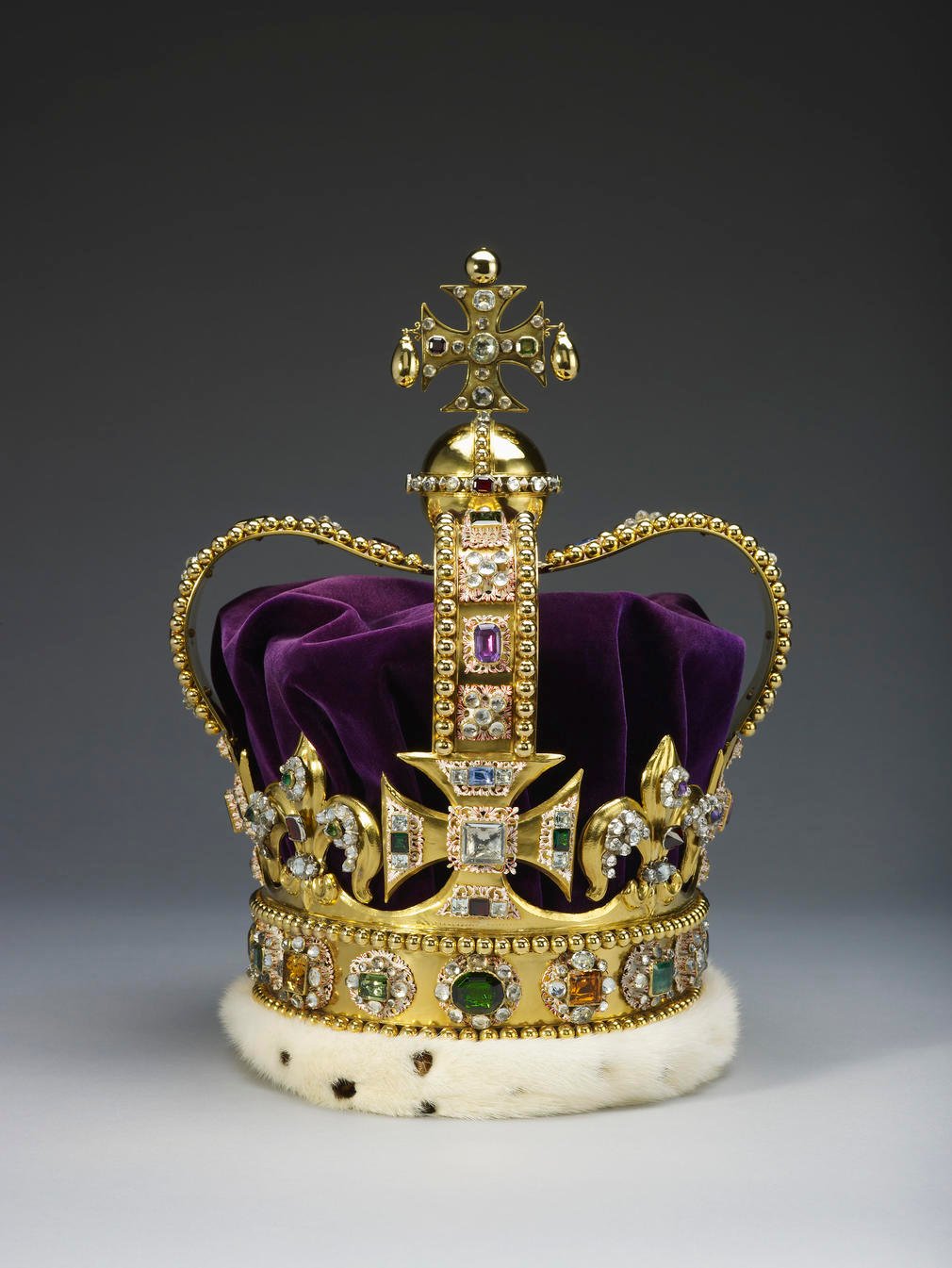
St Edward’s Crown, made of solid gold and set with precious stones, is worn only once in the lifetime of a monarch. It has four fleur-de-lys and four crosses around the rim; arches link the four crosses and there is an orb and a cross at the point of intersection. St Edward’s Staff is made of gold but has a steel tip; it is four feet, seven and a half inches long. It is carried before the monarch in the procession to the Abbey to guide his or her steps. The Royal Sceptre with Cross is the ultimate symbol of kingly authority. It is made of gold and has mounted beneath the cross the largest portion of the Cullinan diamond, weighing five hundred carats. The Sceptre or Rod with Dove is also made of gold but is surmounted by a gold and white enamel dove signifying the Holy Spirit. It is delivered as the rod of equity and mercy.

Below: St Edward’s Crown and the Royal Sceptre

The next two symbols – the Orb with Cross and the Second Crown – are highly significant, although strictly speaking they are not part of the actual regalia for the ritual of king-making. The Orb with Cross is a golden ball surmounted by a heavily jewelled metal band from which springs a jewelled arch with a cross at the apex. It became part of the coronation rite comparatively late. It is presented before the delivery of the Royal Sceptres and again for the procession out of the Abbey. The Second Crown was always worn by the monarchs on important occasions and is today worn at the state opening of Parliament. This crown, also called the Imperial State Crown, was made for Queen Victoria’s coronation and, set with many historic gems, is more splendidly jewelled than St Edward’s Crown.

The nobles and officers of the Church also have their own sets of regalia for a coronation. The symbols of coronation associated with the sacramental aspect of the rite are handled by the clergy alone. These include the special chalice and paten without which no Eucharist can be celebrated. Two of the most historically interesting items of the regalia are the Ampulla and the Anointing Spoon, which are thought to be the actual vessels used in medieval coronations. The Ampulla is a hollow vessel of solid gold in the form of an eagle; it holds six ounces of oil which is poured through the beak. The Spoon is of silver gilt and is probably older than the Ampulla. It is used by the archbishop to convey the sacred oil to the various parts of the monarch’s body.

There are four swords which are carried by the nobles and form part of their regalia. The largest of these is the two-handled Sword of State (picture below). It represents the power of the state itself and today is the only one of the four seen outside a coronation, since it is carried before the monarch at the state opening of Parliament. There are two Swords of Justice, one representing spiritual power and the other temporal justice. The fourth sword is called the Curtana because it has a blunted end: it is a symbol of mercy.

To be concluded: see The Coming Coronation part 2 (currently scheduled for release on Feb 26 2023)

Further Resources

The Royal Collection Trust

Sword of State and Cap of Maintenance

Travellers along the Silk Road

Taking a ride with the Kirghiz nomads near lake Issyk Kul- my journey along the Silk Road, in 1996

Prelude

Two nights ago, I woke from a dream in which yaks, laden with rolled up hand-woven rugs, were toiling their way up a mountain pass. They were travelling from west to east, traversing the mountainous area of Central Asia where today’s maps show the meeting points of Kirghistan, Pakistan, Afghanistan and China. I was watching this scene, but inside it too. It was dark and cold, but from this snapshot of dream life, I can still in my imagination smell the animals, hear their heavy breath, touch the rougher backing of the carpets. Was this a flashback to the days of the Silk Road? Carpets from the Middle East were certainly traded eastwards, and I know that the yaks are the beasts for the job in the high mountainous regions of Central Asia. I have travelled in the area in modern times, and seen them there.

The black dots are indeed yaks, seen foraging for food in the high mountain passes of Western China on my Silk Road journey in 1996

I had already written the draft of this post, and perhaps something was stirring in my consciousness in preparation for finding the images to accompany it, and polishing and revising as best I can. Nevertheless, the resonance of the image and the strong sensory awareness is unusual for me, in the dream state. But, as a wise friend once told me, sometimes it’s best not to analyse a dream too closely. Leave it open to interpretation, and the life of it continues; pin it down too closely, and it becomes two-dimensional. So I’ll leave it like this, as an opening into the lost world of the Silk Road.

Khiva – a former restored Silk Road city, in present day Uzbekistan

The Trade Routes

For nearly two thousand years, merchants travelled along the Silk Road routes which ran from China in the East to destinations such as Constantinople and Venice in the West. In my previous Silk Road post I wrote about the bazaars which sprang up around these trade routes; today’s post is about the actual journeying.

The Silk Road was a cultural melting pot. From the early centuries AD up to the 15th century, when better trade routes by sea were established, the Silk Road was the main communications and trade link between East and West. The influence of these traders was therefore enormous, since they carried not only goods with them, but also their stories and culture, which they passed on to those they met on the way. Even forms of art and religion – Buddhism, Zoroastrianism, and certain forms of Christianity – flowed in their tracks, spreading from one country to the next.

‘Apsaras’ – winged deities, often angelic musicians, and more or less unique to a Silk Road version of Buddhism (from the Mogao caves)

The merchants’ best-known cargo was of course silk, but many other goods were traded between East and West, including wool, carpets and amber from the West, and mirrors, gunpowder, porcelain, rhubarb (yes!) and paper from the East. Merchants travelled in various groups and guises. Some trudged along as humble foot pedlars, whereas at the other extreme, huge caravan trains of camels, up to one thousand in number, and stretched for miles across the horizon. The camel was well equipped of course for desert terrain, but for cold mountain passes and high terrain, other beasts of burden were better, and these included donkeys, horses and yaks.

‘The Ship of the Desert’ – the camel was ideal for long, hot journeys on desert terrain. Below are camels (Bactrian two-humped variety) of yesteryear and today.

However, the idea that these intrepid merchants took the whole trip from China to Constantinople is something of a myth. During most periods, it was rare for one trader or traveller to travel the whole of the Silk Road. Bandits, border skirmishes and rapacious customs officers made it difficult to keep going all the way, so merchandise was often transferred from one group of traders to another en route. It has been said that only under the reign of Genghis Khan in the early 13th century over the Mongol Empire, the largest empire in history, was it possible to do so. The irony was that only a tyrant could ensure that no one dared step out of line! At other times, though, locals could succeed in journeying where foreigners couldn’t. Goods would be switched from one carrier to another, and were often traded through different hands too, before they reached their destination. Many middlemen make for steep prices, so this is one reason why the final selling price of the goods at their destination was often hugely above their original cost.

Early Chinese figures of pedlars travelling on foot along the Silk Road (British Museum)

The journeys were long and arduous. The terrain was difficult, often treacherous, involving high mountain passes, deserts, and severe climates. It was a miracle, really, that a porcelain dish from China could end up in Italy or France. Trading itself was a kind of art form, with the need for go-betweens, specialist trasnporters, and accountability to the initial seller and ultimate buyer. Certain groups of people were known for their skills, and excelled as Silk Road traders, in particular the long-vanished Sogdians of Sogdiana in Central Asia. And they were keen to pass it down the family; their boys were often sent out on the Silk Road from the age of five, and grew into lads who were trading on their own account by the age of twelve.

This caravanserai, known as Akseray and on the road between Aksaray and Konya in Turkey, is the largest in the country. Built in 1229, it is more like a mosque or temple than a lodging.

Along the way, merchants stayed in lodgings known as caravanserais. These traditionally consisted of a central courtyard, with water for the animals, and store rooms around the sides on the ground floor. Lodging rooms were on the upper floor. The sturdy entrance doors were firmly locked at night so that the merchants, their goods and beasts, could rest safely. Some of these old caravanserais can still be found in Central Asian countries such as Turkey and Syria. They range from smaller, humbler versions to ones which are the size of cathedrals and almost as grand! At the very best caravanserais, there were proper beds, hot and cold water, and even their own shops and banking facilities. Merchants preferred their caravanserais to be outside the city walls, so that they could arrive and leave easily – the authorities preferred them in the town centre for the opposite reason, so that they could collect taxes due from the caravans before they had a chance to leave early next morning!

Further exotic goods could have been picked up en route, and perhaps traded within the caravanserais themselves, such as this rich gold embroidery, a speciality in what is now Uzbekistan

Many stories must have been swapped in the caravanserais, and both folk tales and religious ideas are known to have been ‘traded’ along the Silk Road. As I mentioned in the previous post, if two merchants came from opposite ends of the Silk Road, they could get by in conversation as long as they could each speak a Turkic language. These Turkic languages, spoken over a range of countries, are just about similar enough for people to understand each other.

Other facilities along the way included ‘service stations’ where locals made a living from catering to travellers’ needs. Merchants carrying costly porcelain knew that they could get any breakages mended in Tashkent, the specialist centre for china repairs, and thus arrive with their goods at least seemingly intact. The trade routes themselves stretched from Xian in eastern China to Byzantium (Constantinople), branching off into practically every country in the Middle East. There were also Silk Road routes into India and Russia: some archaeologists even suggest that Britain was the furthest terminus in the West, as Chinese silk has been found in the grave of an Iron Age king.

Ceramics in Tashkent Museum, of the kind which would have been traded and mended in the city en route
A Chinese pilgrim, travelling to India for further enlightenment

Reasons for travel were not always related to trade. There were many pilgrims and missionaries on these routes, especially between Buddhist countries, and in particular between India and China. Chinese Buddhist monks were anxious to re-connect with the source of their religion, which was in India where the Buddha had lived. They hoped too that they might discover ancient manuscripts which would expand their knowledge. Buddhism itself crept westwards along the Silk Road too, while Christianity crept eastwards, and sometimes the two overlapped. The Chinese Goddess Kuan Yin, (see my earlier post), is sometimes found in a form resembling a Christian Madonna and child. And the Gandharan Art form (3rd-5th century AD) is a fusion of Buddhist and Greek styles, specialising in exquisite heads with elaborate hair styles.

A Ghandaran head, in a fusion of Greek and oriental styles (British Museum)

Navigating safely through mountainous terrain and deserts was the job of the caravan masters. In centuries past, they sometimes trained at maritime navigation schools in India, which helped them to find their way by the stars. For that reason, caravans often travelled at night , especially in the desert Another trick they employed in the near-featureless desert, perhaps where the leader was not so expert, was to push a stick into the ground indicating their direction of travel, before they all settled down to sleep. That way, there was no confusion about the way they should go, the following day!

The deity of the Pole Star, a guide for travellers

Transport could be by camels, yaks, horses or donkeys, depending on the terrain. Camels were especially good in the desert, where they could travel 30 – 40 miles a day, and their inner eyelids protected them against sand storms. They would, however, need to drink every 25 miles or so, and sometimes special camel watering holes were created.

The image below shows a construction known as a ‘rabat’ where the dome keeps the water below cool; the camels walk down a sloping path to reach it.

In the deserts, it was essential for the travellers to know where water could be found to slake their own thirst. Mirages of water, described as ‘glitter sand’ or ‘dry water’ could deceive the inexperienced. And not all water was drinkable. Travelling in a caravan across the Gobi Desert in the early 20th century, a Christian missionary wrote, ‘The sparkle of the limpid spring is irresistible but when I ran towards it…[the caravan leader] cautioned me: “Drink as little of that water as you can.”…I cared for none of his warnings…I would enjoy it to the full. I soon learnt that…the more I took of this water, the more parched I became. It was brackish…leaving thirst for ever unquenched.’  For this reason, the lore of the desert gave springs descriptive names so that their usefulness or otherwise would be recognised: One Cup Spring, Bitter Well Halt, and Mud Pit Hollow for instance. Sucking a pebble was a desperate remedy for the thirsty traveller! But, if you were lucky, you could arrive at Inexhaustible Spring Halt: ‘When the wayfarer tastes this sweet draught he will drink until all the pain of his parched throat and cracked lips is softened and fades away.’ (all quotes from (The Gobi Desert – Cable, Mildred & French, Francesca, 1942)

A more fearsome deity – the Sand God who could blow up a sandstorm instantly (Illustration by Nilesh Mistry for Stories from the Silk Road, Cherry Gilchrist)

Another hazard was the risk of encountering the demons of the desert. Wandering lights, disembodied voices, howls of demons…Traveller Marco Polo wrote about these in the 13th century, warning that those who stray from the caravan will hear their names called and be led off track, or perhaps hear armies or caravans marching close by: ‘Marvellous indeed and almost passing belief are the stories related of these spirits of the desert, which are said at times to fill the air with the sounds of all kinds of musical instruments, and also of drums and the clash of arms.’

This image from Mogao shows a lady traveller under the protection of the Bhodisattva (a ‘Buddha-to-be’) as she sets out on her perilous journey across the Gobi desert. She probably commissioned this painting to be made as an offering to the deities

Sound can certainly play strange tricks in the desert, and was terrifying, even fatal, to get lost in it. At the Buddhist cave temples of Dunhuang (now in Western China) on the edge of the Gobi Desert, it was commonplace for travellers to make offerings before they set off . To try and ensure their safety, those of wealthy means might also donate money for more religious paintings and statues to be created in this extraordinary series of caves, also known as the Mogao Caves. I have to add that though that when I was in Dunhuang, where my travel group stayed for three days, we weren’t able to enter the caves at all because it was raining…in August…in the desert… Today these caves are a museum under Unesco protection, so naturally their preservation comes first. And humidity was an issue for the art work, so we had to amuse ourselves at the site’s museum, with camel-riding on the dunes, and on Day Three (in desperation!) visiting a Japanese film set of a village created in Genghis Khan style. We never did see the Mogao Caves, but let’s just say that I learnt something about the noble path of detachment in Buddhism, rising above disappointment when one’s desires are not satisfied.

A protective emblem, found in a nomad’s yurt; this triangular form relates to the ancient Mother Goddess and is widely found in different variations across Central Asia and into the Far East

Not all hardships faced by travellers were related to the desert. The high mountains en route, such as the Pamirs or Tien Shan (‘Heavenly Mountains’) could bring on altitude sickness, and there could also be snow and frozen passes to negotiate. So every area needed guides with local expertise, and it’s not surprising that very few people travelled from end to end of the Silk Route, even when political conditions didn’t impede them along the way. The Chinese were actually fearful of leaving China, which they regarded as the entirety of the civilised world, and believed everything beyond its boundaries to be a barbarian wilderness. Those exiting China through the Great Gate of Jiaguan, known as the Gate of Sighs, would toss a handful of pebbles at the fortress wall to know their fortune. ‘If the stone rebounds he will come back safe and sound, but if not…’ said a local, leaving ‘the doom unuttered’. (Cable & French)

The romance of the Silk Road still grips us even today, and perhaps we long for those days of epic journeys, when unknown marvels might appear before our eyes. The boundary between myth and reality was thin; the Chinese longed, for instance, for the wondrous horses they’d seen in Central Asia, a far cry from the stubby little ponies they themselves had at the time. They endowed these horses in their imagination with magical qualities, believing that they sweated blood, were born out of the water, and that some had wings and could fly like dragons. Emperor Wu c 101BC even wrote a hymn to them:
The Heavenly Horses are coming
They issued from the waters of a pool…
They can transform themselves like spirits…
Jupiter is their Dragon.
Should they choose to soar aloft,
Who could keep pace with them…
They will draw me up and carry me…
I shall reach the Gates of Heaven
I shall see the Palace of God.

The magical ‘heavenly horse’, as dreamed of by the Chinese

I was lucky to make my two longer trips along the Silk Road when it was still possible, in the 1990s. It would not be possible to make them today, as a foreign traveller. And I am glad that I saw Damascus, a queenly city of the Silk Road, before it was blighted by war. But the Silk Road has evern been in a state of change and unpredictability, and perhaps this enhances its magic. My journeys in Silk Road countries, and along some of its ancient roads are among the most vivid travel experiences I’ve ever had.

A note on the photographs: all contemporary images were taken on my Silk Road travels and are copyright Cherry Gilchrist. Images from the British Museum were supplied under licence.

See also:

Suzani from the Silk Road
The Bazaars of the Silk Road

Exeter Dreaming

Bygone views in the city: this one is already lost to us – the historic Royal Clarence Hotel burnt down in 2016, taking nearly 250 years of history with it. I took my tripod up for a night shot in December 2015, little thinking that it would be my final chance to capture this view.

Exeter dreams of its past, through paintings and photos which capture the romance of years gone by. I love to look at old photographs of the city, but even more I love gazing at the old postcards with softly coloured paintings, bought and were sent in their thousands during the early days of tourism. In the late 19th and early decades of the 20th century, before colour photography became the norm, artists of calibre were commissioned to paint scenes of Exeter’s historic streets, buildings, parks and waterways. I’ve collected a few of these, and share some of the city’s ‘dreamtime’ with you here.

Over the past autumn and winter, I trained as a city guide for Exeter, and tramping the streets with my fellow trainees, learning about their history, and reciting their stories, it’s as if we were walking the ‘songlines’ of the city. I feel that it’s akin to the way that Australian Aborigines walk their ancestral paths across the terrain, in order to recall and enact the old myths of creation, and the history of their people; this is known as ‘the dreamtime’.

Receiving my blazer (actually a borrowed, oversized one while waiting for the bespoke number!) from the Lady Mayor of Exeter in April 2022, at the Red Coat Guides award ceremony

Although much of Exeter has been redeveloped, following the devastating bombing raids of World War Two, there’s still a great deal of its history to be seen. And as well as seeing what’s evident now, I also came, eventually, to experience the city as multi-layered. The city’s past is there, and what is not visible to the naked eye starts to become alivee and vivid to the mind’s eye. Below my feet lies the remains of the Roman bathhouse…here is where Perkin Warbeck besieged the city…and this is the place where lived Gytha, mother of King Harold.

Here are the first four postcards of my collection, three of them with named artists.

Exeter from the Canal

Henry B. Wimbush evokes for us here a stately panorama of the city, with the Cathedral as a luminous landmark on the hill at the horizon. But although everything looks serene, the canal itself has a most contentious history. In 1913, when the postcard was sent, time was fast running out for its use as a shipping canal.

It was first proposed around 1280, when Isabella de Fortibus, Countess of Devon, blocked off most of the river Exe downstream, in order to bring more waterpower to her paper mill. (The area is known today as ‘Countess Wear’.) She left only about nine metres clear, which made it hard for large ships to pass through, and thus caused much complaining in Exeter itself. The city was dependent on its port, for the export trade of its woollen cloth, which is what made the city wealthy and famous from medieval times until the 18th century.

But matters were about to get worse. Around 1330, her descendant and kinsman, Hugh de Courtenay had a falling-out with the mayor over whether he or the bishop was entitled to the last pot of fish in the market! Courtenay swore he would get his own back on Exeter, and completely blocked the river. He set up Topsham, a few miles downriver, as the port where ships would now dock and he could collect the revenues, since he owned the quay there. This lined his coffers nicely. Eventually, in the 1500s, Exeter was granted the rights to remove the weir, but as the river was largely silted up, there was no choice but to dig a canal instead, to bring goods to be landed in the city itself. However, it took until the 1830 to complete the project in its entirety, and although Exeter partly got its port landings back, goods had to be transferred to small lighters (boats) and pulled upriver by horses. The canal now ran to what is known as Turf Locks, just past Topsham on the opposite bank. But it was too late to be of great use. Seagoing ships had become too large to pass up it, trains were shortly to take away much of the trade, and Exeter was no longer a chief centre of wool production.

Exeter quayside as it is today, redeveloped for leisure and outdoor sports

The postcard of 1913 shows one larger ship berthed at the quayside (on the very left), but already the serenity of the scene indicates that its days of glory were in the past. And the little lockkeeper’s cottage on the right would later be demolished – by mistake, as it happens!


The artist was Henry Bowser Wimbush (1858-1943), who was known for postcards and book illustrations, as well as for paintings, which he exhibited at the Royal Academy. He roamed both in Britain and abroad to create his art, but settled in nearby Taunton later in life. (see also The-Postcard-Depot)


The postcard was sent to one Miss Connor in Acton, and the message simply reads: ‘We shall arrive at Padd[ington] at 8.30 tomorrow so expect us home soon after 9.’ In those days, you could confidently send a postcard to announce your imminent arrival!

‘Old House, King Street’


Exeter lost around two thirds of its old buildings in the Blitz of World War Two. Of those that remained, many were demolished later when the Council went on a re-development spree. Some that could have been restored were removed in the name of ‘progress’. (An anonymous website Demolition Exeter sets out to explore this outrage ) Buildings around King St, named in the postcard, and Preston St in the ‘West Quarter’ of the city took direct hits, and are nearly all rebuilt today. At first I thought this was just a charming scene of old houses, in a bygone street where the women are perhaps carrying bales of cloth – the staple of the wool trade. There is what seems to be a pedlar with his basket on the right, a workman with a wheelbarrow, and a family grouped in the distance. The artist Sidney Endacott is well-known for painting scenes on Exeter postcards: his views are both delightful and collectable. (More about Sidney and Worth, the postcard publisher, below.)

But there is more to this ‘old house’ than meets the eye. It was in fact known locally as ‘The Norman House’ and was probably one of the very oldest in the city. The Normans arrived here in 1068 under the banner of William the Conqueror himself, who chased the mother of the defeated King Harold out of the city, seized her lands, and set up a castle for his own soldiers at Rougemont, near the East Gate. Remains from Norman times are rare, though, in domestic buildings. As Exeter Memories put it:
On the corner of Preston and King Street was what appeared to be just another slum property, with a few ancient features. In 1914, the City Council purchased the building with a view to clearing the area. In 1915, they sent a photographer to record the building–the photographs revealed a building far more interesting, than originally thought. It had many Norman mouldings, one over the door, and stone decorative strips at the base of the interior walls. The house had many 16th-Century features, including Tudor plaster work ceilings and a collar-braced roof. It was for the Norman features it became known as the Norman House.
Alas, although it was taken care of for a while, it was eventually allowed to become derelict, and was then finished off by the bombs of 1942.

Here is another image to dream over, therefore.

Mary Mol Wildy and her famous Coffee House

This gorgeous building was built as Exeter’s first Customs House in 1596. Later, in the 1720s, it became Mol’s Coffee House, a place for gentlemen to gather with their business chums and read the latest newspapers from London. It ran for over 100 years – presumably presided over by subsequent hosts to Mol! – but is still known by her name today. In the first part of the 20th century though it became Worth’s Art Gallery, which in the years after it finished business as a more general art gallery, has best known for the series of postcards it produced and printed. This is where the postcard of King St was published, and the man who painted it was Worth’s best-known artist: Sidney Endacott (1873-1913).


Sidney was a local lad, born in Ashburton, and a pupil at Blundells School, Tiverton. He was capable and talented, but unfortunately suffered from a permanent bone infection (osteomyelitis), which cut short his life. However, he still managed to join his brother in America for a while, where he created wood carvings for a grand mansion in Kansas. After his return to Devon, he taught art but then hit a winning streak by painting postcards for Worth’s. These became very popular, catering for the growing number of tourists in the city. It’s thought that he probably created around 500 designs overall, delightful paintings which create a romantic atmosphere around the city sights.

A postcard from 1933, sent by a college student to his father, with an excellent close-up of how Worth’s gallery used to look

This corner of the Cathedral Close where Mol hangs out still looks much as it did in these postcards – one of which is a painting by A. R. Quinton, and the other a photograph. The Saxon church of St Martin of Tours still sits next to Mol’s and two of the medieval houses on the left in Quinton’s painting, built originally for priests in the 1300s, also survive as Loake’s high quality shoe shop. (They are also famous for having garderobes, which can be described as luxury medieval toilets with ‘a long drop’.)

As for Alfred Robert Quinton (1853-1934), his landscapes and cityscapes were drawn from his annual tours by bicycle around the British Isles. His work routine would be to travel around England and Wales for three months of the year, mostly during the summer months and often by bicycle, during which he would draw sketches and take photographs of locations which he would then work up into paintings in his studio during the winter months. Many of his artworks were also published as postcards by Raphael Tuck and J Salmon Ltd and remain popular with today’s collectors.

Quinton on his sketching tours, equipment strapped to his bicycle

The painting of Mol’s, aka Worth’s Gallery, in Quinton’s postcard is more matter-of-fact than that the other two in this blog post, but enjoyable for its detail, including the little figure poring over Worth’s art prints, and a woman and child about to enter the gallery. The card was posted in 1933, so I suspect the wagon was a bit of an anachronism, although the painting could have been made some years earlier. The message on it, sent to Jersey, begins, ‘Dear Alice – Tell mother that I am anxiously waiting for a letter I sincerely hope that …alright’ and then descends into a scrawl.

The photographic postcard was sent by a young man studying at St Luke’s religious educational college, writing home to his father. By contrast to the other one, it’s a model of neatness. ‘The weather today is summery, with hot sun and no clouds… The church on the left is the oldest in the city about 1050’. (Good try, but not quite! Being more precise, it’s from 1065 but still qualifies as Anglo-Saxon, preceding the Norman Conquest by three years!)

That’s the end of today’s dreams of Exeter! I hope to be sharing some more with you later, when I’ve acquired more old postcards to share with you.

Students in the gardens of Colleton Crescent, dreaming away the afternoon above the river

You may also be interested in:

Posts on nearby Topsham, my home town:

The Tidal Town of Topsham

Hidden Topsham (1)

Hidden Topsham (2)

Hidden Topsham (3)

Hidden Topsham (4)

Topsham at Halloween

Lockdown Topsham

Topsham celebrates

Springtime Stories

It’s springtime! And my blog posts will be likewise springing up again on May 1st, after a three month break. They will then continue as before, at two-weekly intervals.
So, what to expect? The first post will be on Bazaars of the Silk Road, and then there will be stories with my usual eclectic mix of mystery and history, memoir and art.


If you’d like to subscribe, you’ll receive notification each time a new post is published. There’s a link to click on the right hand side of the Home Page, under ‘Subscribe’. It’s all data protected and your info won’t be used in any other way. At present there are about 320 subscribers – thankyou, everyone, for your support!


In the meantime, I wish you all a joyful Easter.

And while you’re waiting, you might enjoy some of my earlier posts:

Summer is a Comin’ in Today! May Day in Padstow

Dartmoor Ponies

Enoch & Eli: The Heroes of Black Country Wit

The Ancestors of Easter Island

Musicians at Padstow May Day

To Brixham for a Sailor’s Cap

Brixham, south Devon, our destination with its popular Pirate Ship attraction

I think we’ve just had our summer holiday this year – a day on the sea, sailing with Stuartline Cruises from Exmouth to Brixham. Like most other people, we’re not expecting to travel far afield this summer. But what could be better, on a warm sunny day, than to set sail along the beautiful Devon coast? We saw rocks and coves, beaches and waterfalls that we would never have known were there. We already knew many of the seaside towns individually, but had no idea how the coastline joins them together.

Stuartline is a delightful family firm that takes passengers up and down the River Exe, and along the Jurassic Coast all the way to Sidmouth in one direction, and the ‘English Riviera’ at Torbay in the other. In winter, there are highly-recommended birdwatching trips (booked out months in advance!) with a knowledgeable expert pointing out the extraordinary bird life that we have in the Exe Estuary, of migrants and waders, including the famous flocks of avocets.

Despite being veterans of these and other short cruises, this was the first time we’d been on a full day excursion. So I’ll be delighted to relive this journey, and to share both some snippets of history and some personal memories of this striking landscape too. Would you like to join us?

Our starting point, at Exmouth

We cast off from the little dock at Exmouth, and soon gain a panoramic view of the seafront. The elegant 18th and 19th century terraces show how it once aspired to be a fashionable bathing station for the monied classes. Like several of the other Devon coastal resorts, its very early days were spent in a humbler manner though: ‘Prior to the 1700’s Exmouth was a small fishing town, with a small harbour, from which Sir Walter Raleigh, born just a few miles away in East Budleigh in 1544, sailed on many of his voyages.’ (Visit Exmouth) In earlier centuries, it also acted as the point of entry into the River Exe, from whence trading ships sailed up to the bustling port of Topsham, (our current home), servicing the wool trade and other enterprises.

Exmouth’s new Marina, a highly sought-after spot to live. One of the other StuartLine boats is berthed just at the corner

Now it’s both a popular family holiday resort and a lively town, with a new Marina built in a handsome Norwegian style, to the lamentations of those who loved the ramshackle sheds and cabins that previously existed in the area at the start of the ‘back beach’ stretching up the mouth of the river.

Just across the water is the sand spit of Dawlish Warren nature reserve – oddly enough with a golf course in its midst. This fragile ecosystem is being preserved as best it can with groynes and techniques to bolster up the sandy banks, but it’s a tough fight against tides and storms.
Nearly high tide – we need the extra water level to sail over this way from Exmouth. The skipper says that there is only a metre of sea below the hull of the ship!
A puzzling warning sign, regarding the ongoing attempts to prevent sand erosion from the Warren

Dawlish Warren is a weird juxtaposition. If you come here by road or train you’ll start by passing under the railway bridge and stroll (or hasten) through a panoply of fairground rides, candy floss stalls, gaudy souvenirs and hot dog stalls. But once through this area, fringed with brightly painted beach huts, you’re in a wonderful, windswept area of nature which stretches for over a mile to the end of the spit. It has a bird hide at the far end, and it was here, about 30 years ago, that I saw my first ever white egret in the UK. The beach which borders it is also wonderful, and if you don’t mind hopping through the groynes you can enjoy a long walk on an unspoilt and usually uncrowded stretch of sand.

The ‘fun’ end of Dawlish Warren

After the Warren comes the town of Dawlish itself, with its famous stretch of railway line running along the edge of the sea. Famous because a) it’s officially listed as one of the great railway trips of the world – and at times the trains keep running while spray from the waves breaks over the carriages! But also b) because every now and then a bit of the track falls into the sea. See the tale of recent disaster and recovery here.

Caught on camera from our boat! The train running past the more modern seafront flats at Dawlish – it will then go right in front of the original terraces seen below.

Dawlish is also famous for its black swans, Australian natives which grace the brook that flows through the town centre. Sadly, their numbers have been decimated by bird flu in the last year or so, but not before two escapees found their way up the River Exe to Topsham. Here they are feted and fed by admiring townsfolk and tourists; these birds know a good thing when they see it.

The Topsham Two – a flyaway pair from Dawlish?

When I was at primary school, we were asked to paint a picture of our summer holidays, and I was very puzzled when one of my classmates painted a seaside with red cliffs. Surely that couldn’t be right? I had spent my early years near the white cliffs of Dover. But I had to adjust my expectations when we moved down to East Devon and the Jurassic coast. I still find them a touch unnatural, but they are certainly dramatic. The rock stacks rise up out of the water in gnarled, looming shapes, like giant heads. But they are also shape-shifters, as sandstone erodes over time.

Below: some of the dramatic sandstone rocks near Teignmouth, and a local fisherman hauling in a lobster pot nearby

Now we’re arriving at Teignmouth – one of our favourite seaside towns. It has plenty of character, a place of different faces. The seafront terraces, as in Exmouth, speak of past grandeur. The pier, the cafes, the play park are from a different narrative, of jolly seaside family holidays. Once when we turned up in the town they were filming ‘The Mercy’, the story of the disastrous sailing challenge taken on by Donald Crowhurst, and the company had reconstructed a perfect 1950s holiday setting along the front, which gave an entertaining sense of time-slip.

A photo that I took in Teignmouth during the filming of ‘The Mercy’, a 1950s true-life tale of one man’s madness in an attempt to pretend he was winning the Golden Globe sailing challenge.

Behind the sea front, there’s a newly-labelled ‘artists’ quarter’ with quirky shops and a little theatre. And also just around the corner is the ‘back beach’, where the river Teign flows into the sea. It’s flanked by fishermen’s shacks, boats pulled up onto the sand, and the ferry which takes you over the water to the very cute village of Shaldon. In Victorian times, Teignmouth was eagerly sought after as a painter’s resort since the sunshine comes from two directions, off both beaches of sea and river, and bathes the town in glorious light. Oh, and by the way, it’s the River ‘Teen’ which flows through ‘Tinmouth’. (But if you’re on Dartmoor, then ‘Drewstaynton’ for Drewsteignton.) Got that?

We sail around the corner of the cliff, where just beyond is the hidden beach of The Ness. This is reached, surprisingly, by a foot tunnel on the Shaldon side. (Shaldon itself also has the surprise of a little zoo with a fine population of meerkats and lemurs, a conservation centre for endangered species. ) Descending the steep, dank set of stairs in near-darkness, you begin to hear the waves pounding below. Suddenly, you emerge into daylight and there is the little beach spread out before you. (Not possible, I warn you, at high tide.)

Ness Beach – only reached by a steep climb up the hill and down through a tunnel

The cliffs ascend steeply here; I know this from experience, as we once walked up the coast path from Shaldon and nearly collapsed before we finally got to the top. It felt as if crampons and a rope might have been sensible equipment to take. Perched a little way further along the clifftop is a modern white house, said to be the plaything of a Russian oligarch.

And now it’s a changing scene – we are in Agatha Christie country! The hills are rounder and more wooded. There are hidden coves, rocks to swim towards, steep tree-filled valleys to clamber up, and every now and then, a splendid house fit for a murder mystery.

Houses fit for an old-fashioned murder story perch proudly on the wooded hilltops

Agatha grew up in the area, and returned in later life to live at Greenway House, set high above the Dart River. You can discover her favourite haunts here and visit Greenway House (now National Trust). Strange to think that when I came to the area in my teens, my friends pointed out the house to me, and told me that Agatha was still in residence. Could I have tried to meet her? I’ll never know. She died in 1976.

The charm of Maidencombe Beach, with its very own waterfall

We pass the beach below Maidencombe. Robert and I have been to this quaint village once, in the autumn months, which is a snatch of old Devon (especially out of season), but didn’t follow the signed walking route to the beach, out of sight below. Now, from the boat, we can see what a charming spot it is, with its very own waterfall. Did Agatha come here too? I expect so.

The skipper points out a pile of debris on the cliff top nearby, and tells us the story of the woman who bought a house up there, sight unseen, for a bargain sum of £154,000. However, it wasn’t long before the house started toppling down the cliff. I looked up the story, and the argey-bargey she had with the auctioneers. Read it here. Buyer beware!

The house that fell down the hill

Then we sail under the cliffs below Babbacombe village, an outlier of Torquay now. I have been here several times, to visit the extraordinary, Stone-Age inhabited Kent’s Cavern (see my earlier post, Following the Female Line). Walk through a wooden door in a modern visitor’s centre, and you plunge into another era, of ancient man, and cave-dwelling bears as well. Taking my granddaughters round here was a delight.

At Hope Nose, the geology switches abruptly from sandstone to much older limestone, which is some 350 million years old.

And look, do I spy the Famous Five and Timmy having a naughty camp-out where they shouldn’t? We are in story book country, after all.

As for stories, the cruise ships moored around Torbay and Teignmouth have provided us with a ghostly presence during the pandemic. Sometimes they look like spectres from a haunted tale, half lost in the mist. Our skipper tells us how they seek out sheltered bays and drop anchor there, leaving a skeleton (ha!) crew on board, so as to avoid paying berthing charges. We’ve had various royally-named ships within these waters in the last year and a half, from the Queen Mary to the Queen Victoria who is currently here.

When we pass one later, crew members wave to us in excitement – or is it despair? At Christmas, the inhabitants of Teignmouth knitted gifts and sent out seasonal food parcel to the seamen who had to spend the holidays on board.

And it’s time for Torquay. Pine trees herald our arrival, a symbol of its title as ‘Queen of the English Riviera’. When I first came to Torquay in the 1960s, the promenade was dominated by palm trees, and I always thought of these as the iconic image of the town. But apparently these were decimated by a severe frost, and have never been replaced. Hmm – on searching for more about their demise, I discovered that Torquay is home to a number of dreadful environmental errors.

But I am fond of this town, remembering how I worked here in the Grand Hotel for a summer after leaving school. It was primarily for friends and folk clubs that I came down here from Birmingham – there have always been close links between Brum and Devon. (see my blog ‘Singing at the Holy Ground’ ) I was hired as a ‘still room’ maid, toiling under the supervision of Hungarian John, a kindly, middle-aged man, who fought our cause fiercely when we were bullied by arrogant chefs. I think I was paid around £8 a week, and my job was primarily to make toast using an eyebrow-singeing machine, make up sandwiches, and prepare trays of tea and coffee. Oh, and put cakes on plates. (John didn’t mind if we helped ourselves to a few.) It was a hazardous workplace, apart from the singed eyebrows. Italian waiters tried to grope us girls in the service lifts, and the manager swept down in a temper, saying that we had to pour any undrunk coffee out of the pots back into the coffee machine, stewed or not. I got my revenge by making up his afternoon tea tray with sandwiches composed of other people’s chicken leftovers.

The Grand Hotel, Torquay, framed up through our boat’s window. In my earlier times there, it was painted a drab gunmetal grey.

And the room I was given had been inhabited by an alcoholic woman, who had left piles of empty booze and meths bottles in every corner and cupboard. I was young and inexperienced, and I felt that because they had done me a favour by offering me a room, I shouldn’t complain, but simply grit my teeth and clear it out. I can still remember the stink, and sense of horror on confronting it. Having said that, it was nevertheless quite a happy time! I met up with my mates, sang in the folk clubs and learnt the joys of crab sandwiches.

Indeed, I retain a fondness for Torquay, and would like to get to know it better again.

Below: Modern Torquay contrasting with the 18th century, elegant Hesketh Crescent, now a hotel and apartments

Here we let the Torquay trippers off the boat to enjoy their three hours ashore. The rest of us travel on to the fishing ‘village’ of Brixham about eight miles further along the coast, past Paignton en route.

First, though, we pass a real storybook house, set in at least two acres of beautifully mown and diamond-patterned lawns. Oh, I wish that this were mine! I learnt later, through the ‘Devon Where Am I?’ Facebook group that it’s called Thatcher House. It’s the epitome of what we might think of as a 1930s English Riviera house, with unbroken views to the cliff tops and sea, all ready for a sunset gin and tonic on the terrace.

Paignton passes by without much comment – I worked here, too, as a chambermaid in a stuffy boarding house frequented by elderly spinsters, whose chamber pots I had to empty. That era has gone, and so has my interest in the town. Perhaps I am failing to see its charms.

Thatcher House – perhaps my dream home on the English Riviera?

And then it’s round into Brixham harbour. It’s a lovely entrance to the fishing port, with colourful houses stacked up in handfuls on the steep hillsides which surround it. The fishing fleet and industry here is apparently the third largest in the UK, and we often buy delicious fresh fish landed at Brixham. (You can read about the story of one Brixham trawler, now aground in Topsham, at Hidden Topsham Part One.) ) I used to come here too on my days off from being a still room or chamber maid. But there are two other Brixham associations for me.

Brixham Harbour, little changed in general appearance from when my great grandfather worked here in 1873

First of all, it’s where my great grandfather, David Owen arrived in 1873 at the age of 30 to be the town’s Baptist Minister. He’d come from the hills of mid-Wales, first to a post in Hemyock, Devon, where he met his future wife Mary Masey Walker, and then to try a pastorate in Brixham. After only six months, though, he upped sticks hastily for reasons unknown, (not thought to be scandalous!), married his sweetheart, and set sail for America. Here he joined his brother John in Ohio, and spent 15 years as a minister before he and Mary returned, settling in Northamptonshire, where their brood increased to twelve children. How I’d like to know more about his Brixham story! Family folklore says that he found the Devon mindset too constrained – which might sound strange for one who came from mid-Wales, but he’d had an astonishingly good education at the Baptist College in Haverfordwest, specialising in Hebrew and Ancient Greek. Or maybe it was the lure of the open seas? His grandfather had also left the Radnorshire hills, to set sail from Plymouth and subsequently fight at the Battle of Corunna in Wellington’s army.

Brixton has a sizeable fishing fleet, and all over our Devon area you can buy delicious fresh fish landed here.

The second reason for coming to Brixham is that it’s where I bought Robert his favourite seaman’s cap seven years ago, and which he has been welded to ever since. Time has taken its toll on the cap though, and now’s the chance to try and buy him a new one.

First, though, it’s the moment to find a crab sandwich – our favourite seafront fare. We serendipitously find a spare waterfront table in a delightful shady café, to do just that.

And then, can we find the right shop? Or another one selling the same merchandise? The chances look slim; many shops have changed hands since we were here last. I walk straight past a small shop front crowded with sea shells and souvenirs. But Robert looks more closely and spots one of these caps, lying dusty and folded flat at the bottom of a display basket. He tries it on. Alas, it’s too big. The stooped elderly man behind the counter tells us that he has been running this business for 60 years, and he’s sold Breton sailor’s caps (ah, so this is what they are!) for all this time. But now he can’t get hold of any more. ‘So this is the last one?,’ we ask. ‘I might just have another one,’ he says. And he does, and it’s the right size. Mission accomplished.

‘Twas a good day out on the English Riviera! Whether you come by train, as this poster suggests, or as we did, by boat.

What’s Coming Up

I usually leave the next blog post as a surprise – a nice one, I hope! But I think it’s worthwhile giving a heads up as to what’s on the menu for the next month, given that summer is a scattered kind of time, when we often ditch our usual routines and reading habits.

We’ll be staying in the South West, next time. On August 22nd, I’ll be inviting you to climb on Old Uncle Tom Cobleigh’s horse, and take a ride to Widecombe Fair. The Fair is a great joy, and one of Dartmoor’s finest traditions, but alas has been cancelled for this year. So I thought we could enjoy it virtually.

Then on September 5th, we move just a little over the border into Cornwall, to meet the Pixie of Bude – no, not a post about fairies, but about Pamela Colman Smith, nicknamed Pixie. Pamela is the artist who painted the world’s most famous Tarot pack, usually known as the Rider-Waite pack. And yet her own life and art is little known. She spent the final part of her life in Bude, where at last the Museum has recognised her work. It was a little info board in the museum which sparked my interest to look into her further – those of you who are regular readers will know that the Tarot is one of my themes.

I could tell you what will happen after that – but plans may change, so I’ll keep it under wraps for the time being!

You may also be interested in:

Seduction, Sin and Sidmouth: An Ancestor’s Scandal

Summer is a’Coming Today! May Day in Padstow

Refugee Ancestors: A Huguenot Family in Devon

Golden oldies and classic posts

Those of you who read my blog regularly will know that I’m on a two-weekly schedule at the moment, for new posts. However, now and then I may slip something in on intervening weeks as I’m doing today. And this particular post may tempt you in to read a story or two which you haven’t come across before!

My author’s website at www.cherrygilchrist.co.uk hosted my original blog, which ran from 2012 to 2020. I rounded it off and archived it when I started Cherry’s Cache. However, I’ve now combed through all the eight years of posts and have re-published some of my blog ‘classics’. I invite you to travel along the Silk Road, meet the lunatic cast of Marat Sade in 1968, or ride the white horses to the sea…

You can click on each title below to go straight to the blog you’re looking for, or visit the website blog page

Images from the Silk Road – Rainbow Silk

Choosing Your Ancestors

Isle of Wight Festival 1969

Cambridge goes mad for Marat Sade

Marat Sade Revisited, with a Touch of Downton Abbey

The Serendipities of Family History

Riding the White Horses of the Camargue

Haiku for the White Horses

When is a Short Story like a Russian Box?

Everyone has a Laurie Lee Story

New Poem for a New Day

The Waistcoat from Waziristan

Struan – Sublime Harvest Bread