Gurdjieff’s Homeland – In the Hills of Eastern Turkey

On the edge of the ruined city of Ani, where Gurdjieff spent several months

What kind of terrain did George Ivanovich Gurdjieff grow up in? What landscape shaped his boyhood? Recently, in August 2025, I had a rare opportunity to see for myself, on a study tour to Eastern Turkey. I’ve long been enthusiastic about Turkey, going there first as a student to teach English, then drawn back again and again to the magic of Istanbul, and the fascination of the Lycian coast, Cappadocia, and the Sufi traditions both of Konya and hidden in the heart of Istanbul. I even co-owned a house in Kas for a few years! But I’d never visited its Eastern edges – the names of Lake Van and Mount Ararat carried a magical aura, and the chance to see more of the ancient Silk Road, and Byzantine remains was too good to miss. It was a new opportunity, since only in recent years has the area been safe for visitors, following the reconciliation between the government and Kurdish forces. So, following the old adage, ‘If not now, then when?’ I signed up.
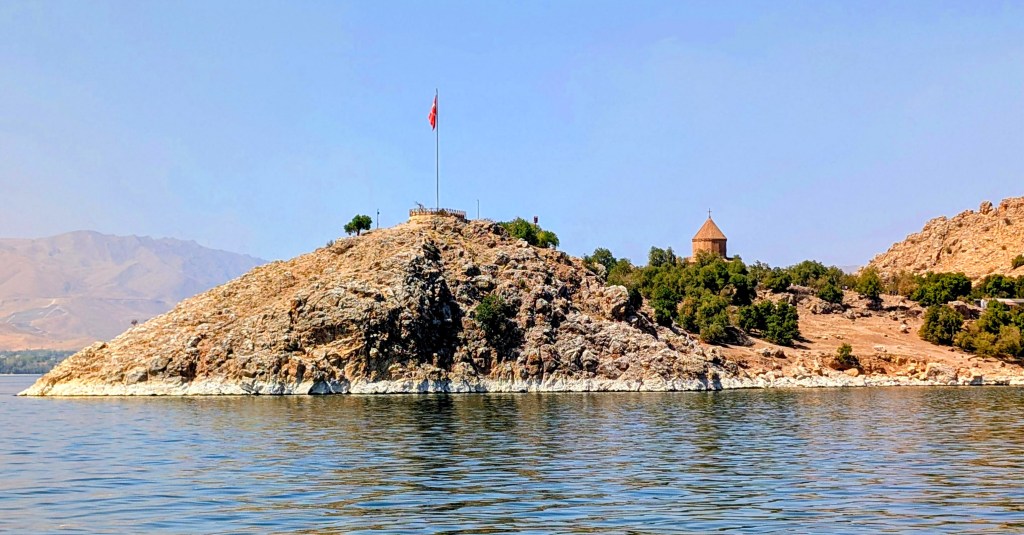
A 10th c. Byzantine church on the island of Adkamar, in Lake Van

But it was only after I’d made the booking that I realised that this was Gurdjieff territory too. I had read Meetings with Remarkable Men several times, but not remembered the place names, or connected it with the tour. We were going to visit Kars, where he spent much of his youth, the deserted city of Ani where he hid out for a while, and Van to where he travelled with his father for a traditional singing contest. The trip now had a whole added layer of significance. It was an extraordinary journey, into remote terrain and with spectacular archaeological sites, and very friendly people. It was hot, it required stamina, and the food wasn’t as good as Turkish food can be, but it was a wonderful experience.

Gathering together my thoughts, impressions and pictures after the tour, I decided to share these with others who might also be interested in the Gurdjieff connection. I can certainly say that it’s added a new dimension to my knowledge about his life and teachings.

As I want to move straight into describing the landscape, I’ve put a brief note about Gurdjieff and his work at the end of this post, for anyone unfamiliar with him, plus a note about my own connections.

KARS -Gurdjieff’s Family Home

The old fortress of Kars

The city of Kars was originally part of Armenia, but became a Russian province between 1878 and 1917. Although it’s now within Turkey, like most of the surrounding area, its culture used to be basically Armenian. It was where Gurdjieff and his family moved to from Alexandropol, some sixty miles away, after his father’s fortunes as a cattle owner failed. Gurdjieff’s chronology is never precise – it’s generally considered that he was born in 1866, though no means certain – but it seems that he spent much of his boyhood in Kars.

The Kars of today is of course very different from that time in the late 19th century, but the fast flowing River Kars still runs around the city, and the deserted citadel still crowns the view. It’s famous for its cheese, and there are many herds of cows grazing in the surrounding countryside, plus flocks of geese which are also a local speciality on the menu. Many of the substantial old Russian buildings are still standing and in use; sometimes the black stone (local basalt) gives them a gloomy feel. Others are painted in pastel colours of green and yellow, in the Russian style.
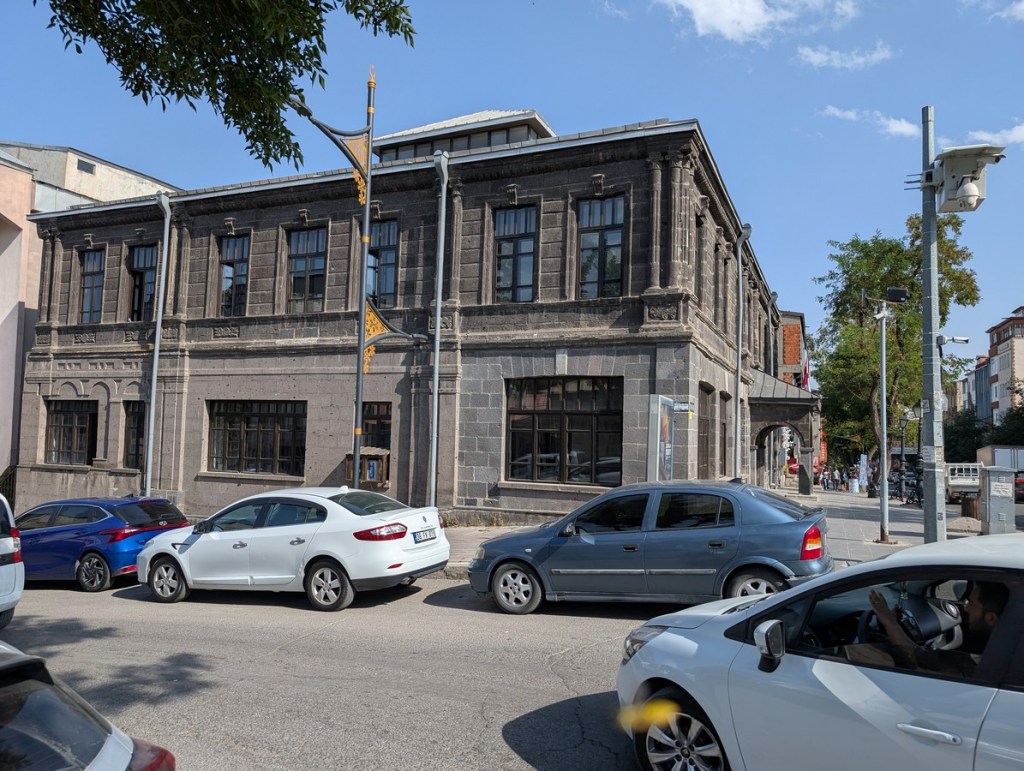
One of the original Russian buildings in Kars

And dotted in around the town are smaller dwellings, some very similar to Russian country homes.
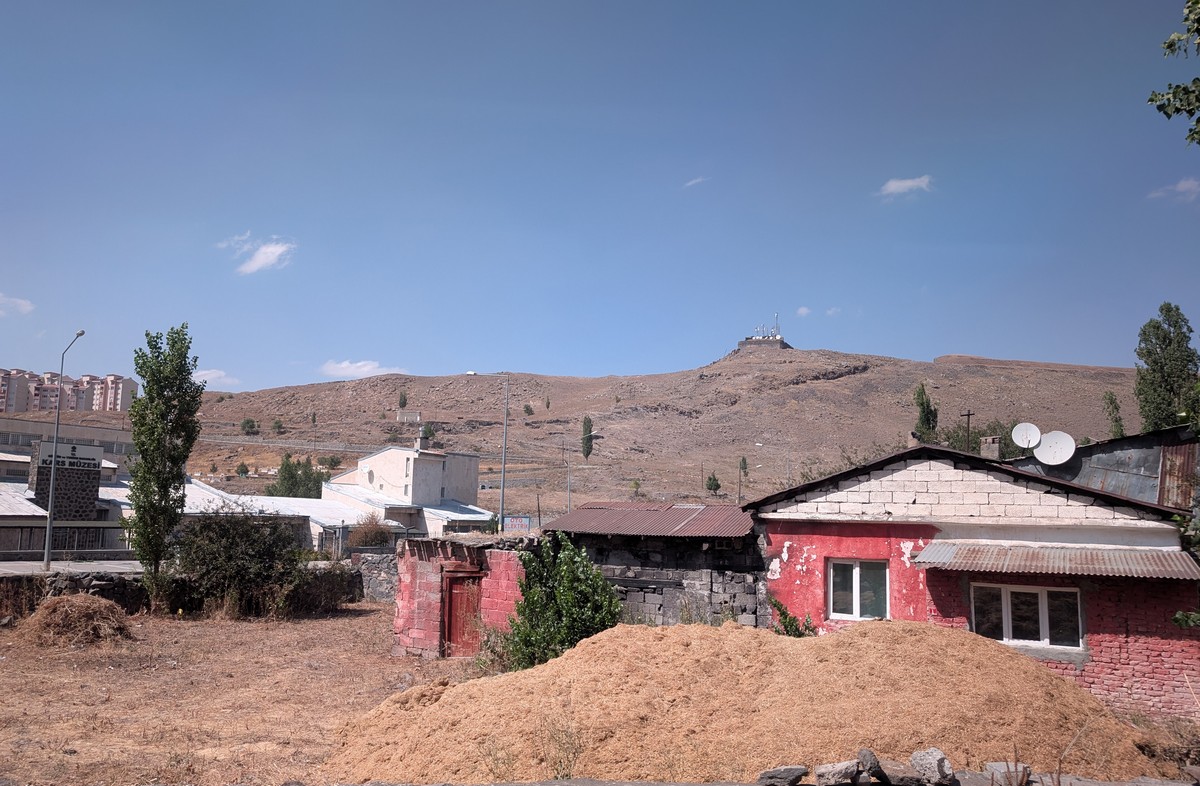
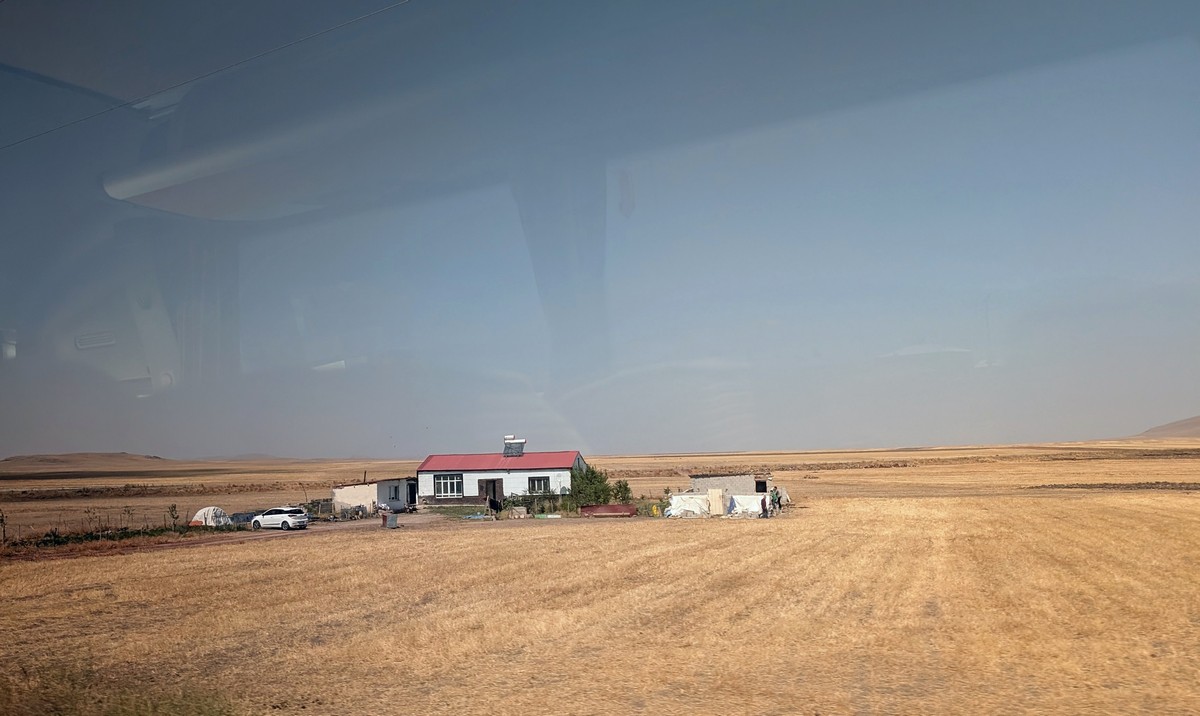
Kars seems to be in a much better state than it was! In 1877, when British Intelligence Officer Frederick Burnaby arrived in the city he said: ‘The streets of Kars were in a filthy state. The whole sewerage of the population had been thrown in front of the buildings.’ Gurdjieff himself described Kars as ‘quite remote’ and ‘extremely boring’, and even the guidebook to Eastern Turkey published in 2014 reported that ‘the mud never seems to disappear’. However, in 2025, after a long hot summer, our group found it a pleasant, quiet, friendly and mud-free town. The residents seemingly know how to enjoy summer, since they can often suffer five months of snow in winter. (Orhan Pamuk’s novel ‘Snow’ focuses on this feature.)
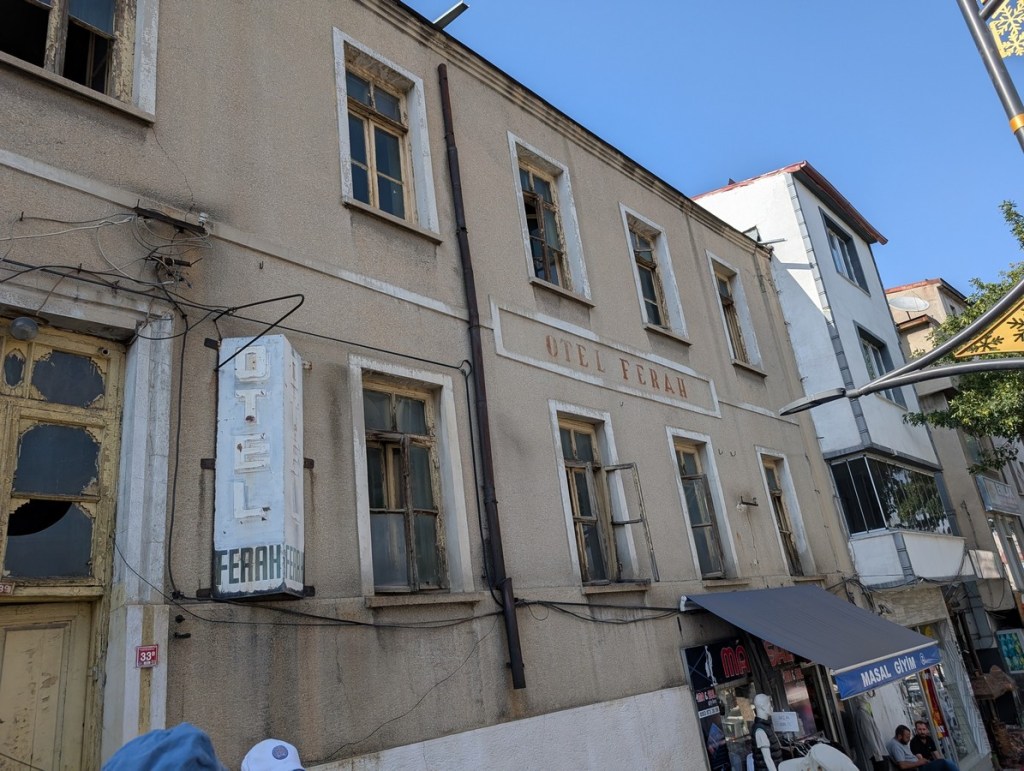
The hotel featured in Orhan Pamuk’s novel, ‘Snow’, now boarded up and semi-derelict. This too probably dates from the Russian era in Kars.

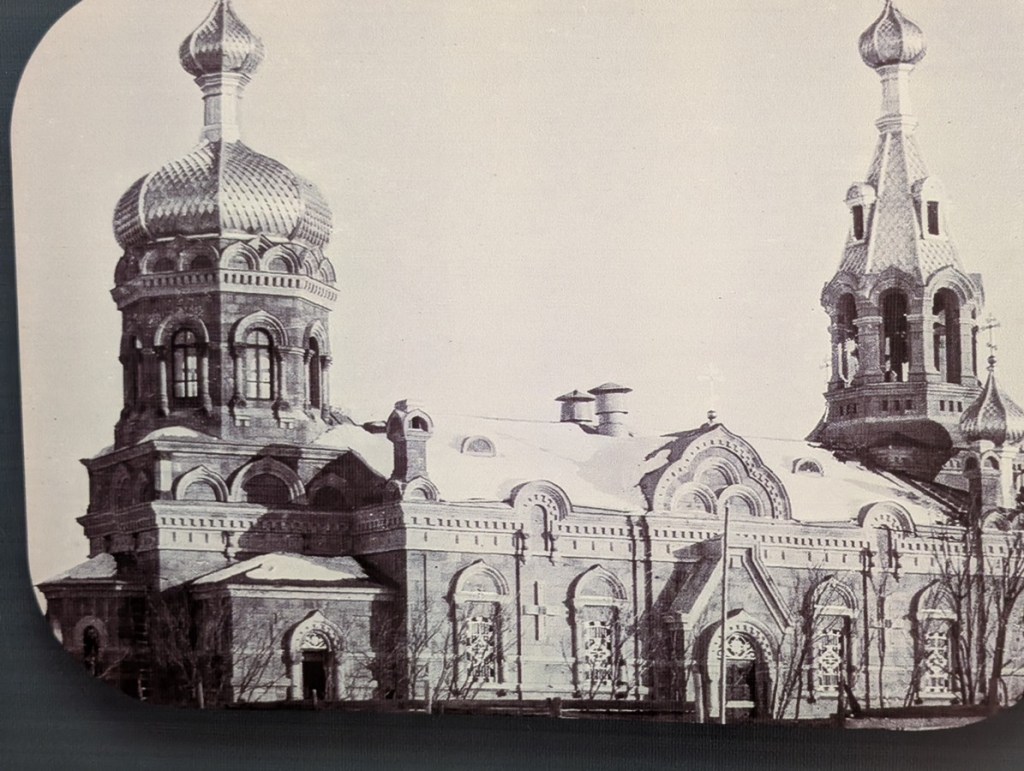
Somewhere here in the town, in a fairly humble dwelling after losing his fortune, Gurdjieff’s father worked as a carpenter, and in Kars itself the young George became a chorister at the Russian Military Cathedral. I asked our guide to take us there; he showed us what is now the Fethiye Mosque. The original Orthodox Cathedral was topped with onion domes and had a parade ground outside; later the domes were stripped off, and it was turned into a sports hall before being brought into use as a mosque. It was moving to step into this space and imagine – sitting on a rather garish blue carpet designed for Islamic prayers – that Gurdjieff had been here again and again for rehearsals and performances. As a choral singer myself of many years standing, I know how much time and commitment this takes.

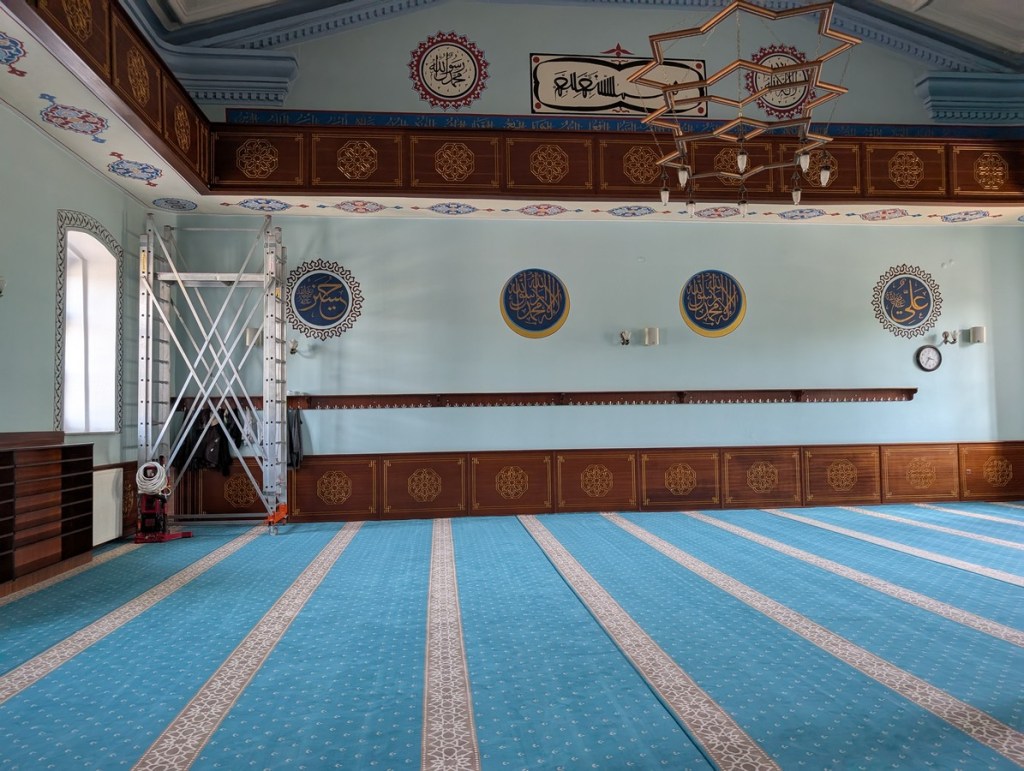
Kars Cathedral as it is today, and below that, the way it used to look
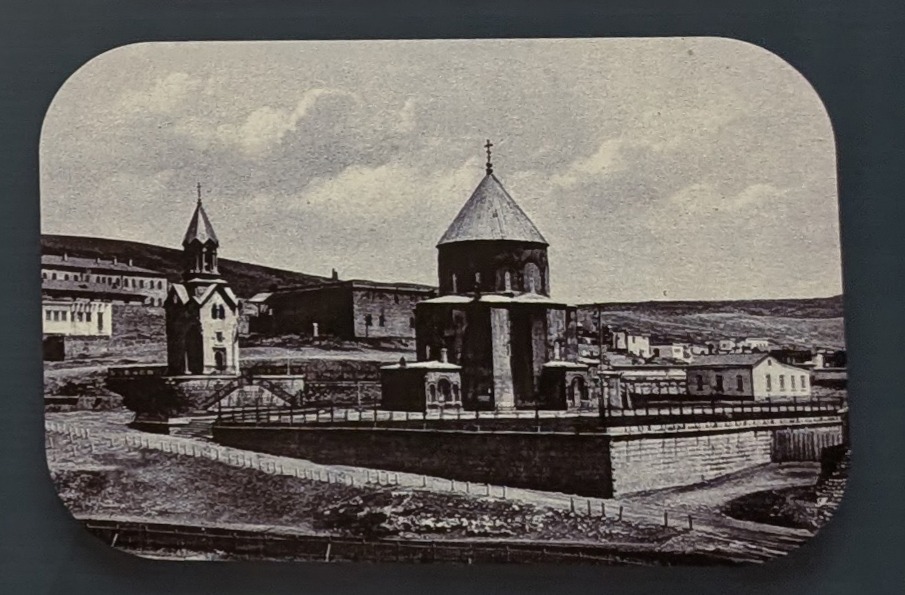
The Russian Military Cathedral at Kars, in its former glory. According to one source, the domes were taken down in the 1960s. (Photo displayed in Kars Museum)

In internet listings for the city, especially those relating to Gurdjieff, there seems to be some confusion between the Russian Cathedral and the Armenian one. This military Cathedral, with its domes and long rectangular shape, in front of an old parade ground, I am reasonably sure is where Gurdjieff sang, and where his tutor Dean Borsh presided. The other contender, the Armenian Twelve Apostles Church is an ancient building dating from the 10th century, sitting near the base of the citadel hill. It’s now a mosque, but with a warm welcome to all visitors. Here, I felt an ancient spiritual presence, something special that reminded me of the chant ‘Lord have mercy,’ which Gurdjieff employed in one of his dance movements and in a wider context. Did he perhaps come here as a boy, and sense this himself?

The Church of the Twelve Apostles, otherwise known as the Armenian Cathedral (now a mosque)

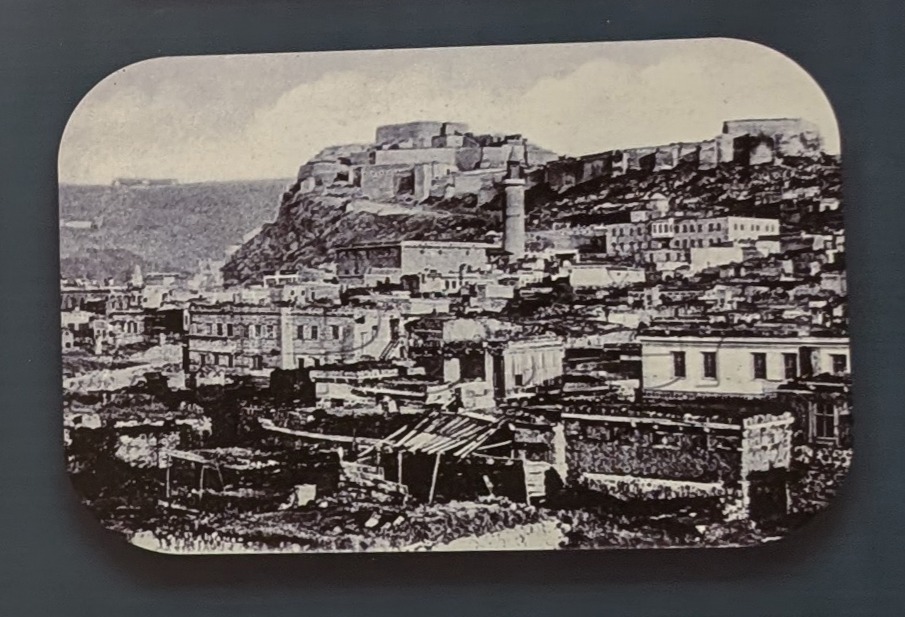
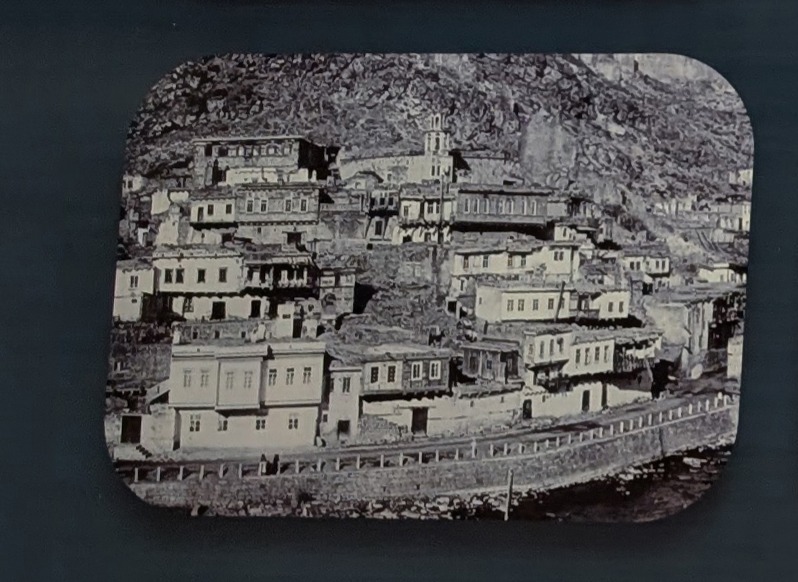
I’ll finish this section on Kars with some old photos from the Museum, showing how the city was in Gurdjieff’s time. Please excuse the quality of these pictures, which not only photos of photos, but I’ve also had to separate and enlarge them from a composite display – the quality is as good as I can get it!
The Ancient City of Ani
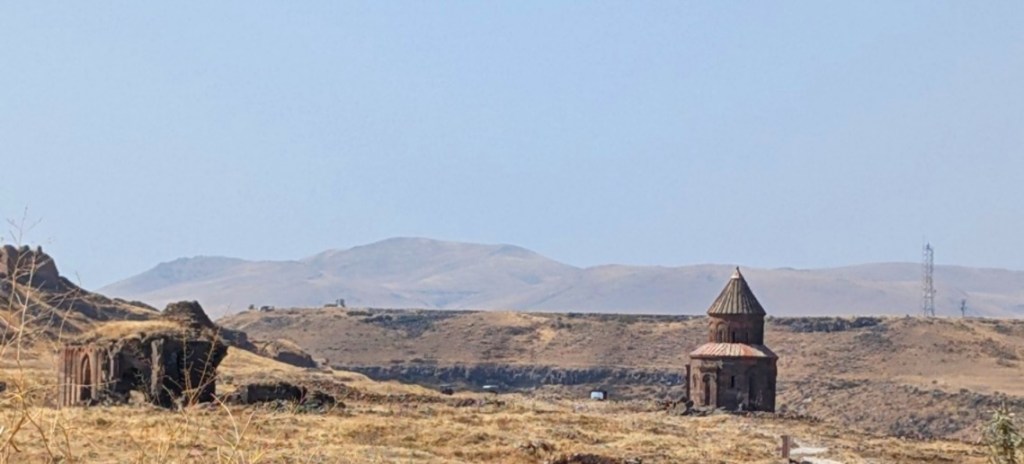
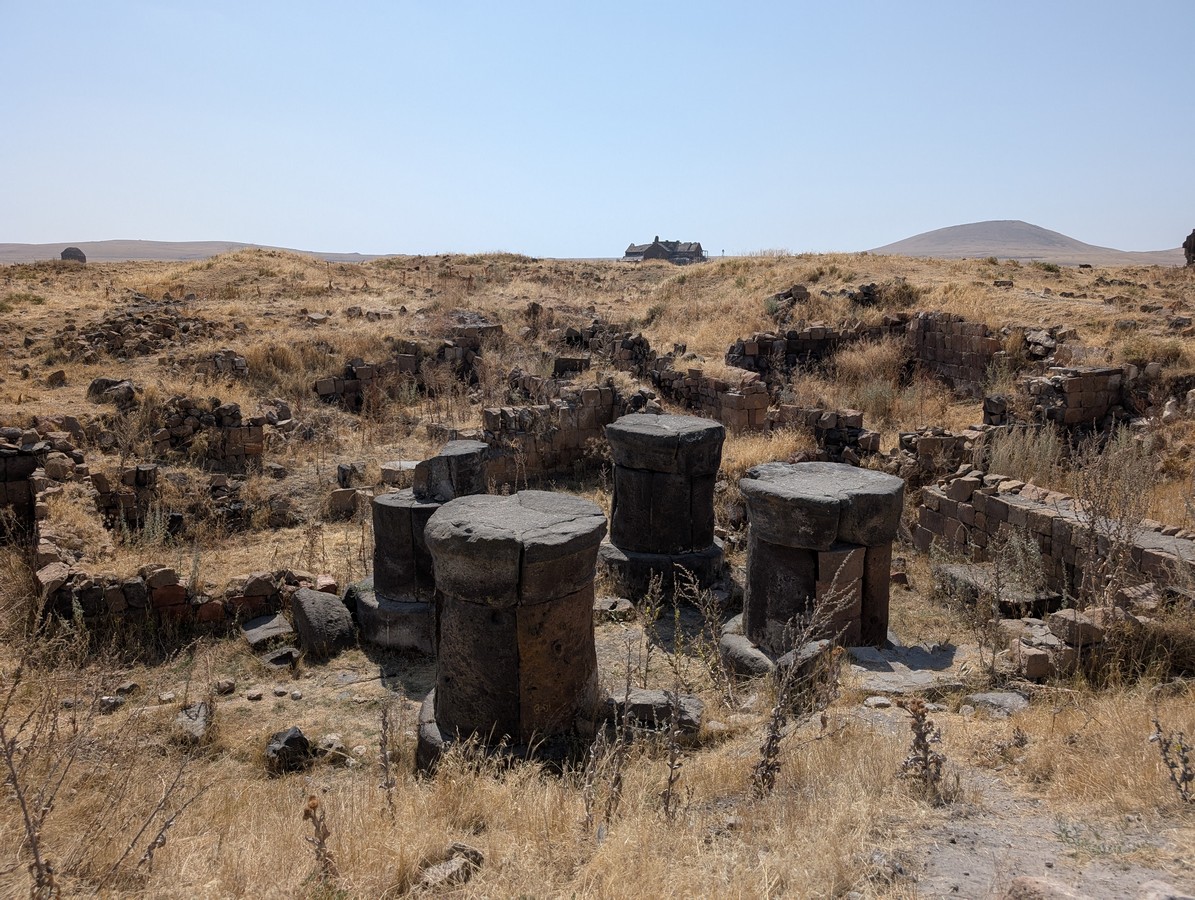
Ani is the most magical of places – a former Silk Road city of ancient Armenia, built around the 10c and deserted in the 14th century after raids and earthquakes decimated it. Today it is just on the Turkish side of the re-drawn national boundary. It’s now carefully conserved and treated as an open air museum. Three hours wasn’t enough to do justice to it.

Below: the city walls, ancient churches, and the remains of a Zoroastrian fire temple, with its four pillars.
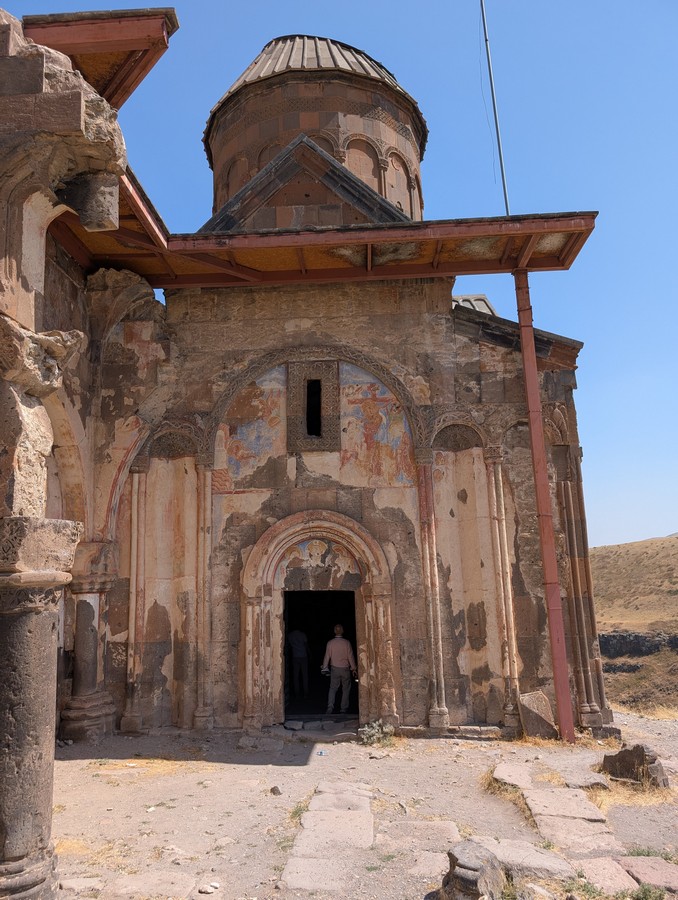
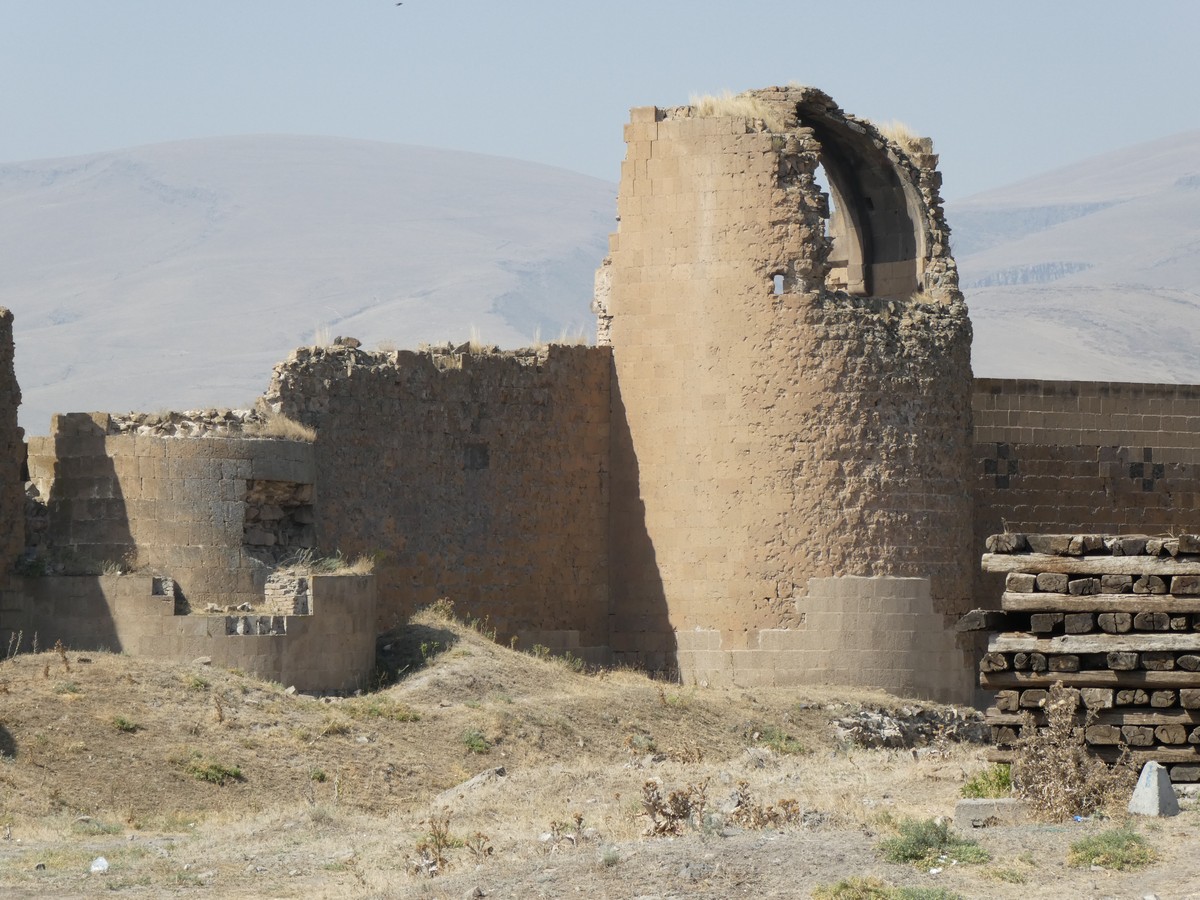
One or two of the churches, ruined or semi-restored, are used as mosques now in accordance with the policy of the Turkish government. The view through the window looks across the river valley straight into Armenia – my phone was convinced I was already in Armenia! It would have all been Russian occupation of Armenian territory in Gurdjieff’s day.

The caves of Ani

Here are the caves which link up with the underground passages which form the substructure of the city, and which played a pivotal part in Gurdjieff’s account of Ani. He and his friend Pogossian were searching for ‘a quiet place where we could give ourselves up entirely to study. Arriving in Alexandropol, we chose as such a place the isolated ruins of the ancient Armenian capital, Ani, which is thirty miles from Alexandropol, and having built a hut among the ruins we settled there, getting our food from the neighbouring villages and from shepherds. ’ (Meetings with Remarkable Men p.87 -Picador 1963)

They lived simply, reading and studying, and doing a little digging around ‘in the hope of finding something, as there are many underground passages in the ruins of Ani.’  They discovered a blocked up monastic cell, and a pile of parchments, some of which could still be read – if only they could understand the kind of ancient Armenian they were written in! They returned immediately to Alexandropol with the parchment so as to get to grips with the translation. When they finally succeeded, they discovered a source of lost knowledge, and a mention of the Sarmoung Brotherhood…’This school was said to have possessed great knowledge, containing the key to many secret mysteries.’ And there the tempting trail begins…the existence of the Sarmoung Brotherhood has been sought, disputed and revered ever since.

Whether or not this tale is faithful to the facts, Ani certainly makes metaphorical sense in Gurdjieff’s search for ancient universal wisdom. As the Unesco website declares: ‘Ani was a meeting place for Armenian, Georgian and diverse Islamic cultural traditions that were reflected in the architectural design, material and decorative details of the monuments.’ And ‘secret tunnels’ long out of use are indeed a verified feature of Ani. ‘The remoteness of the uninhabited city of Ani, with its impressively standing monumental buildings, over an invisible landscape of underground tunnels and caves surrounded by deep river valleys, provides a mostly unaltered window onto the past.’ https://whc.unesco.org/en/list/1518/ I recommend a browse of this website in which even such an official and rigorously factual description of Ani conveys the city’s unique magic and importance as a crossroads of culture. Did G. I. Gurdjieff and Pogossian really discover lost manuscripts? Well, they could have done…that at least is for sure!

We enter a mythic realm with this transition in the book, and whether it rests on literal truth or a kind of metaphorical reality, is up to the reader to decide. The Second Series, Gurdjieff declared, which was the book in question, is intended ‘To acquaint the reader with the material required for a new creation and to prove the soundness and good quality of it.’ We ourselves have to enter that creative dimension, and he gives us a good send-off for our own explorations.

The area is full of mysteries, ancient carvings and strange mythical creatures…

A serpent-dragon-sphinx woman, which neither our Turkish guide nor our esteemed lecturer could identify…she graces the Museum of Kars

The Landscape

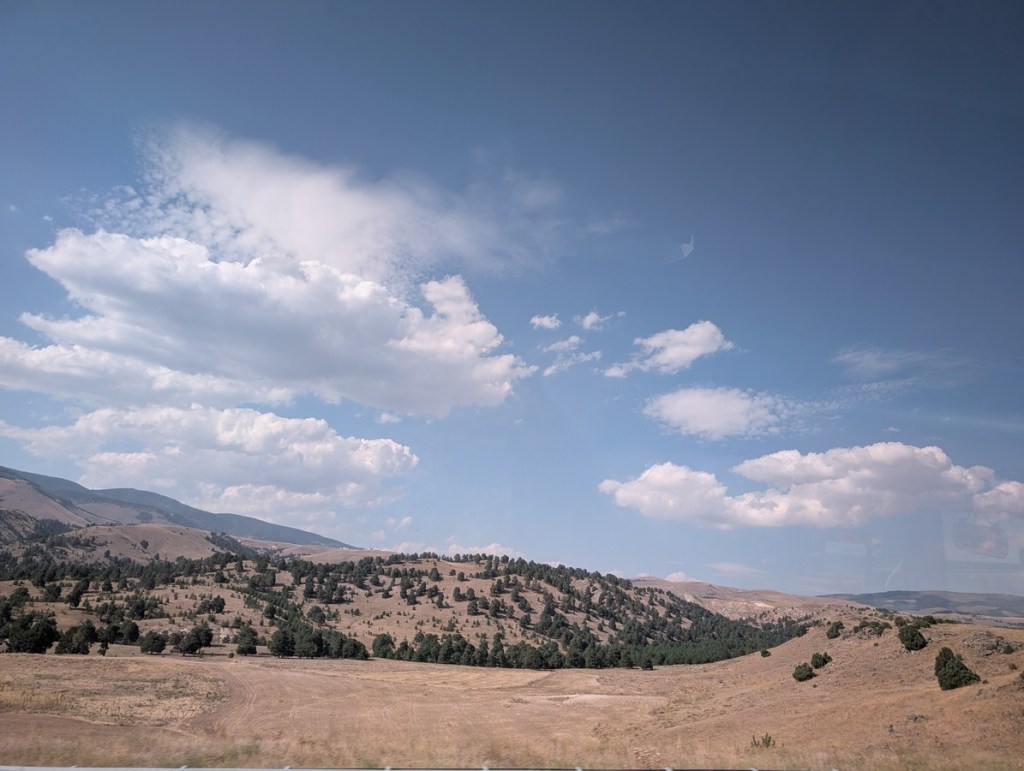
Turkey had endured an extra long and hot summer when I visited, so most of the landscapes I saw were golden brown, apart from swathes of green around water sources. There was a haunting beauty about the empty hills which roll on into to the distance, and awe at the craggy mountains which tower up here and there. Occasionally there were strange geological phenomena, such as the scatterings of obsidian on the road between Erzerum and Kars, and later petrified streams of black magma, rolling many miles away from their source at Mount Ararat. Mount Ararat itself is not too far away, and we glimpsed it like a hazy, snow-capped apparition a couple of days later, in the vicinity of Dogubeyazit.

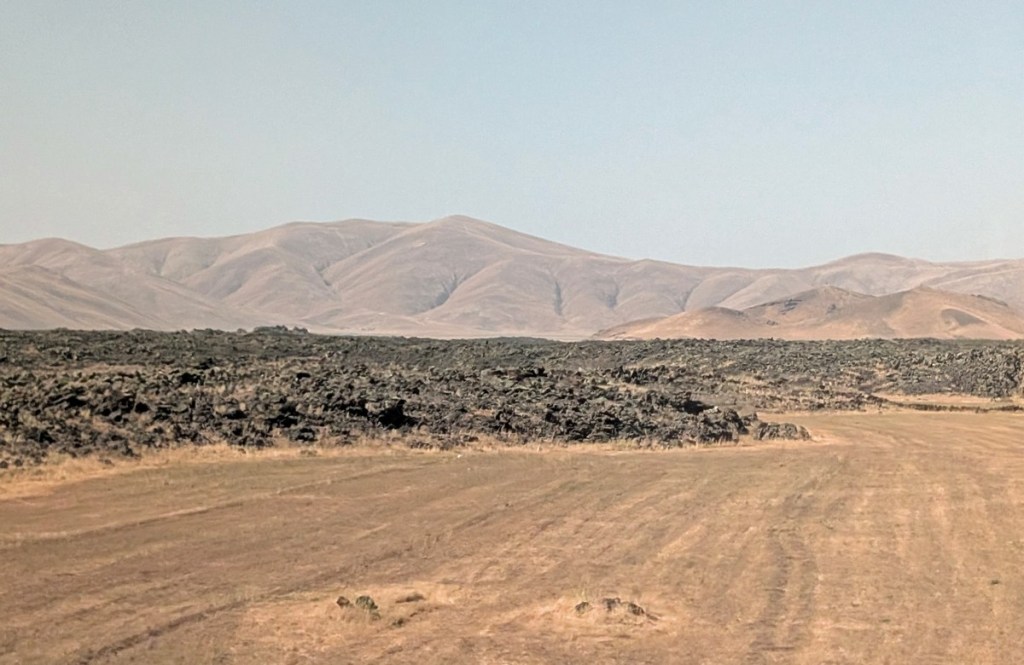
Can you spot Mount Ararat through the haze towards the top of the photo? Climbers take about five days to get to the summit and return back down again. It was snow capped and appeared almost like a mirage behind the lower mountains in the foreground.
The weird, corrugated fields of black magma en route to Tatvan, from some of the last outpourings of Mount Ararat in the 19th century. It’s believed to be extinct now. (‘Believed to be?’ I asked our guide nervously!)

Shepherds and flocks

In the foreground, near the roads, we saw open unfenced land which provides free range grazing for sheep, goats and cattle. Many of these flocks and herds were attended by a single shepherd or cowherd.

The shepherds played a quiet, but significant role in this terrain. And Gurdjieff noticed this, and probably conversed with them on his travels. He once said that a shepherd in the hills could learn far more about meditation in three days than the a modern seeker would in three years! (I’m paraphrasing, until such time as I rediscover the quote.) As we traversed the seemingly boundless landscape we saw such solitary shepherds or cowherds with their animals and they were, as far as I could see ruminating, sitting, or walking slowly – and not glued to a phone. So the conditions are still there for people to have this kind of solitude, which becomes an immersion in the spirit of the landscape, leading to a sense of presence beyond the chatter of everyday life.

The Ashokhs
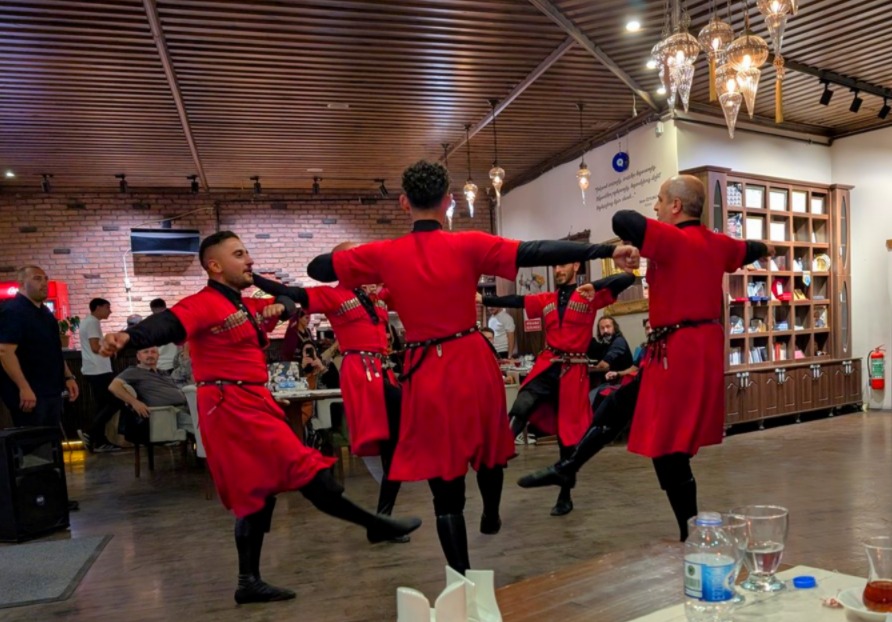
Vigorous dancing at a Kars performance. The agility and ingenuity of the dancers was incredible – Gurdjieff collected such dances and transformed them (both wild and stately) into his range of ‘Movements’, based on traditional, occupational and sacred dancing.
Traditional musicians performing in Kars; they were followed by today’s equivalent of Ashokhs as described below

I had trouble identifying whether the ashokhs – such as Gurdjieff’s father, the bards who were singers and reciters of epic tales – were still known in Eastern Turkey. Our Turkish guide didn’t recognise the word. Eventually I found it listed as ‘Ashugh’ (Armenian) or ‘Ashik’ (Persian). Most of Gurdjieff’s territory from his boyhood was Armenian, even when occupied by Russians.

And I did find traces of the tradition. One evening, in Kars, we booked a special restaurant dinner and performance, with what turned out to be amazing leaping dances, and ‘a contest’ between two singers, playing traditional instruments (ud or saz). Was this a remnant of the old ashokh contests, which Gurdjieff and his father attended? It could well be. I asked the guide, who explained that yes, they were – in my words – slagging each other off, and vying to out-sing each other, with good humoured insults and bravado. The songs seemed to be love songs without any hint of the epics which Gurdjieff described, but this was probably only one example of today’s performances. I’ve since learnt that there’s a cultural centre in Kars, where ‘Ashik’ performances happen every day, to keep the tradition alive.

This rather raucous snatch of video which I took features two modern day ‘ashokhs’ in a singing contest

Gurdjieff tells us that he and his father travelled to Van for an ashokh contest, so I was curious to see the city, which is where we spent the last three nights of our tour. Van itself is still a very lively place, where people of different cultures meet. In Gurdjieff’s time it was an Armenian province, although Armenians themselves were in the minority. Today the majority of the population are Kurdish, who are outgoing and friendly to visitors. There were very few of us on the streets who’d come from Europe; the majority of today’s visitors pour over the border from Iran, eager for night life and (comparative) freedom!

Below: Varied views of Van, including my hot but triumphant climb to the top of the fortress!

The vast lake is known as the ‘Sea of Van’ as you cannot see the other side of it on the horizon. It’s ‘silky’ to some swimmers, ‘oily’ to others , and only one kind of fish can live in its alkaline waters, a kind of mullet which we sampled for lunch one day. (Rather like bland sardines.) There were however a few flamingos around the lake, and I saw a small group of bee eater birds, with their exotically iridescent plumage. I was also super keen to meet a Van Swimming Cat, a white, long-haired breed, who often have different coloured eyes (eg one blue, one green) and a penchant for water. We did see a few in a cat shelter, where they are trying to save and conserve the breed. Gurdjieff, fond of animals, might very well have encountered one of these. I was wondering why they are white, until I remembered the five months of snow in the region! Good camouflage.
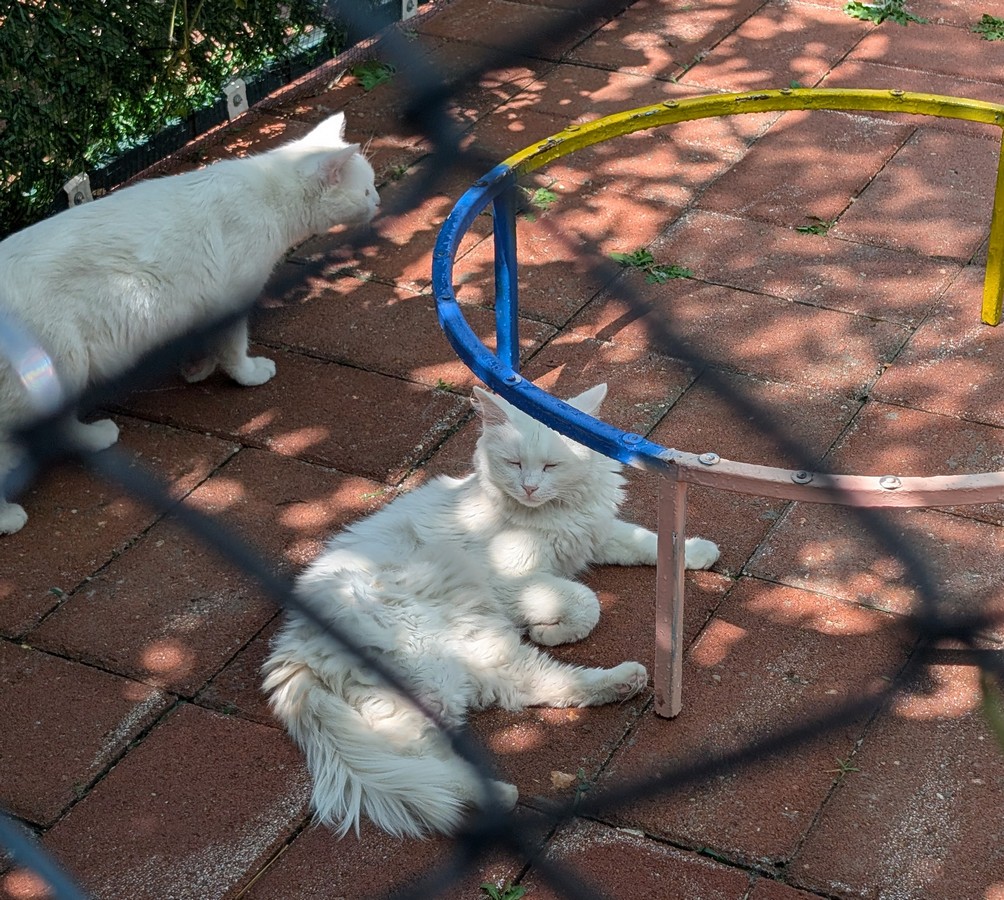
Van ‘Swimming’ Cats – on land they would be well disguised in the winter snow!

The Urartians

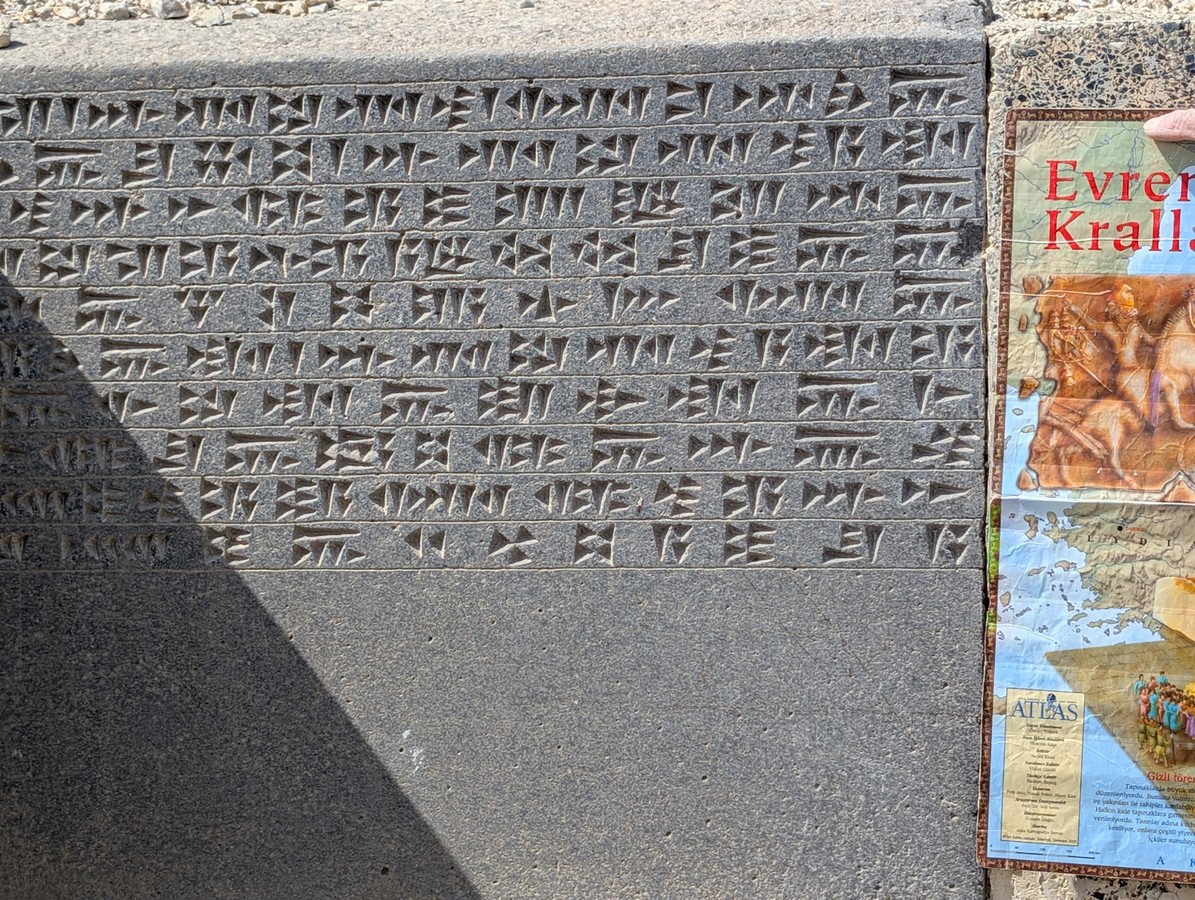
Van in ancient times was called Tushpa, and was the capital of the Urartian kingdom, which existed between about 900-600 BC. This fascinating culture was richly endowed with a multitude of deities, of whom the chief was Haldi, the sun god; they possessed a cuneiform language, found engraved into stone, and were both neighbours and enemies of the Assyrians. Their citadels were often built on mountaintops and we visited one such, at Cavustepe. It was wonderful experience standing on top of the mountain ridge, surveying the valleys below and the hills and mountains beyond. A sense of being proud, and free. Here, an 85 year old guide showed us around; he had worked at the site with the archaeologists for 70 years, and deciphered the cuneiform script, on which he is now the world’s leading authority. Mehmet Kushman is coming to the end of his active life, and we were privileged to walk through the high reaches of Cavustepe with his knowledge and guidance. I asked him in a quieter moment, if he ever felt the presence of the Urartians around him there. He paused for a moment, then with dignified emotion and a half laugh, declared, ‘I am Urartian!’ I believe him.
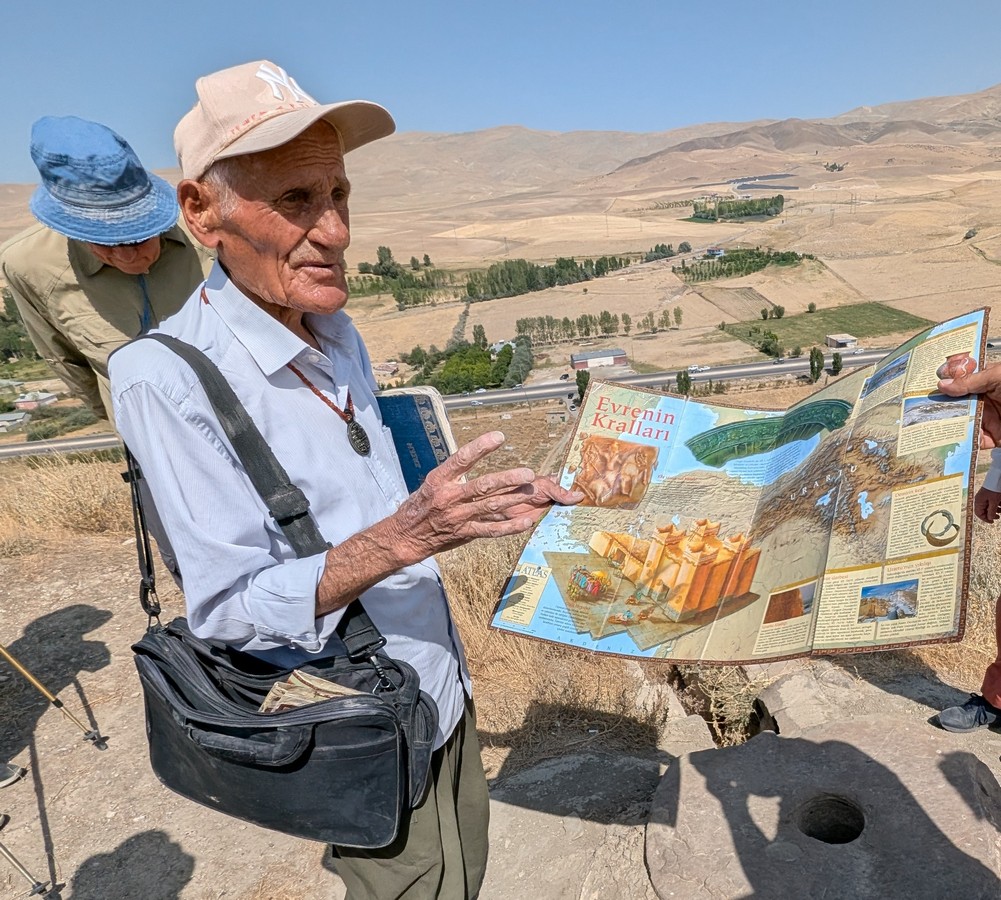
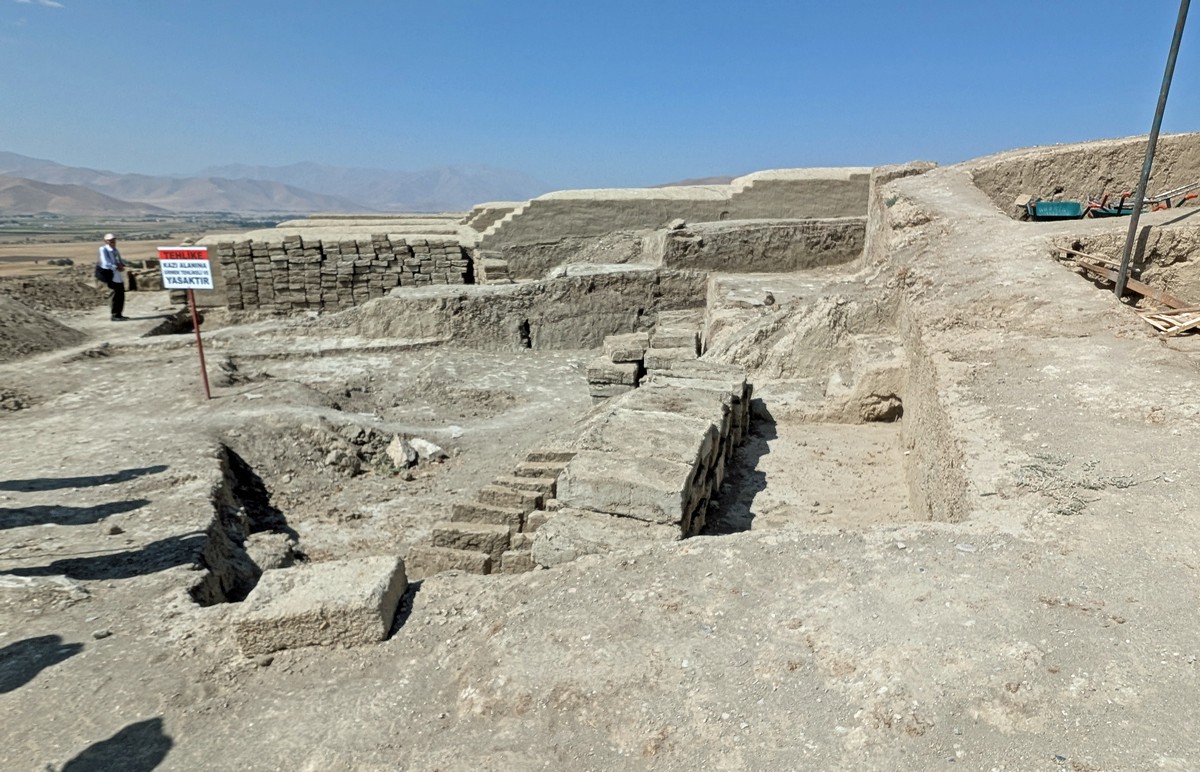
Would Gurdjieff have visited some of these mountain fortresses? Most probably he would have climbed up the one at Van, as we did – a real trek in the heat! Did he know about their culture? Perhaps not, but it’s certainly in keeping with the sense he engenders for us of ancient peoples, hidden sources of knowledge, and lost kingdoms.
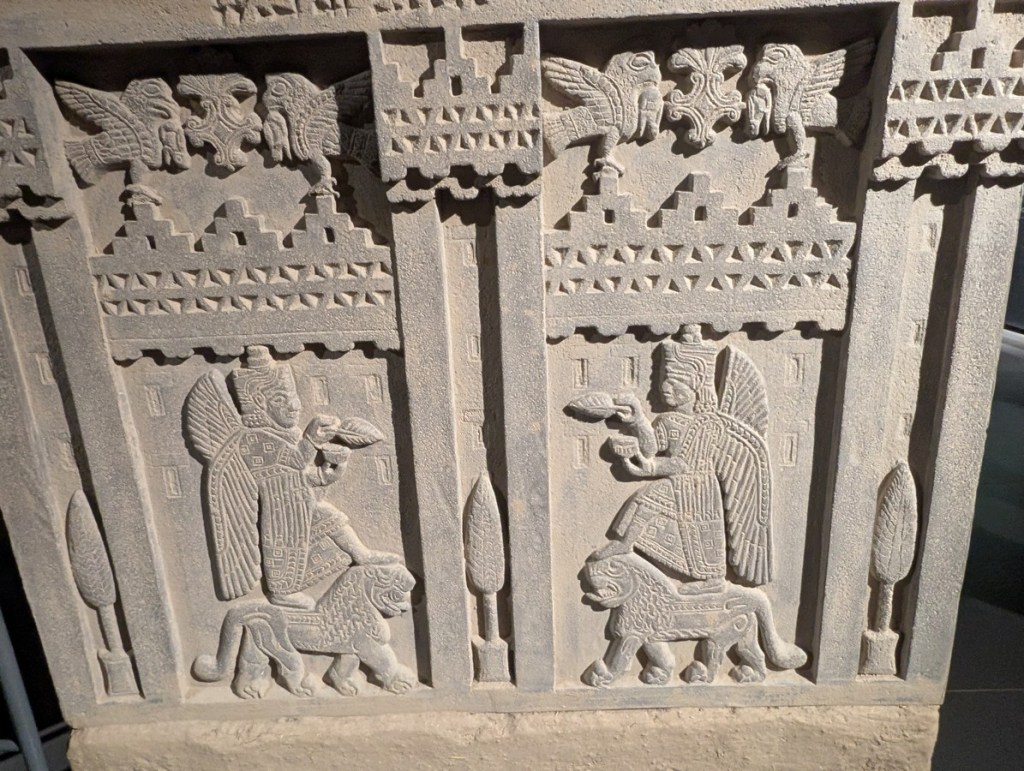
An Urartian carving in the Museum of Van

My trip has left me with a yearning to keep something of the spirit of this place in my soul. And perhaps to follow it up with a trip to Georgia and Armenia. Seeing places which have inspired writers and teachers of wisdom can be both moving, and profoundly instructive in a non-verbal way. I have a better sense now of where this particular line began.
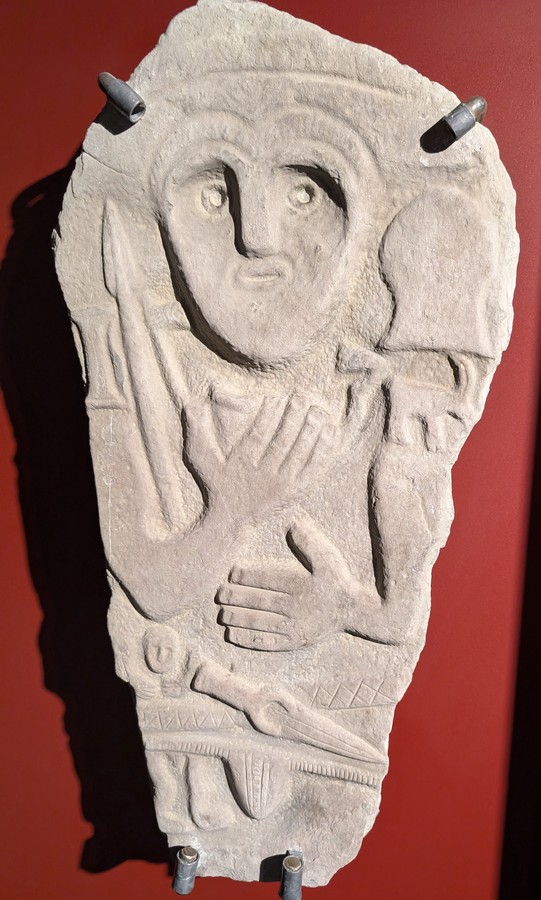
A mysterious stele, one of a number in the Museum of Van, thought to be created by nomadic peoples of Mongol origin

Who was Gurdjieff?

For anyone who hasn’t encountered Gurdjieff, here’s a brief resume: George Ivanovich Gurdjieff was a Greek-Armenian philosopher, traveller and teacher, who lived from around 1866-1949. He came from a Christian Orthodox family, but sought out teachers and sages who could instruct him in ancient wisdom, which he then absorbed, researched and formulated in his own way. Perhaps it’s fair to say that the core of his message is to ‘wake up’ from the sheep-like state we live in much of the time, in order to realise our full being, and allow the self to ‘remember’ its true nature. Although not mainstream, his teaching has had a great impact on 20th century systems for personal spiritual growth. He brought the ‘enneagram’ into public view, now extensively used in psychotherapeutic contacts. His methods are usually taught as ‘The Gurdjieff Work’.

My own connection: While my own path has been chiefly in the tradition of Western Tree of Life Kabbalah, I have also been a member of groups studying Gurdjieff’s writing and his dance ‘movements’. I’ve also read and re-read his books over the last fifty years, plus practically all the memoirs written about him. I am not a fully-fledged Gurdjieffian, but I admire and respect his teachings.

‘Meetings with Remarkable Men’

The places featured here are those mentioned in Meetings with Remarkable Men. Here, in the ‘Second Series’ which follows Beelzebub’s Tales, Gurdjieff describes his early life and some anecdotes from his boyhood, followed by a search for truth and ancient teachings as a grown man, in remote areas of Central Asia and beyond. Was this memoir a genuine account of his life and wanderings? My own view is that many of these ‘later ‘meetings’ from his adult years are most likely to be fictionalised, semi-mythic accounts of what may have been real events. They convey their own truth, but not in literal form, But I know of no reason to doubt that most of his descriptions of his childhood and adolescence are genuine memoir. His visit to Ani – again in my own opinion – is one most probably based on his personal knowledge of the ruined city, which was within easy reach of his two home cities, Kars and Alexandrapol. What he found there is a matter for speculation!

Encounters in the Bazaar

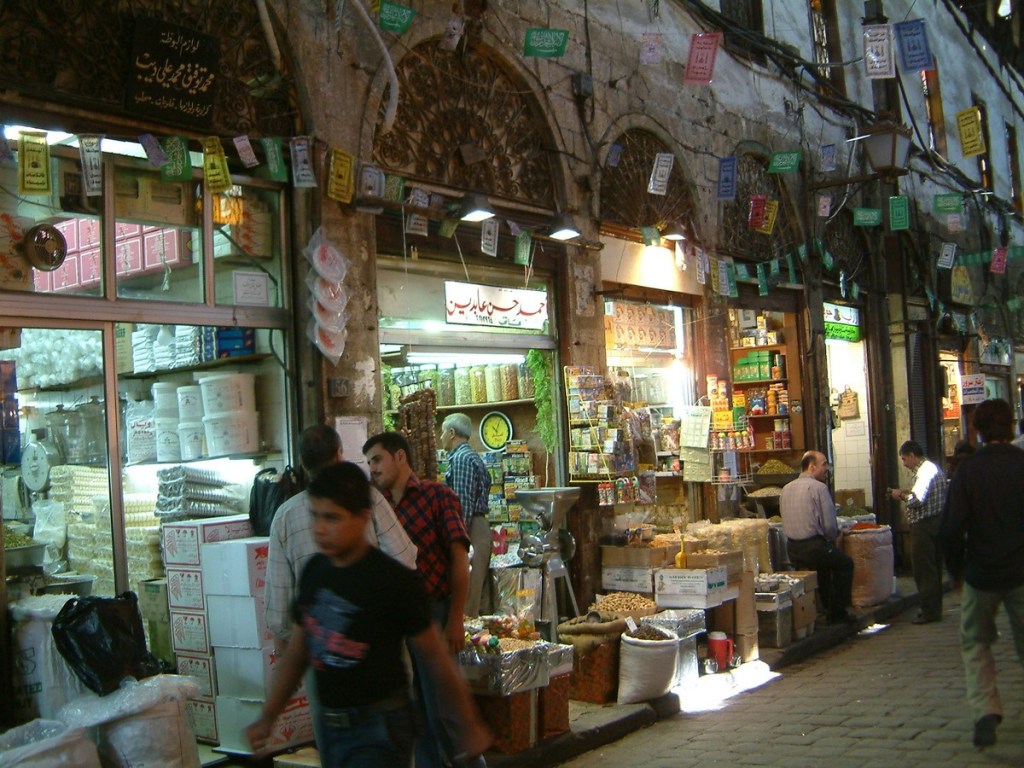
The bazaar in Damascus, Syria, which I visited in 2006

The Life of the Bazaar

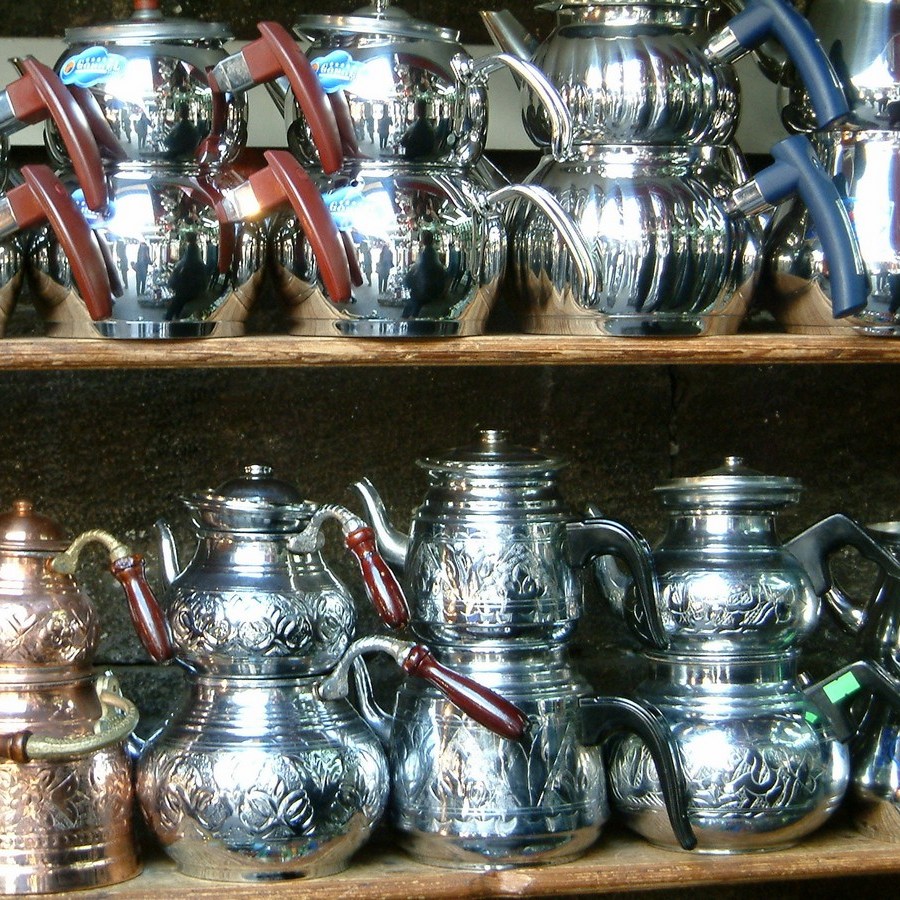
We think of bazaars as a kind of exotic marketplace, offering goods which may include interesting, rare and colourful items, from distant lands. Displays are often dazzling, whether of spices, silks or gold. Even an array of humble teapots can be elevated to an art form, as you can see in the photo below. And who could gaze at these coloured lanterns without being reminded of Aladdin, or Tales of the Arabian Nights? During a period when I used to visit the Grand Bazaar in Istanbul almost every year, I noticed that on each new visit there would be something exotic, new and striking on offer, hanging from the ceiling or piled up in tottering towers. Even in modern times, surprise and delight is intrinsic to the allure of the bazaar. This isn’t the first time I’ve written about the bazaar – as a long-time lover of the Silk Road and its markets, I’ve featured them on Cherry’s Cache, in blogs such as ‘The Bazaars of the Silk Road’ and Suzani from the Silk Road. However, this time I’ll be taking the life of the bazaar a little further, beyond that of tempting merchandise.

Yes, there’s more to a bazaar than buying and selling.

A book on the history of the Bazaar, as a place for traders, travellers and craftsmen, makes two significant statements:

‘When asked if he was ever lonely on his journeys, the British explorer and eminent Arabist Wilfred Thesiger replied that, in towns where he did not know anyone, he simply went into the bazaar and struck up a conversation with a shopkeeper. Tea would be brought, other people would join them, and he would be invited for lunch or an evening meal.’ (The Bazaar – Markets and Merchants of the Islamic World p45)

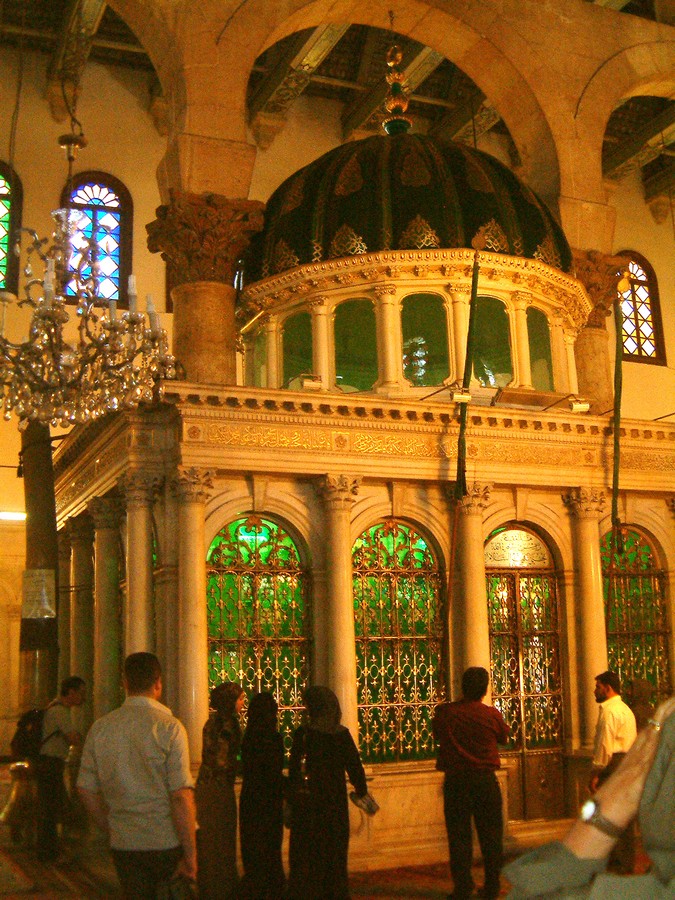
And the bazaar has a spiritual dimension. As the same book says, in relation to Islamic bazaars: ‘It is not by accident that the mosque is the centre of the bazaar.’ (The main bazaar of a city often has a mosque at its heart, or aligned alongside it, as with the great Umayyad Mosque in Damascus.) The mosque hasn’t always been just for worship, but has served other functions too, as a place where court cases might be heard, sick people treated, and students taught in a ‘madrassa’, for both religious and secular education. Thus the mosque combined with the bazaar can form the centre of a hub which is not only about trade, but also about social interaction, and spiritual aspiration. Historically, therefore, the Bazaar has always been a relatively safe place. Stallholders trust each other, and theft or aggression is rare.

When I visited Syria in 2005, just before the civil war broke out, I bought a gold chain from an Armenian goldsmith in the bazaar of Damascus. A friend from the tour came with me and by great good fortune she spoke both Arabic and Armenian fluently, so we had a fascinating conversation with this man, and he was well-disposed towards us. He told us that all his merchandise – worth a small fortune – was completely safe. He didn’t even need to lock up, although he did take sensible precautions, as nobody would dare to come in and steal from his shop. Of course, some of this might have been due to the extreme control exercised by the government, but nevertheless it makes the point that the bazaar is as safe a place as any. And further back in time, in 1969, when I was a student, I spent a summer in Istanbul staying with a family there, free to wander the city by day while they went about their day jobs. (And that’s another story!) As a long-haired, mini-skirted semi-hippy you might think was asking for trouble, with hot-blooded young men swarming the streets. But although I spent many hours and days roaming the bazaar, I never came to any harm – no one laid a finger on me, although of course I was pestered verbally in a good-humoured way from time to time. I also went into mosques, respectfully with my head covered, and was met only with kindness. (I did once get converted by mistake, but that’s yet another story…) This has some relevance to the story which comes later on in this blog.

Below: the great Umayyad Mosque in Damascus, which is situated in the area of the bazaar

The Appointment in Samara

So given the importance of a bazaar to the city, it’s not surprising that stories, myths and remarkable true life encounters may be set there. Here’s a philosophical twister, and a sharp reminder of our human limitations. The message is, most probably: ‘You cannot outwit your fate’. Or perhaps you’ll think differently? It is based on various ancient tales, and was recounted by W Somerset Maugham in 1933 as ‘The Appointment in Samara’.

Below: what is left of the magnificent ancient city of Samara

The servant speaks: There was a merchant in Baghdad who sent his servant to market to buy provisions and in a little while the servant came back, white and trembling, and said, ‘Master, just now when I was in the market-place, I was jostled by a woman in the crowd and when I turned I saw it was Death that jostled me. She looked at me and made a threatening gesture; now, lend me your horse, and I will ride away from this city and avoid my fate. I will go to Samara and there Death will not find me’.

Death speaks: The merchant lent him the horse and the servant mounted it and he dug his spurs in its flanks and as fast as the horse could gallop he went. Then the merchant went down to the market place and he saw me standing in the crowd and he came to me and said, ‘Why did you make a threatening gesture to my servant when you saw him this morning?’ ‘That was not a threatening gesture’, I said, ‘it was only a start of surprise. I was astonished to see him in Baghdad, for I had an appointment with him tonight in Samara.’

From the literary point of view, so much is packed into this short tale that it is often used as a focus of study. On one of the creative writing courses which I tutored, the course author had written a whole exposition of its structure and impact, concluding: ‘Here, in miniature, are all the things that we find in more detail in Shakespeare or Hardy: character, plot, an unexpected turn of events, a sense of fate and irony, and a climactic conclusion.’

A stone relief of the figure of Ereshkigal, Sumerian goddess of the underworld and death (British Museum)

Death as a Woman

And what about Death – who turns out to be female? Much discussion has taken place as to whether death is male or female – for example, see Death: personification. But certain cultures definitely do have a death goddess: the Slavs have Morana, the Goddess of Death, the Mexicans Santa Muerte, and the ancient Sumerians have Ereshkigal, goddess of Kur, the land of death. The Sumerian link is significant here, since that ancient civilization existed for around 2000 years until 2,300 BC, in the same region of Mesopotamia where Baghdad and Samarra were later founded, in what is now Iraq. The face of this ancient relief carving of Ereshkigal is gentle, but knowing, and resolute. Place a white robe on her, and imagine her wandering around that ancient bazaar, about to tell you, perhaps, with a touch on the shoulder, that your time is up.

The Sufi Apprentice Carpet Mender: Encounter in Thessaloniki

Byzantine remains in Thessaloniki

And now for happier encounters in the bazaar, but still with a sense of destiny, where perhaps a helping hand or a benign current brings us to where we need to be.

Before coming to the main account by my friend and fellow author Lucy Oliver, I’ll set the scene with a more transitory encounter, which took place in a carpet shop in Thessaloniki in Greece. This was set in a more modern indoor market, perhaps replacing an earlier bazaar. My husband Robert and I were on our way to join a cruise ship as guest lecturers, and were wandering round with time to spare before the evening departure. I am always drawn to old textiles and rugs, and on this occasion there was something about the set-up which tickled my interest. I felt it would be worth striking up a conversation with the owner. Indeed it was; here’s what I wrote later:

The old man sits in his shop of treasures. There are Chinese statues, a 13th century wooden figure of Kuan Yin, Uzbeki embroideries and rugs – many of them, for this is primarily an oriental carpet shop.’ (Kuan Yin is a key symbol for me, as a figure of compassion whose forms encompass both the Chinese goddess of mercy to the Christian Madonna. See my blog The Moon Meditation of Kuan Yin.

We are in Thessaloniki, which was once an important port on the Silk Road trading route. Robert and I are setting off on a Black Sea cruise, for which I am a guest lecturer. The city is a fascinating amalgam of old and new, Byzantine ruins alongside the modern shopping centre where we are now. But this shop is something different, not peddling cheap fashions or tourist souvenirs. The owner tells us his story with great dignity. I think he recognised my own interest in the wisdom traditions of Central Asia. He said:

“I was sent out to Afghanistan at the age of sixteen to train as an apprentice in a carpet shop, selling oriental rugs. I was told that I could either go to Iran or Afghanistan to learn carpet mending, so I asked my father what I should do. He was in the military, and he told me: “Everyone goes to Iran, so go to Afghanistan!”

“My master there was a Sufi. He taught me how to get up in the morning and seize the day. In fact, he taught me how to live. He was 82 years old, and had a great presence, great love. Even to this day I remember my Sufi master. If I have a question about what to do, I ‘ask’ him in my mind.

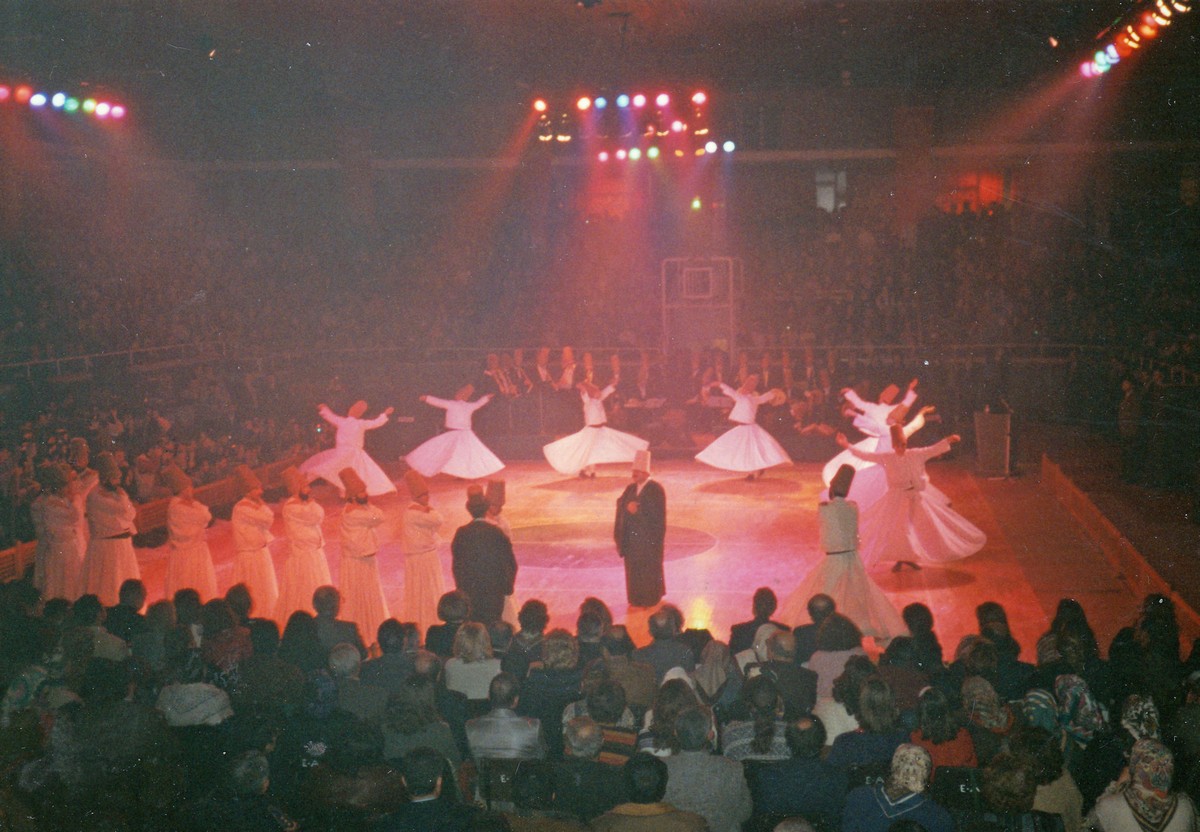
Mevlevi Sufis in their famous ‘whirling’ dance, with the sheikh of the order in the centre. (From my visit to the Rumi Festival, Konya)

What is Sufism?

Sufism is hard to pin down, but I would describe it as a way of wisdom which has taken root as an inner tradition within Islam, but which in fact may be a separate path of knowledge dating from a much earlier time. I am not a Sufi expert or scholar, but I’ve had my fair share of interaction with Sufis and the literature of Sufism, so I will express my opinion that it is a way, rather than a dogma, with the aim of living in the world, as best one can, with love and wisdom. It’s often been said that the wise Sufi master in your town might be the man you see sweeping the road, or who mends your shoes.

Sufis are generally open to those of other religions or none. A Sufi may follow conventional Islamic worship, along with holding Sufi rituals and gatherings, or go with their own sense of what is fitting for the service of God. As one Sufi sheikh (leader) pronounced: ‘Rules and customs are for the protection of the foolish; they do not concern me.’ (Witness – J. G. Bennett p 317) They are renowned for using music, chant and dance in their ceremonies, and there are generally considered to be twelve different orders of Sufis, all with their own approaches.

My fellow travellers examining carpets in a Sufi-owned carpet shop with Mehmet (left), who came from a local Sufi family and later became a close friend. (Author’s visit to Konya, late1990s)

Sufis in person

As for the Sufi we met in Thessaloniki – perhaps he would have been too modest to describe himself as a Sufi –his business was indeed very much in line with the strong Sufi tradition of carpet making and selling. In the 1990s, for instance, my husband and I met various Sufis in the carpet shops of Konya in Turkey, when we visited the town in December for the annual Rumi Festival. Mevlana Rumi, who has since become well-known world-wide, was a 13th century Sufi mystic and poet. He wrote in Persian, and lived in various parts of Central Asia, spending his last years in Konya. He founded his own order of dervishes, the Mevlevi, who are known for their white-skirted ‘turning’ dance. There’s a useful an account of his life, and his time in Konya in the World Pilgrimage Guide .

One of Rumi’s most famous poems is (in translation):

Come, come, whoever you are.

Wonderer, worshipper, lover of leaving.

It doesn’t matter.

Ours is not a caravan of despair.

Come, even if you have broken your vow a thousand times.

Come, yet again, come, come.

Pictures below: taken at the Rumi Festival in the late 1990s, with one of the author falling in love with a lion, just to add in something different…

In the heart of the bazaar: meeting the Helveti dervishes

I have been privileged to meet and to know various Sufis among both the Mevlevi and the Helveti orders. I’ve attended ‘zikrs’, the spiritual ceremonies which are usually accompanied by a combination of music, chanting and forms of movements or dance. But I’m going to hand over now to author Lucy Oliver, who describes her personal encounter with the Sufi tradition in the heart of the bazaar at Istanbul. This is very much in parallel with my own experience there. Lucy and I have known each other for decades, but only just discovered that we both had similar experiences in Istanbul, were looked after by the same contact – Mr ‘L’ – and attended the Thursday night Zikr ceremonies in the ‘tekke’ or dervish temple. How did it take us so long to realise that we’ve both had such similar encounters in the bazaar?

The extracts from Lucy’s diaries are set out verbatim, with her kind permission, and accompanied by her commentary on these, which is set in italics.

The bookshop in the bazaar of Istanbul

 From the diaries of Lucy Oliver

Monday 9th August 1976

This was a very peculiar and significant day, well in the tradition of mysterious Sufi encounters. I had been given the name of a contact, L, and had arranged to meet up with him in the bazaar in the early evening. I wasn’t sure exactly where, but figured I would find it following the directions I had been given on a scrappy bit of paper. The rest of the day I just explored as the fancy took me.

All day I have wandered through the Grand Bazaar of Istanbul, alone, unmolested, very happy.

Afternoon found me in the book bazaar, which was dappled by light from the vines overhead. There were other interesting little shops in this small section of the souk, but I was drawn by one bookshop in particular, stretching back into the shadows. I browsed the manuscripts and pictures displayed outside as if to buy, but of course had no idea of prices.  Somehow, I found myself inside the dim interior of the shop, still browsing, and was greeted by a slim charming man with enough English to take my enquiries very seriously, and who politely sat me down to show me some wares.

In the front corner, a cluttered desk was presided over by a large man who was eating chocolate cake, which he immediately offered to me. Embarrassed, as I had already realised purchasing was out of my league and felt rather a fraud being there and being served so attentively, I accepted the cake, and ate it under the eye of the large man in the corner. With no language in common, he twinkled at me in an amused fashion, watching me eat. My embarrassment grew, and cake disposed of, I awkwardly rose to my feet, made some appreciative noises, and departed as quickly as I could.

I went back to the hotel, changed into a skirt and long-sleeved blouse in the interests of respectful modesty (not noticing that the front buttons of the blouse were somewhat straining over my bust and gaping when I moved), and set off to follow the instructions to meet up with my Sufi contact. I bought some grapes in a brown paper bag to take to the Sheik.

But hours later, I had tramped the bazaar from end to end, been jostled by tourists, climbed cobbled streets ringing with hammer-blows (the metal-workers street) and was sweating in frustration as the grapes burst out of their soggy bag. The instructions I had been given simply did not make sense! I had a little hand-drawn map, but I could not orientate it to the vibrant life around.

Finally, as my despair was at its peak, I traversed an alley-way, and found myself back unexpectedly in the book bazaar. At this point, like a slow tide rising to my throat, an awful realization started to dawn. There in front of me was the shop I had entered earlier in the afternoon. It had to be the goal of my search! And I had been there already!

If I had been embarrassed on my first visit, it was nothing to what I felt then, making a second appearance, late, hot and sweaty, exhausted, and clutching a disintegrating paper bag of grapes! These I presented to the man in the corner, the man who had given me the chocolate cake, whom I later knew to be the great Helveti Sheik, Muzaffer Ozak. He looked even more amused to see me.  The grapes were carefully placed in a silver dish. Flowers stood on his desk, gold bindings on books shone through the dust; people sat quietly as L and others warmly displayed fine old manuscripts to customers. It was an atmosphere of absolute calm and beauty in the quiet vine-covered corner of the bazaar. Timeless.

When I left, holding a large heavy edition of the Koran and having been invited to come to a zikr on Thursday, I was quite ecstatic. The reality of it, the holiness seemed to follow me into the evening sunlight. Why am I tempted to waste my time in superficialities when such wordless depth exists?

Friday 13th August 1976

I shall always remember my last night in Istanbul. Dinner with L and his wife on their balcony overlooking the Bosphorus. So nice they were.

Then to the zikr. We lurched through the suburbs in a crowded bus, L and me, and an American girl full of impressive talk about her own Sheik back in the USA. She looked totally the part, modestly covered from neck to toe in a long djellabah. I tried pulling the tight sleeves of my blouse down a bit further and hunched my chest so the buttons did not pop open, feeling like a gauche imposter in this ‘proper’ company.

Somewhere down a back street, we left the bus, knocked on a hidden door, and were led past a shadowy tomb through a small door behind. Men in long black gowns were gathering, and I saw the Sheik of my previous acquaintance to one side. The men began their circle, and the chant and stomp gained in speed and intensity, which was fascinating. My critical and ethnologically-trained brain didn’t stop for a minute, as I strove to understand with the heart, a manifestation so unfamiliar. It was like a sophisticated version of African tribal dance. I understood, and yet did not understand. I think perhaps I never will be able quite to attain that sort of communion. I cannot ‘abandon’—yet.

It was so good to be among people who understand. L seems the only person of real intelligence I have met on my travels; it is so rare. But it saddens me, and tonight I felt a little sad and alone, that with all these people in the world, there are fewer and fewer now with whom I can know real communication, and more and more with whom any communication seems impossible. But I must not dwell on this; part of the price I guess.

Anyway, when the zikr was ended, the American girl was making full use of the chance to meet and tell others about her training and Sheik, so that when L was ready to leave with us, she seemed totally unaware, and he had to wait patiently until she dragged herself away. While waiting, Sheik Muzaffer beckoned me over and said something in Turkish. Looking me in the eye, he handed me a string of prayer beads made from olive pits. I thanked him awkwardly, and asked L what he had said.  With an air of slight surprise, L translated:

 “He said,: ‘You can come again’.”

I went away, hugging these words, said not to the ‘perfect’ visitor, but to the discomforted one with bursting buttons. I won’t forget.

 (With thanks to Lucy Oliver, who will be publishing this account as part of her forthcoming memoir)

Muzzafer Ozak’s bookshop, later run by his son and with a tribute left on display to him. I took this photo on a subsequent visit to Istanbul.

I will just add one recollection of my own to Lucy’s compelling account. Sheikh Muzaffer was also renowned as an interpreter of dreams, and during our visits, my husband and I were told we could each tell him one of our dreams if we wished. Mine was a recent dream which had perplexed me, as it seemed vivid and significant, but I couldn’t relate it to anything specific. In it, I was watching a white mouse run about the floor with a group of people, and then we were all on some kind of a journey to an unknown destination, but lost some of our party en route. To my surprise, the Sheikh told me that although what we were doing was pure and valid, I could not trust the people we were currently working with.  Someone would soon betray me. This I found hard to believe, but so it proved to be; a couple of the members of our Kabbalah study group endeavoured to undermine it, blocking further progress, and spreading unpleasant false rumours. We eventually had to disband, and start again in a new form without them. It cut me to the quick to discover that those I had trusted had betrayed our common purpose. But to have the Sheikh’s endorsement that our spiritual path and search were valid was a precious touchstone.

You can find here an account of Muzaffer Ozak’s life and work.

And so I finish by saying, ‘You never know what an encounter in the bazaar may lead to…’

All photos copyright by Cherry Gilchrist except for those of Erishkegal, Samara, and the colour portrait of Muzzafer Ozek.

For other posts on bazaars and the Silk Road, please use the search bar in the blog to locate others which aren’t referenced in this post.

Further reading

Books by Lucy Oliver:

Forthcoming: Diaries of a Young Mystic: Excavating the Intangible (working title; publisher to be announced)

Tessellations: Patterns of Life and Death in the Company of a Master – Matador, 2020

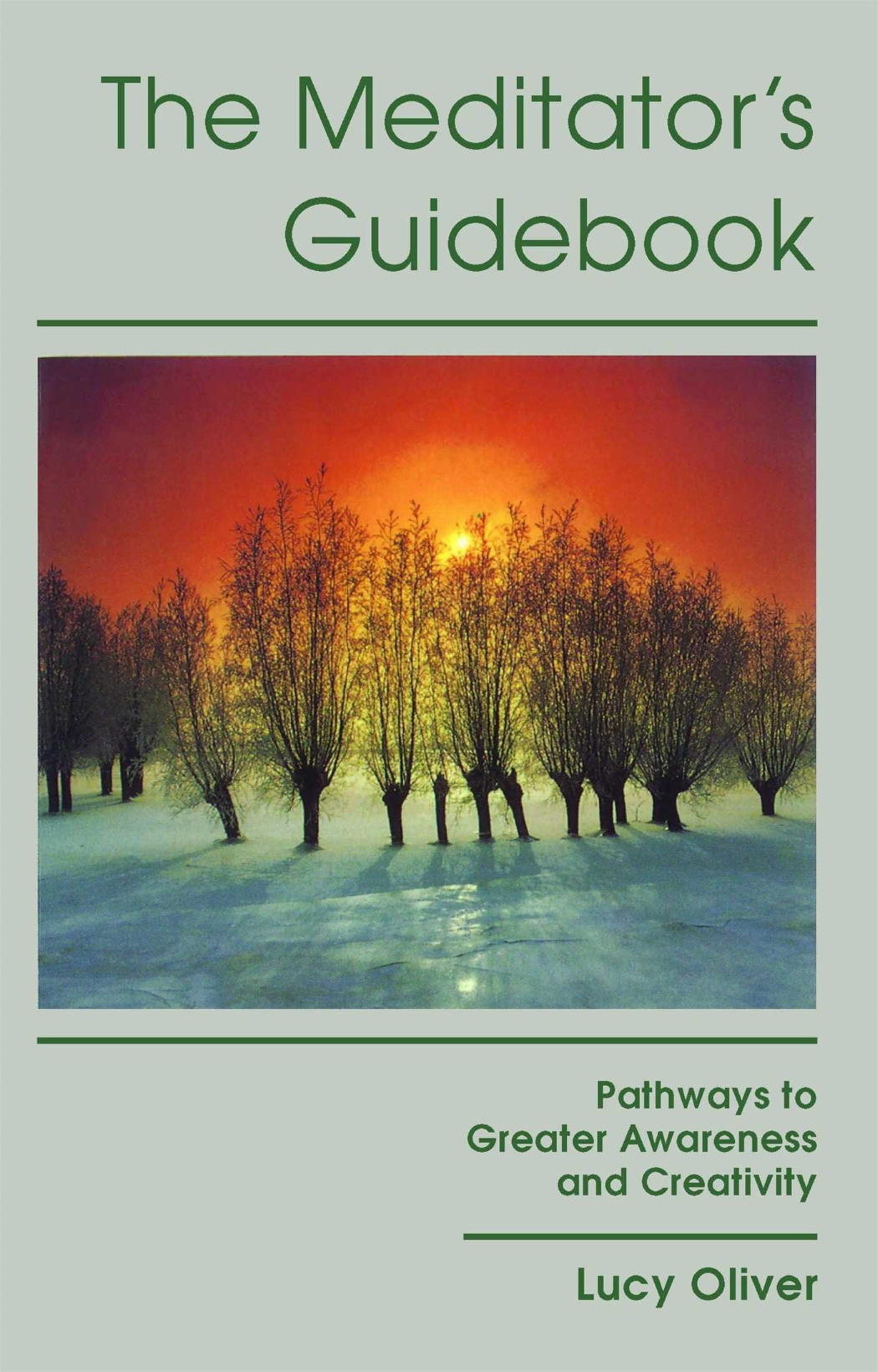
The Meditators Guidebook – Destiny Books, Inner Traditions 1991

Lucy Oliver’s website: Meaning by Design

General interest

The Gobi Desert – Cable, Mildred & French, Francesca, 1942

The Bazaar – Markets and Merchants of the Islamic World – Weiss & Westermann, Thames & Hudson, reprinted 2000

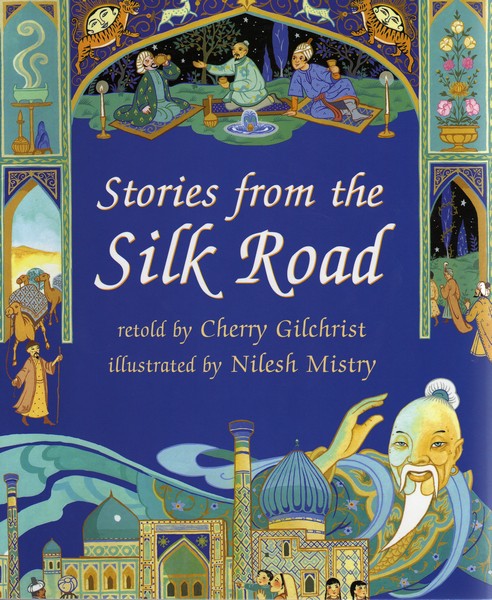
Stories from the Silk Road – Cherry Gilchrist, Barefoot Books (various editions)

Forgotten Images from the Silk Road

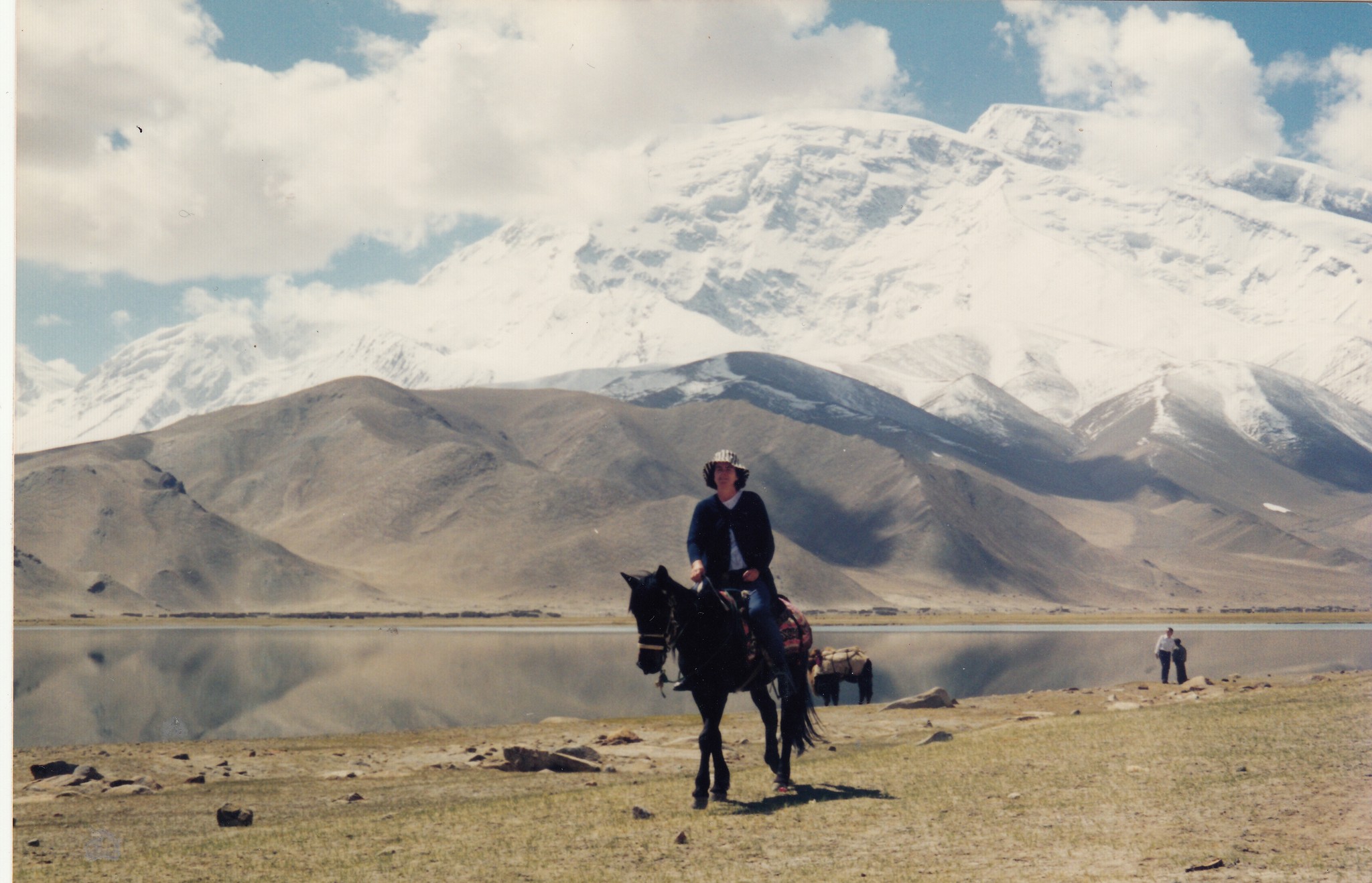
Sitting on top of the world…en route from Pakistan to Uzbekistan

Just recently, I discovered a cache of photos taken from a second Silk Road trip that I made. The first trip, in 1995, lasted around a month as with a group I travelled from Bejing to Rawalpindi, across the West of China to Kashgar and Tashkurgan, then down the Karakorum Highway – a narrow road hewn out of the rock at great cost to the workers who built it, and replacing the old caravan trail barely big enough for pack horses. Around a year later, my(former) husband decided that he’d missed out, and would also like to see something of this ancient trade route, a branching network of roads traverses the terrain from East to West. The Silk Road network extends north and south into countries such as India and Pakistan, Russia and Syria. In the heyday of the Silk Road, from the early centuries AD until the 15th century (when new sea trading routes largely superceded it) it was the means by which exotic, innovative goods were traded from one part of the world to the other – silk of course, but also gunpowder, paper, rhubarb and exquisite carpets and ceramics. It was also the route for transmission of stories, art, and religious beliefs. You can read more about this in my previous blogs – Bazaars of the Silk Road and Suzani from the Silk Road.

My second trip – my husband’s first – was much shorter, and this time we began in Islamabad (next door to Rawalpindi in Pakistan), and flew up to Gilgit. From there we would travel up through Pakistan and onwards north to Kashgar in China, over the mountain pass into Kirghistan and to our final destination of Uzbekistan. The plane from Islamabad to Gilgit actually flies between the mountains, rather than over them, so if there’s a cloud in the sky, the flight doesn’t go. If it does go, you hope that a cloud or two doesn’t appear en route, and thicken into mist, since that could be a recipe for disaster. Our flight took off successfully – the alternative was something like a three day drive through unspectacular scenery. It also landed successfully, I’m pleased to say.

Arrival at Gilgit, at the time of a sombre religious festival. Some of the men standing on the rooftops were army snipers, on the lookout for any trouble

I had visited Gilgit before, and enjoyed its (then) fairly relaxed attitude, which welcomed foreigners. This time, however, there was a different atmosphere since it was just after the festival of Ashura when according to the BBC website:

For Shia Muslims, Ashura is a solemn day of mourning the martyrdom of Hussein in 680 AD at Karbala in modern-day Iraq. It is marked with mourning rituals and passion plays re-enacting the martyrdom. Shia men and women dressed in black also parade through the streets slapping their chests and chanting. Some Shia men seek to emulate the suffering of Hussein by flagellating themselves with chains or cutting their foreheads until blood streams from their bodies.

There had been lashing, and many men strode past, wild-eyed, with open wounds on their backs. A tense atmosphere prevailed and army snipers stood on the rooftops, alert to any outbreak of trouble. This was not a place for tourists, and we kept our heads bowed and scurried on, pleased when we could set out on the next stage of our journey, up the Karakorum Highway and up into Kashgar, a place dear to my heart, with its huge Sunday market. From there we’d travel over the Torugart Pass into Kirghistan – new territory for me.

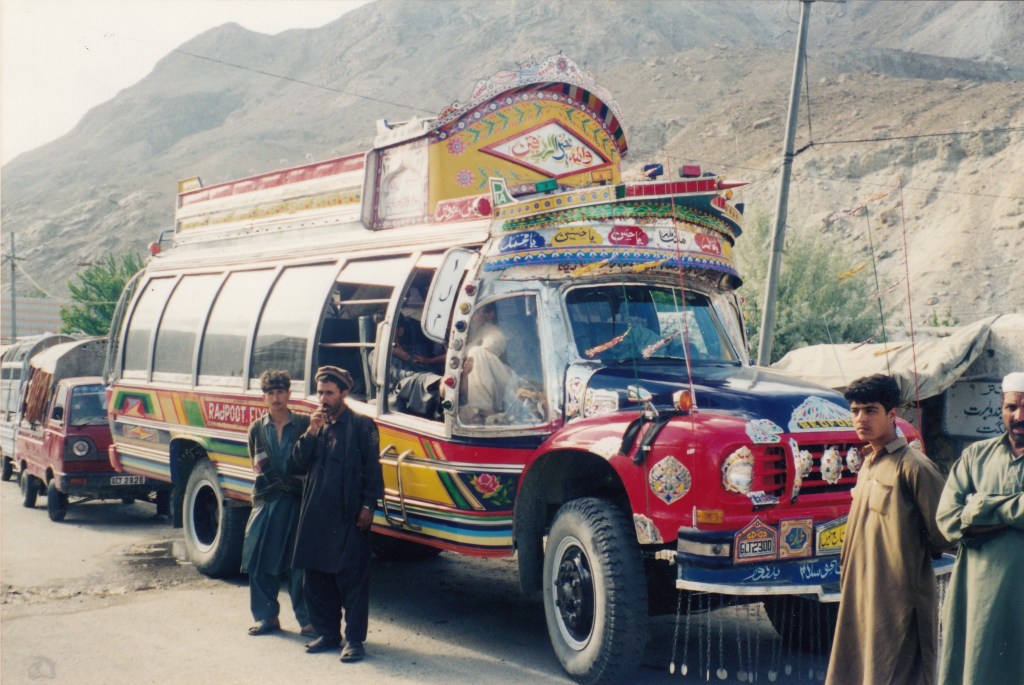
These gloriously painted trucks and buses are the norm for transport in the area. Our minibus was a lot less colourful, however!

The Hunza valley, up the Karakorum Highway is truly beautiful, and a stopping off point for mountaineers. The fiendish Karakorum mountains lure those who seek the ultimate challenge – ultimate in the case of Alison Hargreaves, an accomplished mountaineer who sadly died there in 1995 as a young mother in her 30s. These mountains have jagged, threatening peaks which loom darkly above you, and its hard to imagine anyone scaling them. But in Hunza below, apricot trees are laden with fruit, wild cosmos flowers bloom in the grass, and the terraces on the lower slopes are bright green with crops and grass fodder, grown with care and great industry by the local inhabitants.

Here too are the ancient forts of Altit and Baltit, presiding over the lost Silk Road kingdom of Hunza – other such kingdoms which you may never have heard of include Kashgaria and Sogdiana. Whole dynasties have risen and fallen in these regions and modern maps are sadly inadequate for understanding the layout of old Silk Road territories.

Relaxing in the ancient fort of Altit – or was it Baltit? Part of the Hunza valley is spread out below, although you cannot see here the full extent of the imposing Karakorum mountains

As it was my second Silk Road trip, and a shorter one, I documented it in less detail than the first, when I was eager to write a complete travel journal. Thus the pictures I have of mountains and nomadic people are somewhat loosely defined geographically now in memory, and I’ll share them without attempting to be too precise about their location. And what I’ll miss out here is our visit to the fabled city of Kashgar, now sadly with its Uighur and Silk Road culture diluted in recent years by Chinese domination and suppression. I took many pictures on my previous trip there, and perhaps because of that, I focused entirely on enjoying the vast Sunday market the second time round. But you can see more of Kashgar in my previous blog Bazaars of the Silk Road

But first the border crossing, from the far West of China through the Torugart Pass into Kirghistan. This was a prolonged affair, leaving one country and travelling several miles before entering the next. On the Kirghiz side, it was still the border post of the old Soviet Union, and guarded with maximum formalities. Although, as I speak Russian, I was able to chat to the officers who were delighted that someone, at last, spoke their native tongue!

Making new friends at the Chinese border! Always as well to have the guards on your side.

The peoples of this area mingle too – Tajiks, Kirghiz, and Uzbekis, for instance.There are still nomadic tribes or families, using traditional yurts, and perhaps migrating to town houses in the winter months.

Ever curious children (these ones probably from Hunza) above, and below a nomadic family, probably Tajiks who often have rosy cheeks and flashing black eyes.

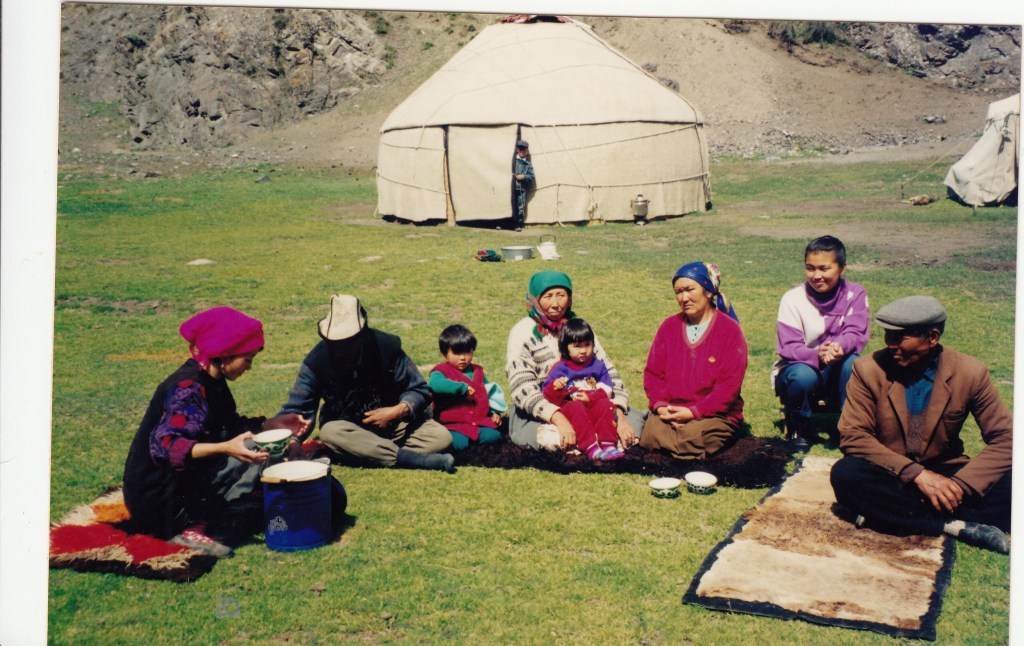
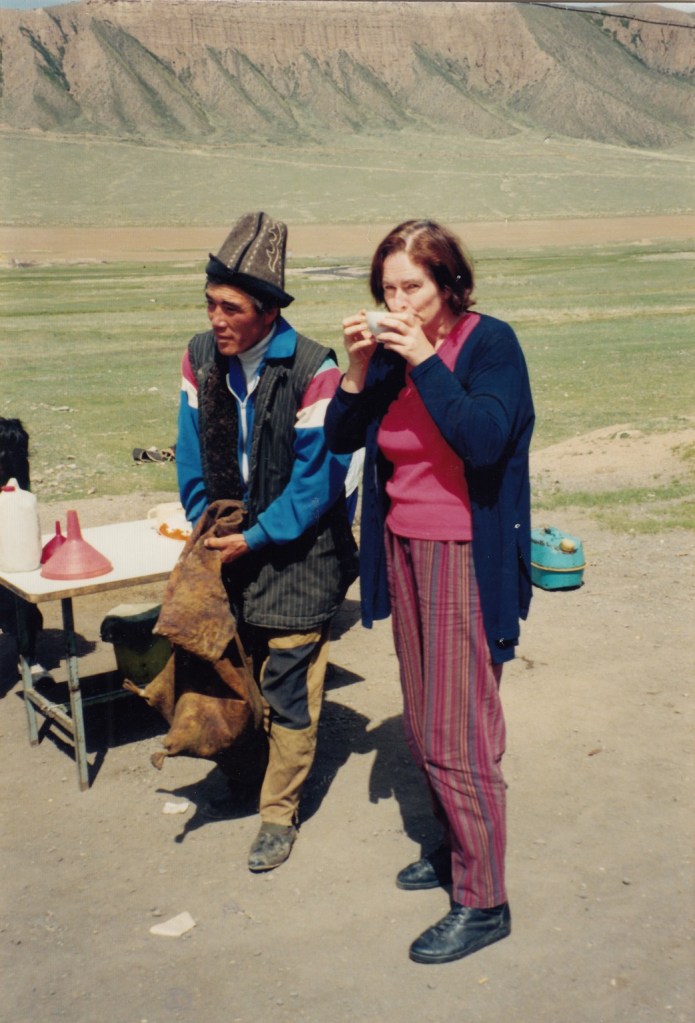
The family below were yurt dwellers, at least for the summer months when they can graze their animals on mountain grass. The white felt hat which the man on the left is wearing is the traditional Kirghiz headgear. In the second picture, you’ll see that I took the chance to try ‘kumis’ which is usually made from mare’s milk, and tastes like kefir. It was delicious! Some swear by it as a cure for chestiness and other respiratory ailments.

Tasting kumis – fermented mare’s milk! Note that it comes out of an old goatskin (?) bag.

The yurts are easy to transport and put up again; they’re constructed on a pattern representing the cosmos, with the central crossing symbolising the four directions. You must always walk round sunwise inside a yurt, starting from the left hand side, even if what you’re coming in for is close to the right hand side of the entrance. Inside, they are cosy, and infants sleep snugly wrapped in their cradles, which can also be transported intact.

The cross poles of the yurt in the centre of the yurt, the heart of the universe
A Kirghiz baby in his or her bed, strapped and wrapped for safety

It was also an opportunity to try my skills on a horse again. The Kirghiz particularly love their horses, and on my previous Silk Road trip I’d also managed to blag my way onto a steed! They specialise in decorated felt and embroidered saddle cloths.

In the higher regions of Central Asia and Western China, yaks are useful for their meat, milk and as beasts of burden. They are also known as the ‘Tartary ox’.

Yaks, domesticated and hardy in the kind of extreme terrain seen below

Kirghistan has its own national hero – Manas. He is perhaps what Genghis Khan is to the Mongolian civilisation, a warrior king who fought battles for his people. The Epic of Manas in its present form dates from the 18th century, but was passed down orally before that, and is believed by the Kirghiz to be much older – they celebrated its 1000th anniversary in 1995! Its provenance is complex, but it seems to be based on historical facts much mythologised to celebrate the prowess of the superhuman hero.

A vast statue of the Kirghiz warrior king, Manas, which stands in Bishkek

If you’d like to watch this short video, you can see marvellous shots of the Kirghiz way of life, along with listening to plangent Kirghiz music, hearing a clip from the epic of Manas, and watching those curious white felt hats.

Kirghiz Music and Culture

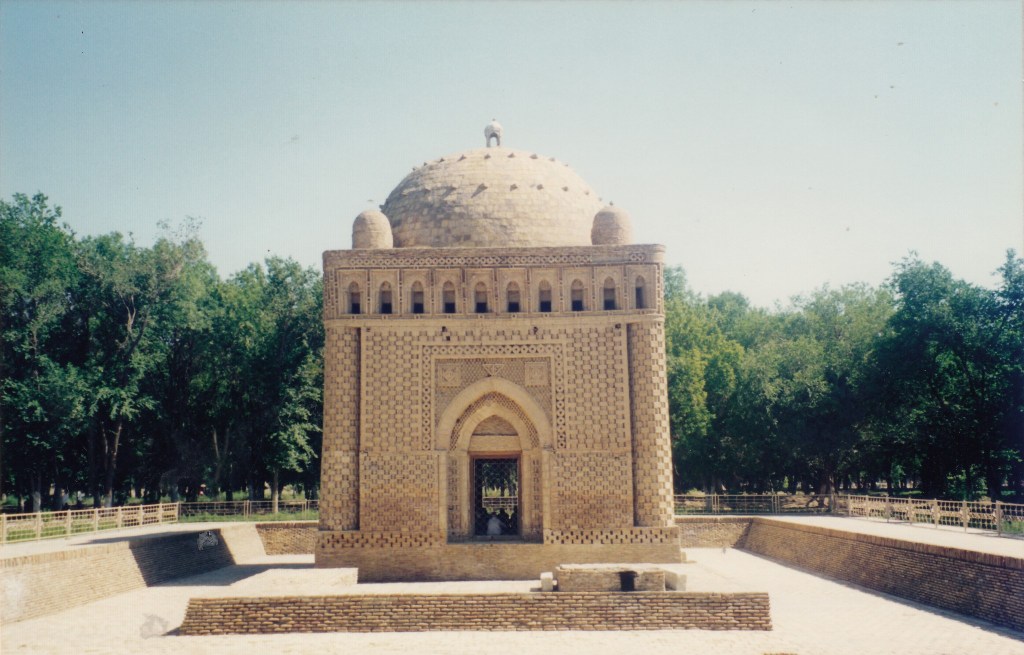
Descending eventually down into Uzbekistan, a hotter and flatter country, we visited the astonishing cities of Samarkand and Bukhara. Later, on a subsequent trip, I also reached Khiva, which is a renovated Silk Road city of magnificently tiled buildings. Buhkara has been a melting pot of different dynasties and peoples, and the Samanid mausoleum built in the 10th century includes influences from Byzantium, Persia along with Sogdian and Sassanian styles, plus, we were told, hints of the ancient Zoroastrian religion.

Here in Uzbekistan, the produce is lusher, the clothes made of lighter fabric. The famous ‘rainbow silk’ is still worn by the women. There’s a legend about how it came into being – it can be found in a blog from my original website: Images from the Silk Road – Rainbow Silk

The second girl from the left in the back row is wearing rainbow silk, a nationally-celebrated fabric

And so we rounded off the Silk Road trip in Samarkand and Bukhara, where I’ll round off this post with images, rather than a discourse. First of all, here is the Uzbeki style of building grand houses and palaces. Even smaller-scale, more domestic houses often have these charming decorated alcoves.

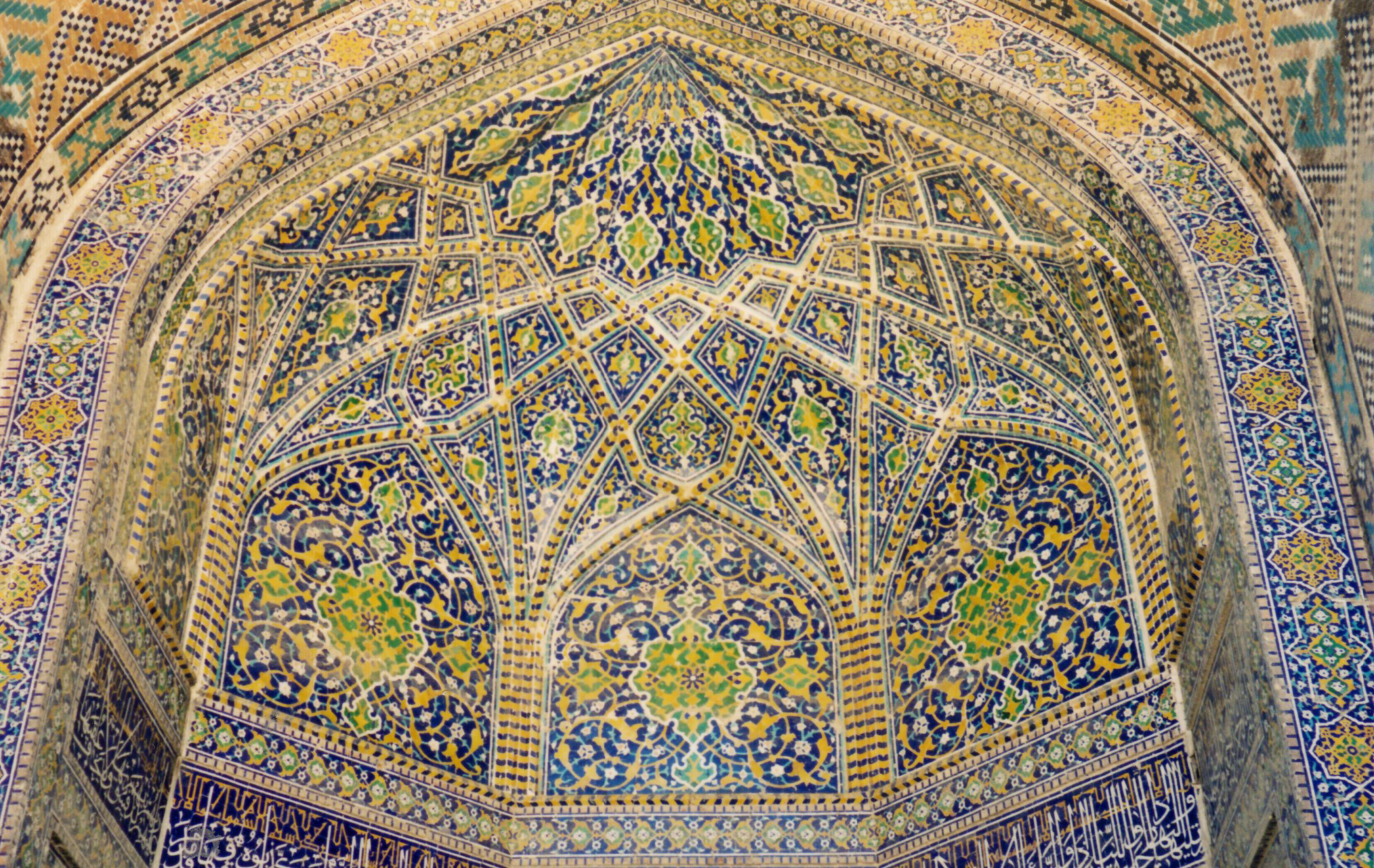
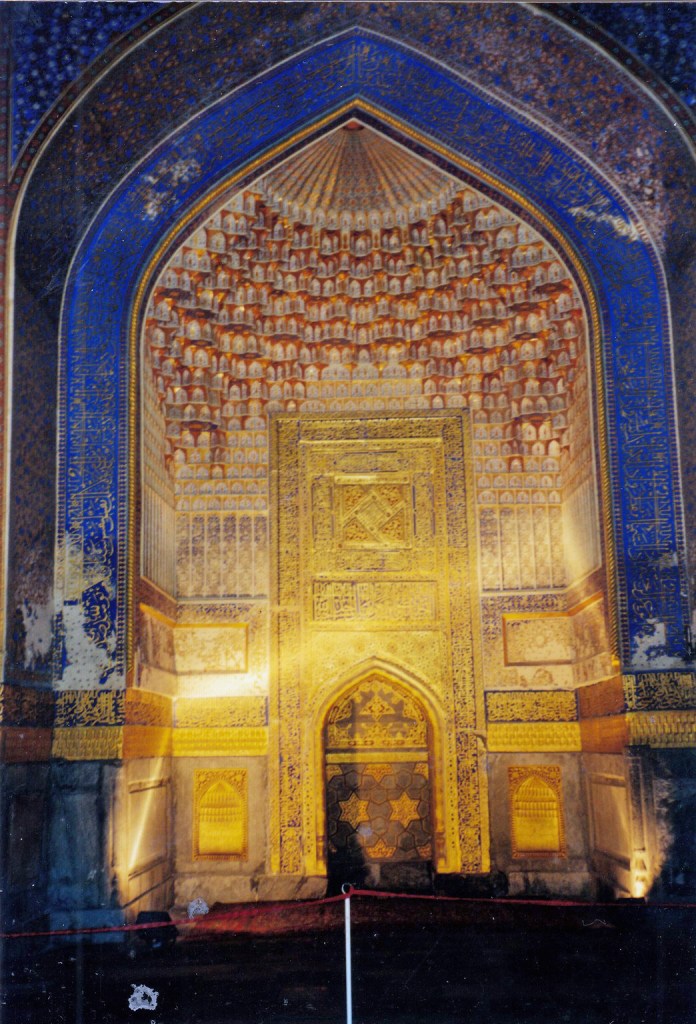
And then, the wonderful tiled mosques, perhaps even more magnificent than those I had already seen in Istanbul. Some have been restored to their full glory after becoming dilapidated in earlier years.

After the second silk road trip, I did follow up with separate visits to Syria, a more complete tour of Uzbekistan, and futher visits to Turkey, where I’d been travelling since I was a student. With images and source books, I looked further into the history of the Silk Road, its legends and its cultures, and from this came my children’s book Stories from the Silk Road, and illustrated lectures which I gave for NADFAS (now the Arts Society), and at various other venues including cruise ships. Some of the ports in the Black Sea, for instance, are old Silk Road ports, so it was more relevant to the passengers than you might think. And, of course, I can enjoy writing blogs such as this one, to share the images with you.

Thanks for joining me on my travels!

Blogs of further interest

Bazaars of the Silk Road

Suzani from the Silk Road

The Bazaars of the Silk Road

Ladies of Tashkent with their produce

Prelude

During the 1990s and early 2000s, I made a number of trips to the Silk Road, travelling both along the ancient trade routes and to individual countries such as Syria, Uzbekistan, Pakistan and Turkey. I felt instinctively that this period offered a golden opportunity to visit Central Asian and Silk Road countries, while borders were largely open, and political upheaval was minimal. I also had the time to do this, and travel was relatively inexpensive, so I decided to seize the chance while I could. And so it proved – sadly because of radicalism, civil war and political upheavals it would be very hard to do all of the same trips today.

However, it has ever been thus on the Silk Road. Only during the reign of Tamerlane (Timur) in the late 14th century was it possible to travel through his vast empire without impediment from beginning to end – and that was because he was a tyrant who imposed complete control on the routes! So I relished my journeys along at least part of the Silk Road, and studied its history and culture further to fill in the background. The talks and lectures I was able then to give were popular; everyone, it seems, wants to be an armchair Silk Road traveller, if they can’t get there in person! And who doesn’t love the colourful pictures of its remote mountains and lively markets?

In today’s post, I’m exploring the magic of Silk Road bazaars, and in a couple of months’ time I’ll publish a post on Travellers and Traders along the Silk Road. And more may follow – so watch this space!

Selling skeins of silk in the bazaar at Damascus, Syria

Times of Change

There have certainly been changes in the last fifteen years, since I visited the Silk Road and its countries, like the Chinese policy of aggression in the Uighur province, which has affected the historic town of Kashgar, with its enormous Sunday market and charming houses with painted balconies. I am not sure that I could bear to go back there now – I’d rather remember it as it was. But nevertheless, most of what I write and the pictures I show still tell a tale of Silk Road countries in general, even if some specific locations have altered.

The painted houses of Kashgar

The Life of the Silk Road

The enchantment of the bazaar

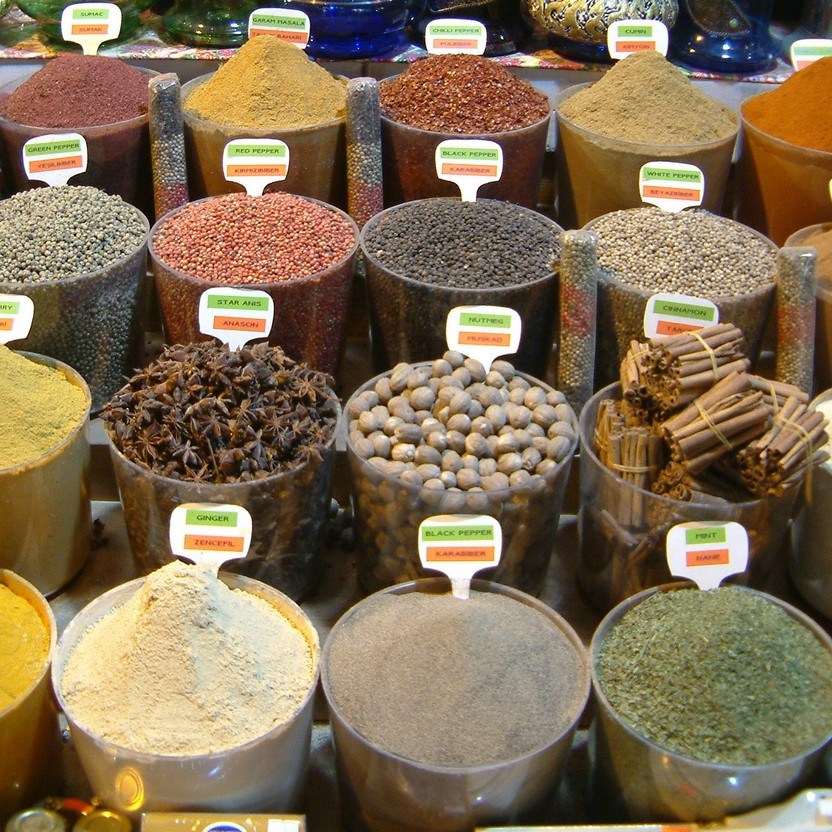
Bazaars cast their magical spell over me, every time. In Silk Road countries, I have shopped in bazaars in Istanbul, Damascus, Kashgar, Samarkand, Tashkent, Marrakesh, Fez, Cairo, and Rawalpindi, to name but some of that I have visited. They are more than markets, glorying in flamboyant display, and creating a sense of opulence. Even humble sacks of spices are arranged in a palette of pleasing colours, metal teapots are set in towers to create a dazzling array of silver, and piles of slippers with striped silk and pompoms suggest the floors of a Sultan’s palace. I love nearly all markets but the Silk Road bazaars with their exuberant offerings, turning all their goods into exotic treasures, are irresistible.

Turkish slippers for dainty feet piled up in the bazaar

The Story of the Silk Road

The Silk Road flourished between the 1st century AD, and the 15th century, after which time better trade routes and shipping routes opened up between East and West. However, despite its romantic sound, the term ‘Silk Road’ itself was only coined in the 19th century. The Silk Road was also not just one road, but a network of branching routes connecting countries from China and India in the Far East through Central Asia and into the Middle East, with final routes into Italy, Greece, and even Britain. Silk itself had been discovered in China by at least as early as 3,600BC – the legend has it that a Chinese Empress accidentally dropped a silkworm cocoon into her cup of tea, and as it unravelled in the hot liquid, she teased out the thread and was struck by its possibilities! Sericulture, the making of silk, became de rigeur for all Chinese ladies in the centuries that followed, and much time and effort was lavished on their silk road ‘houses’ to rear the worms which spin those cocoons. Soft, strong, lightweight silk became a precious commodity, its secret guarded for centuries by the Chinese until it was spotted by the Romans and export finally began. (One bargaining chip was that the Chinese were especially eager to acquire decent horses such as bred by their neighbours over the border in what is now the Kirghystan area.) But the trade routes were used for many, many other goods sent from East to West, and West to East, including ceramics, rhubarb, gunpowder and paper.

The Eastern end of the Silk Road, which extends into the Middle East and even into Europe

The old trade routes of Silk Road with their caravans of camels, yaks and horses still persisted to some extent in terms of travel, right though into the early 20th century. In their final years these were documented by a duo of Christian missionaries, Cable and French, who described them in their atmospheric book, The Gobi Desert (details below). But even today, the legacy of Silk Road bazaars is still thriving, as celebrated here.

A traditional seller of sherbert drinks in the bazaar in Damascus

The language barrier

‘I’m talking about camels -CAMELS!’
Many nationalities of travellers and merchants have travelled up and down the Silk Road for at least two thousand years. How did they manage to communicate with each other, given that they spoke dozens of different languages? They developed a simple, but cunning way of getting round this. For much of the Silk Road, either Chinese or Turkic languages were the main ones spoken, and these all have some similarities even though they are significantly different from each other. Only very rarely did traders travel from end to end of the Silk Road, so the chances were that the other travellers and traders that they were meeting came from just a few countries away. Thus to exchange information, the merchants would first of all state what the subject of the conversation was going to be: ‘My words are going to be about woven silk – camels – porcelain bowls – bandits up ahead…’ or whatever the vital topic was. You can imagine that this might have been protracted on occasion – ‘C-A-M-ELS – got it??’ and perhaps with some pantomime or gestures: ‘BANDITS – I’m dead!’ (enacting stabbing chest with knife) That way, each could pick up enough to give a sense of the potential deal or danger, and further conversation could now be exchanged within the framework of the subject.

In the huge Sunday market at Kashgar, once in the kingdom of Kashgaria and now in Western China, Uighur traders bargain fiercely over their donkeys and other livestock. I captured these images in the mid-1990s; sadly the Uighur culture is now being repressed, along with the beards and traditional forms of dress.

Exotic Goods

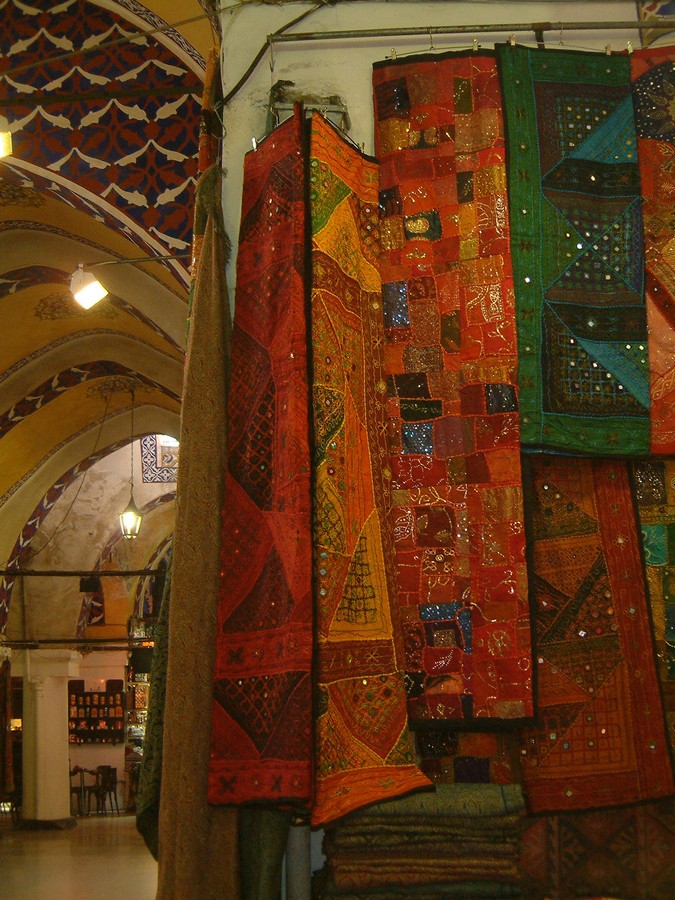
Goods came from far away lands, so buyers at Silk Road bazaars could expect to see some items that were new and strange to them. Even today, some exotic-looking items in a bazaar can be mystifying – the pictures above are actually of sugar, as sold in the bazaar at Samarkand! And I’ve noticed that in the Grand Bazaar, Istanbul, it seems that every time a new exotic design comes onto the market, it’s presented in dazzling displays, alerting buyers to something new and glamorous. One year, for instance, it was coloured glass lanterns, and the year before that, embroidered wall hangings. You can see examples of these below.

Hats, Caps and Headgear

Another way to do a quick check on the home country or region of another merchant or dealer was – and still is to an extent – by checking their headgear. Even today, in Uzbekistan and in Kashgar market, a whole variety of caps and hats are on offer. (You can see some of them in the photo above of the men arguing over their donkeys.) Pointed felt caps for the Kirghiz can easily be distinguished, for instance, from the round flat hats for the Uzbeks.

A Kirghiz felt hat, which I brought home from my travels

Another frequent sight in the bazar is the Kirghiz, wearing a pointed cap of bright chintz bordered with lambskin, and a heavy fur coat even when the day is hot. His boots have high heels…he sometimes carries a hooded falcon on his wrist…’ (The Gobi Desert by Mildred Cable and Francesca French, a fascinating account of life in Central Asia by missionaries who saw the last days of the old Silk Road trading routes in the early 20th century.) Indeed, I did manage to buy some Kirghiz riding boots of black leather. I showed them to a shoe mender back in the UK – he marvelled at them, as no nails at all were used, only tiny wooden pegs, in a style that he hadn’t seen since boots made before WWII.

Selling Uzbeki caps in Samarkand

Immersion in the life of the bazaar

My first experience of bazaars was as a student of 20 years old, when I elected to spend the summer vacation in Istanbul. I enrolled in a scheme to match up British students with Turkish families, a homestay in return for helping them to speak English. The journey was epic – 3 days packed into a hot train with a group of fellow students, no bunks, working toilets or refreshments. We ground to a halt somewhere in a barren plain in Yugoslavia. (This was not the Orient Express, but the unglamorous version via Munich and northern Greece.) The train arrived 24 hours late, and I was met by my Turkish family, waving frantically to me from the platform, having recognised me from the photo I’d sent. I hadn’t received the one they’d sent me, so was wondering who the ‘housewife’ was that I had been asked to tutor. It turned out that the agency had got it wrong, and fixed me up with a 33 year old bachelor who fancied marrying an English girl! I was too shy to admit to the mix-up, but luckily he lived with his aged mother and father, and spent most days working in the family pharmacy with his father. So by day I was free to roam the city streets, crossing over on the ferry to Old Istanbul and its fabulous bazaar. As a long-haired, mini-skirted wearing student, I was lucky not to get into trouble! In the bazaar, I learnt how to bargain, and was entranced by the huge building, with its arches and painted ceilings, and labyrinthine layout. I’ve been back many times since; the spell was cast in those early years, and has never been broken.

The Bazaar of Istanbul

The Grand Bazaar of Istanbul is known as Kapali Carsi, and is probably the most famous bazaar in the world. It’s also often regarded as the most perfectly constructed and best organised one too. Like other major bazaars, it began as a complex of strong rooms where valuables could be stored and protected, offered as a commercial service, and shut up tightly at night. This turned into the first Bedesten, or covered market, in Constantinople, created around 1461 during the Ottoman period. Its jewellery section today still remains at the centre, a traditional placing in the best-protected area of the bazaar. (Though today more modern, securely-guarded gold jewellery stores can be found at the perimeter of the bazaar.) Like other bazaars built from late medieval period onwards, it was given a domed roof, in this case with fifteen large and eight small domes. Over the course of time, it expanded; the Sandal Bedesten was built around the first Bedestan, and other side streets grew up too, ringed round with 30 caravanserais, as lodging houses for merchants. Today’s bazaar still covers 100 acres, with some 18 gates and 4000 shops. It was badly damaged in an earthquake of 1894, and by the1950s was in serious decay and decline . It was a close call as to whether it would survive, but now it is restored, and buzzing with life once again.

Gorgeous lamps create an air of oriental splendour in the Grand Bazaar in Istanbul

Not all bazaars are as grand or splendid, of course. Sometimes a small town bazaar might offer, say, predominantly water melons, hunting knives and bread for sale, depending on their local specialities. And not all are picturesque. Visiting Morocco in the 1970s, I shrank from scenes of horror in the butchers’ quarter, where stalls were hung with blood-dripping meat, darkly encrusted with flies. I also spied fascinating but sinister ‘witchcraft’ stalls selling ingredients for potions and magical spells, who knows whether to cure or curse. But I remember too the enchantment of arriving by bus at a little Moroccan town one evening, and stepping out straight into a street market lit by lanterns in the dusk – no electricity in those parts. An enticing scent of grilling kebabs floated on the air, stallholders called their wares, citizens bustled about, looking for the final purchases of the day. I felt I had entered a magic realm.

On the question of security for traders, I was reminded of the effect of Timur/Tamerlane on the safety of goods and travllers when I visited Damascus in the early 2000s. Bashar al-Assad was already President, some would say dictator, with a tight control over the city. In the bazaar, I bought a gold chain from an Armenian jeweller. He told us that he had no fear of anyone robbing his shop; he could even leave it unlocked and walk away, and nothing would disappear. This is one of the ironical effects of a tyrannical regime.

Ceramics traditions and servicing

Below: Ceramics have been part of Silk Road trading for about a thousand years, with Chinese porcelain a valuable commodity sent with great care to the West. Something of that tradition is carried on today with the exuberant pattternings of Turkish ceramics, proudly displayed for visitors and locals. I have lost several impulse purchases in breakages over the years – they don’t travel well in luggage! In Silk Road days, the porcelain could be mended at Tashkent en route if it had got damaged in transit.

Bargaining

Bargaining and bazaars go together. And there’s a fascinating range of customs relating to bargaining across different Silk Road countries. In the Yemen, they have a practice of using hand gestures under a cloth held over the hands of buyer and seller, so that no one else can see the deal that is being done. Fingers symbolise numbers, and ‘yes’ or ‘no’ responses are signalled with the eyes. Perhaps this too relates to the need to overcome language barriers, the old challenge of the Silk Road. In the Levant, it’s common for the stallholder to state too high a price, then walk off in disgust when the buyer refuses. His son then magically appears, takes over the process and offers the customer a special discount to make up for the disappointment – the seller re-appears and berates his son for being too soft, and so the performance goes on. Somewhere along the line, a bargain may be struck.

If you enter a bazaar, be prepared to bargain. It’s expected of you. Aim at a price of about half what is initially stated, though I often feel in fact that about two thirds is fair. Bargaining is part of the game, and merchants have practised it over hundreds of years. The pantomime of expressing shock at the seller’s opening price, the gambit of walking away when an agreement seems out of reach, are all part of the ritual of the bazaar. (‘Come back, lady! Ok, for you special price…) I’ll just add a quick rider that of course there are variations, when bargaining hard is not the right etiquette, for instance for food, or in countries which may have their own accepted limits of discount (generally about 10-20% reduction in countries of the former Soviet Union).

Above: Superb wooden boxes, inlaid with mother-of-pearl and made by craftsmen in Damascus. At the time when I bought a few, the prices were absurdly reasonable. I wonder what has happened to the makers and the trade now? The civil war erupted just a couple of years after my visit.

Tips for the bazaar

Learn the basic numbers in the language of the country. I only have a little Dutch and much less Turkish, but by learning numbers to understand prices and make offers, I was able to bargain in the flea markets of Holland and the Grand Bazaar in Istanbul.
Be polite and friendly. It goes a long way.
Don’t feel pressured into buying something if you’re offered a glass of tea or piece of Turkish delight. It’s part of the ritual, and the seller knows full well that not every interaction leads to a sale.

Be ready to walk away if you can’t strike an appropriate deal. If there’s more room for negotiation, the seller will call you back.
Only start the bargaining process if you really do intend to buy something (at the right price). It’s offensive to make a game out of it.
Beware of self-appointed ‘guides’, especially those who offer to take you to their uncle’s/cousin’s/brother’s shop…But you probably know that already!

All the contemporary photos of Silk Road scenes are copyright Cherry Gilchrist

Sources

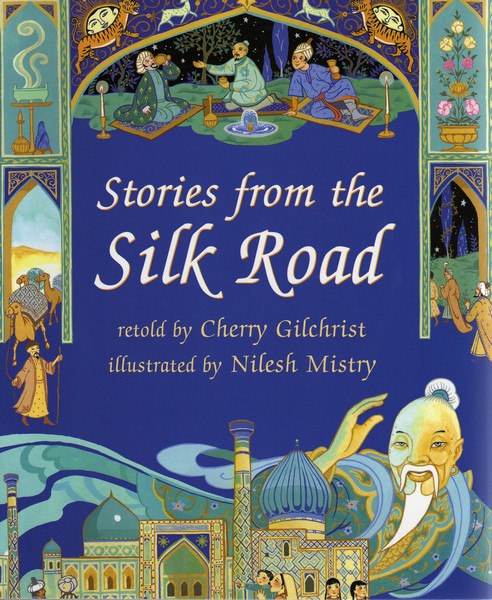
My own book Stories from the Silk Road is a re-telling of traditional stories from the Silk Road area for children. Most of these stories were gleaned while I was on my travels, either by hearing them or finding them in books with local collections of stories. They are narrated here by the Spirit of the Silk Road, who also describes the its wonders as we travel down it. It is illustrated with stunning pictures by Nilesh Mistry, who carefully studied photos and historical pictures that I assembled for him, to ensure authenticity. (You’ll find different editions of this book, some with another cover; it is currently out of print, but copies are usually available on Amazon.)

There are plenty of books about the history of the Silk Road, but those most relevant to this particular post are:

The Gobi Desert – Cable, Mildred & French, Francesca, (London: Hodder & Stoughton, 1942) – Recording at first-hand the last traces of the ancient ways of travelling and trading on the central stretches of the Silk Road, as experienced in the first half of the 20th century. You can read about the authors’ extraordinary lives here, women who eventually received the Livingstone Medal from the Royal Scottish Geographical Society.

The BazaarMarkets and Merchants of the Islamic World – Weiss & Westermann (Thames & Hudson, reprinted 2000)

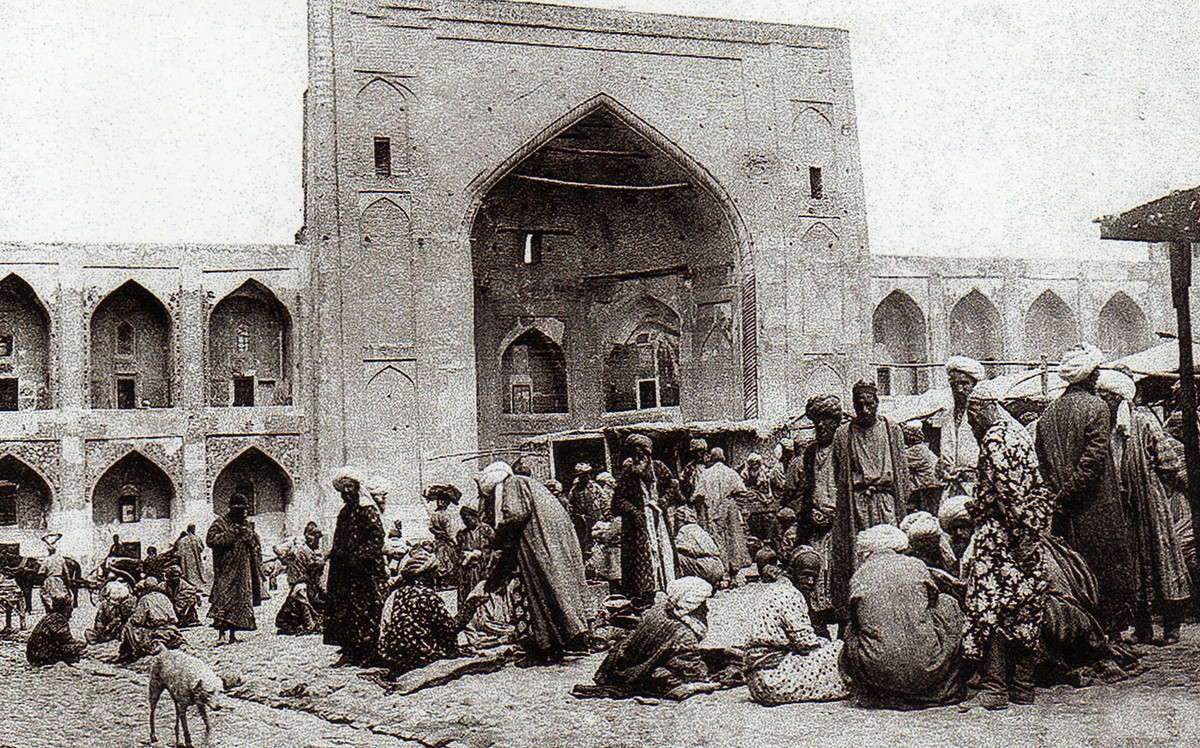
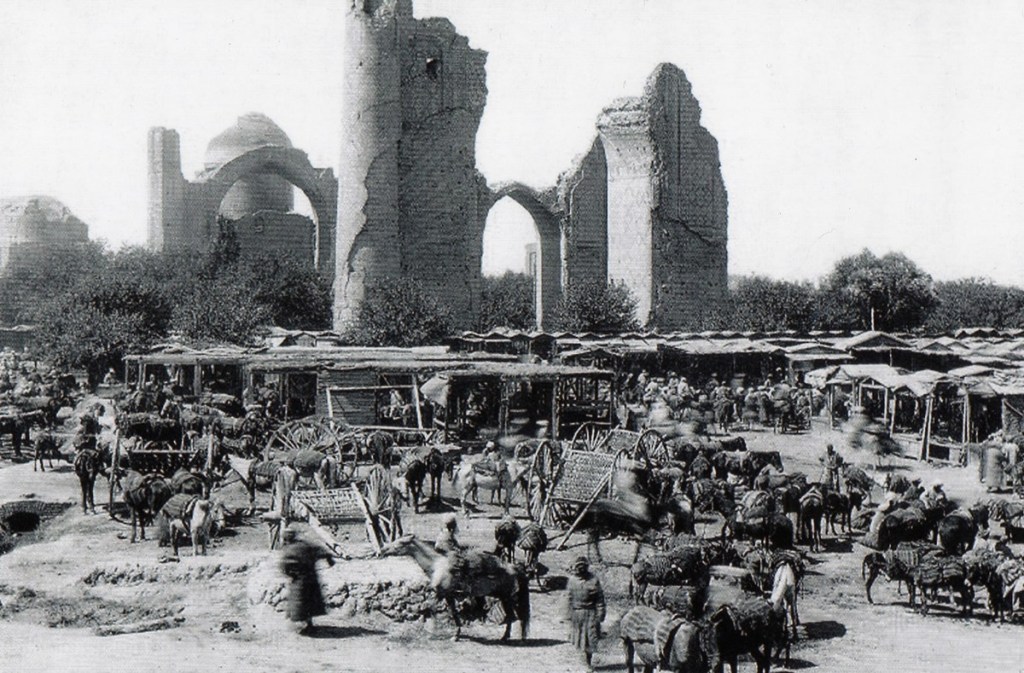
Below: Old markets in Samarkand, where the magnificent buildings have since been restored.

You may also be interested in

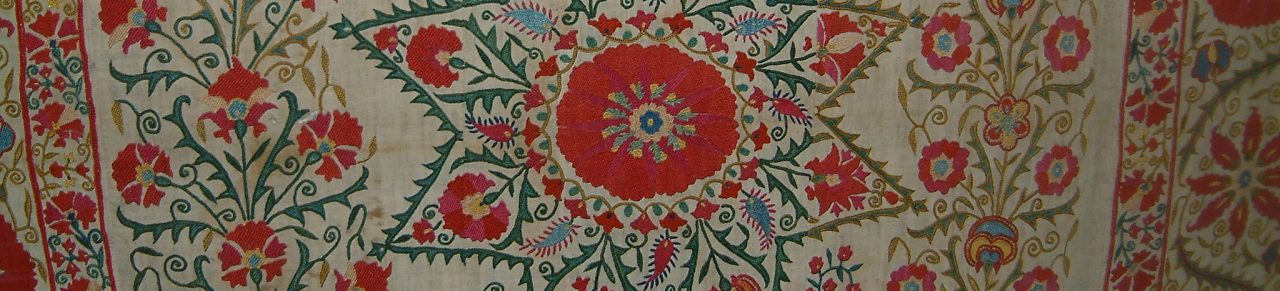
Suzanni from the Silk Road

Tigerlily down Brick Lane

Tigerlily at the Posh End