

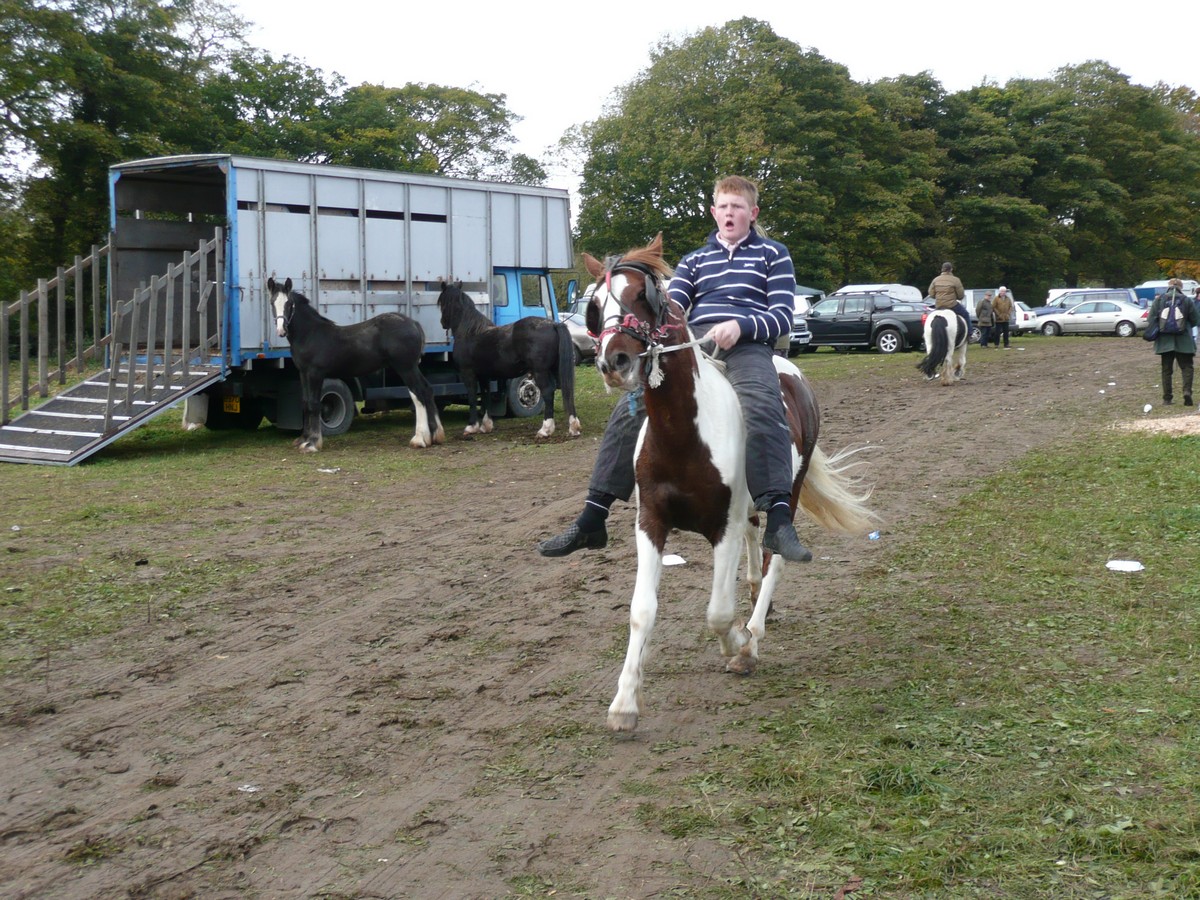
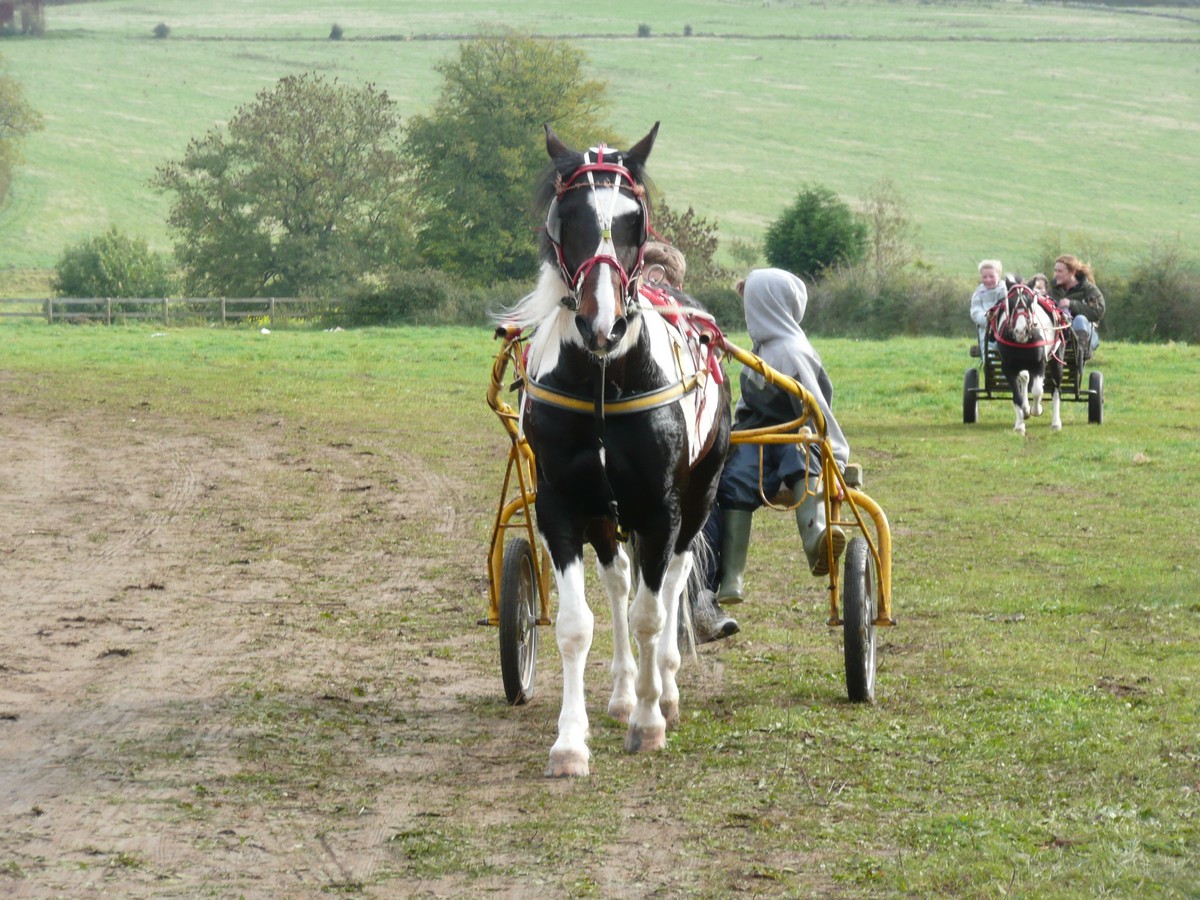
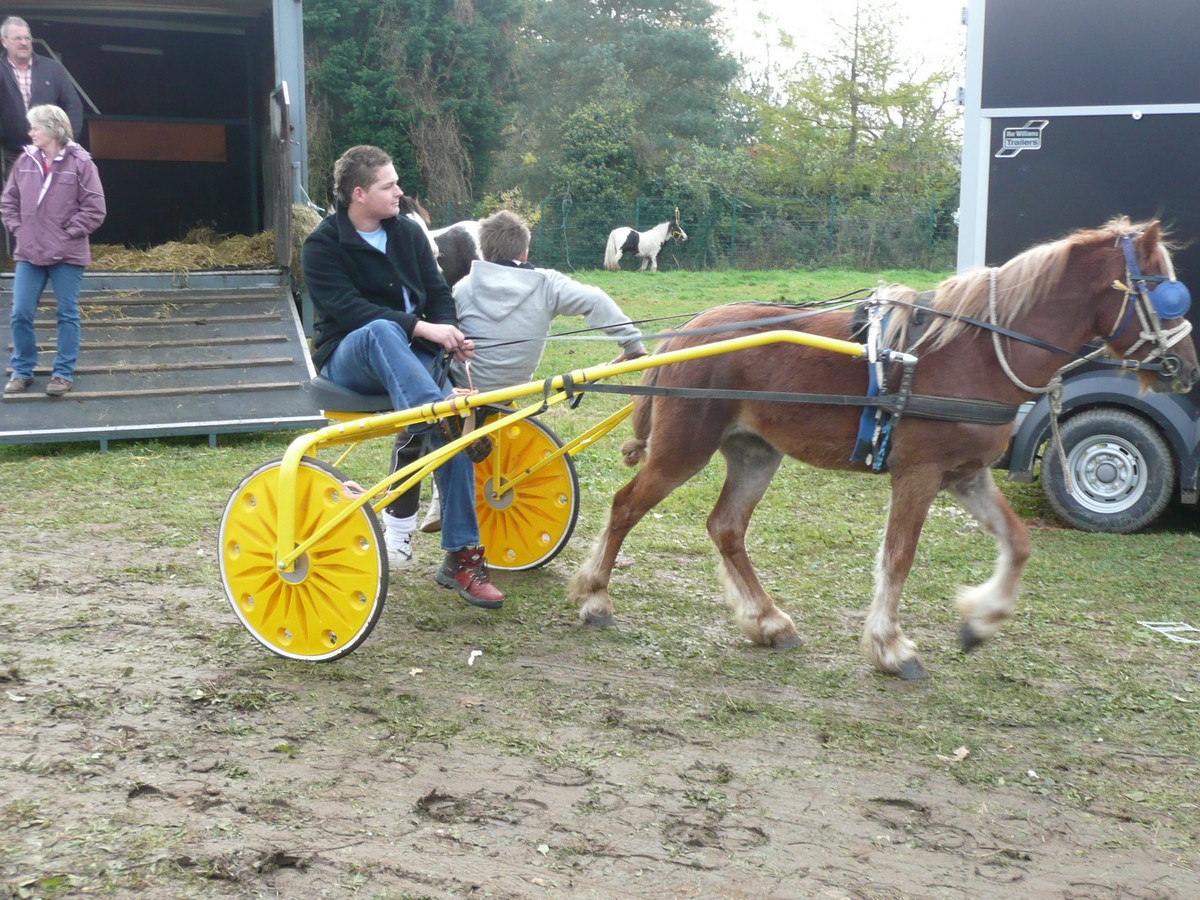
Here’s my visual impression of the Horse Fair at Stow-on-the-Wold, a famous gathering each year where Romanies and travellers traditionally meet to trade their horses. The post is a tribute based on my own visit to the fair, fuelled by a fascination with such gatherings, rather than any specialist knowledge. We visited quite some years ago, and it may have changed somewhat since – though looking at other blogs and videos, not too much, it seems!

I have always been fascinated by accounts of gypsies. As a young student, I listened at first hand to folk song experts Charles Parker (BBC Producer of the Radio Ballads) and his singer friend Ewan McColl talk about their experiences of collecting songs from Romanies and travellers. They laughed affectionately about ‘Queen Caroline Hughes’, for instance; Queen Caroline was paid by them per song, and so she craftily mixed together verses from different ballads, producing new ones on the spot! The Ballad of ‘The Travelling People’ had just been recorded, and is still a classic production today. The most iconic song from it – ‘Born in the Middle of the Afternoon‘, which you can listen to via the You Tube link below. And a good write-up of the making of the ballad itself can be found here.
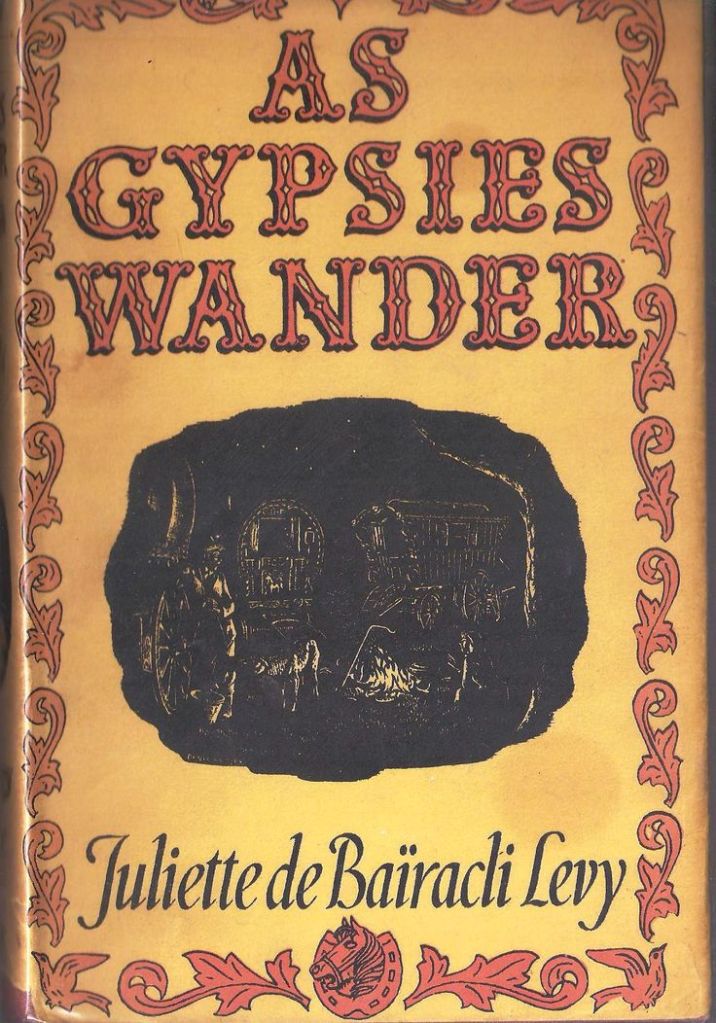
Trading on their names – I did indeed know Charles very well – I visited their friends the Stuarts of Perthshire, a family of settled travellers with warm hearts and hospitality for all comers. Later, I avidly read Juliette Baraicli-Levi’s first hand account of living alongside gypsies and studying their herbal lore. (I am saving Juliette Baraicli-Levy herself for a future ‘Wild Women’ blog, so will only mention her in passing here. Her herbal handbooks are still used as sources of wise information and advice.)
I’ve also sought out the chance to visit nomads in Turkey, Western China, Uzbekistan and Kirghistan, and retain cherished impressions of these. And I have treasured the experiences of watching women weave on portable looms, drinking ‘kumiss’ (fermented mare’s milk – very nice, actually) and climbing on a Kirghiz horse, ready in my imagination at least to gallop off into the rolling hills. Ah well!

So my qualifications for writing about nomads or gypsies are personal, and wouldn’t hold water in any serious studies of the culture. But I can share some of these impressions with you, with my photographs of Stow Horse Fair, taken on a visit over a decade ago, and also make a few comparisons to other cultures.

Why Stow-on-the-Wold?
Stow-on-the-Wold today is a small and charming town which has long served as a junction for several ancient routes traversing the Cotswolds, the hills in Gloucestershire and beyond. It was always well-placed, therefore, for trading. Some of the earliest goods carried along these roads were salt, fish, iron and charcoal, and its famous Fair goes back nearly a thousand years, with its official charter granted in 1107. The medieval wool trade boosted the Cotswold economy, and Stow became a centre too for not only local cloth and leather goods, but exotic imports such as silks and spices. (Another contender for the place which marks ‘the end of the Silk Road’, perhaps?)
After the wool trade declined, horses became the all-important commodity, and the October Stow Fair (held on or around the feast day of Edward the Confessor) established itself as one of the prime horse fairs in the country. Although the main horse sale has now been transferred elsewhere, this doesn’t seem to have stopped the private wheeling and dealing which was certainly apparent when we visited the fair. (You can read more about Stow and its fairs here .)
Below: horses put through their paces, tried out for riding and for pulling the different types of gypsy carts
A Gypsy Gathering
Today it’s also one of the major gypsy fairs and get-togethers nationwide, along with the better-known Appleby Fair in Yorkshire, and the Midsummer Fair in Cambridge. However, the Cambridge fair wasn’t a horse fair as such, as far as I’m aware, unlike Stow and Appleby, and has declined somewhat in recent years. To digress slightly, when I lived in Cambridge in the 1970s, at fair time the eponymous Midsummer Common was always crowded with a mix of showmen, travellers and locals. Stalls competed with dazzling displays of sparkling crystal, Crown Derby china, and elaborate ornaments of horses and the like, which were all beloved by the gypsies. It was a funfair too, where I was delighted to find some very ancient slot machines including what was most probably an Edwardian ‘What the Butler Saw’ peepshow. Showmen families were prominent, as well as gypsies, and there was always a special and well-attended outdoor Sunday service for all the travellers there.
Once, we saw Romanies of a kind that I have never encountered before or since – dark, lithe folk, talking in their own language, and squatting in in a circle to share their news. Were these perhaps ‘true’ Romanies, maybe from Eastern Europe, or Spain? British gypsies and travellers are only branches of a much larger clan – Juliette de Baraicli Levy writes about her time with traditional Spanish gypsies, along with those she met in the New Forest in England, and even in New York – which, surprisingly, hosted large colonies of gypsies earlier in the 20th century.
And in southern France too, the town of Les Saintes-Maries-de-la-Mer hosts gypsy gatherings to celebrate the Black Madonna who lives in the crypt of the church. It’s a town well worth visiting, as Robert and I have done, but we haven’t yet seen it at festival time – we’ve been tempted to travel there then, but I’m not sure we’d stand the pace now! Revelry continues 24 hours a day…

The Deal
There is indeed something universal about the trading that goes on among nomads, travellers and gypsies. I’ve observed striking similarities between the deals being done among the Uighur people of Western China, who I visited in the 1990s, and the horse-dealing in Stow. Look how intent the men’s faces are in both cases – keenly observant, guarded, speculative, concentrating fiercely on the potential deal to be done. And giving nothing away until they’re ready to seal the deal.
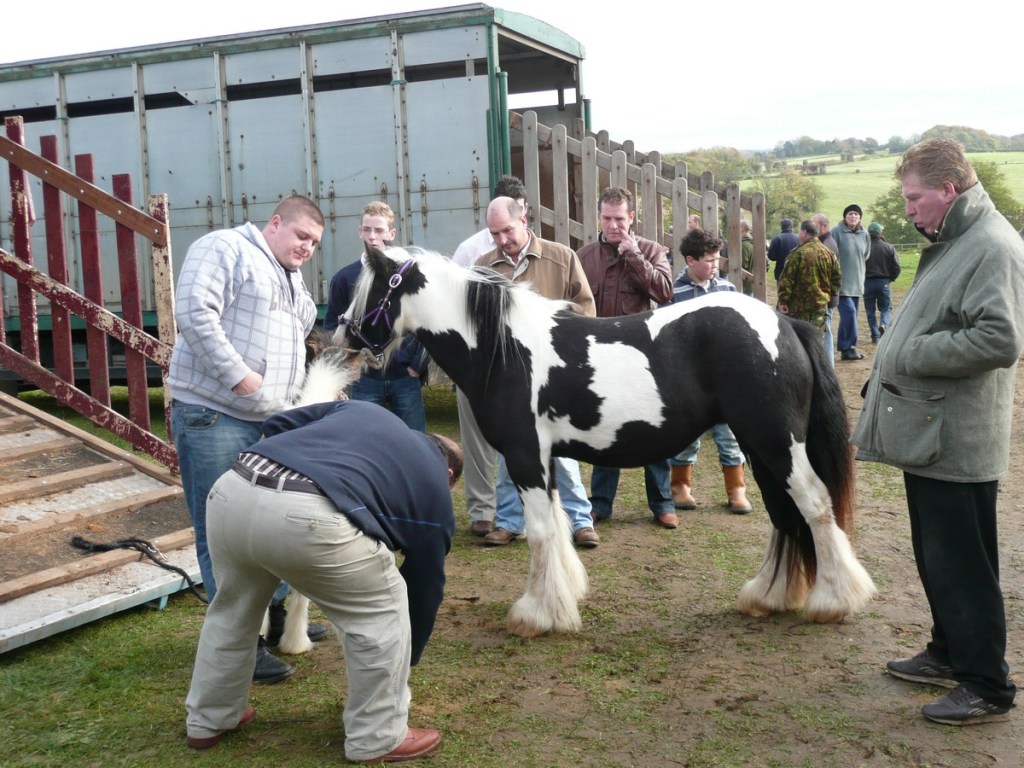


The pace can be fast in both venues too. In Kashgar, I nearly got knocked down by a Uighur horseman galloping his prospective purchase down the track. It was a bit like stepping inadvertently onto a racecourse. This young man at Stow seems pretty determined too.

The women of the fair

And what of the women? Well, many of them were dressed to the nines, and plainly enjoyed showing off their babies and catching up with the latest family news. But it wasn’t all cuddly infants and fancy outfits – as we stood at the top of a slope, looking down across the busy fairground, we noticed a sudden eddy of disturbance below, parting the crowds. A fight had broken out between two women, and people close by formed an impromptu wrestling ring for them. . The spectators rallied to the cause, shouting and cheering on two women who were going for each other hell for leather. For what, we shall never know – a rival love interest? An insult to the family? Faithfulness to a husband and loyalty to family are key principles among gypsy women. But we can be sure that, whatever the cause, these are fierce ladies, not to be taken lightly.


Below is a video, well worth watching, about how the Stow Fair has changed over the last few decades.
All such gatherings of nomads, traders and gypsies are likely to change over time, with a likelihood in the modern period of curtailing their age-old fairs and markets. I have visited the great Sunday market of Kashgar twice, but its splendour has since been diminished by the more recent persecution and forced detention of Uighurs in Western China. And a friend who used to visit Stow fair many years ago, remembers caravans parked all the way along the main road, a magical sight in the evenings when every van had a fire lit beside it, and people sat round to tell their tales. That practice has been stopped, and parking is strictly regulated now. Locals are not always happy to have their town taken over and new curbs are brought in.


But I hope the tradition of the Stow Horse Fair will carry on from one generation to the other. And if the opportunity is there, I may go and take another peek in October 2024!


 Cherry's Cache